As a senior editor for biMoola.net, I've spent years tracking the intersection of technology, health, and sustainable living. One area that consistently emerges as a powerful lever for environmental impact, even in the densest urban environments, is composting. It’s often seen as a rural pursuit, but with a little knowledge and the right approach, city dwellers can transform their kitchen scraps into a valuable resource, significantly reducing landfill waste and enriching their local ecosystems.
This comprehensive guide will demystify urban composting, providing apartment and city residents with actionable, expert-backed strategies. We'll delve into the 'why,' explore diverse methods suitable for limited spaces, offer step-by-step setup and maintenance instructions, troubleshoot common issues, and discuss the profound benefits of closing the loop on organic waste. Prepare to turn your food scraps from trash into treasure.
Why Composting Matters: The Urban Imperative
The scale of food waste is staggering, and its environmental ramifications are immense, particularly in urban settings. Globally, approximately one-third of all food produced for human consumption is lost or wasted, amounting to about 1.3 billion tonnes per year, according to a 2011 report by the Food and Agriculture Organization of the United Nations. In the United States alone, the U.S. Environmental Protection Agency (EPA) reported in its 2020 ‘Advancing Sustainable Materials Management’ fact sheet that food waste constitutes the single largest category of material in municipal landfills, making up about 24.1% of municipal solid waste (MSW) reaching landfills. Think about that: nearly a quarter of our trash could, and should, be composted.
When organic waste ends up in landfills, it decomposes anaerobically (without oxygen), producing methane – a potent greenhouse gas that is 25 times more effective at trapping heat in the atmosphere than carbon dioxide over a 100-year period, as highlighted by the Intergovernmental Panel on Climate Change (IPCC). Beyond climate change, landfilling food waste contributes to leachate production, which can contaminate groundwater, and takes up valuable land.
For urban households, the imperative is even clearer. Space is at a premium, and the logistical challenges and costs associated with waste collection and disposal are significant for city municipalities. Composting reduces the volume of household waste, leading to less frequent trash disposal for individuals and lower operational costs for cities. Moreover, it turns what would be a pollutant into a resource: nutrient-rich soil amendment that can revitalize container gardens, houseplants, and even community green spaces. From my own experience navigating limited kitchen space in a downtown apartment, I can attest that reducing the volume of my organic waste by even 50% made a noticeable difference in my daily routine and weekly trash output.
Understanding Composting Basics: The 'Greens' and 'Browns'
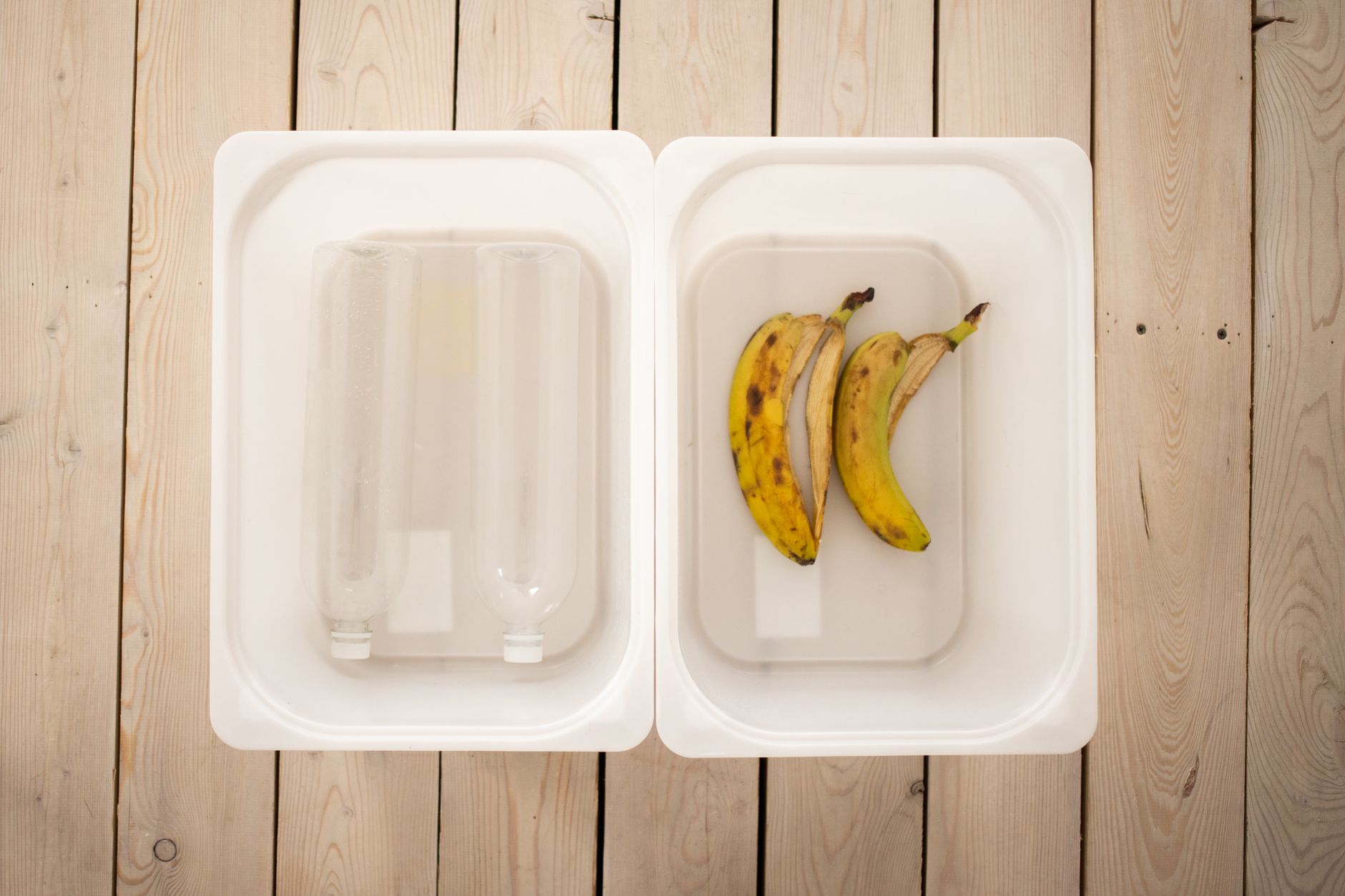
At its heart, composting is a controlled biological process where microorganisms break down organic materials into a stable, dark, nutrient-rich substance called humus or compost. To facilitate this process efficiently, you need a balance of four key ingredients: carbon, nitrogen, water, and air. These are often simplified into the 'greens' and 'browns' categories.
-
'Greens' (Nitrogen-rich materials):
These are typically fresh, moist materials that provide the nitrogen essential for microbial growth and reproduction. Think of them as the 'fuel' for the decomposition process. In an urban kitchen, common greens include fruit and vegetable scraps, coffee grounds and filters, tea bags (staple-free), and fresh grass clippings (if you have a tiny balcony patch or access to a communal garden). Avoid meat, dairy, oily foods, and diseased plants, as these can attract pests, create foul odors, and slow down decomposition. -
'Browns' (Carbon-rich materials):
These are dry, woody, or fibrous materials that provide carbon, which serves as both an energy source for microbes and a bulking agent to ensure good airflow. Common browns for urban composters include dry leaves, shredded newspaper or cardboard (non-glossy), wood shavings, saw dust (from untreated wood), and paper towels (if not contaminated with harsh chemicals). It’s crucial to shred or tear these materials into smaller pieces to increase their surface area, accelerating decomposition.
The ideal carbon-to-nitrogen (C:N) ratio for hot composting is generally between 25:1 and 30:1. While you don't need a precise scientific measurement, aiming for roughly equal parts 'greens' and 'browns' by volume is a good rule of thumb for most urban composting methods. Too many greens can lead to a slimy, smelly pile, while too many browns will slow down decomposition. Adequate moisture (like a wrung-out sponge) and aeration are also vital. Lack of air leads to anaerobic conditions and unpleasant odors, which is a common pitfall for beginners, particularly in compact urban spaces.
Choosing Your Urban Composting Method: Apartment-Friendly Solutions
The beauty of urban composting is its adaptability. There's no one-size-fits-all solution; the best method depends on your living situation, commitment level, and the amount of organic waste you generate. Having personally experimented with several of these methods in different apartment layouts, I've found each has its unique charm and challenges.
-
Vermicomposting (Worm Composting):
This is arguably the most popular and efficient method for indoor urban composting. Red wiggler worms (Eisenia fetida or Lumbricus rubellus) consume organic waste, digesting it and excreting nutrient-rich castings. A typical vermicomposting setup involves a multi-tiered plastic or wooden bin system, which you can place discreetly in a kitchen corner, under a sink, or on a balcony. Worms thrive in temperatures between 55-77°F (13-25°C), making indoor environments ideal. In my own apartment, a simple three-tray worm bin tucked away in a cool closet handled a surprising amount of daily fruit and vegetable scraps without odor issues, producing beautiful dark castings within a few months. The key is not to overfeed and to maintain proper moisture.
Pros: Highly efficient, produces excellent compost (worm castings), minimal odor if managed correctly, can be done entirely indoors, quiet. Cons: Requires careful management of moisture and food types, some people are squeamish about worms, can be sensitive to extreme temperature changes.
-
Bokashi Composting:
Originating in Japan, Bokashi is an anaerobic (oxygen-free) fermentation process. Unlike traditional composting, Bokashi 'pickles' food waste, including items not suitable for traditional compost like meat, dairy, and oils. You layer food scraps with Bokashi bran – a material inoculated with effective microorganisms (EM). The bin is sealed, and after 10-14 days of fermentation, the pickled waste is buried in soil (a garden, large planter, or community plot) to complete its breakdown. This two-stage process is excellent for managing a wider range of waste types.
Pros: Handles all food waste including meat/dairy, very fast initial processing (2 weeks), minimal space required, no fruit flies or odors during fermentation. Cons: Requires a second burial stage to fully decompose, the fermented product is not ready-to-use compost, requires purchasing Bokashi bran.
-
Small Tumbler or Bin Composting:
If you have a small balcony, patio, or even a fire escape, a compact compost tumbler or a small, enclosed bin can be an option. These systems are designed for aerobic decomposition. Tumblers are particularly effective as they allow for easy turning and aeration, speeding up the process. Look for models made from recycled plastic, with good ventilation and a secure lid to deter pests.
Pros: Faster decomposition than static piles (especially tumblers), keeps contents contained, good for those with small outdoor spaces. Cons: Can attract pests if not managed well, may produce odors if not aerated, requires more physical effort to turn, unsuitable for indoor use.
-
Community Composting and Drop-off Programs:
For those with absolutely no space or desire to manage a home system, community composting is a fantastic alternative. Many cities, neighborhoods, or even apartment complexes offer food scrap drop-off points or curbside collection services. Organizations like ShareWaste connect people who have organic waste with neighbors who compost. This method allows you to participate in waste diversion without any personal setup or maintenance.
Pros: Zero effort required at home, handles all food waste, supports local sustainability initiatives, ideal for extremely small living spaces. Cons: Requires transport of scraps to a drop-off, less direct control over the composting process, availability varies by location.
Urban Composting Method Comparison
| Method | Space Required | Suitable Waste | Decomposition Speed | Odor Potential | Ease of Use (Beginner) |
|---|---|---|---|---|---|
| Vermicomposting | Small (indoor bin) | Veggie/fruit scraps, coffee grounds, paper | Moderate (2-4 months) | Low (if managed) | Moderate |
| Bokashi | Very Small (kitchen bin) | All food waste (incl. meat/dairy) | Fast fermentation (2 weeks) + burial | Low (pickled smell) | Easy |
| Small Tumbler/Bin | Small (balcony/patio) | Veggie/fruit scraps, leaves, paper | Moderate-Fast (1-3 months) | Moderate (if not aerated) | Moderate |
| Community Drop-off | None (at home) | All food waste (varies by program) | N/A (off-site) | None (at home) | Very Easy |
Step-by-Step Guide: Setting Up and Maintaining Your Composter
Once you've selected a method, setting up and maintaining your urban composter is straightforward. This general guide covers principles applicable to most home-based systems, with specific tips for apartment living.
-
Choose Your Location Wisely:
For indoor systems like vermicomposting or Bokashi, select a cool, dark, and discreet spot – under a sink, in a pantry, or a seldom-used closet. Avoid direct sunlight or heat sources. For outdoor bins or tumblers, a shady spot on your balcony or patio will help maintain moisture and deter excessive drying. Ensure good air circulation around the unit.
-
Gather Your Materials:
Beyond your composting system itself (worm bin, Bokashi bucket, tumbler), you'll need a kitchen scrap collector (a small lidded container), a supply of 'browns' (shredded newspaper, cardboard), and a hand trowel or small rake for mixing. For vermicomposting, you'll need a starter bedding (shredded paper, coconut coir) and, of course, the worms!
-
Start Layering (or Feeding):
For aerobic bins/tumblers: Begin with a layer of 'browns' at the bottom for drainage and aeration. Then, alternate layers of 'greens' and 'browns.' For every layer of food scraps, add a roughly equal layer of shredded paper or dry leaves. Chop food scraps into smaller pieces (1-2 inches) – this dramatically increases the surface area for microbes to work on and speeds up decomposition. My early composting efforts were often slowed by large chunks of vegetable peel, a lesson quickly learned!
For vermicomposting: Prepare the bedding, introduce the worms, and then gradually start feeding small amounts of fruit and vegetable scraps, burying them slightly under the bedding to prevent fruit flies. Overfeeding is the most common mistake with worms.
For Bokashi: Add a layer of food scraps, then sprinkle a tablespoon or two of Bokashi bran over it. Press down firmly to remove air, then seal the lid. Repeat until the bin is full.
-
Maintain Moisture and Aeration:
The contents should feel like a damp sponge. If too dry, add a little water; if too wet, add more 'browns.' For aerobic systems, turn the pile every few days or weekly with a pitchfork or by rotating the tumbler. This introduces oxygen and mixes materials, preventing anaerobic smells. Worm bins require less active turning, but gentle stirring of the top layer can be beneficial. Bokashi bins are anaerobic, so aeration is not needed; instead, regularly drain the 'Bokashi tea' liquid that accumulates at the bottom.
-
Patience and Harvesting:
Compost takes time. Aerobic systems can produce usable compost in 1-3 months with active management. Vermicompost typically takes 2-4 months to produce rich castings. Bokashi fermentation takes 2 weeks, followed by several weeks for soil integration. Once your compost is dark, crumbly, and smells earthy, it's ready! Harvest from the bottom or side of your bin, or separate worms from castings. For Bokashi, dig a trench and bury the fermented material, covering it with at least 6-8 inches of soil.
Troubleshooting Common Urban Composting Challenges
Even with careful planning, every composter faces a hiccup now and then. In my years of composting, I've certainly had my share of composting mishaps, from fruit fly invasions to mysteriously slow decomposition. Here’s how to tackle the most common issues:
-
Unpleasant Odors:
This is the most frequent complaint and usually indicates an imbalance. A rotten smell often means too much nitrogen ('greens') and not enough carbon ('browns'), or insufficient aeration leading to anaerobic conditions. Solution: Add more 'browns' (shredded paper, cardboard, dry leaves), and turn the pile more frequently to introduce oxygen. For worm bins, ensure you're not overfeeding, and bury food scraps properly. For Bokashi, ensure the bin is sealed tightly and drain the liquid regularly.
-
Pests (Fruit Flies, Ants, Rodents):
Fruit flies are common with exposed food scraps. Solution: Always bury fresh food scraps under existing compost or bedding. Ensure your compost bin has a tight-fitting lid. If using a tumbler or outdoor bin, keep it securely latched. Ants are attracted to sweet foods; ensure these are well-covered. Rodents are less common with indoor, well-sealed systems but can be an issue with outdoor bins. Solution: Avoid adding meat, dairy, and oily foods to aerobic compost. Use a rodent-proof bin (metal or thick plastic) with a secure bottom. The EPA provides excellent guidance on keeping pests out of compost.
-
Compost is Too Dry or Too Wet:
Too dry means decomposition slows or stops. Solution: Add water slowly, mixing it in. A quick trick I use is to add a few pieces of water-soaked paper towel. Too wet leads to compaction, lack of air, and odors. Solution: Add more 'browns' to absorb excess moisture and provide bulk. Turn the pile to aerate it.
-
Slow or Stalled Decomposition:
If your compost isn't breaking down, it's likely due to one of the above imbalances: lack of moisture, aeration, or an incorrect C:N ratio. It can also be due to large pieces of food waste. Solution: Chop materials smaller, check moisture levels, add more 'greens' if it's too brown, or more 'browns' if it's too green. Ensure regular turning for aerobic systems. For vermicomposting, ensure the worm population is healthy and not being overfed.
Beyond the Bin: Utilizing Your Urban Compost
The ultimate reward of urban composting is the rich, dark, earthy-smelling 'black gold' you produce. This isn't just waste – it's a potent soil amendment that breathes new life into plants and significantly reduces your need for synthetic fertilizers. The benefits extend far beyond your immediate gardening success.
-
For Potted Plants and Balcony Gardens:
Compost is a fantastic addition to potting mixes. Mix it in at a ratio of 1 part compost to 3-4 parts soil to give your houseplants and container vegetables a nutrient boost. It improves soil structure, enhances water retention (reducing watering frequency), and introduces beneficial microorganisms that suppress plant diseases. I've seen firsthand how a tablespoon of homemade worm castings can revitalize a struggling herb plant in a window box. -
Seed Starting and Transplants:
Using a small amount of fine, sifted compost in your seed-starting mix provides gentle nutrients to delicate seedlings, promoting stronger growth. When transplanting, add a handful of compost to the bottom of the planting hole to give new plants a strong start. -
Compost Tea:
Steep finished compost in water for a day or two to create 'compost tea' – a liquid fertilizer brimming with beneficial microbes. Dilute it (e.g., 1 part tea to 10 parts water) and use it to water your plants. This is particularly useful for apartment dwellers who want to spread their limited compost resource further. -
Sharing with Community Gardens:
If you produce more compost than you can use, consider donating it to a local community garden or urban farm. Many such initiatives are desperate for quality organic matter to enrich their plots. This not only supports your local green spaces but also fosters community connection – a core tenet of sustainable living.
By transforming your organic waste into a valuable resource, you're not just reducing your personal carbon footprint; you're actively participating in a circular economy, demonstrating that even in the heart of a bustling city, nature's cycles can thrive.
Key Takeaways
- Urban composting is a powerful tool for reducing landfill waste and methane emissions, making a significant environmental impact even in small spaces.
- Understanding the balance of 'greens' (nitrogen) and 'browns' (carbon) is fundamental for successful decomposition.
- Apartment-friendly methods like vermicomposting, Bokashi, small tumblers, and community drop-offs offer diverse solutions for city dwellers.
- Consistent moisture, good aeration, and proper waste management are crucial to prevent odors and pests.
- Finished compost is a nutrient-rich soil amendment that enhances plant health, reduces the need for chemical fertilizers, and fosters a circular economy in your home.
Expert Analysis: Cultivating Resilient Urban Ecosystems
As a publication deeply invested in sustainable living, biMoola.net has long championed the concept of localized solutions to global problems. Urban composting, often dismissed as a niche hobby, stands as a prime example of this philosophy in action. It's not merely about waste reduction; it's about reconnecting urban populations with natural cycles, fostering self-sufficiency, and building more resilient city ecosystems. The shift from a linear 'take-make-dispose' economy to a circular one, where resources are continuously reused and regenerated, is paramount for our planet's future, and each household composter becomes a vital node in this network.
Consider the broader implications. As cities expand, so does their metabolic footprint – the resources they consume and the waste they generate. By converting organic waste into nutrient-rich soil, urban composting directly addresses resource depletion, improves localized food security by supporting urban agriculture, and mitigates climate change. Furthermore, it subtly educates individuals on ecological principles, fostering a deeper appreciation for the interconnectedness of life. The psychological benefits of nurturing something, of seeing waste transform into life-giving soil, are immeasurable and often underestimated.
The rise of municipal composting programs, alongside innovative technologies like decentralized biodigesters, signals a growing recognition by policymakers of composting's urban potential. However, the true strength lies in individual action. Each apartment dweller who decides to start a worm bin or a Bokashi system contributes not just to their immediate environment but to a collective consciousness shift. This isn't just about saving scraps; it's about sowing the seeds for a more sustainable, self-reliant, and greener urban future. Research published in Nature Food in 2020 highlights the significant potential of urban food waste valorization to enhance nutrient recycling and reduce environmental impact, reinforcing the scientific backing for these grassroots efforts.
Frequently Asked Questions
Q: Can I compost meat or dairy products in an urban apartment?
A: Generally, no for traditional aerobic composting or vermicomposting as they can attract pests and create strong odors. However, Bokashi composting is an excellent anaerobic method that safely handles meat, dairy, and cooked foods without attracting pests or producing foul smells during the fermentation stage. After fermentation, the pickled waste still needs to be buried in soil to fully decompose.
Q: How do I prevent fruit flies in my indoor compost bin?
A: To prevent fruit flies, always bury fresh food scraps completely under existing compost or bedding (especially for worm bins). Ensure your compost container has a tight-fitting lid. Avoid adding overly ripe or rotting fruit. Adding a layer of shredded paper or a damp newspaper on top can also help deter them.
Q: What do I do if my compost smells bad?
A: A foul, rotten smell usually indicates too much moisture, too many 'greens' (nitrogen-rich materials), or a lack of aeration leading to anaerobic conditions. The solution is to add more 'browns' (carbon-rich materials like shredded paper or dry leaves), mix everything thoroughly to introduce air, and ensure the compost isn't too wet.
Q: How long does it take for compost to be ready?
A: The time it takes for compost to be ready varies significantly by method and management. Actively managed aerobic systems (like tumblers) can produce compost in 1-3 months. Vermicompost typically yields castings in 2-4 months. Bokashi fermentation takes about 2 weeks, after which the material needs another few weeks to months to break down in soil. The finished product should be dark brown, crumbly, and have an earthy smell.
Sources & Further Reading
- Food and Agriculture Organization of the United Nations (FAO) — Food Loss and Food Waste
- U.S. Environmental Protection Agency (EPA) — Composting At Home
- U.S. Environmental Protection Agency (EPA) — Advancing Sustainable Materials Management: 2020 Fact Sheet
- Intergovernmental Panel on Climate Change (IPCC) — Sixth Assessment Report: The Physical Science Basis
- Nature Food — Urban food waste valorization for food system sustainability
Disclaimer: For informational purposes only. Always consult qualified experts for specific advice on waste management or sustainability practices in your region.
Comments (0)
To comment, please login or register.
No comments yet. Be the first to comment!