Welcome to 2026, where the conversation around what we wear has shifted from fleeting trends to enduring values. The fast fashion paradigm, with its staggering environmental and social costs, is increasingly giving way to a more conscious approach to clothing. As a seasoned observer of the intersection between industry and impact, I’ve watched consumer awareness transform from a niche concern to a mainstream demand for transparency and ethics. This comprehensive guide will equip you with the knowledge and actionable strategies to curate a truly sustainable wardrobe, navigating the complexities of textile innovation, circular economies, and mindful consumption. By the end of this article, you'll possess the blueprint for dressing with both style and integrity in an ever-evolving world.
The Environmental Imperative: Why Sustainable Fashion Matters More Than Ever in 2026
The urgency for sustainable fashion isn't just a trend; it's an ecological necessity, amplified by escalating climate concerns and resource depletion. In 2026, the data paints an undeniable picture of an industry at a crossroads. According to the Ellen MacArthur Foundation's 2025 Circular Fashion Report, the fashion industry remains responsible for an estimated 8-10% of global greenhouse gas emissions – a figure projected to rise if current linear production models persist. This makes it a more significant contributor than the aviation and shipping sectors combined. The lifecycle of a garment, from fiber production to disposal, is fraught with environmental impacts.
Consider water consumption: a single cotton T-shirt, from field to finished product, can require up to 2,700 liters of water – enough drinking water for one person for 2.5 years. The dyeing and finishing processes contribute significantly to water pollution, with textile factories often discharging untreated wastewater laden with toxic chemicals into waterways, particularly in developing nations. The UN Environment Programme (UNEP) highlighted in a 2024 analysis that microplastic pollution from synthetic textiles, accounting for approximately 35% of all primary microplastics in the oceans, has become a critical threat to marine ecosystems and, by extension, human health through the food chain.
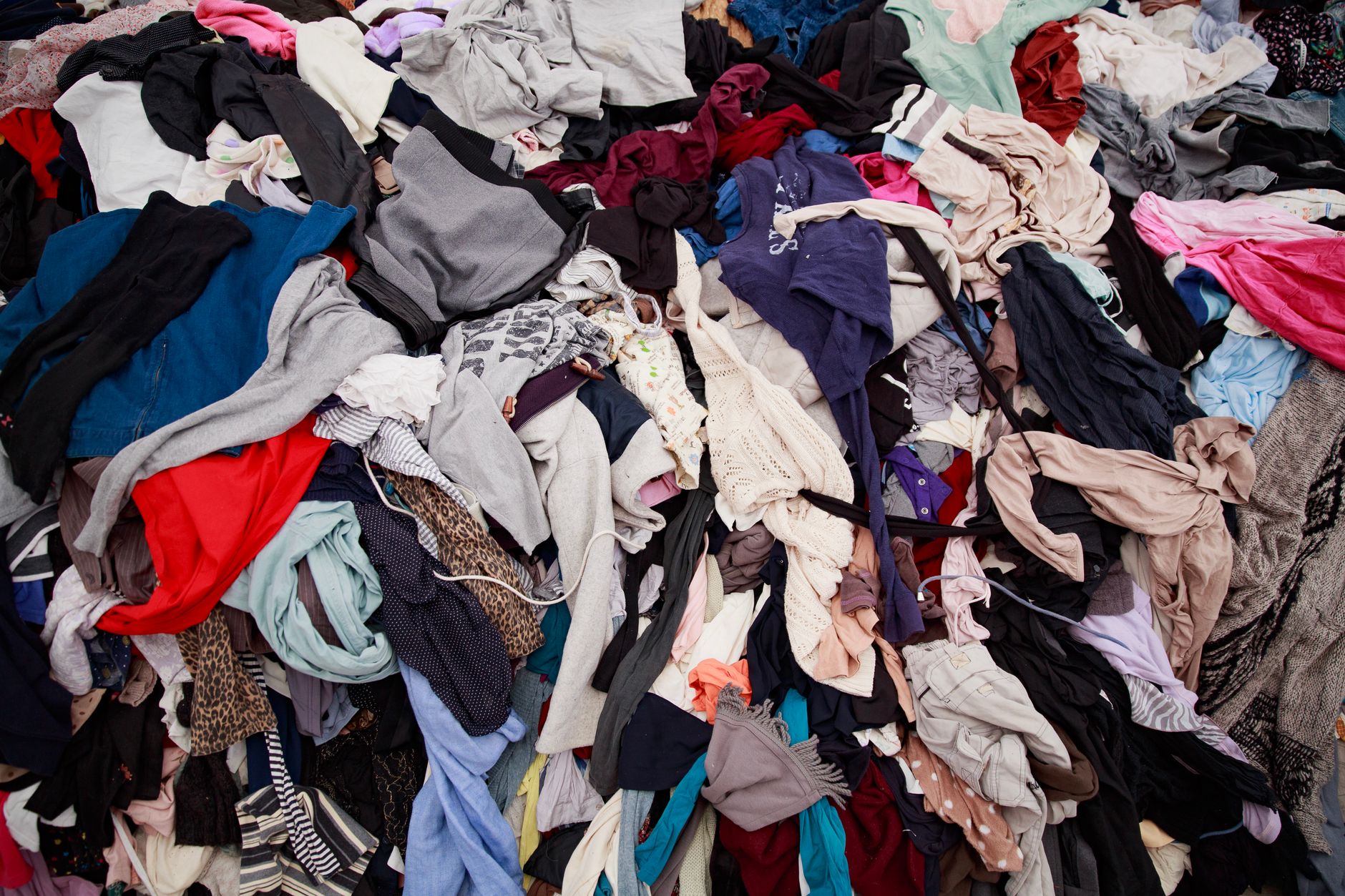
Waste is another monumental challenge. The average consumer now purchases 60% more clothing items than 15 years ago but keeps them for half as long. A 2025 study by WRAP (Waste and Resources Action Programme) indicated that in affluent nations, over 70% of discarded textiles still end up in landfills or are incinerated, with less than 15% being recycled. This represents a staggering loss of embedded resources and a perpetuation of the 'take-make-waste' model. Beyond the environment, the human cost is immense, with concerns ranging from unsafe working conditions and meager wages in manufacturing hubs to the exploitation of natural resources in producer countries. The imperative to shift towards a sustainable fashion paradigm is not merely about environmental protection; it’s about social justice, economic resilience, and a fundamental re-evaluation of our relationship with consumer goods.
Deconstructing the “Sustainable” Label: What to Look for Beyond Greenwashing
In 2026, the term “sustainable” is, unfortunately, still often co-opted for marketing leverage without genuine commitment. This phenomenon, known as greenwashing, makes discerning truly ethical and eco-friendly products challenging for the average consumer. As an expert who has evaluated countless brand claims, I can attest that true sustainability goes far beyond a single organic cotton label. It encompasses the entire supply chain, from raw material sourcing to manufacturing processes, labor practices, and end-of-life considerations.
When evaluating brands, look beyond vague claims of “eco-friendly” or “conscious collection.” Demand transparency. Reputable brands provide detailed information on their website about their material sources, factories, and certifications. Key certifications to seek out include:
- GOTS (Global Organic Textile Standard): Ensures organic status of textiles from harvesting of the raw materials through environmentally and socially responsible manufacturing.
- Fair Trade Certified™: Guarantees fair wages, safe working conditions, and community development for farmers and factory workers.
- Bluesign®: Focuses on minimizing environmental impact at every step of the textile supply chain, particularly regarding chemical use, water, and energy.
- OEKO-TEX® Standard 100: Certifies that textiles are free from harmful substances, assuring product safety for consumers.
Material choices are paramount. While organic cotton (reducing pesticide use and water pollution) is a good starting point, emerging and established sustainable alternatives are gaining traction. Tencel™ Lyocell and Modal, derived from sustainably harvested wood pulp using a closed-loop system, boast significantly lower water and chemical footprints than conventional rayon. Hemp and linen are ancient fibers requiring minimal water and no pesticides, offering durability and breathability. Recycled materials, such as recycled polyester (RPET) made from plastic bottles or ECONYL® (recycled nylon from fishing nets), divert waste from landfills and oceans, though their microplastic shedding potential still warrants consideration.
Furthermore, scrutinize brand commitments to circularity. Are they offering repair services? Take-back programs for old garments? Are they investing in innovative recycling technologies? A truly sustainable brand in 2026 isn't just making less bad clothing; it's actively designing for longevity, repairability, and recyclability, closing the loop on textile waste.
The Power of Pre-Loved: Mastering Thrift Shopping and Second-Hand Scores
One of the most immediate and impactful ways to build an eco-friendly wardrobe is by embracing the pre-loved market. Thrifting, buying vintage, and utilizing online resale platforms directly extends the life of garments, diverting them from landfills and significantly reducing the demand for new production. From my years of experience, the thrill of finding a unique, high-quality piece at a fraction of its original price is unparalleled, and it’s a practice that's rapidly gaining mainstream appeal.
In 2026, the second-hand market is booming. A 2025 ThredUp report, in collaboration with GlobalData, projected that the global second-hand market would reach $82 billion by 2026, growing 127% faster than the broader retail clothing market. This growth is driven by a combination of sustainability concerns, economic savvy, and the desire for unique personal style.
Tips for Mastering the Pre-Loved Hunt:
- Know Your Style & Needs: Before you dive in, have a clear idea of what you’re looking for and what gaps exist in your current wardrobe. This prevents impulse buys and ensures you find pieces you’ll actually wear.
- Quality Over Quantity: Look for natural fibers (wool, cotton, linen, silk) and well-constructed garments. Check seams, zippers, buttons, and fabric integrity. A durable, well-made item will last many more years.
- Be Patient & Persistent: Thrifting requires patience. You won't always find what you're looking for immediately. Regular visits to different stores or consistent browsing on online platforms increase your chances.
- Inspect Thoroughly: Always check for stains, tears, missing buttons, or signs of significant wear. While minor repairs are often worth it, major damage might not be.
- Online Resale Platforms: Websites like The RealReal, Poshmark, eBay, Vinted, and Depop offer vast inventories. Filter by brand, size, material, and condition to streamline your search. Always review seller ratings and ask questions if needed.
- Vintage Stores vs. Thrift Stores: Vintage shops often curate higher-end, unique pieces but at a higher price point. Thrift stores (charity shops) offer more variety and often lower prices, requiring more digging.
- Clean Your Finds: Always wash or dry-clean second-hand items before wearing them.
Embracing pre-loved fashion is not just an act of environmental responsibility; it's an opportunity to develop a distinctive style, find unique pieces with character, and detach from the relentless cycle of new trends. It’s a powerful step towards a truly circular wardrobe.
Community & Circularity: Embracing Clothing Swaps and Rental Models
Beyond individual purchasing choices, the rise of community-driven and circular economy models offers exciting new avenues for sustainable fashion. In 2026, these collaborative consumption practices are moving from niche experiments to widely accepted alternatives, fostering a sense of shared responsibility and access over ownership. As a proponent of systemic change, I see these models as crucial for decoupling fashion from resource extraction.
Clothing Swaps: These events are a fantastic way to refresh your wardrobe without spending a dime or contributing to new production. They promote the extension of a garment's life and build community. Organizing or participating in a swap is relatively simple:
- Gather Your Garments: Collect good-quality, clean items you no longer wear but are still in excellent condition.
- Find a Venue: A community center, private home, or even a local park can serve as a swap location.
- Invite Participants: Encourage friends, family, and local community members to bring their own items.
- Set Rules: Decide on a system – e.g., each person brings 5 items and can take 5 items, or a token system where higher-value items grant more tokens.
- Arrange & Display: Organize items by type or size to make browsing easy.
Clothing swaps offer the dual benefit of decluttering your closet and acquiring “new-to-you” pieces, all while strengthening local social ties and demonstrating a practical application of the circular economy.
Rental and Subscription Models: For special occasions, rapidly changing professional wardrobes, or simply experimenting with new styles, clothing rental services have emerged as a highly sustainable option. Companies like Rent the Runway, Nuuly, and various localized services allow consumers to wear designer outfits or curated collections for a fraction of the purchase price, returning them after use for cleaning and re-rental. This model drastically reduces the number of items purchased and discarded by individuals, maximizes the utility of each garment, and democratizes access to higher-quality fashion.
According to a 2024 analysis by McKinsey & Company, the apparel rental market is projected to grow by nearly 20% annually through 2028, driven by younger, environmentally conscious consumers and the increasing acceptance of shared economies. These services typically have rigorous cleaning and repair protocols, ensuring the longevity of their inventory. By opting for rental, consumers can indulge in fashion without the long-term commitment or environmental footprint of ownership, embodying a true circular approach to dressing.
Investing Wisely: Identifying Truly Sustainable Brands and Materials
In 2026, building a sustainable wardrobe isn't solely about buying less; it's about buying better when you do make new purchases. This means being an informed investor in brands that genuinely prioritize ethical and environmental responsibility. From my perspective, this shift requires a deliberate move away from impulse buying towards mindful acquisition, valuing longevity and provenance.
Textile Environmental Impact Comparison (Estimated Averages)
Note: Figures are approximate and can vary significantly based on specific production methods, location, and energy sources. Data synthesized from various industry reports (e.g., Higg MSI, Textile Exchange, WRAP).| Material | Water Use (liters/kg) | GHG Emissions (kg CO2e/kg) | Pesticide Use | Durability |
|---|---|---|---|---|
| Conventional Cotton | ~10,000 - 20,000 | ~4 - 10 | High | Medium |
| Organic Cotton | ~5,000 - 10,000 | ~2 - 5 | Very Low / None | Medium |
| Polyester (Virgin) | ~10 - 50 | ~7 - 12 | N/A | High |
| Recycled Polyester (RPET) | ~5 - 30 | ~2 - 5 | N/A | High |
| Tencel™ Lyocell | ~500 - 1,000 | ~1 - 3 | Very Low / None | High |
| Hemp / Linen | ~500 - 2,000 | ~0.5 - 2 | Very Low / None | Very High |
| Conventional Viscose/Rayon | ~1,000 - 3,000 | ~3 - 7 | Medium | Medium |
When selecting brands, consider these critical factors:
- Transparency & Traceability: Truly sustainable brands are open about their supply chains. They can tell you where their materials come from, who made their clothes, and under what conditions. Look for impact reports, factory lists, and detailed material sourcing information on their websites. The Fashion Transparency Index provides an excellent benchmark.
- Certifications & Standards: As discussed previously, look for GOTS, Fair Trade, Bluesign, and OEKO-TEX Standard 100. These are third-party verifications of ethical and environmental claims.
- Material Innovation: Prioritize natural, organic, recycled, or innovative low-impact materials. Beyond the table above, explore materials like Piñatex (pineapple leaf fiber), innovative bio-based leathers, or regenerative cotton.
- Durability & Craftsmanship: Invest in timeless pieces made to last. The longer an item stays in your wardrobe, the lower its per-wear environmental impact. Good quality often means better stitching, reinforced seams, and durable fabrics.
- Repair & Longevity Programs: Does the brand offer repair services or guidance? Do they design for modularity or easy repair? This signals a commitment to product lifespan beyond the initial sale.
- Fair Labor Practices: Beyond certifications, does the brand discuss living wages, safe working conditions, and empowerment programs for their garment workers? Look for evidence of true social responsibility.
The concept of "cost per wear" is crucial here. A €20 fast fashion dress worn three times has a cost per wear of €6.67. A €200 responsibly made dress worn 50 times has a cost per wear of €4.00, making it the more economical and sustainable choice in the long run. By investing wisely, you’re not just buying clothes; you're supporting a better future for the planet and its people.
The Capsule Wardrobe Reimagined: Minimalism Meets Modern Ethics
The capsule wardrobe concept, first popularized decades ago, has found new resonance within the sustainable fashion movement in 2026. It’s no longer just about owning fewer clothes; it’s about curating a highly functional, versatile, and ethically sourced collection that reflects your personal style and values. As someone who has embraced this philosophy for years, I can attest to its transformative power, simplifying daily decisions while amplifying personal expression.
A capsule wardrobe is a collection of essential clothing items that can be mixed and matched to create numerous outfits for various occasions. The reimagined, sustainable capsule takes this a step further by emphasizing:
- Quality over Quantity: Investing in durable, high-quality pieces made from sustainable materials that will withstand years of wear and washing.
- Versatility: Selecting items that can be dressed up or down, layered, and combined in multiple ways. Neutral colors often form the core, supplemented by a few accent colors or patterns.
- Timelessness: Choosing classic silhouettes and styles that transcend fleeting trends, ensuring your wardrobe remains relevant year after year.
- Personal Style Reflection: Every item should genuinely make you feel good and align with your authentic self. A sustainable capsule isn't about conformity; it's about intentionality.
- Ethical Sourcing: As discussed, prioritizing items from brands committed to environmental stewardship and fair labor.
Building Your Sustainable Capsule Wardrobe (2026 Edition):
- Audit Your Current Wardrobe: Lay out every item. Keep what you love, fits well, and wear frequently. Donate, swap, or sell items that no longer serve you. Identify gaps.
- Define Your Lifestyle Needs: What does your typical week look like? Do you need business attire, casual wear, activewear, or a mix? This will determine the functional categories of your capsule.
- Choose a Color Palette: Select 2-3 neutral base colors (e.g., black, navy, grey, white, beige) and 1-3 accent colors that complement them and your skin tone.
- Prioritize Core Essentials: Start with foundational pieces like well-fitting trousers, a versatile skirt, classic shirts, comfortable sweaters, and a few dresses or jumpsuits.
- Focus on Sustainable Materials: Seek out organic cotton, Tencel, linen, hemp, recycled wool, or responsibly sourced cashmere.
- Shop Smart: Utilize thrift stores, online second-hand platforms, and trusted sustainable brands to acquire new pieces for your capsule. Remember the "cost per wear" principle.
- Accessorize Thoughtfully: Scarves, jewelry, and shoes can dramatically change an outfit. Invest in a few high-quality, versatile accessories, perhaps sourced from artisan markets or ethically made brands.
- Iterate and Refine: A capsule wardrobe isn't static. Re-evaluate it seasonally, adding or subtracting pieces as your needs or preferences evolve, always with sustainability in mind.
By consciously curating a sustainable capsule wardrobe, you minimize consumption, reduce waste, support ethical practices, and reclaim mental space from the pressures of fast fashion. It’s a powerful act of personal agency in the face of widespread consumerism.
Beyond Consumption: Repair, Repurpose, and Responsible Disposal
The journey to a sustainable wardrobe doesn't end with mindful purchasing; it extends to how we care for, extend the life of, and ultimately dispose of our clothing. In 2026, embracing a culture of repair and repurpose is as crucial as boycotting fast fashion. As a long-time advocate for circularity, I believe this 'post-purchase' phase holds immense potential for reducing environmental impact.
Repair & Maintain: The First Line of Defense
Instead of discarding a garment at the first sign of wear, cultivate a habit of repair. A missing button, a torn seam, or a small hole doesn't have to signal the end of an item's life. Basic mending skills are invaluable, and numerous resources (online tutorials, local sewing workshops) are available to learn them. For more complex repairs, seek out local tailors or cobblers. The resurgence of repair cafes and community workshops demonstrates a growing collective desire to fix rather than replace. Proper garment care, such as washing clothes less frequently, using cold water, line drying, and following care labels, also significantly extends their lifespan and reduces energy consumption.
Repurpose & Upcycle: Unleashing Creativity
When a garment is truly beyond its original intended use, consider repurposing or upcycling. An old pair of jeans can become shorts, a skirt, or even patches for other garments. T-shirts can be transformed into cleaning rags, tote bags, or craft materials. This creative approach reduces waste and gives items a second life in a new form, often with added personal touch and character. The internet is a treasure trove of DIY upcycling ideas, inspiring countless ways to transform textile waste into something useful or beautiful.
Responsible Disposal: Closing the Loop
Even with diligent repair and repurposing, some items will eventually reach the end of their useful life. The key is to ensure they don't end up in a landfill. In 2026, textile recycling infrastructure is improving, though still far from perfect. Look for:
- Clothing Take-Back Programs: Many brands and retailers (e.g., H&M, Levi's, North Face) offer collection points for unwanted textiles, regardless of brand, sometimes in exchange for a discount. These initiatives aim to sort items for reuse, recycling, or downcycling.
- Charity Shops & Donation Bins: For items still in good, wearable condition, donating to charity ensures they find a new home. Be mindful not to donate soiled or damaged items, as these often create more work for charities and may still end up in landfills.
- Textile Recycling Centers: Research local municipal recycling options. Some cities have dedicated textile recycling facilities that can process materials that aren't suitable for donation.
- Composting Natural Fibers: For 100% natural fibers (like cotton, linen, hemp, wool) that are free of synthetic blends, dyes, and finishes, composting can be an option. However, verify local composting guidelines, as not all facilities accept textiles, and home composting requires specific conditions.
By integrating these practices – repair, repurpose, and responsible disposal – into our daily routines, we move beyond being mere consumers to active participants in a truly circular economy, ensuring that the resources embedded in our clothing are valued and utilized for as long as possible.
Key Takeaways
- Prioritize Pre-Loved: Make second-hand shopping (thrifting, online resale, vintage) your first choice for acquiring new clothing to drastically reduce environmental impact.
- Demand Transparency & Certifications: Look for brands openly sharing their supply chain, and seek out certifications like GOTS, Fair Trade, and Bluesign for genuine ethical and environmental assurances.
- Invest in Quality, Not Quantity: Opt for durable, timeless pieces made from sustainable materials (e.g., organic cotton, Tencel, hemp) that will last, embracing the "cost per wear" philosophy.
- Embrace Circular Models: Participate in clothing swaps and consider rental services for special occasions or fast-changing needs, supporting shared economies and resource efficiency.
- Extend Garment Life: Practice mindful care, repair minor damages, repurpose items creatively, and ensure responsible end-of-life disposal through recycling programs or donations.
Expert Analysis: The Future Trajectory of Sustainable Fashion
As we navigate 2026, the sustainable fashion landscape is characterized by a fascinating tension: the slow, deliberate march towards true circularity versus the lingering inertia of fast fashion's consumption habits. From my vantage point, having observed this industry for over a decade, I see several critical dynamics at play. Firstly, legislative pressure, particularly within the EU, is increasingly acting as a catalyst. Proposed Extended Producer Responsibility (EPR) schemes for textiles, expected to roll out more broadly by 2027, will force brands to internalize the costs of end-of-life garment management, thereby incentivizing design for durability and recyclability. This is a game-changer, moving beyond voluntary commitments to legally mandated accountability.
Secondly, technological advancements are accelerating, particularly in textile-to-textile recycling. Companies are now scaling chemical and mechanical recycling processes that can effectively break down blended fabrics and turn them back into high-quality fibers. While still nascent, the commercial viability of these innovations is becoming clearer, promising a future where textile waste is truly a resource, not a burden. However, the infrastructure for collection and sorting remains a significant bottleneck. This is where government investment and cross-industry collaboration become paramount, transforming fragmented efforts into a cohesive, national (and international) recycling ecosystem.
Finally, the consumer role is evolving. Gen Z and Millennial consumers, armed with greater digital literacy and a heightened sense of social and environmental responsibility, are not just demanding better products; they are actively reshaping market norms through their purchasing power and advocacy. This demographic shift is driving the growth of the second-hand market and rental services, forcing traditional retailers to adapt or risk obsolescence. The challenge for 2026 and beyond is not merely about creating sustainable products, but about fundamentally re-educating consumers on value, challenging the perception that quality and ethics must always come with a prohibitive price tag, and fostering a culture of mindful appreciation for what we wear. The true victory for sustainable fashion will be when it's no longer a niche choice, but the unquestioned standard.
Frequently Asked Questions
Q: How do I identify genuine sustainable brands amidst greenwashing claims?
A: Look for comprehensive transparency regarding their supply chain, detailed information on material sourcing and labor practices, and third-party certifications like GOTS, Fair Trade, Bluesign, or OEKO-TEX Standard 100. Be wary of vague "eco-friendly" labels without supporting evidence. Websites like the Fashion Transparency Index can also help.
Q: Is fast fashion inherently bad, or can some fast fashion brands be sustainable?
A: The core business model of fast fashion—rapid production cycles, cheap materials, and planned obsolescence—is inherently unsustainable. While some fast fashion brands may introduce "conscious collections," these often represent a small fraction of their output and don't address the systemic issues of overproduction and waste. True sustainability requires a fundamental shift in business practices, not just isolated initiatives.
Q: What are the most sustainable materials to look for in clothing?
A: Prioritize materials with lower environmental impacts such as organic cotton, hemp, linen, Tencel™ Lyocell, recycled polyester (RPET), and recycled wool. These generally require less water, pesticides, or energy, or divert waste from landfills. Always check for certifications indicating responsible sourcing and processing.
Q: How can I responsibly dispose of clothes that are too worn or damaged to donate or swap?
A: For items beyond repair or donation, explore textile recycling programs. Many brands and retailers offer take-back bins for textiles. Check your local municipality's waste management guidelines for textile recycling centers. For 100% natural, undyed fibers, composting might be an option, but verify local rules first. Avoid sending textiles to landfill whenever possible.
Comments (0)
To comment, please login or register.
No comments yet. Be the first to comment!