Sustainable Living

Composting Made Simple: A Beginner's Guide for Urban Households

Composting Made Simple: A Beginner's Guide for Urban Households

In the heart of bustling cities, where concrete jungle often overshadows green spaces, the idea of composting might seem like a distant, rural pursuit. Yet, as awareness of environmental impact grows, urban residents are increasingly seeking ways to reduce their ecological footprint. Food waste, a significant contributor to landfill volume and greenhouse gas emissions, presents a prime opportunity for impactful change. This comprehensive guide from biMoola.net will demystify urban composting, offering practical, step-by-step methods tailored for city living – from compact apartments to small balconies. You'll learn how to transform your kitchen scraps into nutrient-rich 'black gold,' reduce waste, and foster a more sustainable lifestyle, no matter your space constraints.

Why Compost in the City? The Urban Imperative

The call to compost is not just for those with sprawling backyards; it's a vital urban imperative. Food waste constitutes a staggering portion of municipal solid waste globally. According to the U.S. Environmental Protection Agency (EPA), in 2021, food waste made up approximately 24.1% of all municipal solid waste sent to landfills and combustion facilities. When organic waste ends up in landfills, it decomposes anaerobically (without oxygen), producing methane – a potent greenhouse gas 28 to 36 times more powerful than carbon dioxide over a 100-year period, as reported by the Intergovernmental Panel on Climate Change (IPCC). By diverting food scraps from landfills, urban composters directly combat climate change.

Beyond climate benefits, urban composting addresses several other critical issues:

  • Resource Conservation: Composting returns valuable nutrients to the soil, reducing the need for chemical fertilizers in community gardens, potted plants, or even small balcony farms. It turns a 'waste' product into a valuable resource.
  • Soil Enrichment: Compost improves soil structure, water retention, and aeration, fostering healthier plant growth and increasing biodiversity in urban green spaces. Even a small pot of herbs benefits from this nutrient boost.
  • Waste Reduction: For an average household, food scraps can represent 20-30% of their waste stream. Composting significantly lightens your trash can, often reducing the frequency of garbage disposal.
  • Community Engagement: Many cities are developing community composting initiatives, drop-off points, and educational programs, fostering a sense of shared responsibility and local sustainability.

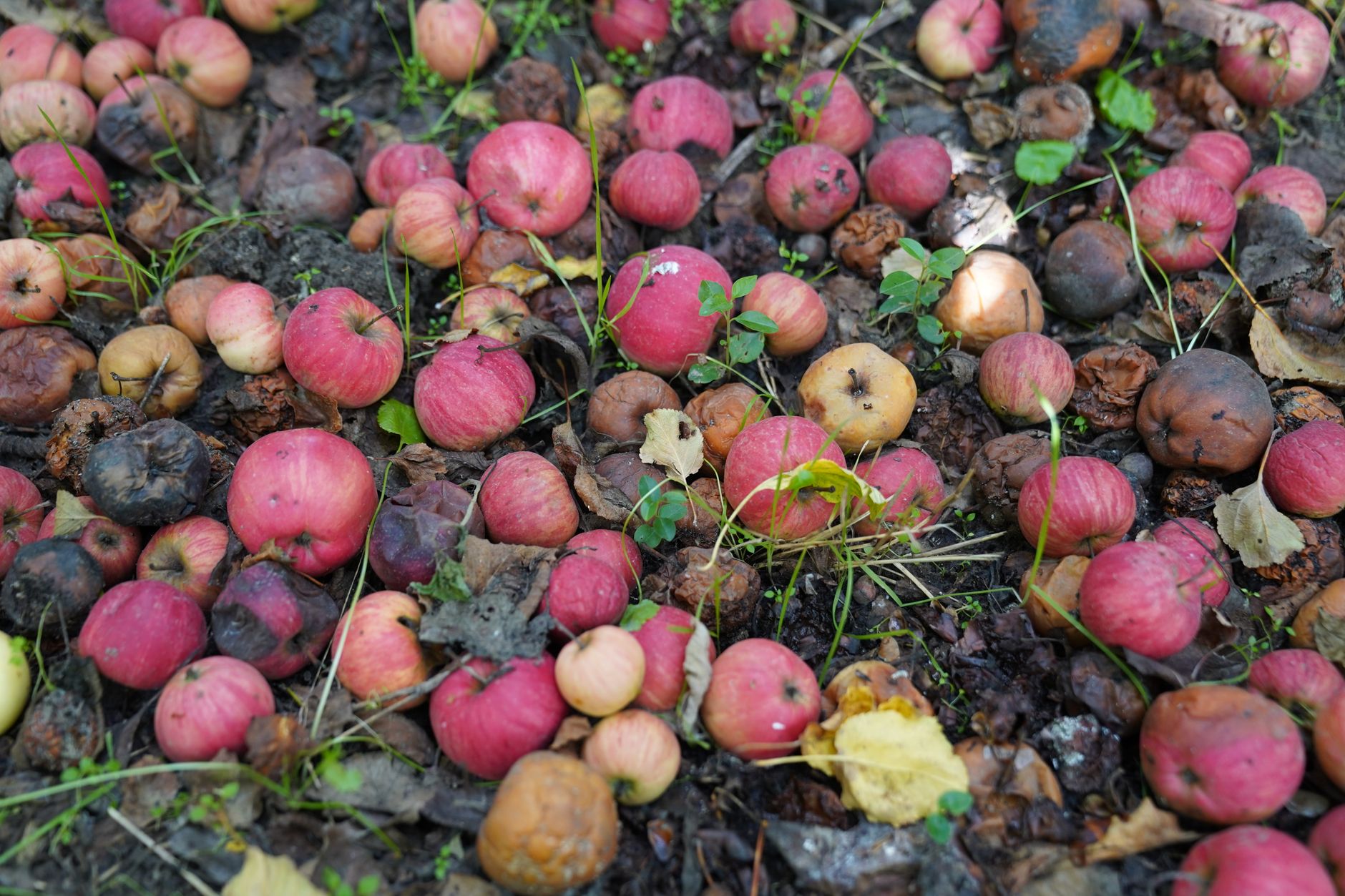
The urban imperative is clear: every banana peel, coffee ground, and vegetable scrap diverted from landfill contributes to a healthier planet and more resilient cities.

Understanding the Basics: The \"Browns\" and \"Greens\" Ratio

Successful composting, regardless of the method, hinges on maintaining a balanced ratio of \"greens\" (nitrogen-rich materials) and \"browns\" (carbon-rich materials). Think of it as the nutritional balance your compost pile needs to thrive.

  • Greens (Nitrogen): These are typically moist, fresh, and often come from your kitchen. They provide the nitrogen necessary for microbial activity, which generates heat and breaks down the materials.
    • Examples: Fruit and vegetable scraps, coffee grounds, tea bags, fresh grass clippings, plant trimmings, food-soiled paper napkins (in moderation).
    • Contribution: Speed up decomposition.
  • Browns (Carbon): These are dry, often woody materials that provide the energy source for microbes and create aeration in the pile, preventing compaction and odors. They are essential for a healthy structure.
    • Examples: Dried leaves, shredded paper (non-glossy), cardboard (torn into small pieces), sawdust (from untreated wood), wood chips, straw.
    • Contribution: Provide structure, prevent odors, balance moisture.

The ideal ratio often cited is 25-30 parts browns to 1 part greens by volume. However, for most urban composting methods, especially indoor ones, a more practical approach is to ensure a good mix. If your compost is too wet and smelly, add more browns. If it's too dry and slow, add more greens and a little moisture. This balance is critical for efficient decomposition and preventing common issues like foul odors and pests.

Choosing Your Urban Composting Method: Space & Lifestyle Match

The beauty of urban composting lies in its adaptability. No matter how small your living space, there's a method that fits. Here are the most popular and effective options for city dwellers:

1. Vermicomposting (Worm Bins)

Ideal for: Apartments, balconies, anyone wanting a quiet, odorless, and highly efficient system indoors.How it works: Red wiggler worms (Eisenia fetida) consume organic waste, digesting it and excreting nutrient-rich castings (worm manure). These worms thrive in a contained environment, typically a multi-tiered plastic bin.

Pros:

  • Extremely space-efficient and can be kept indoors.
  • Produces high-quality compost (worm castings) relatively quickly.
  • Odorless when managed correctly.
  • Handles most fruit and vegetable scraps.

Cons:

  • Cannot process meat, dairy, oily foods, or citrus in large quantities.
  • Requires monitoring of moisture and food levels.
  • Initial investment for worms and bin.

2. Bokashi Composting

Ideal for: Apartments, small spaces, those who want to compost ALL food scraps (including meat, dairy, cooked foods).How it works: Bokashi is a fermentation process, not true decomposition. Food scraps are layered with a special inoculant (bran fermented with beneficial microorganisms) in an airtight bucket. The microorganisms ferment the food, pickling it, and preventing putrefaction. After fermentation, the \"pre-compost\" must be buried in soil or added to a traditional compost pile to break down completely.

Pros:

  • Composts all food waste, including meat, dairy, and oils.
  • Very quick initial processing (10-14 days for fermentation).
  • Odour-free during fermentation (distinctive pickling smell upon opening).
  • Can reduce food waste volume significantly.

Cons:

  • Requires a second step: burial or transfer to a community compost facility.
  • Needs a consistent supply of Bokashi bran.
  • Produces a liquid \"compost tea\" that needs to be drained (can be diluted and used as fertilizer).

3. Countertop Electric Composters

Ideal for: Busy individuals, those averse to traditional methods, tech-savvy urbanites.How it works: These appliances typically shred, heat, and aerate food scraps, significantly reducing their volume and converting them into a dry, sterile, nutrient-rich material in just a few hours. This material isn't true compost but a soil amendment or a valuable starter for traditional composting.

Pros:

  • Extremely fast (3-8 hours per cycle).
  • Reduces food waste volume by up to 90%.
  • Minimal odor, often with carbon filters.
  • Handles a wide variety of food scraps, including small bones.

Cons:

  • High initial cost and electricity consumption.
  • The output is a 'soil amendment,' not fully finished compost, and may need further decomposition for optimal plant use.
  • Limited capacity per cycle.

4. Community Composting & Drop-off Programs

Ideal for: All urban dwellers, especially those without space or desire for a home system.How it works: Many cities, neighborhoods, and farmers' markets offer community composting sites or food scrap drop-off programs. You collect your scraps in a small container at home and periodically drop them off at designated locations.

Pros:

  • Requires no home equipment (apart from a collection bin).
  • Handles all food waste types (check specific program guidelines).
  • Supports local sustainability initiatives.
  • Zero effort in managing decomposition.

Cons:

  • Requires regular trips to a drop-off site.
  • Availability varies by location.
  • No direct access to the finished compost (though some programs offer it back).

Setting Up Your System: Step-by-Step Guides

Vermicomposting (Worm Bin) Setup:

  1. Choose Your Bin: Start with a commercially available worm bin (e.g., Worm Factory 360, Can-O-Worms) or DIY with opaque plastic storage bins (stackable with drainage holes). Aim for at least 1 square foot of surface area per pound of food waste per week your household generates.
  2. Prepare Bedding: Shredded newspaper, cardboard, coco coir, or dried leaves make excellent bedding. Moisten it until it's like a damp sponge. Fill the bottom tray about 6-8 inches deep.
  3. Introduce Worms: Gently place your red wiggler worms on top of the bedding. They will burrow down. Keep the bin in a cool, dark place (13-25°C / 55-77°F) away from direct sunlight.
  4. Start Feeding: After a few days, begin feeding small amounts of fruit/vegetable scraps (no meat, dairy, oils, or large quantities of citrus). Bury the food under the bedding in different spots each time. Start with small portions, about half your worms' weight per week (e.g., 1lb of worms can eat 0.5lb of food/week). As they get established, you can increase feeding.
  5. Monitor: Check moisture (should be damp but not soggy), temperature, and worm health regularly. Add more bedding as needed.

Bokashi Composting Setup:

  1. Acquire a Bokashi Bin: A specialized airtight bucket with a spigot at the bottom to drain \"compost tea\" is ideal. Alternatively, two regular buckets can be nested, with the inner one drilled for drainage.
  2. Collect Scraps: Keep a container for food scraps near your kitchen. When full, add them to the Bokashi bin.
  3. Layer and Press: Add a layer of food scraps (cut into smaller pieces) to the bottom of the bin. Sprinkle a generous amount of Bokashi bran evenly over the scraps (about 1-2 tablespoons per cup of food). Press down firmly to remove air. Repeat layers until the bin is full.
  4. Seal and Ferment: Once full, seal the bin tightly and let it ferment for 10-14 days at room temperature, away from direct sunlight. Drain the \"compost tea\" every 2-3 days.
  5. Bury or Drop-off: After fermentation, the pickled scraps can be buried directly in a garden bed (dig a trench, add Bokashi, cover with soil, wait 2-4 weeks before planting), or dropped off at a community composting facility.

Electric Composter Setup:

  1. Placement: Place the unit on a stable, flat surface in a well-ventilated area, away from walls to allow for heat dissipation.
  2. Plug In and Fill: Plug in the unit. Add your food scraps according to the manufacturer's guidelines. Most can handle a mix of items, but avoid very large bones, extremely fibrous material, or excessive liquids.
  3. Run Cycle: Close the lid and start the composting cycle. The machine will grind, heat, and aerate the contents, typically for 3-8 hours.
  4. Collect Output: Once the cycle is complete, remove the dried, reduced material. Use it as a soil amendment, mix it into potting soil, or add it to a traditional compost pile for further decomposition.

Troubleshooting Common Urban Composting Challenges

Even with the best intentions, urban composting can present a few hurdles. Here's how to address them like a seasoned pro:

  • Odors:
    • Cause: Too much \"greens,\" lack of aeration, anaerobic conditions, or composting inappropriate materials (meat, dairy in worm bins/traditional piles).
    • Solution: For worm bins, add more shredded newspaper or cardboard (browns), gently fluff the bedding, bury food scraps deeper. For Bokashi, ensure the bin is sealed tight, drain liquid regularly, and use enough bran. For electric composters, ensure filters are clean. Avoid overloading any system.
  • Fruit Flies/Pests:
    • Cause: Exposed food scraps, overfeeding, or a bin that's too wet and appealing.
    • Solution: Always bury food scraps deeply under bedding in worm bins. Reduce feeding frequency. Ensure Bokashi bins are sealed. For general control, apple cider vinegar traps can help. Keep your collection bin covered tightly.
  • Slow Decomposition:
    • Cause: Lack of moisture, insufficient greens, too many browns, or incorrect temperature.
    • Solution: Add a little water if too dry. Increase greens. Chop food scraps into smaller pieces for faster breakdown. Ensure your worms are active and the bin temperature is optimal.
  • \"Compost Tea\" Odor (Bokashi):
    • Cause: If the liquid from your Bokashi bin smells putrid, it might indicate insufficient bran or that too much air got into the bin during fermentation.
    • Solution: Ensure you're using enough bran with each layer and pressing down firmly to remove air. Seal the lid tightly. If the liquid is truly foul, discard it and ensure better sealing/bran usage for the next batch.

Harvesting and Using Your \"Black Gold\"

The reward for your efforts is nutrient-rich compost, often referred to as \"black gold.\" Knowing when and how to harvest it is key.

For Vermicomposting:

Worm castings are ready when the bin is mostly dark, earthy-smelling material with very few recognizable food scraps. There are several harvesting methods:

  • Migration Method: In multi-tiered bins, worms will migrate upwards towards fresh food in the top tray, leaving castings in the bottom tray. Once the bottom tray is mostly castings and few worms, remove it.
  • \"Light Migration\" Method: Dump the bin's contents onto a tarp or plastic sheet under a bright light. Worms will burrow away from the light. Scrape off the top layer of castings, wait a few minutes, then scrape again. Repeat until you have a pile of worms at the bottom.
  • Pushing to One Side: Gently push all the material to one side of the bin, add fresh bedding and food to the other side. Worms will move to the new food, allowing you to harvest from the emptied side.

Once harvested, screen the castings to remove any larger, undecomposed bits or stray worms, which can be returned to the bin.

For Bokashi Composting:

As mentioned, Bokashi \"pre-compost\" is fermented, not fully decomposed. Its direct use for plants usually requires a few weeks of further breakdown:

  • Soil Amendment: Dig a trench in a garden bed, mix the Bokashi material with an equal amount of soil, and cover it. Allow 2-4 weeks for it to fully break down before planting.
  • Potting Mix Booster: Mix a small amount (e.g., 1 part Bokashi to 10-20 parts soil) into your potting mix for houseplants or containers. Allow it to mellow for a few weeks before planting.
  • Community Drop-off: If you use a community program, the facility will handle the final breakdown.

For Electric Composters:

The output from an electric composter is a dry, sterile, and significantly reduced version of your food scraps. While not true compost, it's highly beneficial:

  • Soil Amendment: Mix it directly into garden soil or potting mix. It will continue to break down, releasing nutrients.
  • Compost Starter: Add it to a traditional compost pile (if you have access to one) to kickstart the decomposition process.
  • Mulch: A thin layer can be used as a mulch around plants.

Beyond the Bin: Integrating Composting into Urban Living

Integrating composting into your urban lifestyle is more than just managing a bin; it's a step towards a broader embrace of sustainable living. For many, starting with a small worm bin on a balcony or a sleek electric composter on a kitchen counter becomes a gateway to other eco-conscious habits. This transformation isn't anecdotal; a 2022 survey by the National Waste & Recycling Association found that households actively engaged in composting were 30% more likely to also participate in other recycling programs and consciously reduce food waste at the source.

Consider the ripple effect. Your small composting effort might inspire a neighbor, leading to a building-wide initiative. Many urban residential buildings, recognizing the demand, are now implementing communal composting solutions, often partnering with local organic waste collection services. These services provide residents with small, sealable collection bins and handle the larger-scale decomposition, effectively bringing the benefits of composting to every unit without individual management.

Furthermore, the 'black gold' you produce can directly enhance urban biodiversity. Imagine a small balcony teeming with herbs and flowers, nourished by your own compost. This rich, living soil fosters stronger plants, which in turn attract beneficial insects, even in a high-rise setting. The simple act of composting connects you more deeply to the natural cycles of growth and decay, fostering a sense of responsibility and stewardship for the environment, even within the confines of a concrete landscape. It's a tangible way to participate in the circular economy, closing the loop on organic waste and contributing to healthier, greener cities.

Comparison of Urban Composting Methods

To help you decide which method best suits your urban lifestyle, here's a comparative overview:

Feature Vermicomposting Bokashi Composting Electric Composter Community Drop-off
Space Required Small bin (approx. 1-2 sq ft) Small bucket (approx. 0.5-1 sq ft) Countertop appliance Small kitchen collection bin
Suitable for Apartments Excellent (indoors) Excellent (indoors) Excellent (indoors) Excellent (no active composting at home)
Accepted Food Scraps Fruits, veggies, coffee grounds, tea bags (no meat, dairy, oils, citrus in large amounts) All food scraps including meat, dairy, cooked foods, oils Most food scraps, small bones, cooked foods (check manual) Varies by program, often all food scraps
Processing Time Weeks to months (continuous) 10-14 days fermentation + 2-4 weeks burial 3-8 hours per cycle No home processing
Odor Management Minimal to none if managed correctly Airtight bin, faint pickling smell upon opening Minimal, carbon filters None at home
Output Quality/Use Rich worm castings (finished compost) Fermented 'pre-compost' (needs burial/further breakdown) Dry, soil-amendment material Finished compost (if program returns it)
Cost (Initial) Moderate (bin + worms) Low to Moderate (bucket + bran) High (appliance) Low (collection bin)
Maintenance Level Moderate (feeding, moisture, harvesting) Low (adding scraps, draining liquid) Low (filling, emptying) Very Low (collecting, dropping off)

Expert Analysis: The Evolving Urban Composting Landscape

As a senior editorial writer for biMoola.net, I've observed the urban composting movement transition from a niche activity to a mainstream sustainable practice. What was once seen as a messy, odorous chore is now recognized as a critical component of circular economies in densely populated areas. The innovation in composting technology, particularly the advent of sophisticated electric composters and efficient vermicomposting systems, has dramatically lowered the barriers to entry for city dwellers. This technological advancement, coupled with a growing environmental consciousness, has fundamentally reshaped how urban residents view their organic waste.

My genuine insight comes from personal experience; I've managed a vermicomposting system in a small apartment for years, navigating the nuances of balancing greens and browns, dealing with the occasional fruit fly, and ultimately reaping the rewards of nutrient-rich soil for my indoor plants. This hands-on understanding reinforces the fact that successful urban composting isn't about perfection, but persistence and adaptation. The key is finding the method that truly aligns with one's lifestyle, commitment level, and available space. The rise of community composting hubs, often integrated with farmers' markets or public parks, further democratizes access to composting, ensuring that even those without the time or inclination for a home system can participate.

Looking ahead, the future of urban composting is bright. We are seeing a convergence of smart city initiatives, consumer demand, and technological innovation driving forward more accessible and efficient solutions. Municipalities are increasingly investing in city-wide organic waste collection, drawing inspiration from leading cities like San Francisco, which has had mandatory composting since 2009. The growing body of research from institutions like MIT Technology Review on bio-waste valorization further underscores the value of these efforts. Urban composting isn't just about waste diversion; it's about fostering a deeper connection to our food systems, enhancing urban green spaces, and building more resilient, self-sufficient communities. It's a small act with monumental collective impact.

Key Takeaways

  • Choose Your Method Wisely: Select a composting system (vermicomposting, Bokashi, electric, or community drop-off) that best fits your urban space, lifestyle, and commitment level.
  • Balance Greens & Browns: Maintain the correct carbon-to-nitrogen ratio to prevent odors, speed decomposition, and ensure healthy compost.
  • Small Chops, Big Impact: Cut food scraps into smaller pieces; this significantly accelerates the decomposition process for all methods.
  • Troubleshoot Proactively: Address issues like odors or pests immediately by adjusting moisture, aeration, or food types to maintain a healthy system.
  • Utilize Your Black Gold: Harvest and use your finished compost to enrich houseplants, balcony gardens, or community plots, closing the loop on your organic waste.

Frequently Asked Questions

Q: Can I compost meat, dairy, or oily foods in my urban system?

A: It depends on your method. For vermicomposting and traditional outdoor piles, it's generally advised to avoid meat, dairy, and oils as they can attract pests and create foul odors. However, Bokashi composting is specifically designed to ferment all food scraps, including meat and dairy, before they require burial or community drop-off. Electric composters can also often process these items, but always check your specific model's guidelines.

Q: How do I prevent fruit flies and other pests in my indoor composter?

A: Prevention is key. For worm bins, always bury food scraps completely under a fresh layer of bedding. Avoid overfeeding. For Bokashi, ensure the bin is sealed tightly after each addition. Keep your collection container for scraps sealed and empty it frequently. If fruit flies appear, reduce feeding, add more dry browns (like shredded paper), and consider a simple apple cider vinegar trap nearby.

Q: How long does it take to get usable compost?

A: The timeline varies greatly by method. Vermicomposting typically yields usable castings in 2-4 months, depending on bin size and feeding rate. Bokashi ferments in 10-14 days, but the \"pre-compost\" then needs another 2-4 weeks buried in soil to fully break down. Electric composters produce a soil amendment in just 3-8 hours per cycle. Community drop-off programs handle the entire process, so you don't wait at home.

Q: Is urban composting messy or smelly?

A: When managed correctly, urban composting methods are neither messy nor smelly. Odors typically indicate an imbalance (too wet, too many greens, lack of air) or composting inappropriate materials. Proper bin selection, balancing carbon and nitrogen, burying food, and regular maintenance ensure an odor-free experience. Electric composters and well-sealed Bokashi systems are particularly good for odor control.

Sources & Further Reading

Editorial Transparency: This article was produced with AI writing assistance and reviewed by the biMoola editorial team for accuracy, factual integrity, and reader value. We follow Google's helpful content guidelines. Learn about our editorial standards →
B

biMoola Editorial Team

Senior Editorial Staff · biMoola.net

The biMoola editorial team specialises in AI & Productivity, Health Technologies, and Sustainable Living. Our writers hold backgrounds in technology journalism, biomedical research, and environmental science. All published content is fact-checked and reviewed against authoritative sources before publication. Meet the team →

Comments (0)

No comments yet. Be the first to comment!

biMoola Assistant
Hello! I am the biMoola Assistant. I can answer your questions about AI, sustainable living, and health technologies.