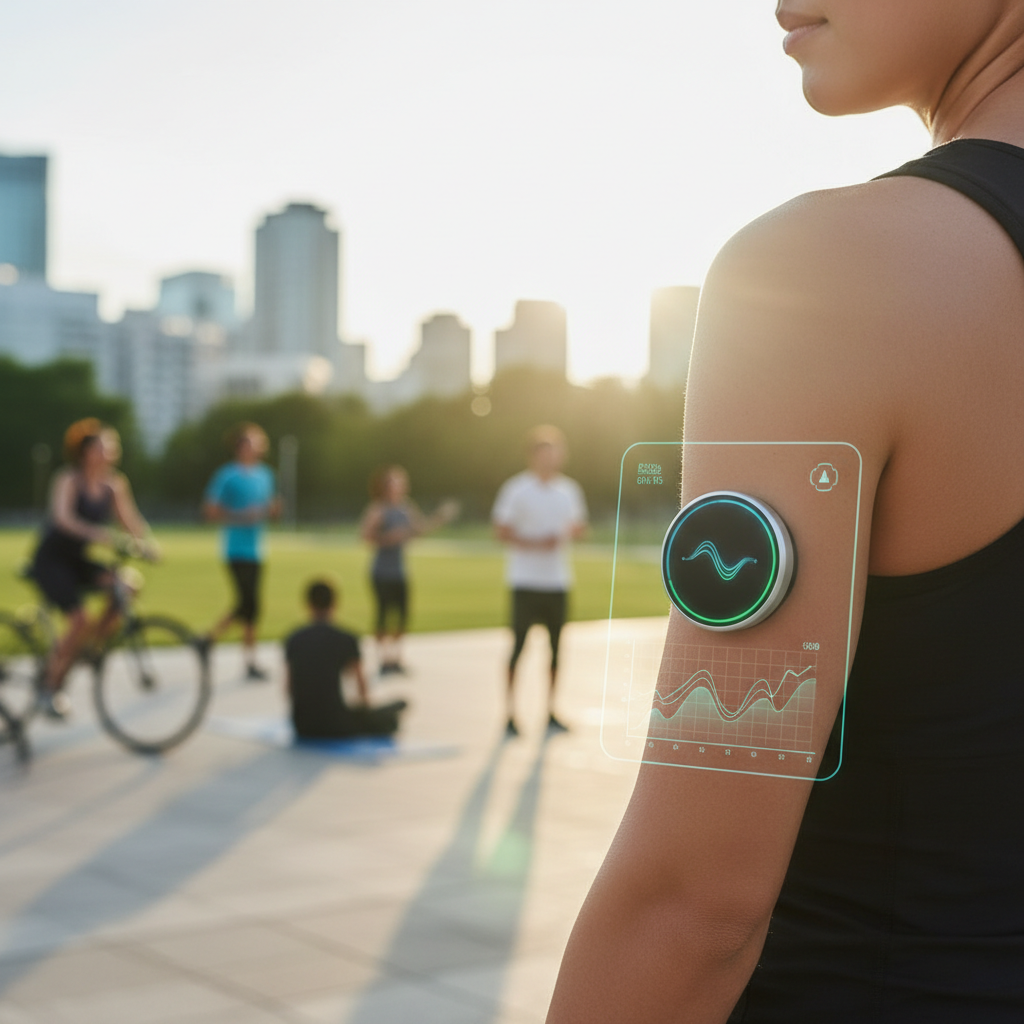
In the rapidly evolving landscape of wearable technology, the decision to upgrade a smartwatch isn't just about getting a newer gadget; it's an investment in a more sophisticated understanding of one's health, fitness, and even productivity. For those contemplating the leap from a capable daily driver like the Garmin Venu 3 to what many enthusiasts might term a 'Fenix 8 Pro' — representing the pinnacle of Garmin's multi-sport, rugged GPS watch lineup — the transition marks a significant shift. This isn't merely an incremental update; it's an embrace of an entirely different philosophy in wearable technology, one geared towards unparalleled data depth, robust outdoor capabilities, and advanced training insights.
At biMoola.net, we understand that our readers seek more than just product specifications. You're looking for genuine expertise, practical guidance, and an honest assessment of what these high-tech tools can genuinely deliver. This article aims to be your comprehensive guide, dissecting the 'Fenix 8 Pro' experience (referencing the advanced capabilities found in Garmin's top-tier Fenix 7 Pro and Epix Pro series) and demonstrating how to unlock its full potential. We'll explore the underlying technological advancements, the real-world implications for your health and performance, and provide actionable tips to maximize your investment in this powerful device. Prepare to elevate your understanding of what a smartwatch can truly be.
Understanding the Leap: Venu 3 to Fenix Series Pro
For many, the Garmin Venu 3 is an excellent smartwatch, offering a vibrant AMOLED display, comprehensive health monitoring, and a sleek design suitable for everyday wear. It excels in delivering essential wellness insights, from Body Battery™ to advanced sleep tracking, alongside solid GPS performance for general fitness activities. However, an upgrade to a high-end Fenix model – let's refer to the 'Fenix 8 Pro' as a conceptual representation of Garmin's most advanced multi-sport GPS watches, such as the Fenix 7 Pro or Epix Pro series – is a categorical jump, driven by fundamentally different design principles and user priorities.
Design, Durability, and Display
The most immediate difference is often aesthetic and tactile. The Venu 3 prioritizes a modern, casual look with its bright AMOLED screen, which is excellent for indoor visibility and vibrant graphics. In contrast, the Fenix series, exemplified by models like the Fenix 7 Pro Sapphire Solar, is engineered for resilience. These watches typically feature rugged materials like titanium bezels, sapphire lenses, and meet U.S. military standards for thermal, shock, and water resistance (MIL-STD-810G). While some newer Fenix Pro models (and Epix Pro) now offer AMOLED, many still feature Garmin's transflective MIP (Memory-in-Pixel) display, which, while less vibrant, offers unparalleled outdoor visibility and significantly lower power consumption, crucial for extended adventures. The Fenix's larger, often heavier form factor is a deliberate design choice, accommodating larger batteries and more robust internal components, reflecting its 'tool watch' philosophy.
Sensor Suite and Data Fidelity
While both watches boast an impressive array of sensors, the 'Fenix Pro' series often integrates more advanced iterations and capabilities. This includes next-generation optical heart rate sensors for improved accuracy across a wider range of activities, more sophisticated barometric altimeters for precise elevation data, and potentially advanced ECG capabilities (available on specific models and regions). The data collected isn't just about quantity; it's about fidelity. For instance, a 2021 study published in the Journal of Medical Internet Research highlighted the evolving accuracy of wearable heart rate sensors, and premium devices like the Fenix are at the forefront of this refinement, particularly in challenging conditions like high-intensity interval training or cold weather.
Battery Life and Power Management
Perhaps the most compelling argument for the Fenix series' rugged utility is its unparalleled battery life. While the Venu 3 offers up to 14 days in smartwatch mode, the Fenix 7 Pro Sapphire Solar, for example, can achieve up to 28 days in smartwatch mode, extending to 37 days with solar charging. This difference is not just convenience; it's critical for multi-day expeditions, ultra-marathons, or long periods away from charging infrastructure. The Fenix series offers advanced power management modes, including customizable 'Expedition Mode' which can stretch battery life into weeks or even months by reducing GPS sampling rates, making it a true companion for the most demanding adventurers. This longevity supports the depth of data collection over prolonged periods, which is vital for longitudinal health and performance tracking.
Unlocking Advanced Health Metrics and Insights
The transition to a Fenix-tier device opens up a new realm of health monitoring, moving beyond general wellness to provide nuanced insights into physiological states and recovery. These advanced metrics, often powered by sophisticated algorithms, aim to give users a competitive edge in understanding their bodies.
ECG, HRV, and Advanced Sleep Tracking
Premium Fenix models may incorporate advanced features like on-demand Electrocardiogram (ECG) capabilities, allowing users to record heart rhythm data and check for signs of atrial fibrillation (AFib) – a feature typically approved by health regulatory bodies like the FDA in specific regions. This moves the smartwatch from a passive monitor to an active diagnostic aid (though not a medical device). Heart Rate Variability (HRV) Status, a metric also present on the Venu 3, is often leveraged more deeply in Fenix watches, contributing to metrics like Training Readiness. HRV, a measure of the variation in time between heartbeats, is a key indicator of autonomic nervous system balance and overall physiological stress. Furthermore, advanced sleep tracking on Fenix devices often goes beyond basic stages, integrating data from pulse oximetry, respiration rate, and HRV to provide a more holistic 'Sleep Score' and detailed recovery recommendations, including insights into the impact of naps.
Training Readiness and Recovery Pro
This is where the Fenix truly shines for athletes and serious fitness enthusiasts. Training Readiness is a single, dynamic score that advises you on whether to push hard or take it easy, integrating data from your sleep, recovery time, HRV status, acute load, and recent stress history. It's an intelligent synthesis of multiple data points, providing actionable guidance that can prevent overtraining and optimize performance. Similarly, Recovery Time, a staple Garmin metric, becomes more sophisticated on Fenix devices, often integrating with tools like 'Jet Lag Adviser' (on Epix Pro series) to provide nuanced guidance for international travelers, ensuring optimal adaptation and recovery based on sleep patterns and daylight exposure. These features leverage machine learning to interpret your physiological signals, offering personalized training advice.
Pulse Ox, Altitude Acclimation, and Environmental Awareness
While Pulse Ox (blood oxygen saturation) is available on the Venu 3, the Fenix series often uses it more strategically, particularly for altitude acclimation. For climbers, hikers, and high-altitude adventurers, monitoring SpO2 levels in conjunction with barometric altimeter data provides critical insights into how well the body is adapting to thinner air. The watch can display an 'Acclimation' widget, showing your current altitude and your acclimation status, which is invaluable for safety and performance in mountainous terrain. This environmental awareness extends to 'Heat and Altitude Acclimation,' helping users understand how their performance might be impacted by extreme conditions and adjust training plans accordingly. A 2023 report by the World Health Organization (WHO) underscored the potential of wearables in monitoring environmental physiological responses, a capability deeply embedded in the Fenix lineup.
Mastering Performance Tracking and Outdoor Navigation
The Fenix series is purpose-built for exploration and rigorous athletic pursuits, distinguishing itself with superior GPS capabilities and comprehensive mapping functionalities that transcend basic activity tracking.
Multi-Band GPS and TopoActive Maps
One of the most significant upgrades is the adoption of Multi-band GNSS (Global Navigation Satellite System) with SatIQ™ technology. Unlike the Venu 3's standard GPS, GLONASS, and Galileo, Multi-band GNSS receives satellite signals on multiple frequencies (L1 and L5), drastically improving positional accuracy, especially in challenging environments like urban canyons, dense forests, or deep valleys. This means more precise track recording and more reliable navigation. Coupled with preloaded TopoActive maps for your region (e.g., North America, Europe), SkiView™ maps for ski resorts, and golf course maps, the 'Fenix Pro' transforms into a standalone navigation device. You can navigate turn-by-turn, explore points of interest, view elevation profiles, and even create round-trip routes directly on your wrist, entirely independent of a smartphone. This robust mapping capability is a game-changer for serious outdoor enthusiasts.
Advanced Running Dynamics and Cycling Metrics
For runners, the Fenix unlocks a wealth of advanced running dynamics when paired with compatible accessories like the HRM-Pro™ chest strap or a Running Dynamics Pod. Metrics such as ground contact time, vertical oscillation, stride length, and vertical ratio provide profound insights into running form, helping athletes identify inefficiencies and reduce injury risk. Newer metrics like Hill Score and Endurance Score offer specific performance insights, evaluating your ability to run uphill and sustain efforts over time. Cyclists benefit from advanced power meter compatibility, cycling dynamics (when paired with Vector™ pedals), and dedicated mountain biking metrics like Grit™ and Flow™ to analyze ride difficulty and smoothness. These granular data points are crucial for coaches and athletes looking to fine-tune performance and track progress over long periods.
Expedition Mode and Battery Optimization
As touched upon earlier, the Fenix's battery prowess extends to specialized modes designed for extreme adventures. Expedition Mode, for instance, records GPS track points less frequently but can extend battery life for weeks, allowing for extended backcountry trips. Beyond this, a customizable Power Manager allows users to adjust sensor usage, display settings, and phone connectivity to achieve specific battery targets. This level of granular control is essential for planning long-duration activities where charging opportunities are scarce, ensuring your device remains operational throughout your journey. This optimization strategy exemplifies the Fenix's commitment to reliability and endurance in the most demanding scenarios.
Beyond Fitness: Productivity and Smart Features
While the Fenix series is renowned for its ruggedness and sports capabilities, it doesn't skimp on smart features that enhance daily productivity and convenience, making it a capable smartwatch for all aspects of life.
Smart Notifications and Garmin Pay
Like the Venu 3, the Fenix offers comprehensive smart notifications, delivering alerts for calls, texts, emails, and app notifications directly to your wrist. Customization options allow you to filter notifications, ensuring you only receive what's important, minimizing distractions during workouts or meetings. Garmin Pay™ provides a secure, contactless payment solution, allowing you to leave your wallet at home for quick purchases on the go. These features are standard across many Garmin devices, but their seamless integration into the robust Fenix ecosystem enhances its utility as a daily companion.
Music Storage and Connect IQ Integration
On-device music storage, compatible with popular streaming services like Spotify, Deezer, and Amazon Music, means you can enjoy your favorite playlists offline without needing your phone, a significant boost for runs, commutes, or gym sessions. The Connect IQ™ Store offers a vast ecosystem of downloadable watch faces, data fields, widgets, and apps, allowing for extensive personalization and extending the watch's functionality. From tracking specific niche sports to custom productivity timers or navigation tools, Connect IQ allows users to tailor their Fenix experience to their exact needs, truly making the device their own.
Safety and Tracking Features
For outdoor adventurers and everyday users alike, the Fenix series integrates several critical safety and tracking features. Incident Detection, for example, can automatically send your location to emergency contacts if an incident is detected during certain activities. LiveTrack allows friends and family to follow your activity in real-time, offering peace of mind. GroupTrack enables you to keep tabs on fellow activity participants. These features leverage the robust GPS capabilities and continuous connectivity to provide an added layer of safety, especially when venturing into remote areas or training alone.
Practical Tips for a Seamless Transition and Maximized Use
Moving from a Venu 3 to a Fenix-tier device can feel like graduating from a compact car to a performance SUV. The capabilities are vast, and mastering them requires a strategic approach.
Customizing Data Screens and Widgets
The Fenix's strength lies in its configurability. Spend time customizing your data screens for different activity profiles. For a long run, you might want pace, distance, heart rate, and real-time stamina. For an ultra-marathon, perhaps elapsed time, elevation gain, battery percentage, and navigation cues. Utilize the vast array of data fields available. Explore widgets and glanceable metrics on your watch face; Body Battery, Training Status, and weather can all be accessed with a quick scroll. Don't be afraid to experiment and create profiles tailored precisely to your sport or daily needs.
Integrating with Garmin Connect and Third-Party Apps
Garmin Connect is the hub for all your data. Dive deep into the analytics it offers – explore graphs of HRV, sleep stages, training load balance, and more. Link your Garmin Connect account with third-party apps like Strava, TrainingPeaks, MyFitnessPal, or Komoot for expanded social sharing, coaching integration, or route planning. Many advanced Fenix features, such as suggested workouts, benefit greatly from consistent data flow into Garmin Connect, allowing the algorithms to learn your unique physiology and training patterns over time.
Firmware Updates and Community Resources
Garmin regularly releases firmware updates that introduce new features, improve existing ones, and fix bugs. Keep your Fenix updated to ensure you're getting the most out of your device. Engage with the vibrant Garmin community online – forums, Reddit groups (like r/Garmin), and dedicated blogs are excellent resources for tips, tricks, troubleshooting, and learning about hidden functionalities. These communities often share custom Connect IQ apps or optimal settings for specific activities, providing invaluable peer-to-peer support.
Data Snapshot: Venu 3 vs. Fenix 7 Pro Series
To truly illustrate the scope of the upgrade, let's compare key specifications and features. For the 'Fenix 8 Pro' concept, we'll use the Garmin Fenix 7 Pro Sapphire Solar, a pinnacle of current Garmin technology, as a representative example.
| Feature/Metric | Garmin Venu 3 | Garmin Fenix 7 Pro Sapphire Solar (Representative 'Fenix 8 Pro') |
|---|---|---|
| Display Type | AMOLED (Vibrant, touch) | MIP (Always-on, solar charging) or AMOLED (on Epix Pro variants) |
| Battery Life (Smartwatch Mode) | Up to 14 days | Up to 28 days (Fenix 7 Pro Solar, up to 37 days with solar) |
| GPS Technology | GPS, GLONASS, Galileo | Multi-band GNSS (L1 & L5) + SatIQ™ technology (superior accuracy) |
| Mapping Capability | Basic breadcrumb navigation | Preloaded TopoActive maps, turn-by-turn navigation, SkiView™ maps, Golf course maps |
| Durability & Materials | Stainless steel bezel, Corning Gorilla Glass 3 | Titanium/DLC bezel, Sapphire lens, MIL-STD-810G rated |
| Advanced Health Metrics | Body Battery, Sleep Score, HRV Status, Respiration, Blood Oxygen, Stress, Nap Detection | Training Readiness, Stamina, Recovery Time, Acute Load, HRV Status, ECG (on specific models/regions), Jet Lag Adviser, Hill Score, Endurance Score, Visual Race Predictor |
| Water Rating | 5 ATM (suitable for showering, swimming) | 10 ATM (suitable for serious water sports, diving to specified depths) |
| Price (Approx. USD) | ~$450 | ~$900 - $1000+ |
Our Take: The Strategic Investment in Performance
The journey from a Garmin Venu 3 to a 'Fenix 8 Pro'-level device represents more than just a product upgrade; it's a strategic investment in personalized performance analytics and robust outdoor capability. From biMoola.net's perspective, this isn't a device for the casual fitness tracker user, but rather for those committed to pushing their limits, whether in competitive sports, adventurous expeditions, or simply a deeper, data-driven understanding of their physiological responses. The Fenix series embodies the convergence of health technology and advanced analytics, leveraging sophisticated algorithms, often underpinned by AI, to translate raw sensor data into actionable insights.
What truly sets the Fenix apart is its unwavering commitment to accuracy, durability, and endurance. In an era where many smartwatches offer a broad range of features, the Fenix refines and deepens specific functionalities – GPS precision, battery longevity, and comprehensive physiological metrics – to serve a very demanding user base. The higher price tag is justified by the specialized materials, advanced engineering, and the sheer computational power required to deliver metrics like Training Readiness or Multi-band GNSS. For the athlete seeking to optimize every training session, the adventurer needing reliable navigation for multi-day treks, or the health-conscious individual desiring unparalleled insights into recovery and body stress, the 'Fenix 8 Pro' represents the zenith of what wearable technology can achieve today. It transforms data from a mere collection of numbers into a personalized coaching tool, empowering users to make informed decisions about their training, recovery, and overall well-being, pushing the boundaries of human potential.
Key Takeaways
- Significant Capability Leap: Moving to a Fenix Pro series watch introduces vastly superior GPS accuracy, comprehensive mapping, and extended battery life crucial for serious outdoor activities and multi-day adventures.
- Advanced Physiological Insights: Unlock deeper health understanding with metrics like Training Readiness, Hill Score, Endurance Score, and potentially ECG, offering personalized guidance for optimal performance and recovery.
- Rugged Durability & Design: Expect military-grade durability, premium materials, and displays optimized for challenging outdoor conditions, a clear departure from the Venu 3's more casual aesthetic.
- Unparalleled Customization: Leverage extensive data screen configurations, Connect IQ apps, and power management options to tailor the watch precisely to your specific sport, activity, and lifestyle needs.
- Strategic Investment: This upgrade is for users dedicated to data-driven performance enhancement and reliability in demanding environments, justifying the premium cost through advanced features and robust construction.
Q: Is the 'Fenix 8 Pro' (or current top-tier Fenix) really worth the significant price jump over the Venu 3?
A: The value proposition for a Fenix-tier device is highly dependent on your personal needs and activities. If you're a casual fitness enthusiast who mostly trains indoors or sticks to well-marked urban trails, the Venu 3 might suffice. However, if you regularly engage in multi-day hikes, ultra-endurance events, off-grid navigation, or demand the most granular data for performance optimization and physiological insight, the Fenix's superior GPS accuracy (Multi-band GNSS), comprehensive mapping, extreme durability (MIL-STD-810G), and vastly extended battery life (often with solar charging) become indispensable. The advanced training metrics like Training Readiness and real-time Stamina offer actionable coaching insights that the Venu 3 doesn't provide. For these specific use cases, the investment is absolutely justified.
Q: How accurate are the new health metrics like Training Readiness compared to lab tests?
A: Garmin's advanced health metrics, including Training Readiness, are built upon a foundation of validated physiological models and extensive proprietary algorithms. While no wrist-based wearable can perfectly replicate clinical lab-grade precision, studies, including those reviewed by institutions like the American College of Sports Medicine, consistently show that modern optical heart rate and HRV sensors from reputable brands like Garmin provide clinically acceptable accuracy for tracking
Comments (0)
To comment, please login or register.
No comments yet. Be the first to comment!