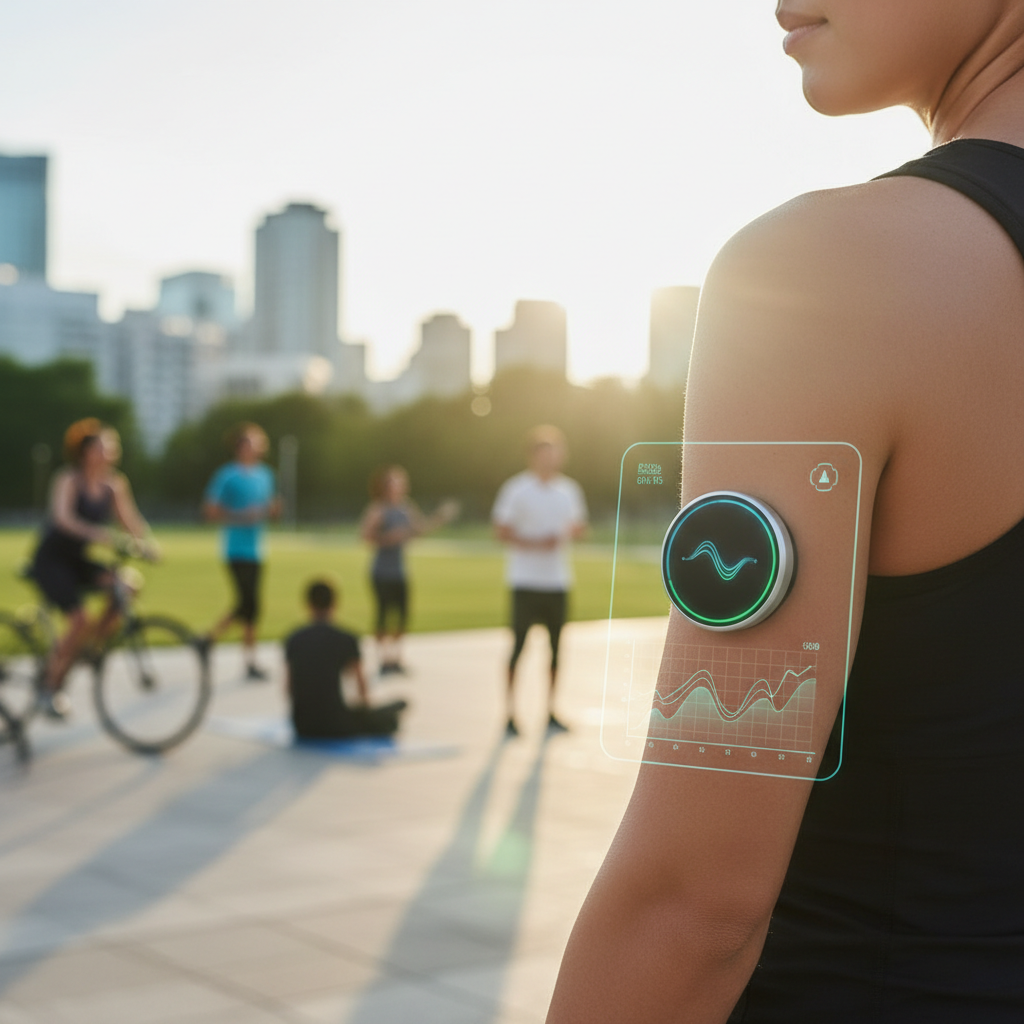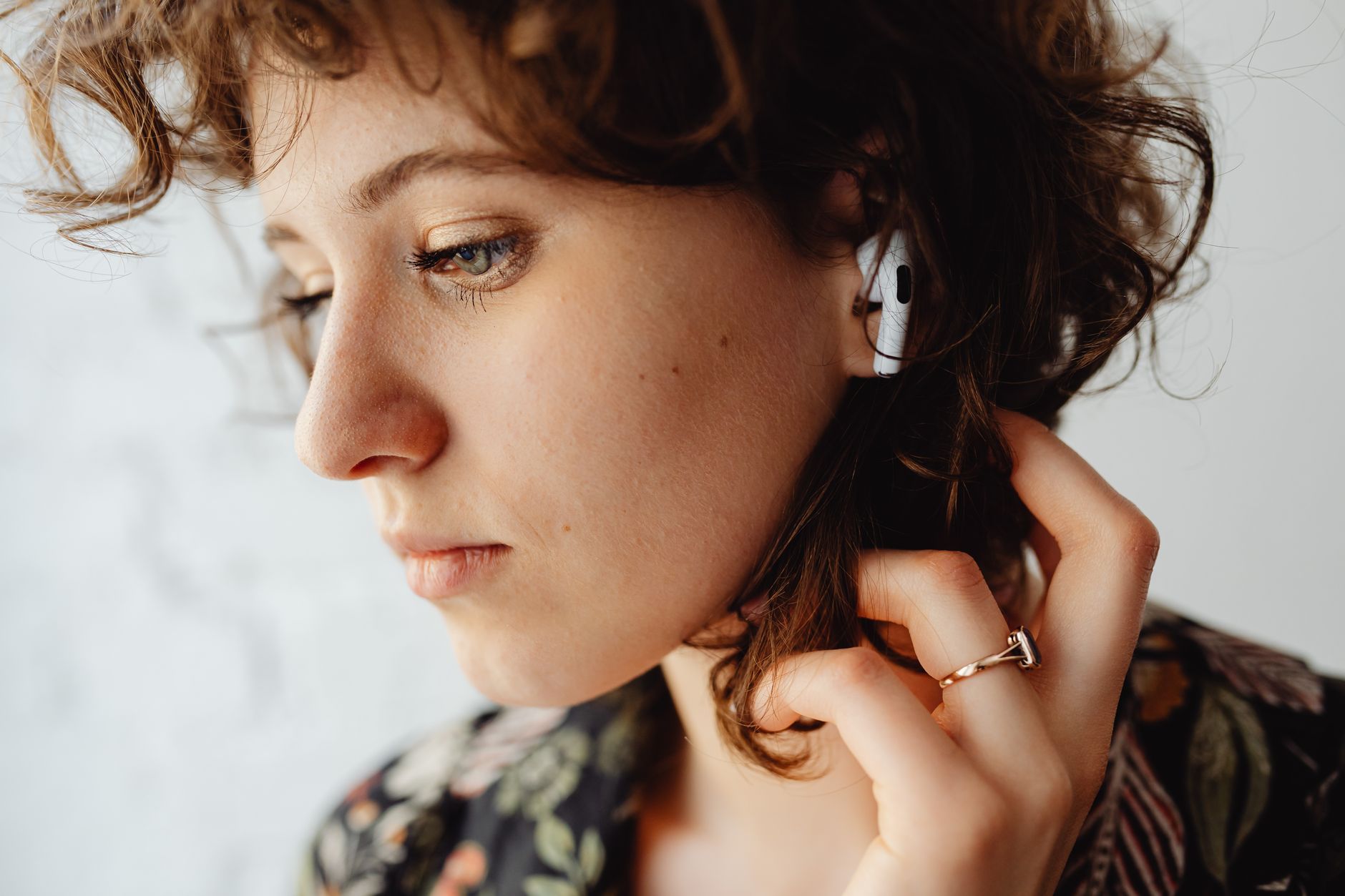
In the rapidly evolving landscape of personal health technology, innovation often takes unexpected forms. While smartwatches and fitness trackers have dominated the wearable market for the better part of a decade, a new contender is emerging from an unlikely, yet scientifically compelling, location: the ear. The recent announcement of the Lumia 2 smart earring marks a significant stride in this direction, promising advanced health monitoring capabilities like blood flow and sleep tracking from a discreet, aesthetically integrated device. At biMoola.net, we've been closely following the trajectory of 'invisible' health tech, and the Lumia 2 presents a fascinating case study.
This article delves deep into the implications of the Lumia 2, dissecting its core technologies, evaluating its potential impact on the health and productivity sectors, and offering our expert analysis on whether ear-based wearables are truly the future of personalized health monitoring. You'll learn about the scientific advantages of the ear for biometric data collection, understand the challenges and opportunities for this burgeoning product category, and gain practical insights into what such devices mean for your daily life and well-being.
The Rise of Unconventional Wearables: Beyond the Wrist
For years, the wrist has been the undisputed capital of wearable technology. From early digital watches to sophisticated smartwatches, this location offered convenience and a relatively stable platform for sensors. However, the wrist isn't always the optimal site for every type of biometric data. Issues like movement artifacts, skin tone variations, and the challenge of continuous, unobtrusive monitoring have pushed innovators to explore alternative anatomical locations.
Enter the 'unconventional' wearable: smart rings, smart patches, smart garments, and now, smart earrings. This diversification is driven by a quest for greater accuracy, improved user comfort, and seamless integration into daily life. A 2023 report by Grand View Research estimated the global wearable technology market size at over $61 billion in 2022, projected to grow at a CAGR of 17.4% from 2023 to 2030, with significant growth attributed to health and fitness applications. This expansion isn't just about more devices; it's about smarter, more specialized devices designed for specific physiological insights.
The ear, in particular, has emerged as a dark horse in this race. It's a relatively stable, less exposed body part, rich in blood vessels, and close to the brain. These physiological characteristics make it an ideal, though technically challenging, location for advanced biometric sensing.
Lumia 2: Dissecting the Innovation
The Lumia 2 smart earring builds on the concept of 'hearables' — devices primarily focused on audio but increasingly incorporating health monitoring. While previous hearables focused on heart rate via photoplethysmography (PPG) sensors in earbuds, the Lumia 2 appears to elevate this to a true 'earring' form factor, pushing the boundaries of miniaturization and aesthetic integration.
Key Features and Technical Specifications
- Blood Flow Tracking: This is a cornerstone feature. Unlike simple heart rate, blood flow tracking can offer more granular insights into cardiovascular health. It likely leverages advanced PPG sensors, possibly enhanced with micro-Doppler radar or impedance plethysmography, to detect subtle changes in blood volume in the earlobe's capillaries.
- Advanced Sleep Monitoring: Beyond basic sleep/wake detection, an ear-based device can potentially offer more accurate insights into sleep stages (REM, light, deep). The ear's proximity to the brain, combined with continuous blood flow data, could provide a richer dataset for sleep architecture analysis. This could involve tracking changes in blood flow associated with different physiological states during sleep, or even integrating electrodermal activity sensors.
- Miniaturization and Design: The 'earring' form factor is perhaps the most audacious aspect. Achieving sophisticated sensor integration, a durable power source, and connectivity modules (like Bluetooth LE) within such a tiny, lightweight, and aesthetically pleasing package is a significant engineering feat. The design philosophy is clearly aimed at discretion and continuous wear, contrasting with bulkier wrist-worn devices.
- Potential for Future Expansion: While not explicitly stated, the platform could theoretically expand to include body temperature, oxygen saturation (SpO2), and even rudimentary electroencephalography (EEG) signals given the ear's neurological proximity.
Design Philosophy and User Experience
The core design challenge for any ear-based wearable is balancing functionality with comfort and aesthetics. Smart earrings must be lightweight, secure, and visually appealing enough to be worn for extended periods — even during sleep. The Lumia 2's success will largely hinge on its ability to transcend being merely a gadget and become an integral, almost invisible, part of a user's personal style and daily routine. This necessitates robust materials, hypoallergenic components, and a charging solution that doesn't disrupt continuous wear.
The Science of Ear-Based Biometrics: Why the Ear?
The ear, often overlooked in the wearable tech narrative, is an anatomically advantageous site for various biometric measurements. Its unique physiology offers several benefits:
- Rich Vascularization: The earlobe, in particular, is highly vascularized, meaning it has a dense network of blood vessels close to the skin surface. This makes it an excellent site for photoplethysmography (PPG), the optical technique used by most wearables to measure heart rate and blood flow. Unlike the wrist, which can suffer from movement artifacts, the earlobe generally provides a more stable and consistent signal.
- Thermal Stability: The ear canal and outer ear maintain a relatively stable temperature, which can improve the consistency and accuracy of temperature sensors. This stability also benefits other optical sensors by reducing environmental interference.
- Proximity to the Brain: For metrics related to brain activity (like potential future EEG integration for sleep stage analysis or stress monitoring), the ear's proximity offers a distinct advantage over distal body parts. This can yield cleaner signals for neurological data.
- Reduced Movement Artifacts: Compared to the wrist or fingers, the ear experiences less extraneous movement during daily activities and especially during sleep. This stability is critical for capturing high-fidelity, continuous data without noise interference.
- Discretion and Comfort: While subjective, many users find ear-worn devices less intrusive than wristbands or chest straps. They can be integrated into existing jewelry or audio devices, offering a more natural fit for continuous wear.
Research published in journals like Nature Digital Medicine has consistently highlighted the potential of ear-based sensors for accurate vital sign monitoring, often outperforming wrist-worn devices in certain contexts, particularly for continuous, long-term tracking.
Market Implications and Competitive Landscape
The introduction of the Lumia 2 could significantly disrupt segments of the wearable health market. Its primary competitors aren't just other smart earrings, but also established players in smartwatches, smart rings (like Oura), and even medical-grade sleep trackers.
Wearable Health Device Form Factors: A Comparative Overview
| Form Factor | Pros | Cons | Typical Metrics |
|---|---|---|---|
| Smartwatches | Multi-functional (comm., notifications, health), large display, established ecosystem. | Bulky, visible, potential wrist-based sensor inaccuracies, charging frequency. | HR, SpO2, ECG, Activity, Sleep (basic). |
| Smart Rings | Discreet, comfortable for sleep, good for finger-based PPG accuracy. | Limited display/interface, potential aesthetic issues for some, finger swelling. | HR, HRV, Temp, Activity, Sleep (advanced). |
| Smart Earrings (e.g., Lumia 2) | Highly discreet, excellent ear-based PPG accuracy, stable location for sleep/movement. | Very limited display/interface, battery life challenges, social acceptance, loss risk. | Blood Flow, Advanced Sleep, (potential: HR, Temp, SpO2, brain activity). |
| Smart Patches/Garments | Extremely discreet, can monitor large body areas, medical-grade potential. | Disposable/wash cycle, skin irritation, less consumer-friendly for everyday. | ECG, Temp, Respiratory Rate, Posture. |
Lumia 2's niche lies in its unique blend of discretion, continuous wearability, and potentially superior data accuracy from the ear. If it can deliver on its promises for blood flow and advanced sleep tracking, it could appeal to users seeking more insightful, less intrusive health monitoring, especially those who find smartwatches cumbersome or rings too limiting.
Challenges and Ethical Considerations
As with any novel technology, the Lumia 2 faces significant hurdles and raises important ethical questions.
Technical and Usability Challenges
- Battery Life: Miniaturization often comes at the cost of battery capacity. Continuous biometric tracking, especially with advanced sensors, is power-intensive. Achieving multi-day battery life in an earring form factor without making it too heavy or large will be critical.
- Data Accuracy and Validation: While the ear is a promising site, the actual performance of Lumia 2's sensors in real-world, varied conditions needs rigorous independent validation. Claims of 'blood flow' tracking must be clearly defined and validated against medical-grade equipment.
- Connectivity and Ecosystem Integration: How seamlessly will Lumia 2 integrate with existing health apps, smart home systems, or even electronic health records? A fragmented data experience can quickly deter users.
- Durability and Water Resistance: Earrings are exposed to daily wear and tear, sweat, and possibly water. Durability and appropriate IP ratings will be crucial.
- User Adoption and Aesthetics: While some will embrace the aesthetic, others may be hesitant about a 'smart' piece of jewelry. Comfort, fit, and choice of styles will impact widespread adoption.
Data Privacy and Security
Perhaps the most pressing ethical concern revolves around data privacy. Health data is inherently sensitive. A device continuously tracking blood flow and sleep patterns generates a wealth of personal information. Questions arise:
- Who owns this data?
- How is it stored, encrypted, and protected from breaches?
- Is it shared with third parties (e.g., for research, advertising, or insurance)?
- What are the implications if this highly intimate data falls into the wrong hands?
Companies like Lumia must adhere to stringent data protection regulations (like GDPR or HIPAA) and be transparent with users about their data policies. Building trust through robust security measures and clear privacy policies will be paramount for widespread acceptance.
Key Takeaways
- The Lumia 2 smart earring represents a significant advancement in the burgeoning field of unconventional wearables, moving health monitoring beyond traditional wrist-worn devices.
- Its primary features, blood flow and advanced sleep tracking, leverage the ear's physiological advantages for potentially more accurate and consistent biometric data collection.
- The success of Lumia 2 hinges on overcoming technical challenges like battery life and miniaturization, alongside securing widespread user adoption and validating its health claims.
- Data privacy, security, and ethical considerations surrounding continuous, intimate health monitoring are critical issues that must be addressed transparently by manufacturers.
- Ear-based wearables signify a broader trend towards 'invisible' health tech, seamlessly integrating into daily life for continuous, unobtrusive personal health insights.
Expert Analysis: Our Take on Lumia 2's Potential
At biMoola.net, we view the Lumia 2 not just as another gadget, but as a bellwether for the future of personalized health monitoring. The shift from bulky, obvious devices to discreet, integrated wearables is a powerful one, aligning perfectly with the desire for seamless technology that enhances, rather than intrudes upon, our lives. The ear, as a biometric hub, has enormous untapped potential, and Lumia 2 is bravely stepping into this frontier.
Its focus on blood flow and advanced sleep tracking is particularly astute. These are metrics that, when accurately and continuously monitored, can offer profoundly actionable insights into cardiovascular health, stress levels, and cognitive performance. For individuals focused on productivity, optimizing sleep is a non-negotiable, and if Lumia 2 can offer a significantly clearer picture of sleep architecture than current wrist-based trackers, it could be a game-changer.
However, the path to mainstream adoption will be fraught with challenges. The 'earring' form factor, while innovative, is also a double-edged sword. While it offers discretion, it might limit the market to those comfortable with wearing earrings continuously, and the inherent difficulty of integrating substantial battery life and processing power into such a small form factor cannot be overstated. Moreover, the need for robust scientific validation and transparent data handling cannot be stressed enough. In an era where 'wellness tech' often overpromises and under-delivers, Lumia must earn trust through verifiable accuracy and user-centric data governance.
Ultimately, the Lumia 2 represents a compelling vision for the future: health technology that is always on, always monitoring, yet almost invisible. If it can prove its efficacy, secure user trust, and scale production with appealing designs, it could indeed redefine how we interact with our health data, pushing us closer to truly proactive and personalized well-being.
Q: How does an ear-based device measure blood flow and sleep more accurately than a smartwatch?
The ear, particularly the earlobe, is rich in capillaries and relatively stable compared to the wrist, which experiences more movement artifacts. This makes it an excellent site for photoplethysmography (PPG) sensors to get a clean, consistent signal for blood flow (heart rate variability, pulse wave velocity). For sleep tracking, the ear's proximity to the brain allows for potentially more nuanced data collection related to physiological changes during sleep stages, and its stability during rest reduces noise in sensor readings, leading to more accurate sleep architecture analysis. Harvard Health Publishing has often highlighted the importance of consistent data for accurate sleep insights.
Q: What are the biggest concerns about wearing a smart earring continuously, especially regarding battery life?
Continuous wear of a smart earring raises several practical concerns. Battery life is paramount; miniaturization makes it challenging to house a large battery, and constant biometric tracking is power-intensive. Users will need a convenient, perhaps wireless, charging solution that doesn't significantly disrupt continuous wear. Other concerns include comfort for extended periods (especially during sleep), durability against daily elements (sweat, water, accidental bumps), and potential skin irritation from prolonged contact. Manufacturers must prioritize lightweight design, hypoallergenic materials, and robust power management.
Q: How can I be sure my personal health data from the Lumia 2 (or any smart wearable) is private and secure?
Ensuring privacy and security for personal health data from any wearable is critical. Users should always review the device manufacturer's privacy policy and terms of service carefully. Look for companies that explicitly state compliance with data protection regulations like GDPR (Europe) or HIPAA (US). Data should be encrypted both in transit and at rest. Opt for devices that offer strong user controls over data sharing, allowing you to choose what information is collected and with whom it's shared. Be wary of devices that don't offer clear explanations or seem to share data broadly without explicit consent. Authoritative sources like the MIT Technology Review frequently publish articles on wearable data privacy, emphasizing the need for robust safeguards.
Q: Can a smart earring like Lumia 2 replace medical diagnostic equipment?
Absolutely not. It's crucial to understand that consumer wearables, including advanced devices like the Lumia 2, are designed for health tracking and wellness insights, not for medical diagnosis or treatment. While they can provide valuable data that might flag potential issues, they are not regulated as medical devices and their accuracy, while often good for trending, may not meet clinical standards. The World Health Organization (WHO) consistently emphasizes the role of qualified healthcare professionals for diagnosis and treatment of medical conditions. Always consult a doctor or healthcare provider for any health concerns or before making any medical decisions.
Sources & Further Reading
- Grand View Research: Wearable Technology Market Size, Share & Trends Analysis Report
- Nature Digital Medicine: Wearable sensors for continuous physiological monitoring in remote settings
- Harvard Health Publishing: Sleep and health articles (General reference for sleep health importance)
- MIT Technology Review: Articles on data privacy and wearable technology (General reference for tech ethics)
- World Health Organization (WHO): Guidelines on digital health and self-care interventions (General reference for medical device vs. wellness tech distinction)
Disclaimer: This article is for informational purposes only and does not constitute medical advice. Always consult a qualified healthcare professional for diagnosis, treatment, or any medical concerns. Never disregard professional medical advice or delay seeking it because of something you have read here.
Comments (0)
To comment, please login or register.
No comments yet. Be the first to comment!