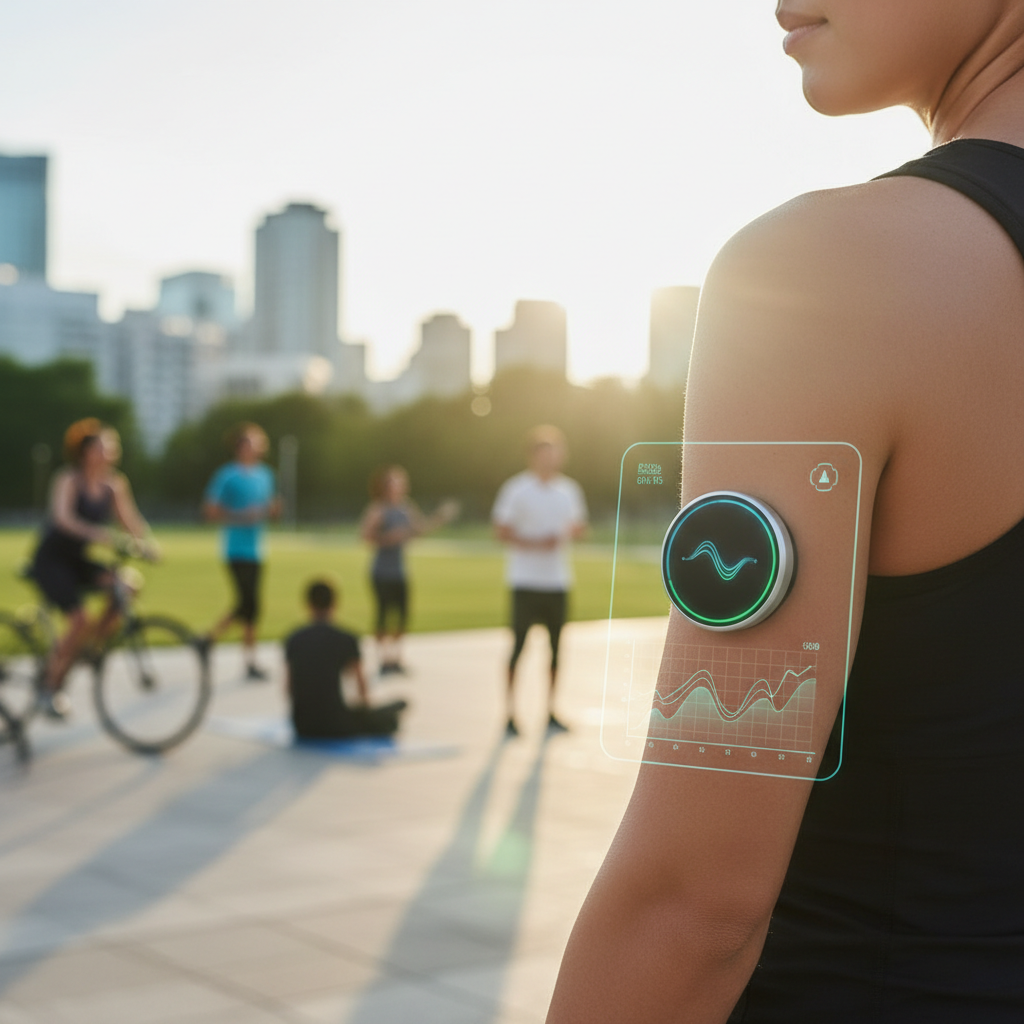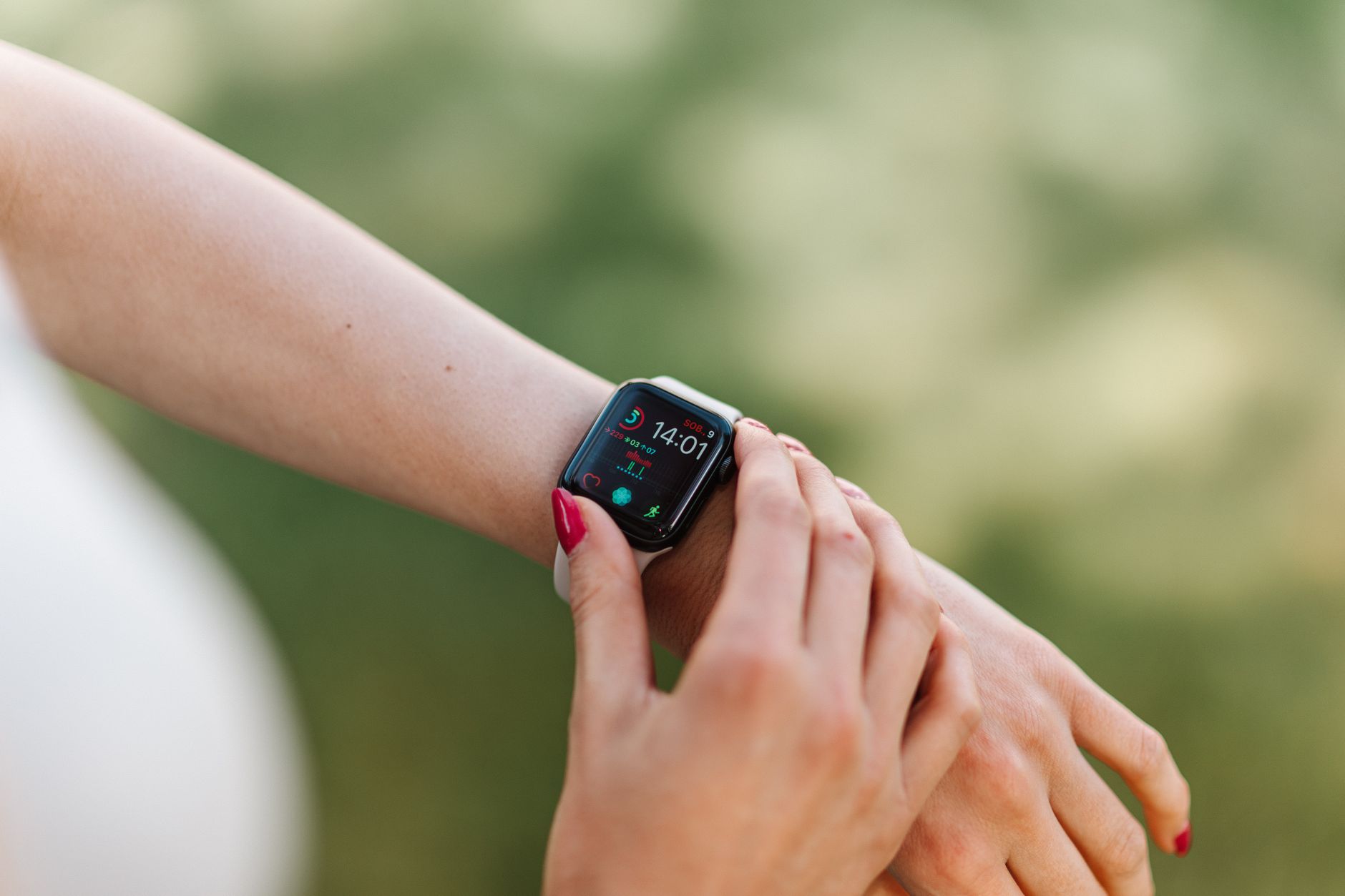
In our increasingly connected world, wearable technology has become a ubiquitous companion, promising a window into our health and well-being. Devices like smartwatches and fitness trackers monitor everything from our heart rate and sleep patterns to daily activity levels, feeding us data-driven insights designed to empower healthier choices. The allure of personalized recommendations, tailored coaching, and proactive health management is undeniable. Yet, as with any technology that delves deep into the personal, there are inherent risks and a crucial need for sensitivity, a need that some systems occasionally overlook.
The Double-Edged Sword of Personalization in Digital Health
The core appeal of modern health technology lies in its ability to personalize the user experience. Gone are the days of one-size-fits-all health advice; today’s algorithms aim to understand individual nuances, offering bespoke recommendations that ostensibly lead to better outcomes. This customization can be incredibly powerful, motivating users to achieve fitness goals, improve sleep hygiene, or manage stress more effectively. By analyzing vast datasets, these platforms can identify trends, predict potential issues, and suggest interventions that feel uniquely relevant to the individual.
However, this very strength — personalization — can also become a profound weakness if not handled with extreme care and foresight. When an algorithm makes assumptions about a user's life, identity, or circumstances without sufficient data or options for clarification, the results can range from merely unhelpful to deeply distressing. The promise of being "seen" and understood by technology can quickly turn into a feeling of being misunderstood, judged, or even hurt when the personalization goes awry.
When Algorithms Misunderstand: A Case Study in Wearable Sensitivity
A recent incident highlighted this critical flaw in the realm of personalized health tech. A user of a prominent smart ring, designed to provide detailed health and sleep insights, shared an experience where the device’s accompanying app delivered a message that was jarringly out of sync with their personal reality. The message, congratulating the user on "juggling the joys and demands of family life," struck a painful chord. For someone who either chooses not to have children or, more poignantly, cannot have them, such a seemingly innocuous, pre-programmed statement can be a stark reminder of personal struggles or life paths not taken.
This isn't an isolated oversight; it's a symptom of a larger challenge in the design and deployment of artificial intelligence and machine learning in sensitive domains like health. While the intention behind such messages is likely positive – to create a relatable and encouraging user experience – the execution demonstrates a significant empathy gap. Algorithms, by their nature, rely on patterns and statistical likelihoods derived from training data. If that data is biased, or if the system lacks the sophistication to account for the rich diversity of human experience, these missteps become inevitable.
- Lack of Inclusivity: Assuming a "typical" user profile alienates those who don't fit the mold.
- Emotional Impact: Generic, insensitive messages can cause real distress, especially in areas as personal as family or health.
- Erosion of Trust: Such errors undermine the user's trust in the technology's ability to genuinely understand and support them.
Beyond Data Points: The Ethical Imperative in AI Health Tech
The incident with the smart ring underscores a fundamental ethical question facing the developers of personalized health tech: how do we ensure that our AI systems are not just smart, but also empathetic and inclusive? It's not enough for algorithms to be accurate in their physiological measurements; they must also navigate the complex social and emotional landscapes of human life with sensitivity.
Building ethical AI in health technology requires a multi-faceted approach:
- Diverse Data Sets: Training data must reflect the full spectrum of human experiences, demographics, and life choices to avoid baked-in biases.
- Contextual Understanding: Algorithms need to move beyond simple pattern recognition to grasp the nuances and context of user input and life situations. This is significantly harder than just reading biometric data.
- User Feedback Loops: Robust mechanisms for users to report insensitive or incorrect personalization are crucial, allowing systems to learn and adapt.
- Human Oversight: Despite advancements, human review and ethical guidelines remain essential at every stage of development and deployment.
- Prioritizing Well-being Over Engagement: The goal should always be genuine user well-being, not just maximizing engagement through potentially superficial or harmful personalization.
The stakes are particularly high in health technologies. Unlike a marketing email that might suggest an irrelevant product, a health message that misjudges a user's circumstances can have a profoundly negative psychological impact. Therefore, developers bear a significant responsibility to design systems that anticipate and mitigate such potential harms.
Empowering the User: Control, Customization, and Privacy
While developers hold the primary responsibility, users also play a role in shaping their experience with wearable technology. The ability to customize settings, control data sharing, and provide feedback is paramount. For health wearables to be truly empowering, they must offer granular control over the types of notifications and insights received. Users should have the option to opt out of certain personalized messages or specify preferences that reflect their life circumstances.
Key aspects of user empowerment include:
- Granular Privacy Settings: Users should be able to dictate what data is shared, with whom, and for what purpose.
- Preference Customization: Options to specify personal details (e.g., parental status, relationship status, health goals) that inform personalization, with the ability to decline sharing certain information.
- Clear Opt-Outs: Easy-to-find options to disable certain types of notifications or personalized messages that might be unhelpful or distressing.
- Accessible Feedback Channels: Simple ways for users to report problematic content or suggest improvements, ensuring their voice is heard.
- Understanding Data Usage: Transparent explanations of how personal data is collected, analyzed, and used to generate insights.
This balance between advanced AI ethics and user agency is critical for fostering trust and ensuring that digital health tools truly serve humanity, rather than inadvertently causing harm. It moves beyond mere data protection to genuine respect for individual autonomy and identity.
The Path Forward: Building More Inclusive and Empathetic Tech
The future of health technology hinges on its ability to evolve beyond mere data crunching into a realm of genuine understanding and empathy. This requires a collaborative effort from all stakeholders: developers, researchers, policymakers, and users.
For Developers and Companies:
- Empathy-Driven Design: Integrate empathy and inclusivity into the core design philosophy from the outset, not as an afterthought.
- Rigorous Testing: Implement comprehensive testing with diverse user groups to identify potential points of insensitivity or bias before widespread release.
- Transparency: Be clear about how AI systems make decisions and how personal data influences personalized insights.
- Continuous Learning and Adaptation: Establish mechanisms for ongoing feedback and updates to refine personalization algorithms based on real-world user experiences.
- Ethical AI Teams: Create dedicated teams or roles focused on the ethical implications of AI development and deployment.
For Users:
- Be Informed: Understand how your health data is collected, used, and shared by your devices and apps.
- Utilize Customization Options: Take advantage of privacy and personalization settings to tailor your experience.
- Provide Feedback: Report any insensitive or inappropriate content to the developers; your input helps improve the technology for everyone.
- Maintain a Critical Perspective: Remember that technology is a tool. While it can offer valuable insights, it cannot fully replace human intuition or professional medical advice.
The goal is to create digital wellness solutions that are not just intelligent, but also wise; not just personalized, but truly considerate of the human at the other end of the data stream.
Key Takeaways
- Personalized health technology offers immense potential but carries risks if not developed with empathy and inclusivity.
- Algorithms can sometimes make incorrect or insensitive assumptions about users' lives, leading to distress.
- The Oura Ring incident serves as a crucial reminder of the importance of ethical AI design and comprehensive user consideration.
- Developers must prioritize diverse data sets, contextual understanding, and robust feedback mechanisms.
- Users should seek granular control over their data and personalization settings and actively provide feedback.
- The future of health tech depends on a human-centered approach that values empathy as much as data accuracy.
Frequently Asked Questions (FAQ)
Q1: How can I protect my personal data when using health wearables?
A: Start by thoroughly reading the privacy policy of any device or app you use. Pay attention to what data is collected, how it's used, and whether it's shared with third parties. Utilize the privacy settings within the app to customize data sharing preferences, opting out of anything you're uncomfortable with. Regularly review these settings as they can change with updates. Consider using strong, unique passwords and enabling two-factor authentication where available. If a service doesn't offer transparent privacy controls, it might be a signal to reconsider its use.
Q2: What should companies do to avoid making similar personalization errors?
A: Companies should adopt an "empathy-first" design philosophy, embedding diverse perspectives from the very beginning of product development. This includes hiring diverse teams, conducting extensive user research with a broad demographic, and employing ethical AI specialists. They must also implement robust testing protocols that specifically look for potential biases and insensitive content. Crucially, establishing clear and easily accessible channels for user feedback is vital, allowing them to rapidly identify and correct errors and continuously refine their personalization algorithms.
Q3: Can AI ever truly be empathetic, or will it always be limited by its programming?
A: The concept of "AI empathy" is complex. While AI cannot genuinely "feel" emotions like humans do, it can be programmed to simulate empathetic responses and behave in ways that are perceived as empathetic. This involves understanding human emotional cues (from text, voice, or even biometric data) and responding in a contextually appropriate and supportive manner. The limitations often arise from biased training data, a lack of nuanced contextual understanding, and the difficulty of encoding the vast and varied tapestry of human experience into algorithms. The goal isn't for AI to be human, but to serve humans sensitively and effectively, which requires continuous ethical refinement and human oversight.
The incident highlighted here serves as a powerful reminder that while technology can be an incredible enabler of health and well-being, its true value is realized only when it is designed and deployed with profound respect for the human element. The path forward for personalized health technology is not just about smarter algorithms, but about more compassionate and inclusive ones. By prioritizing empathy, user control, and ethical development, we can ensure that these innovations genuinely uplift and empower everyone, rather than inadvertently causing distress. The future of digital wellness must be human-centered, recognizing the unique stories and circumstances of each individual user.
Disclaimer: This article provides general information about health technology and user experience. It is not intended to provide medical advice, diagnosis, or treatment. Always consult with a qualified healthcare professional for any health concerns or before making any decisions related to your health or medical care. The views expressed are for informational purposes only and should not be considered a substitute for professional medical advice.
Comments (0)
To comment, please login or register.
No comments yet. Be the first to comment!