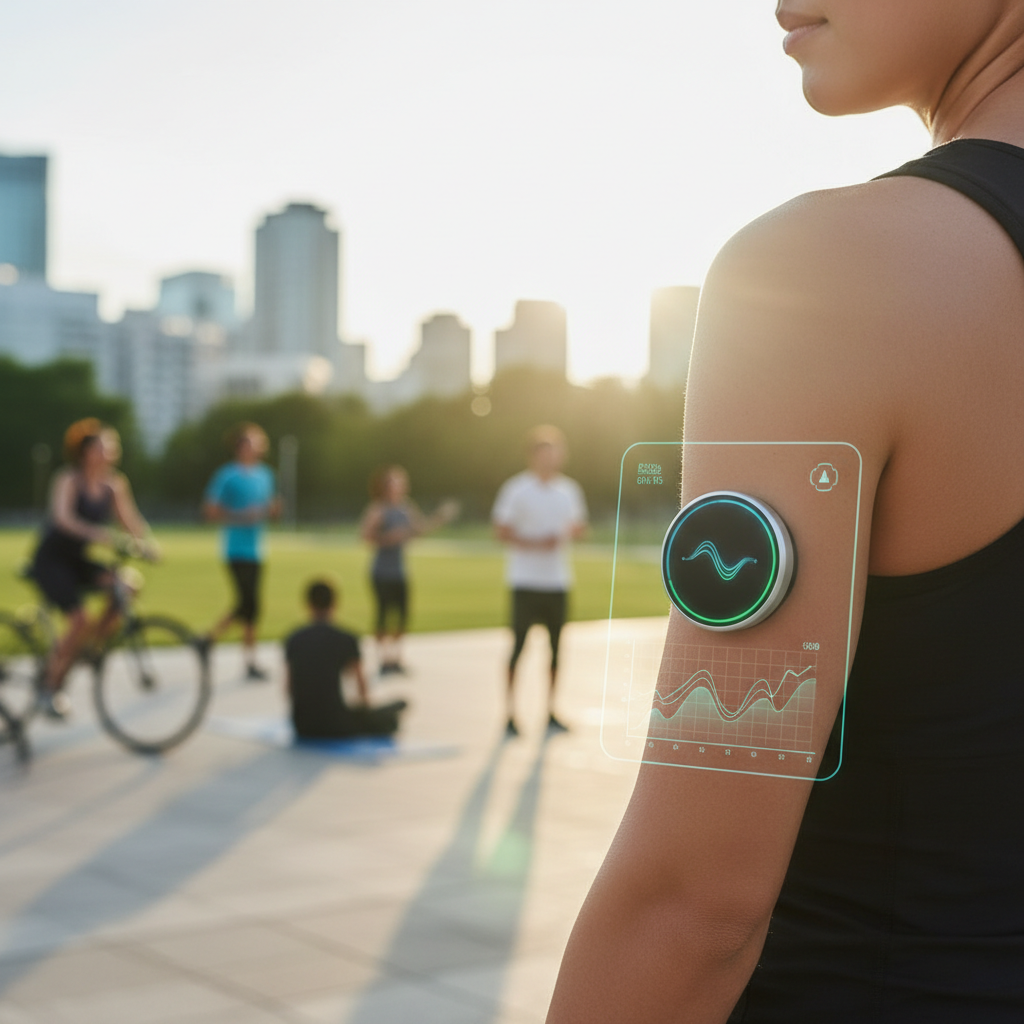
For years, our wrists have borne the burden of personal health monitoring. From clunky pedometers to sophisticated smartwatches, the evolution of wearables has largely been a story told on the arm. But what if the next frontier in health tech isn't an appendage, but an adornment? The recent announcement of the Lumia 2 smart earring marks a significant, potentially revolutionary, shift in how we might seamlessly integrate health tracking into our daily lives. As senior editorial writer for biMoola.net, I've closely followed the trajectory of health technologies, and this development signals a fascinating convergence of fashion, discretion, and advanced biometrics.
This article will delve deep into the implications of ear-worn health trackers, dissecting the unique capabilities of the Lumia 2 – particularly its blood flow and sleep tracking features. We’ll explore the science behind these innovations, compare their potential advantages over traditional wearables, and critically assess the challenges and opportunities they present. If you're curious about how technology is quietly transforming personal wellness, and what this new generation of discreet devices means for your health data, you’re in the right place.
The Evolution of Wearables: Beyond the Wrist
The journey of wearable technology has been one of continuous miniaturization and enhanced functionality. Early fitness trackers, emerging in the mid-2000s, were primarily step counters. By the 2010s, smartwatches had integrated heart rate monitors, GPS, and notification capabilities, establishing the wrist as the dominant site for biometric data collection. However, the wrist isn't always ideal. Bulkiness, style constraints, and the potential for motion artifacts during activity have always been recognized limitations.
This recognition spurred innovation beyond the wrist. Smart rings offered a more compact form factor, and smart patches began to provide clinical-grade, continuous monitoring for specific conditions. Yet, none have quite captured the blend of ubiquitous presence and near-invisibility that an earring, a common accessory for millions, could offer. The ear, in fact, presents several compelling advantages for biometric sensing, boasting a rich network of capillaries and often less susceptible to movement-induced noise compared to the wrist.
According to a 2023 report by Grand View Research, the global wearable technology market size was valued at USD 61.30 billion and is projected to grow at a compound annual growth rate (CAGR) of 16.5% from 2024 to 2030. This growth isn't just about more devices; it's about more innovative form factors and more precise data. The Lumia 2 is a testament to this ongoing evolution, pushing the boundaries of where and how we collect personal health insights.
Unpacking the Lumia 2: What Makes It Unique?
The Lumia 2 isn't just another gadget; it represents a conceptual leap in discreet health monitoring. Its core differentiator lies in its form factor – an earring – which inherently offers advantages in terms of continuous wear and social acceptance that bulkier devices often struggle with. But beyond its aesthetic appeal, its announced capabilities of blood flow and sleep tracking hint at sophisticated engineering.
Blood Flow Monitoring: A New Vantage Point
When the source mentions 'blood flow tracking,' it immediately brings to mind photoplethysmography (PPG) sensors, similar to those found in smartwatches but potentially optimized for the ear. PPG works by emitting light into the skin and measuring the amount of light reflected by blood flow. From this, the device can infer critical metrics:
- Heart Rate (HR): A fundamental vital sign, continuously monitored heart rate can provide insights into cardiovascular health and stress levels.
- Heart Rate Variability (HRV): A more advanced metric derived from the subtle variations in time between heartbeats. HRV is a strong indicator of autonomic nervous system balance, reflecting stress, recovery, and overall well-being. A 2024 study published in the Journal of Clinical Sleep Medicine highlighted HRV as a crucial marker for sleep quality and recovery, making its accurate measurement from the ear particularly valuable.
- Blood Oxygen Saturation (SpO2): While not explicitly stated by Lumia, blood flow tracking often forms the basis for SpO2 measurement, which indicates how well oxygen is being delivered to the body's tissues. This is especially relevant for sleep apnea detection.
The earlobe, being a highly vascularized area with less muscle and bone interference than the wrist, could theoretically provide a clearer, less artifact-prone PPG signal, leading to more accurate data, especially during physical activity.
Advanced Sleep Tracking: Insights from the Ear
Sleep tracking is a crowded field, but the Lumia 2's ear-based approach could offer distinct advantages. Traditional wrist-worn trackers infer sleep stages primarily from accelerometer data (movement) and heart rate. While effective, they can sometimes misinterpret periods of stillness as sleep.
With an ear-worn device, the potential for more precise data collection expands. Beyond movement and heart rate, the ear canal is a stable site for measuring minute physiological changes. High-fidelity heart rate and HRV data from the ear can significantly enhance the accuracy of sleep stage detection (REM, Light, Deep). Furthermore, some advanced ear-worn prototypes have explored integrating micro-electroencephalography (EEG) or electrodermal activity (EDA) sensors, which could provide even richer insights into brain activity during sleep and stress responses. While we don't know the full sensor suite of Lumia 2, its position suggests a strong foundation for superior sleep analysis.
The World Health Organization (WHO) estimates that insufficient sleep affects up to 45% of the global population, contributing to chronic diseases like obesity, diabetes, and cardiovascular issues. Precise, unobtrusive sleep tracking like that promised by Lumia 2 is therefore not just a convenience, but a critical tool for public health.
The Discreet Advantage: Form Meets Function
Perhaps the most compelling feature of the Lumia 2 is its sheer discretion. For many, wearing a smartwatch to formal events or even just to work can feel intrusive or out of place with certain aesthetics. An earring, however, can be an elegant, integrated part of one's style. This means less friction for continuous wear, which is paramount for collecting comprehensive, longitudinal health data. The more consistently a device is worn, the more valuable its data becomes for identifying trends and anomalies.
This discreet form factor also opens up possibilities for demographics who might be resistant to more obvious wearables, ensuring that valuable health insights can be collected across a broader segment of the population.
The Science Behind Ear-Worn Biometrics
The ear has long been recognized by researchers as a promising site for physiological monitoring. Studies by institutions like MIT Media Lab have explored ear-worn sensors for everything from heart rate to core body temperature. The cartilage of the ear offers a stable anchor point, minimizing movement artifacts that can plague wrist-based sensors, particularly during exercise or sleep.
Moreover, the earlobe and surrounding areas are rich in capillaries, providing excellent access for optical sensors (PPG) to measure blood volume changes. The proximity to the brain also theoretically opens doors for more advanced neurological monitoring, though this is a complex area of research. For blood flow and sleep tracking, the ear's inherent stability and vascularity make it a superior site compared to many other body locations, promising higher data fidelity.
Navigating the Health Tech Landscape: Lumia 2's Place
The introduction of the Lumia 2 into the bustling health tech market isn't just about a new product; it's about pioneering a new category. While smart rings like Oura have proven the viability of non-wrist wearables, the earring form factor pushes the boundaries of integration and discreetness even further.
Wearable Health Tech Market Snapshot
- Global Market Value (2023): Over $60 billion USD (Grand View Research)
- Projected CAGR (2024-2030): 16.5%
- Smartwatch Market Share (2023): Dominant, but facing innovation pressure from alternative form factors.
- User Adoption (2024): Approximately 30% of adults in developed countries use a wearable device regularly (eMarketer).
- Key Growth Drivers: Miniaturization, enhanced sensor accuracy, AI-driven insights, and growing consumer awareness of preventative health.
The market is ripe for devices that offer sophisticated monitoring without demanding a user's conscious attention or altering their aesthetic preferences.
Lumia 2 positions itself at the intersection of fashion and function, appealing to users who prioritize style but refuse to compromise on health data. Its success will hinge not just on its technological prowess but on its ability to integrate seamlessly into users' lifestyles. The data it collects, when analyzed by sophisticated AI algorithms, could offer predictive insights into well-being, stress levels, and even early signs of physiological changes, moving beyond mere tracking to proactive health management.
Practical Considerations for Adopters
While the Lumia 2 sounds promising, prospective users will naturally have practical questions. Here’s what we at biMoola.net consider crucial:
- Comfort and Fit: An earring needs to be lightweight and comfortable enough for 24/7 wear, including during sleep. Any discomfort will undermine its primary advantage of continuous data collection. Materials and ergonomic design will be key.
- Battery Life: Miniaturization often comes at the expense of battery capacity. How long will the Lumia 2 last on a single charge, especially with continuous blood flow and sleep tracking? Seamless charging solutions will be vital.
- Data Accuracy and Validation: The core promise is superior data. Independent clinical validation of its blood flow and sleep tracking accuracy against medical-grade devices will be critical for consumer trust.
- Data Privacy and Security: Health data is highly sensitive. Clear policies on data encryption, storage, sharing, and user control will be paramount. Companies like Lumia must adhere to strict privacy regulations like GDPR and HIPAA where applicable.
- Cost and Accessibility: As with any new technology, initial pricing can be a barrier. Its long-term market penetration will depend on finding a balance between advanced features and an accessible price point.
- Integration with Ecosystems: Will it seamlessly integrate with existing health platforms (Apple Health, Google Fit) or will it require a proprietary app? Interoperability often enhances user experience.
The Future of Discreet Health Monitoring
The Lumia 2 represents a tangible step towards a future where health monitoring is truly ambient and integrated into our lives without being conspicuous. Imagine a world where your daily accessories not only complement your style but also quietly provide a continuous stream of vital health insights, empowering you with knowledge about your body's rhythms and needs. This moves beyond 'quantified self' to a more 'integrated self.'
Further developments could include even more advanced sensors, perhaps even non-invasive glucose monitoring or continuous temperature tracking, all within increasingly smaller and more aesthetically pleasing form factors. The ethical implications, particularly around data ownership and potential for misuse, will also continue to be a crucial conversation as these technologies become more pervasive. However, the potential for preventative care, early disease detection, and personalized wellness coaching is immense.
Key Takeaways
- The Lumia 2 smart earring signals a significant shift towards more discreet and integrated wearable health technology, moving beyond the traditional wrist-worn form factor.
- Its ear-based blood flow monitoring holds promise for high-fidelity data, potentially offering more accurate heart rate, HRV, and possibly SpO2 measurements due to the ear's stable and vascular nature.
- Advanced sleep tracking from the ear could leverage continuous physiological data to provide deeper insights into sleep stages and overall sleep quality, addressing a major public health concern.
- Discretion is a key advantage, fostering continuous wear and broader adoption among diverse user groups who prioritize style and seamless integration.
- Future success hinges on comfort, battery life, proven accuracy, robust data privacy, and accessible pricing to fulfill the promise of truly ambient, intelligent health monitoring.
Expert Analysis: Our Take
At biMoola.net, we view the Lumia 2 announcement not just as the unveiling of a new product, but as a bellwether for the future of personal health technology. The market has been saturated with wrist-based devices for over a decade, and while they've driven impressive advancements, their limitations in aesthetics and continuous wear are becoming more apparent for certain segments of the population. The Lumia 2's focus on the ear is a brilliant strategic move, tapping into an underserved niche: individuals who desire comprehensive health data but reject the overt 'tech gadget' look.
My particular interest lies in the potential for enhanced data accuracy, especially in areas like Heart Rate Variability and sleep stage detection. If Lumia can truly leverage the ear's unique anatomical advantages – less motion artifact, direct access to vascular signals – it could set a new benchmark for consumer-grade biometrics. This isn't just about convenience; it's about building a more reliable, nuanced picture of individual health over time, which AI algorithms can then transform into actionable, personalized insights.
However, the challenge will be immense. Miniaturizing advanced sensors, ensuring robust battery life without compromising comfort, and critically, gaining clinical validation for its accuracy, will be make-or-break factors. Companies like Lumia must also earn consumer trust in handling highly personal health data, especially given the intimate nature of a device worn directly on the body. If they can navigate these hurdles, the Lumia 2 could very well usher in an era where our accessories are not just expressions of style, but silent guardians of our well-being. It's a vision that aligns perfectly with biMoola.net's focus on innovative, impactful health technologies.
Q: How accurate is ear-worn tracking compared to wrist-worn devices?
A: Generally, ear-worn biometric tracking has the potential for greater accuracy, particularly for heart rate and blood flow-derived metrics. The earlobe is less prone to motion artifacts during physical activity or sleep compared to the wrist, which can lead to cleaner, more consistent sensor readings. Its rich capillary network also provides a stable site for optical sensors. While specific accuracy depends on the Lumia 2's engineering and sensor suite, the anatomical advantages suggest it could outperform many wrist-worn devices in certain scenarios. Independent validation and comparison studies will ultimately confirm its precise accuracy.
Q: What about data privacy and security for a device like the Lumia 2?
A: Data privacy and security are paramount for any health-tracking device, especially one that collects sensitive physiological data continuously. Reputable manufacturers like Lumia must implement robust encryption for data both at rest and in transit, adhere to strict data protection regulations (such as GDPR in Europe or HIPAA in the US, where applicable), and provide clear, transparent privacy policies. Users should always retain full control over their health data, with options for secure sharing only with trusted healthcare providers or researchers. It's crucial for consumers to review these policies before adopting such devices.
Q: Is the Lumia 2 comfortable for long-term wear, especially during sleep?
A: Comfort is a critical factor for any wearable designed for continuous, 24/7 use, particularly during sleep. The success of the Lumia 2 will heavily depend on its ergonomic design, weight, and the materials used. It must be lightweight, hypoallergenic, and designed to fit securely without causing pressure points or irritation, even for side sleepers. While the source doesn't provide specific details, the 'earring' form factor implies careful consideration for comfort, as any discomfort would undermine its core value proposition of discreet, continuous monitoring.
Q: What health metrics might the Lumia 2 not track that traditional wearables (like smartwatches) can?
A: While the Lumia 2 offers unique advantages, its small form factor might limit certain functionalities common in larger smartwatches. It's unlikely to include features like an electrocardiogram (ECG) for detailed heart rhythm analysis, which often requires multiple contact points. On-device GPS for detailed workout route mapping is also less probable. Furthermore, it likely won't have a screen for displaying notifications, time, or other smart features beyond basic health metrics. Its focus is primarily on discreet, high-fidelity physiological data collection rather than comprehensive 'smartwatch' functionality.
Sources & Further Reading
Disclaimer: For informational purposes only. Consult a healthcare professional for any medical advice, diagnosis, or treatment. biMoola.net does not endorse specific products or make medical claims.
Comments (0)
To comment, please login or register.
No comments yet. Be the first to comment!