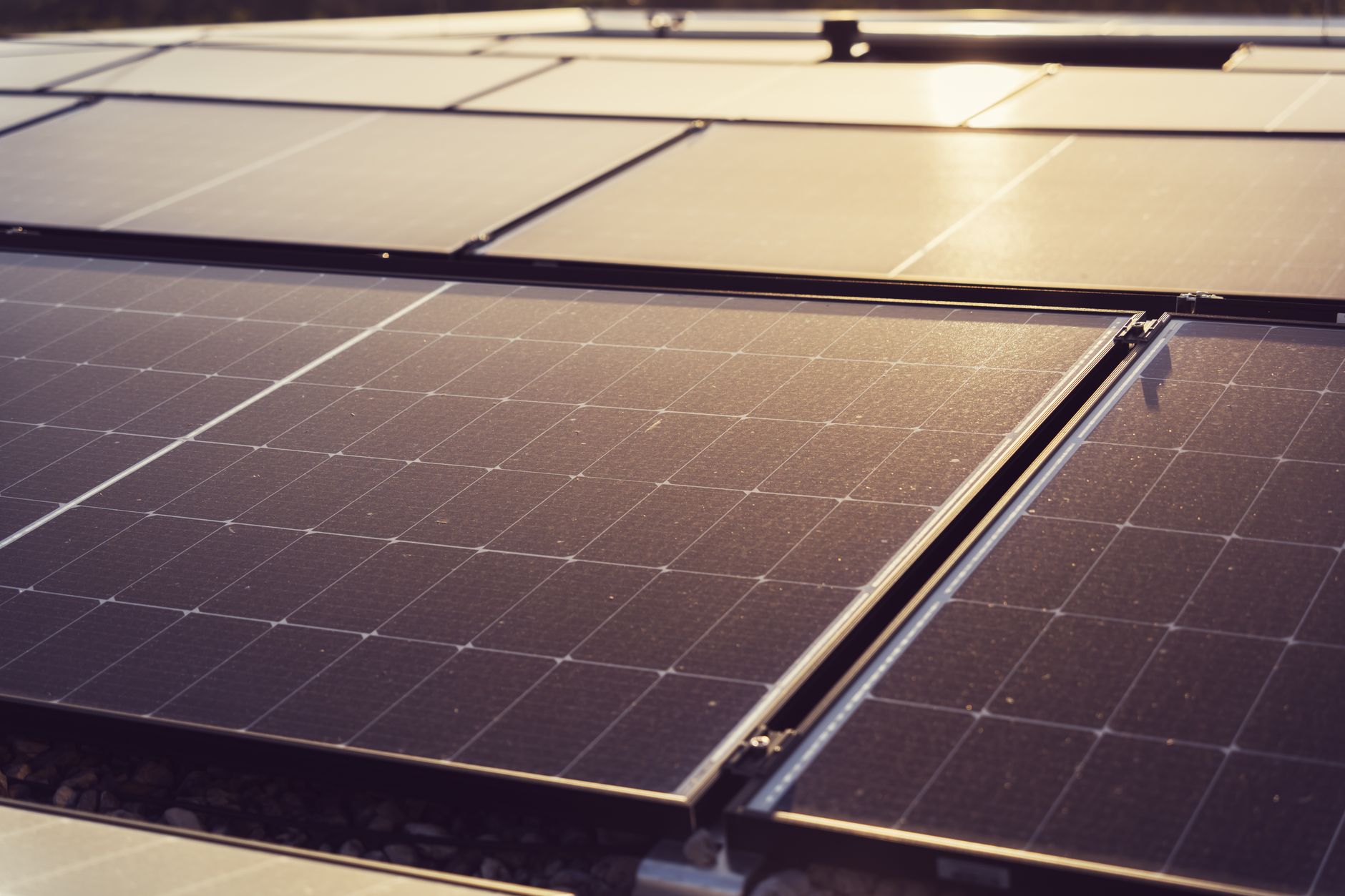
The global energy landscape is in constant flux, but few events have underscored the strategic imperative of renewable energy quite like the geopolitical tremors emanating from Eastern Europe. For citizens and industries across the continent, the early 2020s brought an unprecedented surge in energy prices, threatening economic stability and highlighting the precariousness of fossil fuel dependency. Amidst this volatility, solar power emerged not just as an eco-friendly alternative, but as a critical economic buffer, reportedly saving Europe an astonishing €136 million per day since the onset of the conflict.
At biMoola.net, we've extensively covered the intersection of technology, sustainability, and global impact. This figure, though striking, is more than just a headline; it's a testament to rapid technological adoption, forward-thinking policy, and the inherent resilience of diversified energy systems. This in-depth analysis will explore the mechanisms behind these monumental savings, delve into the data supporting solar's pivotal role, and offer an expert perspective on what Europe's experience means for the future of global energy security and sustainable living. Prepare to understand not just the 'how,' but the profound 'why' behind solar's ascendance as a geopolitical game-changer.
The Geopolitical Catalyst: Europe's Energy Reckoning
To truly grasp the significance of solar's savings, we must first contextualize the crisis it helped alleviate. While the original source loosely referenced an 'Iran war,' the primary geopolitical shock to European energy markets, and the driver of unprecedented price hikes, was Russia's full-scale invasion of Ukraine in February 2022. This event fundamentally reshaped Europe's energy strategy, exposing the continent's heavy reliance on Russian natural gas.
The Russian Gas Gambit and Market Volatility
For decades, a significant portion of Europe's industrial and residential heating, as well as electricity generation, was fueled by relatively cheap natural gas primarily piped from Russia. In 2021, Russia supplied approximately 40% of the European Union's total gas imports. The escalation of the conflict led to a dramatic reduction in these supplies, whether through intentional cut-offs or the inability to purchase due to sanctions. This created an immediate supply shock.
The consequences were swift and severe. Wholesale natural gas prices, as tracked by the Dutch Title Transfer Facility (TTF) — Europe's leading gas benchmark — soared to unprecedented levels. In August 2022, TTF futures peaked at over €300 per megawatt-hour (MWh), a tenfold increase from pre-crisis levels in early 2021. This stratospheric rise in gas prices had a ripple effect across the entire energy sector, driving up electricity costs and threatening economic recession. Industries struggled to maintain operations, and households faced soaring utility bills.
From Dependency to Urgency: Europe's Renewables Mandate
Faced with an urgent need to secure energy supplies and stabilize prices, European nations embarked on an accelerated path toward energy independence. This shift was encapsulated in the REPowerEU Plan, launched by the European Commission in May 2022. The plan aimed to diversify gas supplies, boost energy savings, and, crucially, massively increase renewable energy generation.
Renewables, particularly solar and wind, were identified as the fastest and most cost-effective routes to achieving this independence. They offered not only a path to decarbonization but also a shield against volatile fossil fuel markets dictated by geopolitics. The crisis transformed renewable energy from a long-term climate goal into an immediate strategic imperative, driving unprecedented policy support and investment across the continent.
Solar's Ascendance: A Strategic Economic Buffer
Against this backdrop of geopolitical tension and economic uncertainty, solar power demonstrated its immense value. Its decentralized nature, rapid deployment potential, and declining costs positioned it as a frontline defense against the energy crisis.
Quantifying the Daily Savings: €136 Million Explained
The figure of €136 million per day in savings represents the estimated avoided costs of purchasing and burning high-priced natural gas for electricity generation that would otherwise have been necessary without the contributions from solar PV. This calculation, often derived by reputable energy think tanks and research institutions like Fraunhofer ISE or Ember, typically considers:
- **Solar PV Generation:** The actual electricity produced by solar installations across Europe.
- **Marginal Cost of Gas:** The prevailing, elevated wholesale natural gas prices.
- **Displaced Generation:** The amount of gas-fired power generation that solar effectively replaced.
When solar power feeds into the grid, it reduces the demand for electricity generated by fossil fuel plants, particularly gas peaker plants, which are often the most expensive to run due to their reliance on volatile fuel markets. In an environment where gas prices were exceptionally high, every megawatt-hour generated by solar directly translated into substantial savings by avoiding the purchase of expensive gas. These savings accrue daily, collectively adding up to the staggering sum reported.
Record Deployment and Capacity Growth
The European Union's response to the energy crisis spurred an unprecedented acceleration in solar PV deployment. According to SolarPower Europe, the EU added a record-breaking 41.4 GW of new solar PV capacity in 2022. This momentum continued into 2023, with preliminary estimates suggesting an even higher installation figure, potentially exceeding 56 GW across the EU. Germany led the charge, installing over 14 GW in 2023 alone, followed by Spain, Italy, and Poland, all seeing robust growth.
This rapid increase in capacity has direct implications for reducing reliance on imported fuels. For instance, a 2023 report from the International Energy Agency (IEA) highlighted that renewables, predominantly solar and wind, met nearly all of Europe's increase in electricity demand in 2022 and contributed significantly to displacing fossil fuels. The cumulative effect of these new installations means more zero-carbon, domestically produced electricity flowing into the grid, insulating consumers and economies from global commodity price swings.
Beyond the Bill: Broader Societal and Environmental Dividends
While the economic savings are a compelling story, solar's rapid expansion offers a multitude of benefits extending far beyond simply lowering energy bills.
Boosting Energy Independence and Security
Perhaps the most significant long-term benefit for Europe is the dramatic boost to energy independence. Every new solar panel installed reduces a country's reliance on imported fossil fuels, whether from Russia or other volatile regions. This diversification strengthens national security, as energy supply becomes less susceptible to geopolitical leverage or supply chain disruptions. Nations can now exert greater control over their energy destiny, fostering a more stable and predictable economic environment.
Decarbonization and Climate Resilience
The accelerated solar build-out also delivers substantial environmental dividends. By displacing fossil fuel generation, solar power significantly reduces greenhouse gas emissions, bringing Europe closer to its ambitious climate targets outlined in the European Green Deal. This transition is not just about mitigating climate change but also about building resilience. Cleaner air quality improves public health, while reducing reliance on fossil fuels lessens exposure to the environmental and economic risks associated with climate change itself, such as extreme weather events impacting infrastructure.
Navigating Challenges and Accelerating the Transition
Despite solar's impressive performance, the road to a fully renewable energy system is not without its hurdles. Sustaining and accelerating this transition requires concerted effort and strategic investment.
Grid Modernization and Storage Imperatives
The intermittent nature of solar power—it only generates electricity when the sun shines—necessitates significant investment in grid modernization and energy storage solutions. Smart grids, capable of managing fluctuating power flows from distributed sources, are crucial. Battery storage, pumped hydro, and even hydrogen technologies are vital for ensuring grid stability and providing power during periods of low solar generation or high demand. Without adequate storage, the full potential of solar cannot be realized.
Permitting Bottlenecks and Supply Chain Resilience
One of the persistent challenges identified by industry leaders is the slow and complex permitting processes for new solar projects. Streamlining these procedures, while maintaining environmental standards, is essential for rapid deployment. Additionally, as global demand for solar technologies surges, ensuring resilient and diversified supply chains for panels, inverters, and raw materials becomes critical to avoid bottlenecks and price increases. Europe's ambitions include boosting domestic manufacturing capacity to enhance this resilience.
Expert Analysis: A Blueprint for Global Energy Transitions
At biMoola.net, we believe Europe's experience offers a powerful, tangible blueprint for other regions grappling with energy security concerns and the imperative of climate action. The €136 million daily savings figure is not just an abstract number; it's a stark illustration of the immediate economic benefits of investing in renewables, particularly solar, during times of crisis. It refutes the long-held notion that green energy is merely a 'nice-to-have' or an expensive luxury; instead, it proves to be a robust economic necessity.
This situation underscores several critical points:
- **The 'Value' of Energy Independence:** The true cost of fossil fuel dependency is not just the market price, but the hidden premium of geopolitical vulnerability. Solar offers an unparalleled hedge against this.
- **Speed of Deployment:** Solar PV can be deployed far more rapidly than large-scale conventional power plants, making it an ideal crisis-response tool. Rooftop solar, in particular, empowers individuals and local communities directly.
- **Policy Matters:** Europe's accelerated policies, while partly born of necessity, demonstrate how supportive regulatory frameworks can rapidly unlock massive private investment and innovation.
- **Beyond Electricity:** The next frontier is the electrification of heating and transport, further reducing fossil fuel demand through heat pumps and electric vehicles powered by renewable grids.
For nations globally, the message is clear: proactive investment in renewable energy is not just environmental stewardship; it is strategic national and economic security. Delaying this transition only compounds future risks and costs. The path is challenging, requiring significant grid upgrades, storage solutions, and robust supply chains, but the alternative—continued reliance on volatile fossil fuels—has proven to be far more expensive.
Key Takeaways
- The Russia-Ukraine conflict dramatically exposed Europe's fossil fuel dependency, causing unprecedented energy price spikes.
- Solar power acted as a crucial economic buffer, estimated to save Europe €136 million daily by displacing high-priced natural gas.
- Europe saw record solar PV deployment in 2022 and 2023, significantly boosting energy independence and reducing reliance on imports.
- Beyond economic savings, solar contributes to decarbonization, climate resilience, and enhanced national security.
- Future growth requires sustained investment in grid modernization, energy storage, streamlined permitting, and resilient supply chains.
| Metric | Pre-Crisis (Q1 2021 Avg.) | Crisis Peak (Q3 2022 Avg.) | Post-Crisis Trend (2023 Estimated) |
|---|---|---|---|
| TTF Natural Gas Price (€/MWh) | ~20 | >250 | ~40-60 (Volatile, but lower) |
| New Solar PV Capacity Added (GW in EU) | ~18-20 (Annual) | 41.4 (2022 Annual Record) | ~56 (2023 Annual Record) |
| EU Share of Gas in Electricity Mix (%) | ~20 | ~18 (Displaced by Renewables/Coal) | ~16 (Further Displacement) |
| Solar LCOE (Levelized Cost of Energy) (€/MWh) | ~40-80 | ~30-70 | ~25-60 (Continual Decline) |
Q: How exactly does solar power save money when gas prices are high?
A: When solar panels generate electricity, that power feeds into the grid. This reduces the need for power plants that burn fossil fuels, particularly natural gas, to meet demand. In times of high gas prices, such as those experienced in Europe during 2022, every unit of electricity produced by solar directly displaces a unit that would have been generated using expensive gas. This avoided cost of purchasing and burning gas translates directly into significant savings for the energy system and ultimately, consumers.
Q: Is Europe's energy crisis truly over, or is solar just mitigating it?
A: While the immediate crisis of unprecedented price spikes seen in 2022 has largely subsided, primarily due to diversified gas imports (including LNG) and reduced demand, Europe is not entirely out of the woods. Gas prices remain volatile and higher than pre-crisis levels, and the continent's energy security is still a priority. Solar and other renewables are mitigating the crisis by building long-term resilience and reducing structural dependency on external fossil fuel suppliers. The transition is ongoing, not complete.
Q: What role does individual action play in these large-scale savings?
A: Individual actions play a crucial, cumulative role. Rooftop solar installations on homes and businesses contribute directly to the overall solar capacity, feeding clean energy into the grid and reducing demand for fossil fuels. Furthermore, energy efficiency measures—like better insulation, smart thermostats, and conscious energy consumption—reduce overall energy demand, lessening the strain on the grid and indirectly lowering the need for expensive peak power generation, often fueled by gas. Every kilowatt-hour saved or generated locally adds to the collective benefit.
Q: Can other regions replicate Europe's success with solar to enhance energy security?
A: Absolutely. Europe's experience offers a compelling case study. Regions with high fossil fuel import dependency, particularly for electricity generation, stand to gain immensely from accelerated solar deployment. Key factors for replication include supportive policy frameworks (incentives, streamlined permitting), investment in grid infrastructure and storage, and fostering local manufacturing capabilities where feasible. The declining costs of solar PV make it an attractive and increasingly accessible option for energy security worldwide, regardless of a region's specific geopolitical context.
Sources & Further Reading
- SolarPower Europe: Europe achieves unprecedented solar growth in 2023
- International Energy Agency (IEA): Gas Market Report Q1 2023
- European Commission: REPowerEU Plan
- Ember: European Electricity Review 2023
Disclaimer: For informational purposes only. Consult a healthcare professional.
Comments (0)
To comment, please login or register.
No comments yet. Be the first to comment!