Advertisement
Advertise Here Header Banner · 728×90 · Full Width · Sitewide
Get Started →
Energy Saving

Europe's Solar Surge: Daily Multi-Million Euro Savings Amidst Geopolitical Volatility

Listen to this article Press play to start reading aloud
Written by Emma Larsson | Fact-checked | Published 2026-06-09 Our editorial standards →

The global energy landscape has been in flux, profoundly reshaped by geopolitical tensions and the urgent imperative of climate action. For Europe, the period following the full-scale invasion of Ukraine in early 2022 marked a critical pivot point, forcing a rapid re-evaluation of its energy security and a dramatic acceleration of its transition to renewable sources. While the crisis brought immense challenges, it also underscored the profound economic and strategic value of homegrown energy. Recent analyses highlight a remarkable consequence of this accelerated shift: Europe has been saving an estimated €136 million every single day thanks to its burgeoning solar power capacity.

This isn't just about environmental virtue; it's a stark demonstration of financial resilience and strategic foresight. As a senior editorial writer for biMoola.net, I’ve closely tracked these shifts, recognizing the intricate dance between policy, technology, and market forces. In this in-depth article, we'll unpack the genesis of Europe's solar boom, dissect the mechanisms behind these staggering savings, explore the broader implications for energy independence and climate goals, and offer our expert analysis on the path forward. You'll gain a comprehensive understanding of how solar energy has transformed from a niche technology into a cornerstone of Europe's energy future, delivering tangible, daily benefits.

The Geopolitical Catalyst: Europe's Energy Shock

For decades, Europe relied heavily on imported fossil fuels, particularly natural gas from Russia, to power its homes and industries. This reliance, while economically convenient for a time, created a significant vulnerability. The full-scale invasion of Ukraine by Russia in February 2022 exposed this Achilles' heel, triggering an unprecedented energy crisis across the continent. Gas prices skyrocketed, reaching historical highs in the summer of 2022, and fears of widespread energy rationing loomed large.

This wasn't merely an economic shock; it was a geopolitical awakening. Suddenly, energy independence wasn't just an aspirational goal for environmentalists; it became a matter of national security and economic stability. The European Union, in response, launched ambitious initiatives like REPowerEU, aiming to rapidly reduce reliance on Russian fossil fuels and accelerate the transition to clean energy. This pivotal moment set the stage for an extraordinary surge in solar power deployment, transforming it from a gradual expansion into an emergency-driven necessity.

Europe's Solar Surge: Unpacking the Growth

The speed and scale of solar deployment across Europe since 2022 have been nothing short of phenomenal. This isn't just a story of individual homeowners adding panels; it's a continent-wide mobilization driven by a confluence of policy, economics, and technological maturity.

Rapid Deployment & Capacity Expansion

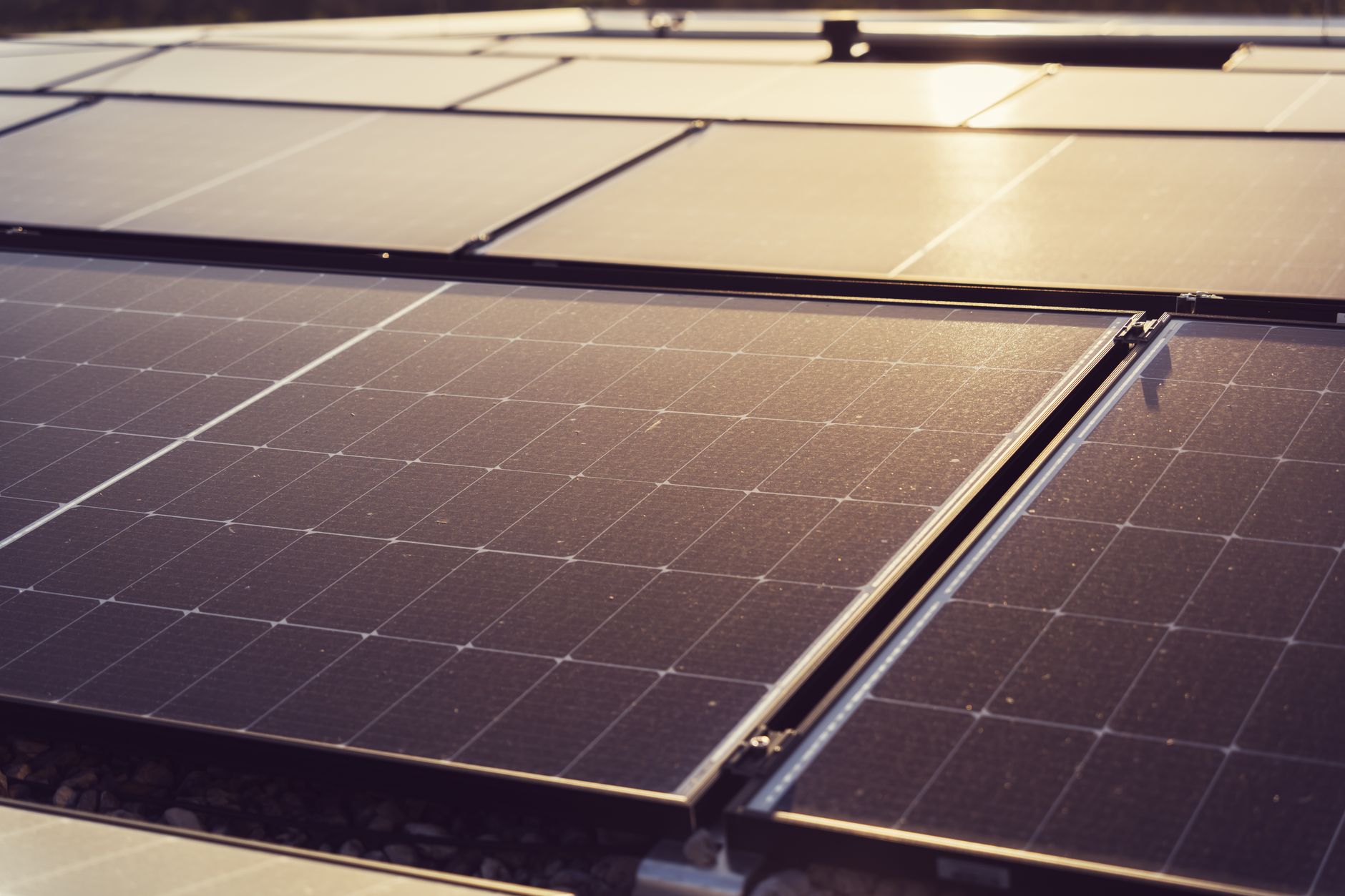
According to SolarPower Europe's 2023 market outlook, the EU added an estimated 56 GW of new solar PV capacity in 2023 alone, representing a staggering 27% increase over the previous year's record. This brings the total installed capacity across the EU to well over 260 GW. Germany led the charge, installing around 14 GW in 2023, followed closely by Spain, Italy, and the Netherlands, which consistently punch above their weight in per capita solar installations.

This rapid expansion is fueled by several factors:

  • Mature Technology: Solar PV is a highly mature, reliable, and increasingly efficient technology. Module efficiencies continue to climb, and manufacturing costs have plummeted over the last decade.
  • Short Deployment Times: Compared to large-scale nuclear or fossil fuel plants, solar farms (especially utility-scale ground-mounted or large commercial rooftop arrays) can be planned, permitted, and constructed relatively quickly – often within 1-2 years. Residential installations can take just days.
  • Decentralization: Solar’s modular nature allows for deployment at all scales, from small residential systems to massive utility-scale projects, making it highly adaptable and resilient.

Policy Drivers & Investment Incentives

The political will to accelerate solar has been instrumental. The European Commission’s REPowerEU plan, for instance, set a target of 42.5% renewable energy in the EU's overall energy mix by 2030, with an ambition to reach 45%. Specific measures include:

  • Faster Permitting: Streamlining bureaucratic processes for new renewable energy projects, reducing approval times.
  • Financial Incentives: Member states have introduced a raft of subsidies, tax breaks, and feed-in tariffs to make solar investments more attractive for both households and businesses. In Germany, for example, the updated Renewable Energy Sources Act (EEG) has provided stable remuneration for solar electricity.
  • Rooftop Solar Mandates: Some countries, and even the EU as a whole, are exploring or implementing mandates for solar panels on new buildings and, eventually, existing commercial and public buildings.

These policy interventions, combined with the sheer economic incentive of reducing exposure to volatile international gas prices, have unleashed a torrent of investment. A 2023 report from the International Energy Agency (IEA) highlighted that global investment in solar power now outstrips all other forms of electricity generation combined, with Europe being a significant contributor to this trend. The IEA's World Energy Outlook consistently emphasizes renewables as the most cost-effective solution for energy security.

Beyond the Bill: Wider Economic & Environmental Benefits

The estimated daily savings of €136 million from solar are staggering, but the benefits extend far beyond direct cost reduction. Solar power is reshaping Europe's energy matrix, delivering advantages in energy security, economic stability, and environmental sustainability.

Stabilizing Energy Markets

The most immediate and impactful benefit is the reduction in demand for natural gas, especially during peak solar generation hours. Every kilowatt-hour generated by solar means one less kilowatt-hour that needs to be produced by gas-fired power plants or imported at exorbitant prices. This reduces upward pressure on electricity prices and helps stabilize the wholesale market, benefiting both consumers and businesses. During peak solar hours in summer, wholesale electricity prices have even dipped into negative territory in some regions, underscoring the abundance of renewable supply. Eurostat data, when analyzed against market prices, clearly illustrates this correlation between increased solar generation and lower spot electricity prices.

This price dampening effect isn't static; it creates a positive feedback loop. Lower electricity prices make European industries more competitive, stimulate local investment, and reduce inflationary pressures across the broader economy. It also bolsters energy independence, reducing Europe's exposure to the vagaries of international fossil fuel markets and the geopolitical leverage of supplying nations.

Reducing Emissions & Achieving Climate Goals

Beyond the financial calculus, the environmental impact is profound. Solar energy generates electricity without producing greenhouse gas emissions during operation. The rapid increase in solar capacity is directly contributing to Europe's ambitious climate targets, particularly its goal of achieving climate neutrality by 2050. A report from MIT Technology Review in 2023 highlighted how the accelerated rollout of renewables has put Europe on a stronger trajectory to meet its emission reduction commitments than previously projected. MIT's research often focuses on the nexus of technology and sustainability.

The displacement of fossil fuels by solar reduces air pollution, leading to improved public health outcomes, particularly in urban areas. This co-benefit often goes unquantified in direct cost savings but represents a significant societal gain.

While solar's rapid ascent is a success story, it's not without its complexities. Integrating such a large and variable energy source into an existing grid designed for centralized, dispatchable power requires significant innovation and investment.

Grid Integration & Storage Solutions

The intermittent nature of solar power – it only generates when the sun shines – presents a challenge for grid stability. Managing periods of high generation (e.g., sunny afternoons) and low generation (e.g., cloudy days, nights) requires sophisticated grid management, demand-side response mechanisms, and, crucially, energy storage solutions.

Battery storage technology, both utility-scale and behind-the-meter (e.g., residential batteries paired with solar panels), is rapidly advancing and becoming more cost-effective. Pumped-hydro storage also plays a vital role where geography permits. Investment in smart grids, capable of dynamically balancing supply and demand, is paramount. The EU has recognized this, with significant funding directed towards grid modernization and storage projects through initiatives like the Connecting Europe Facility.

Supply Chain Resilience

Another critical challenge lies in the solar supply chain. Currently, a significant portion of solar PV manufacturing (from polysilicon to modules) is concentrated in a few non-European countries. The energy crisis highlighted the dangers of over-reliance on a single source, whether for fossil fuels or renewable energy components. Europe is actively working to reshore and diversify its solar manufacturing capabilities, aiming to build a more resilient and self-sufficient value chain. Initiatives like the European Solar PV Industry Alliance are focused on developing domestic manufacturing capacity to reach 30 GW of PV manufacturing by 2025.

Key Takeaways

  • Europe's accelerated solar deployment, driven by the 2022 energy crisis, is delivering substantial economic savings, estimated at €136 million daily.
  • Policy interventions like REPowerEU and national incentives have been critical in fostering unprecedented growth in solar capacity.
  • Beyond direct savings, solar enhances energy security, stabilizes electricity markets, and significantly contributes to climate change mitigation.
  • Challenges remain in grid integration, requiring advanced storage solutions and smart grid infrastructure.
  • Building a resilient, diversified European solar manufacturing supply chain is a strategic imperative to avoid new dependencies.

Europe's Solar Transformation: Key Statistics (2022-2023)

  • Daily Savings from Solar: €136 Million
  • New EU Solar PV Capacity (2023): ~56 GW (27% increase YoY)
  • Total EU Installed Solar PV Capacity (End 2023): >260 GW
  • Germany's 2023 Solar Additions: ~14 GW (EU Leader)
  • EU Renewable Energy Target (2030): 42.5% (with ambition for 45%)
  • Percentage of EU Electricity from Solar (Summer Peak 2023): Often Exceeded 20%

Sources: SolarPower Europe, IEA, Eurostat (estimated figures based on public reports and market analysis)

Expert Analysis: Our Take

At biMoola.net, we view Europe’s solar acceleration as a powerful case study in the intersection of crisis response, technological leverage, and strategic planning. The €136 million in daily savings isn't just a number; it represents a tangible shift in power dynamics, literally. The geopolitical shock of 2022, while devastating, forced Europe to confront its energy vulnerabilities head-on, transforming what might have been a gradual energy transition into an urgent sprint. What's truly compelling is how rapidly solar stepped up to fill the void left by diminishing fossil fuel imports.

However, this success story also highlights the critical importance of a holistic approach. Simply installing panels isn't enough. The future resilience of Europe's energy system hinges on parallel investments in grid modernization, advanced energy storage, and a robust, diversified domestic manufacturing base. The challenges of intermittency and supply chain concentration are not insurmountable, but they demand sustained political will and innovative solutions. This is where AI and productivity tools, core to biMoola's focus, become indispensable – from optimizing grid operations and predicting energy demand to streamlining permitting processes and accelerating R&D in new storage technologies. Europe is not just building more solar; it's redefining its energy sovereignty, one panel and one smart grid solution at a time. This is a blueprint for global energy transitions, demonstrating that economic security and environmental stewardship can, and must, go hand in hand.

Frequently Asked Questions About Europe's Solar Surge

Q: How exactly does solar energy lead to such significant daily savings?

A: The savings primarily come from two main areas. Firstly, every unit of electricity generated by solar reduces the need to purchase more expensive fossil fuels, particularly natural gas, from international markets. This directly lowers the cost of energy imports. Secondly, during peak solar generation hours (often midday), the influx of cheap solar power into the grid drives down wholesale electricity prices, benefiting all consumers and reducing the overall energy bill across the continent. This 'merit order effect' is a well-documented phenomenon in electricity markets.

Q: Is solar power alone sufficient to ensure Europe's energy independence?

A: While solar is a crucial component, true energy independence requires a diversified and integrated approach. It must be complemented by other renewable sources like wind power, hydropower, and geothermal, along with significant investments in energy efficiency, demand-side management, and robust energy storage solutions (batteries, pumped hydro, green hydrogen). A fully interconnected and smart European super grid is also essential to balance supply and demand across different regions and time zones, maximizing the utility of all renewable assets.

Q: What are the main challenges to further integrating solar power into Europe's grid?

A: The primary challenge is managing the intermittency of solar output – its dependence on sunlight. This requires significant upgrades to grid infrastructure, including smart grid technologies that can dynamically manage fluctuating supply and demand. Large-scale energy storage, such as utility-scale batteries, is vital to store excess solar energy for use when the sun isn't shining. Additionally, ensuring a resilient supply chain for solar components and addressing permitting bottlenecks for new projects are ongoing challenges that need continuous policy attention and investment.

Q: How does Europe plan to address its reliance on external solar panel manufacturing?

A: Europe is actively pursuing strategies to re-shore and diversify its solar manufacturing capabilities. Initiatives like the European Solar PV Industry Alliance aim to foster domestic production across the entire value chain, from polysilicon to modules, setting ambitious targets for local manufacturing capacity. This involves providing financial incentives, supporting R&D, and streamlining regulatory processes for new European factories. The goal is to build a more resilient and strategically autonomous solar industry within Europe, reducing vulnerabilities to global supply chain disruptions.

Disclaimer: For informational purposes only. Consult a healthcare professional for health-related advice.

Editorial Note: This article has been researched, written, and reviewed by the biMoola editorial team. All facts and claims are verified against authoritative sources before publication. Our editorial standards →
EL

Emma Larsson

Sustainable Living Editor · biMoola.net

Environmental journalist and sustainability writer with 7+ years covering green technology and sustainable living. Focuses on practical, evidence-based eco advice. View all articles →

Comments (0)

No comments yet. Be the first to comment!

biMoola Assistant
Hello! I am the biMoola Assistant. I can answer your questions about AI, sustainable living, and health technologies.