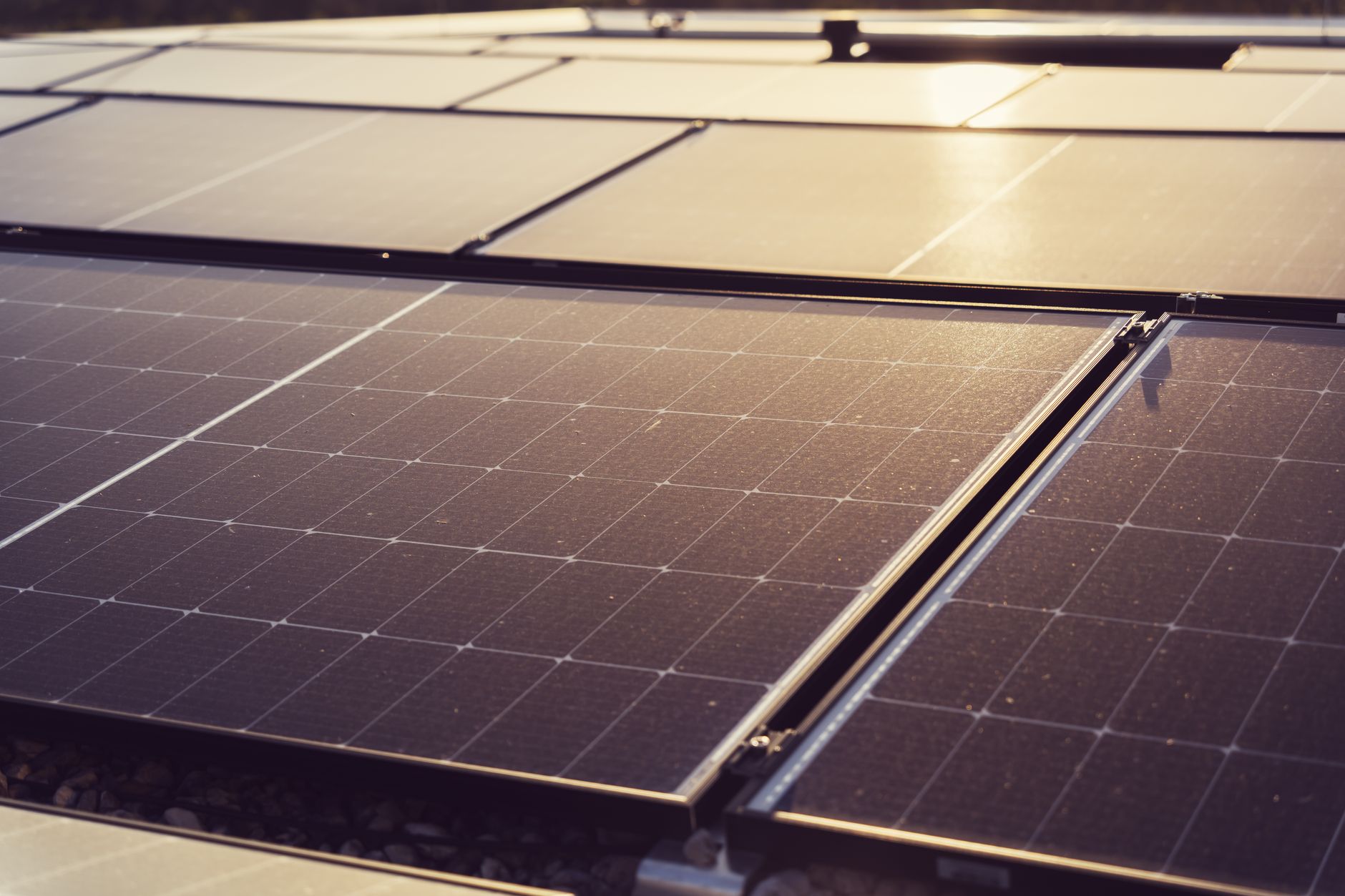
Going off-grid with solar energy offers a compelling path to energy independence and a reduced environmental footprint. At the heart of any reliable off-grid solar system lies the battery storage, which captures the sun's energy for use when panels aren't producing power. Understanding the intricacies of these systems, from initial costs to long-term returns and proper installation, is crucial for anyone considering this sustainable lifestyle.
Understanding Off-Grid Solar Battery Storage
An off-grid solar system operates entirely independently of the electrical grid, relying solely on solar panels and battery storage to power a home or property. This setup is particularly beneficial for remote locations, cabins, or residential areas where grid connection is unavailable or prohibitively expensive.
Key Components of an Off-Grid System
While solar panels generate the electricity, several other components work in harmony to create a functional off-grid system:
- Solar Panels: Convert sunlight into direct current (DC) electricity.
- Charge Controller: Regulates the flow of electricity from the solar panels to the batteries, preventing overcharging and optimizing battery performance.
- Battery Bank: Stores the DC electricity generated by the solar panels for later use. This is the focus of this article.
- Inverter: Converts the stored DC electricity from the batteries into alternating current (AC) electricity, which is what most household appliances use.
- Connected Load: Refers to the appliances and devices that draw power from the system.
- Backup Generator (Optional): Provides an alternative power source during extended periods of low solar production or high demand.
Types of Batteries for Off-Grid Systems
The choice of battery chemistry significantly impacts the performance, lifespan, and cost of an off-grid solar system. The two most common types are lead-acid and lithium-ion, with lithium iron phosphate (LiFePO4) being a dominant choice within the lithium category for off-grid applications.
Lead-Acid Batteries
Lead-acid batteries have been used in solar applications for over a century due to their lower upfront cost. However, they come with several considerations:
- Types:
- Flooded Lead-Acid (FLA): Require regular maintenance, including checking and topping off electrolyte levels with distilled water, and proper ventilation due to gas emissions. They are the most affordable but have a shorter cycle life.
- Sealed Lead-Acid (SLA): Include Absorbent Glass Mat (AGM) and Gel batteries. They are maintenance-free in terms of watering but are sensitive to overcharging and temperature extremes. AGM batteries are generally less expensive and perform better in cold temperatures than Gel batteries.
- Lifespan: Typically 3 to 7 years, or around 500 to 1,000 cycles, though enhanced flooded versions can reach 1,000-2,000 cycles.
- Depth of Discharge (DoD): Lead-acid batteries generally should not be discharged beyond 50% to maximize their lifespan.
- Efficiency: Around 80-85% efficient, meaning a portion of the stored energy is lost during charging and discharging.
- Cost: Lower upfront cost compared to lithium-ion.
Lithium-ion Batteries (LiFePO4)
Lithium-ion batteries, particularly LiFePO4 (lithium iron phosphate), are increasingly favored for off-grid systems due to their superior performance and longevity.
- Types: LiFePO4 is a common and highly regarded type for off-grid solar due to its safety, thermal stability, and long cycle life.
- Lifespan: Generally 10 to 15 years, or 2,000 to 5,000 cycles, with some estimates reaching 5,000-10,000 cycles for LiFePO4.
- Depth of Discharge (DoD): Can be discharged much deeper, typically 80-100%, without significant damage, providing more usable energy.
- Efficiency: Highly efficient, often 90-95% or more, resulting in less energy loss.
- Charge Time: Charge significantly faster than lead-acid batteries, with some capable of charging up to 80% in 30 minutes, or a full charge in about 4.9 hours under optimal conditions.
- Cost: Higher upfront cost, but often lower lifetime costs due to longer lifespan and higher efficiency.
- Maintenance: Minimal maintenance required as modern LiFePO4 systems often have internal Battery Management Systems (BMS) for cell balancing and protection.
Cost of Off-Grid Battery Storage
The cost of off-grid battery storage varies widely based on capacity, battery chemistry, brand, and installation complexity.
Battery Unit Costs
Battery units alone typically range from $5,500 to $11,000. The average cost for residential solar battery systems is often cited between $1,000 and $1,600 per usable kWh installed. For off-grid homes, which require larger capacities, battery systems can generally cost $10,000 to $25,000 or more.
- Cost per kWh: Some brands offer batteries at around $342/kWh, while others can be as high as $3,505/kWh. A 10 kWh battery might cost approximately $7,000, a 15 kWh battery around $10,500, and a 20 kWh battery upwards of $14,000 for the equipment.
- Factors Influencing Cost:
- Capacity: Larger capacity systems naturally cost more.
- Chemistry: Lithium-ion batteries have a higher upfront cost than lead-acid.
- Brand and Manufacturer: Prices differ significantly between manufacturers. For example, a Tesla Powerwall (13.5 kWh) might cost $8,000 to $9,500 for the battery alone, or $14,000 to $16,000 installed.
- Additional Equipment: Larger inverters, charge controllers, wiring, and potentially backup generators or advanced energy management systems add to the total cost.
Total System Costs
The average total installed cost for a residential solar battery system, including equipment and professional installation, typically ranges from $9,000 to $19,000. For off-grid systems, the total cost can be higher due to the need for greater storage capacity and potentially more robust balance-of-system components. Installation labor and electrical work can add $1,000 to $3,000 or more.
Return on Investment (ROI) for Off-Grid Systems
Calculating the ROI for an off-grid solar battery system involves considering both financial savings and less tangible benefits like energy independence and resilience. For grid-tied systems, a solar battery system can pay off in 5–15 years.
Financial Considerations
- Avoided Utility Bills: The most direct financial benefit for off-grid systems is the complete elimination of electricity bills. This can represent significant long-term savings, especially in areas with high electricity rates.
- Incentives and Tax Credits:
- Federal Investment Tax Credit (ITC): Historically, the federal government has offered a 30% tax credit for solar installations, including off-grid systems. However, the 30% Residential Clean Energy Credit for homeowners ended for systems placed in service after December 31, 2025. It is crucial to verify current federal, state, and local incentives as they can significantly reduce upfront costs.
- State and Local Programs: Many states and local governments offer their own rebates, tax credits, or property tax exemptions for renewable energy systems. For instance, California had a property tax exclusion for solar and solar-plus-storage systems set to expire after 2026.
- Long-Term Savings vs. Upfront Cost: While the initial investment in an off-grid system is substantial, the long-term savings from avoided utility bills and reduced reliance on fossil fuels can make it a worthwhile investment over the system's lifespan. Lithium-ion batteries, despite their higher upfront cost, often lead to lower lifetime costs due to their longer lifespan and efficiency.
Non-Financial Benefits
- Energy Independence: Freedom from utility companies and protection against grid outages.
- Environmental Impact: Reduced carbon footprint by relying on clean, renewable energy.
- Increased Property Value: Homes with solar energy systems can see an increase in property value.
Installation Guide & Considerations
Proper installation and sizing are critical for the safety, efficiency, and longevity of an off-grid solar battery system.
Sizing Your System
Accurate sizing ensures your system meets your energy needs without being oversized (wasting money) or undersized (leading to power shortages).
- Calculate Daily Energy Load: List all electrical appliances and devices you plan to power. For each, determine its running wattage and how many hours it will operate per day. Multiply watts by hours to get watt-hours (Wh) per day for each item, then sum them for your total daily energy consumption in kWh.
- Determine Days of Autonomy: This is the number of days your battery bank needs to power your home without any solar input (e.g., during cloudy weather or winter). Most off-grid designs plan for 2 to 5 days of autonomy.
- Calculate Required Battery Capacity (kWh):
- Multiply your daily energy load (kWh) by your target days of autonomy.
- Divide this number by the battery's usable depth of discharge (DoD). For lithium (LiFePO4) batteries, use 80-100% DoD (e.g., 0.80 or 0.90). For lead-acid, use around 50% DoD (e.g., 0.50).
Example: A 6 kWh daily load with 3 days of autonomy and a lithium bank with 90% DoD: (6 kWh * 3 days) / 0.90 = 20 kWh of battery bank capacity needed.
- Determine System Voltage: 48V is standard for whole-home off-grid battery banks, offering better efficiency and cost-effectiveness for higher amperage systems. 12V and 24V are suitable for smaller loads.
- Size Inverter and Charge Controller: The inverter must handle your peak simultaneous load (the total wattage of all appliances you might run at once). The charge controller's amperage should be sized based on the power produced by your solar panels and the battery bank's voltage.
Installation Steps (General Overview)
While professional installation is often recommended, especially for complex systems, here's a general sequence:
- Mount Solar Panels: Install panels in an optimal location for sunlight exposure.
- Install Charge Controller: Connect the charge controller to the battery bank first, then connect the solar panels to the charge controller. Ensure proper wiring and matching polarity (+ to + and - to -).
- Install Inverter: Connect the inverter to the battery bank, again matching polarity. Ensure the inverter voltage matches the battery bank voltage.
- Battery Placement and Wiring:
- Place batteries in a cool, dry, well-ventilated space, away from direct sunlight and extreme temperatures.
- For multiple batteries, balance power cables to encourage balanced charging and discharging. Connect the inverter positive cable to the first battery and the negative cable to the last battery in a parallel setup.
- Ensure all connections are tight and secure.
- System Testing and Monitoring: After installation, test the system thoroughly and monitor its performance.
DIY vs. Professional Installation
While some smaller off-grid systems can be a DIY project, larger whole-home systems often benefit from professional installation due to complexity, safety considerations, and compliance with electrical codes and permits.
Maintenance Tips
Regular maintenance extends the life and efficiency of your off-grid battery system.
- Regular Inspections: Visually inspect for corrosion on terminals, loose connections, or physical damage.
- Cleaning: Clean terminals with a wire brush and a baking soda solution (for lead-acid batteries). Keep the battery area free of debris.
- Electrolyte Levels (FLA Batteries): For flooded lead-acid batteries, check electrolyte levels monthly and top up with distilled water as needed.
- Ventilation: Ensure adequate ventilation, especially for lead-acid batteries that release hydrogen gas.
- Temperature Management: Batteries perform best in moderate, stable temperature ranges. Protect them from extreme heat or cold.
- Monitoring: For modern lithium systems with a Battery Management System (BMS), monitor performance via an app or dashboard.
- Avoid Deep Discharges (Lead-Acid): Routinely draining lead-acid batteries below 50% shortens their lifespan.
- Firmware Updates: Keep modern battery and inverter systems updated with the latest firmware for optimal performance and safety.
Frequently Asked Questions
How long do off-grid solar batteries typically last?
Most solar batteries, particularly lithium-ion, maintain strong performance for 10 to 15 years before needing replacement. Lead-acid batteries generally last 3 to 7 years.
Can I really go completely off-grid with solar and batteries?
Yes, it is possible to go completely off-grid. However, it requires careful system design, accurate energy usage calculations, and sufficient battery storage to cover periods of low solar production.
Are there incentives for off-grid solar battery storage?
While the federal 30% Residential Clean Energy Credit for homeowners ended after December 31, 2025, various state and local incentives, rebates, and tax credits may still be available. It's important to check current programs in your specific location.
Bottom Line
Investing in off-grid solar energy battery storage is a significant decision that offers long-term benefits in energy independence and sustainability. While the upfront costs can be substantial, particularly for robust lithium-ion systems, the decreasing prices of solar technology, coupled with potential savings on utility bills and available incentives, can make the return on investment compelling over time. Careful planning, accurate system sizing, and diligent maintenance are key to building a reliable and efficient off-grid power system that serves your needs for years to come.
Sources
- foxtechsolar.com (foxtechsolar.com)
- sinovoltaics.com (sinovoltaics.com)
- altestore.com (altestore.com)
- anernstore.com (anernstore.com)
- felicitysolar.com (felicitysolar.com)
- gogreensolar.com (gogreensolar.com)
- ecobnb.com (ecobnb.com)
- offgridsource.com (offgridsource.com)


Comments (0)
To comment, please login or register.
No comments yet. Be the first to comment!