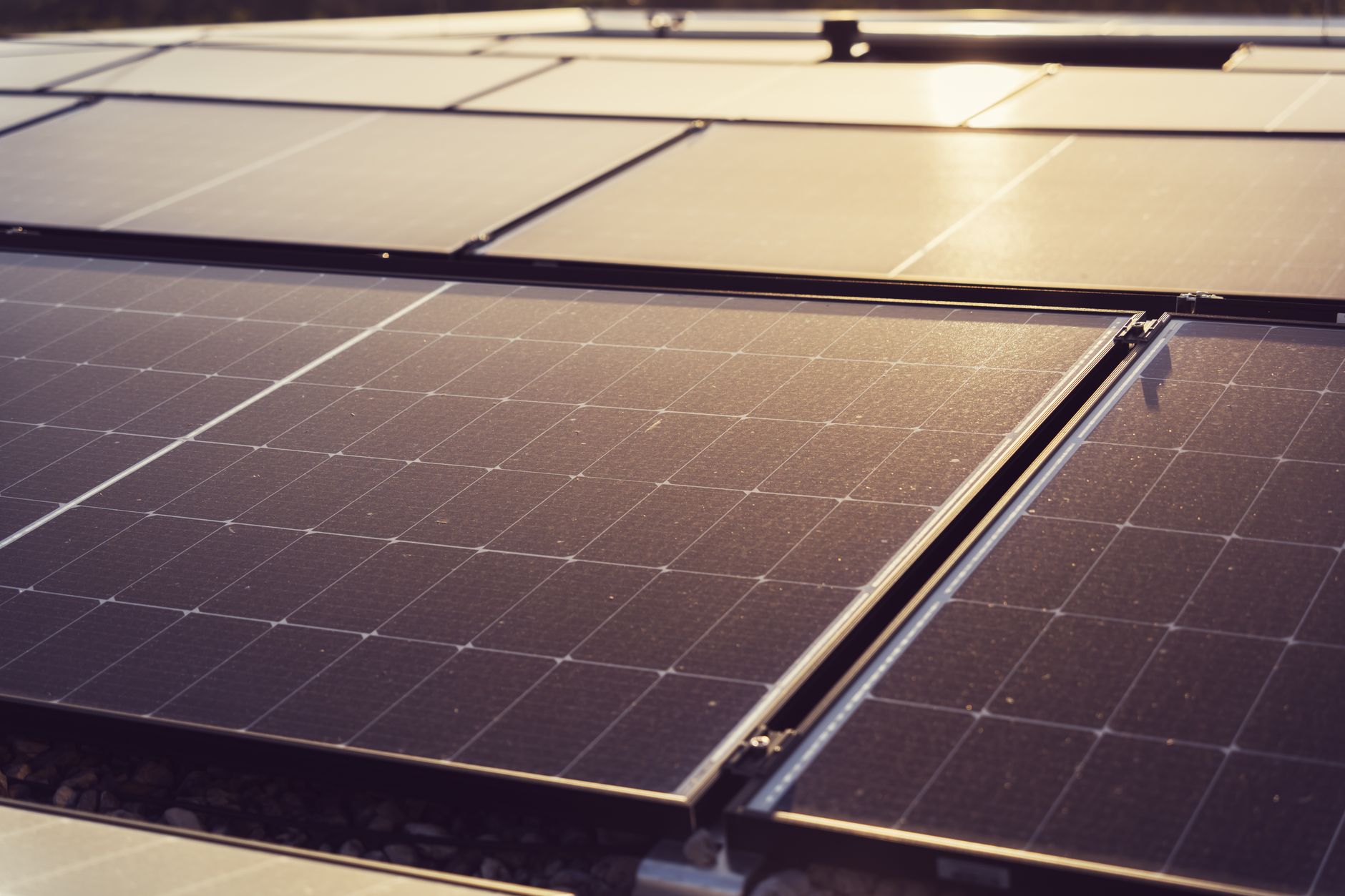
In an era defined by increasing energy costs, intermittent grid reliability, and a collective push towards decarbonization, the concept of energy independence at the household level is no longer a distant ideal. It's a tangible reality, and at its core sits the home battery storage system. At biMoola.net, we've extensively tracked the burgeoning residential energy landscape, and one undeniable trend is the accelerating adoption of these sophisticated units. This article cuts through the noise to provide an in-depth, expert-level understanding of home batteries, drawing from our team's hands-on insights and robust industry analysis. You'll learn why these systems are more critical than ever, delve into their technological underpinnings, understand the true financial implications, and get a clear roadmap for installation, empowering you to make informed decisions about your home's energy future.
The Evolving Landscape of Residential Energy Storage
The traditional model of electricity generation and consumption—a centralized grid delivering power on demand—is undergoing a profound transformation. As consumers, we're witnessing more frequent grid disturbances, from severe weather-induced outages to strained infrastructure during peak demand. This backdrop makes the prospect of localized, resilient energy solutions incredibly appealing. Home battery systems are no longer just for off-grid enthusiasts; they are a mainstream solution for enhancing energy security and optimizing energy consumption.
Why Home Batteries Are More Relevant Than Ever
Several converging factors are driving the surge in home battery interest:
- Grid Resilience: According to the U.S. Energy Information Administration (EIA), the frequency and duration of power outages have been increasing over the past decade, especially in regions prone to extreme weather events. A home battery provides an invaluable buffer, maintaining power to critical loads during grid failures.
- Renewables Integration: For homes with rooftop solar photovoltaic (PV) systems, batteries unlock the full potential of renewable energy. Instead of sending excess solar power back to the grid for minimal credit (or sometimes none at all, depending on local net metering policies), it can be stored for use when the sun isn't shining. This maximizes self-consumption and reduces reliance on grid electricity, particularly during expensive peak hours.
- Financial Optimization: Beyond mere backup, smart battery systems can be programmed to charge when electricity rates are low (e.g., overnight) and discharge during high-rate periods (peak shaving), significantly reducing utility bills. In areas with demand charges, this capability is even more critical.
- Environmental Stewardship: By facilitating greater solar self-consumption and reducing reliance on fossil-fuel-generated grid power, home batteries contribute directly to a lower carbon footprint for individual households, aligning with broader sustainable living goals.
Beyond Backup Power: A Holistic Energy Solution
Our analysis at biMoola.net indicates that the perception of home batteries is shifting from a simple generator replacement to a sophisticated component of a comprehensive home energy management system. Advanced battery inverters and software can integrate seamlessly with smart home platforms, electric vehicle (EV) chargers, and grid services. This allows homeowners to participate in virtual power plants (VPPs), where their battery can dispatch stored energy back to the grid during high demand, earning them credits or payments. This level of intelligent energy arbitrage transforms batteries from passive storage units into active participants in the modern energy ecosystem.
Deconstructing Home Battery Technology: Types and Performance
While the market is seeing innovation across various battery chemistries, lithium-ion remains the undisputed leader in residential applications due to its energy density, efficiency, and declining costs.
Lithium-ion: The Dominant Player
Within the lithium-ion family, two primary chemistries dominate the home storage market:
- Lithium Nickel Manganese Cobalt (NMC): Historically prevalent, NMC batteries offer high energy density, meaning more power in a smaller footprint. However, they can be more susceptible to thermal runaway (though modern systems have advanced safety features) and generally have a shorter cycle life compared to LFP. Brands like Tesla Powerwall frequently utilize NMC.
- Lithium Iron Phosphate (LFP): Gaining significant traction, LFP batteries are prized for their exceptional safety, longer cycle life, and thermal stability. While they typically have a slightly lower energy density than NMC, their robustness and performance consistency over thousands of cycles make them ideal for daily cycling applications. Many newer offerings from companies like Enphase and LG Chem are transitioning to LFP.
The choice between NMC and LFP often comes down to balancing space constraints, desired lifespan, and specific safety considerations. For most homeowners prioritizing longevity and safety, LFP is becoming the preferred option, a trend we anticipate will continue to accelerate as manufacturing scales.
Key Metrics: Capacity, Power, Depth of Discharge, Cycle Life, Efficiency
Understanding these specifications is crucial when evaluating a home battery:
- Capacity (kWh): This measures the total amount of energy the battery can store. A typical home might need 10-20 kWh to cover essential loads during an outage or to optimize solar self-consumption.
- Power (kW): This indicates how much electricity the battery can deliver at any given moment. Higher power ratings mean the battery can run more appliances simultaneously.
- Depth of Discharge (DoD): This is the percentage of the battery's capacity that can be used without damaging it. Modern lithium-ion batteries typically allow 90-100% DoD.
- Cycle Life: The number of charge-discharge cycles a battery can endure before its capacity significantly degrades. Most residential batteries are warrantied for 10-15 years or a certain number of cycles (e.g., 6,000-10,000 cycles), ensuring long-term performance.
- Round-Trip Efficiency: The percentage of energy put into the battery that can be retrieved. High-quality lithium-ion batteries boast efficiencies of 90% or more, meaning minimal energy loss during storage and retrieval.
The Financial Equation: Costs, Incentives, and ROI
The upfront cost of a home battery system is a significant consideration, but it's crucial to evaluate it against the long-term savings, incentives, and enhanced energy security.
Upfront Investment: What to Expect
The total cost of a residential battery system encompasses several components:
- Battery Unit(s): This is the core component. A single 10-13.5 kWh battery unit typically costs between $7,000 and $12,000.
- Inverter/Hybrid Inverter: Critical for converting DC battery power to AC for home use, or managing both solar and battery power. Costs can range from $2,000 to $5,000.
- Installation Labor & Hardware: This includes mounting hardware, wiring, conduit, electrical panel upgrades (if needed), and the labor for certified electricians. This can add $3,000 to $8,000 or more, depending on complexity.
- Permitting & Inspections: Local regulations require permits and inspections, typically a few hundred to over a thousand dollars.
A complete, installed 10-13.5 kWh home battery system often falls within the range of $15,000 to $25,000 before incentives. Dual-battery systems or more complex integrations will naturally cost more.
Navigating Incentives: Federal, State, and Local Programs
This is where the financial landscape brightens considerably:
- Federal Investment Tax Credit (ITC): The Inflation Reduction Act (IRA) of 2022 extended and expanded the ITC, offering a 30% federal tax credit for standalone battery storage installations of at least 3 kWh. This is a direct reduction of your tax liability and significantly reduces the net cost. Learn more about the ITC here.
- State and Local Incentives: Many states and municipalities offer additional rebates, tax credits, or performance-based incentives. California's Self-Generation Incentive Program (SGIP) and Massachusetts' Clean Peak Energy Standard are prime examples that can drastically reduce out-of-pocket expenses.
- Utility Programs: Some utilities offer incentives for customers to install batteries, particularly if they can participate in demand response programs or VPPs.
Calculating Return on Investment: Beyond Monetary Savings
While monetary savings from reduced utility bills and grid arbitrage are quantifiable, the ROI of a home battery extends beyond simple economics:
- Energy Security: The intangible value of having reliable power during outages is often cited by homeowners as a primary motivator, providing peace of mind and protecting against food spoilage, lost work, or discomfort.
- Increased Home Value: Studies, such as those by the National Renewable Energy Laboratory (NREL), have indicated that homes with integrated solar-plus-storage systems often command higher resale values.
- Environmental Impact: Contributing to a cleaner energy grid and reducing personal carbon emissions offers significant non-monetary returns aligned with sustainable living principles.
Typical Home Battery System Cost Comparison (before incentives)
| Battery System (10-13.5 kWh) | Approx. Unit Cost (USD) | Estimated Installation (USD) | Total Estimated Cost (USD) |
|---|---|---|---|
| Tesla Powerwall 2 (13.5 kWh) | $9,200 - $11,000 | $4,000 - $6,000 | $13,200 - $17,000 |
| Enphase Encharge 10 (10.1 kWh) | $7,500 - $9,500 | $3,500 - $5,500 | $11,000 - $15,000 |
| LG Chem RESU 10H Prime (9.6 kWh) | $7,000 - $9,000 | $3,500 - $5,500 | $10,500 - $14,500 |
| Generac PWRcell 12 (12 kWh) | $8,500 - $10,500 | $4,000 - $6,000 | $12,500 - $16,500 |
Note: These are estimated costs as of late 2023/early 2024 and can vary significantly based on location, installer, specific system configuration, and additional electrical work required.
From Concept to Connection: The Installation Journey
Installing a home battery is a significant undertaking that requires professional expertise to ensure safety, compliance, and optimal performance.
Site Assessment and System Design
The first step involves a detailed energy audit and site assessment. A qualified installer will evaluate your average and peak energy consumption, identify critical loads you wish to power during an outage, and assess your existing electrical infrastructure. For homes with solar, they'll analyze your current solar production and how the battery can best integrate to maximize self-consumption or offset peak rates. This stage often involves: Research from NREL highlights the optimization potential of solar+storage.
- Load Analysis: Determining which appliances (refrigerator, lights, internet, well pump, etc.) are essential.
- System Sizing: Matching battery capacity and power output to your specific needs.
- Location Planning: Identifying a suitable, safe location for the battery (garage, utility room, outside wall) with adequate ventilation and protection from the elements.
- Electrical Panel Evaluation: Assessing if your existing electrical panel can support the new load or if an upgrade/sub-panel is required.
The Professional Installation Process
Once the design is finalized and permits are secured, the physical installation typically involves:
- Mounting: The battery unit(s) and inverter are securely mounted, often to a wall.
- Electrical Wiring: This is the most critical phase, involving safely connecting the battery and inverter to your home's electrical panel. For backup power, a transfer switch is installed to automatically switch your home to battery power when the grid goes down.
- System Integration: Connecting the battery management system (BMS) with your solar inverter (if applicable) and home energy monitoring platform.
- Commissioning & Testing: The system is powered on, configured, and thoroughly tested to ensure all components are communicating and operating correctly.
- Customer Handover: The installer will explain how to monitor and operate your system, including smartphone app usage and basic troubleshooting.
The entire process, from initial consultation to final commissioning, can take several weeks to a few months, largely depending on permitting times and installer availability. The actual on-site installation typically spans 1-3 days.
Post-Installation: Monitoring and Maintenance
Modern home battery systems require minimal hands-on maintenance. However, regular monitoring through dedicated apps or web portals is essential. These platforms provide real-time data on battery charge level, energy flow (solar production, home consumption, grid import/export), and system performance. Key aspects to watch for:
- Software Updates: Manufacturers frequently push over-the-air updates to improve performance, add features, and enhance security.
- Performance Anomalies: Keep an eye out for unexpected drops in efficiency or unusual charging/discharging patterns.
- Physical Inspection: Periodically check the battery unit for any visible damage or obstructions to ventilation.
Most issues can be diagnosed and often resolved remotely by your installer or the manufacturer's support team. It’s imperative to choose an installer with a strong reputation for post-installation support.
Expert Analysis: Navigating the Future of Home Energy Autonomy
At biMoola.net, we view home battery storage not merely as a product, but as a foundational element in the emerging decentralized energy paradigm. The insights we've gathered from industry leaders and early adopters point to several critical trajectories and considerations.
One primary observation is the growing intelligence of these systems. The true power of a home battery isn't just its capacity, but its ability to smartly interact with the grid, weather forecasts, and even dynamic electricity pricing. AI and machine learning are increasingly integrated into battery management systems, allowing for predictive charging and discharging strategies that maximize economic benefit and grid stability simultaneously. This capability transforms individual homes into 'prosumers' – both producers and consumers – making them active participants in grid balancing rather than just passive loads.
However, the journey to widespread home energy autonomy isn't without hurdles. Standardization across different manufacturers remains a challenge. While some brands offer integrated solar and storage solutions (e.g., Enphase, Tesla), interoperability with existing, disparate systems can still be complex. This fragmentation can complicate choices for homeowners and make system expansion less straightforward than it should be.
Another area of focus for us is the long-term sustainability of battery materials and recycling. As demand for lithium-ion batteries surges, responsible sourcing of raw materials and robust end-of-life recycling programs become paramount. We expect to see more innovation in 'second-life' applications for EV batteries in stationary storage, as well as advancements in fully circular battery economies.
Ultimately, the future of home energy autonomy lies in a holistic approach. It’s not just about installing a battery; it’s about optimizing energy efficiency in the home first, then integrating solar PV, and finally layering on smart storage. The synergy between these elements, orchestrated by intelligent software, is what will truly unlock a resilient, sustainable, and cost-effective energy future for individual households. The initial investment, while substantial, must be viewed through the lens of long-term value, peace of mind, and a tangible contribution to a greener planet.
Practical Considerations for Prospective Owners
Before committing to a home battery system, a few critical considerations will help ensure you select the right solution for your specific circumstances.
Assessing Your Energy Needs and Goals
The first step is introspection. Do you primarily want backup power for essential appliances during outages? Are you looking to maximize your solar self-consumption and eliminate grid reliance during peak hours? Or is your goal to participate in lucrative utility programs?
- Backup Prioritization: If resilience is key, map out your essential loads and calculate their power draw (kW) and expected run time (hours). This will directly inform the required battery capacity (kWh) and power output (kW).
- Solar Optimization: If you have solar, review your monthly electricity bills to understand your usage patterns and how much solar energy you currently export. A battery can significantly reduce or eliminate these exports, especially if your utility's net metering policy is unfavorable.
- Future-Proofing: Consider potential future needs, such as EV charging, which can dramatically increase household energy demand. Sizing a system with some headroom can avoid costly upgrades later.
Compatibility with Existing Solar PV Systems
Not all battery systems are compatible with all solar inverters. It's crucial to verify compatibility with your existing solar setup:
- AC-Coupled vs. DC-Coupled: Some batteries (AC-coupled) integrate easily with existing solar systems by connecting on the AC side of your main electrical panel. Others (DC-coupled) require a hybrid inverter that manages both solar and battery charging, often making them more efficient but potentially more complex to retrofit.
- Brand Ecosystems: Many manufacturers offer integrated solar-plus-storage solutions (e.g., Enphase microinverters with Encharge batteries). Sticking within an ecosystem can simplify installation and ensure seamless operation and warranty coverage.
Understanding Warranties and Long-Term Support
Home batteries are a significant investment, and their long-term performance is critical. Thoroughly review the warranty terms:
- Performance Warranty: Most manufacturers guarantee a certain percentage of the original capacity (e.g., 70-80%) after 10 years or a specific number of cycles.
- Equipment Warranty: Covers defects in materials and workmanship for a specified period.
- Installer Warranty: Ensure your chosen installer provides a warranty on their labor and installation quality.
Beyond the warranty, assess the manufacturer's and installer's reputation for customer service and technical support. A reliable partner ensures peace of mind for the lifetime of your system.
Key Takeaways
- Home battery storage is evolving beyond simple backup, offering comprehensive energy management for grid resilience, solar optimization, and financial savings.
- Lithium-ion batteries, particularly LFP chemistry, lead the market due to their efficiency, safety, and longevity, with continuous innovation in performance metrics.
- While upfront costs range from $15,000-$25,000 for a typical system, significant federal incentives (like the 30% ITC) and state programs can dramatically reduce the net investment.
- Professional installation is non-negotiable, requiring expert assessment, design, electrical work, and adherence to local permitting for safety and optimal operation.
- The true value of home batteries extends beyond monetary ROI, encompassing energy independence, increased home value, and a tangible contribution to sustainable living.
Frequently Asked Questions About Home Batteries
Q: How long can a home battery power my house during an outage?
A: The duration depends entirely on the battery's capacity (kWh) and your household's energy consumption (kW) during the outage. A typical 10-13.5 kWh battery, powering only essential loads like a refrigerator, some lights, and internet, could last 12-24 hours or even longer. If you try to run high-draw appliances like air conditioning or electric ranges, the battery's charge will deplete much faster, potentially in just a few hours. Proper system sizing during the design phase is crucial for meeting your specific backup goals.
Q: Do home batteries require maintenance?
A: Modern lithium-ion home batteries are largely maintenance-free. They are designed for sealed operation and include sophisticated Battery Management Systems (BMS) that actively monitor and optimize their performance. Homeowners typically only need to monitor the system's performance via a smartphone app. It's recommended to periodically check the physical installation for any obstructions or visible damage, and ensure software updates are applied. Professional annual check-ups are generally not required but can be arranged if desired, particularly for commercial or complex systems.
Q: Can I install a home battery without solar panels?
A: Yes, absolutely. Thanks to the Inflation Reduction Act (IRA) of 2022, standalone battery storage systems (with at least 3 kWh capacity) now qualify for the 30% federal Investment Tax Credit (ITC). Installing a battery without solar can still provide significant benefits, such as backup power during outages and financial savings through 'time-of-use' arbitrage (charging when electricity is cheap and discharging when it's expensive). While solar + storage offers the most comprehensive energy independence, a standalone battery is a viable and increasingly popular option for enhancing grid resilience and optimizing utility bills.
Q: What are the primary safety concerns with home batteries?
A: Modern residential battery systems are designed with multiple layers of safety features and must comply with rigorous international standards (e.g., UL 9540). The primary concerns, largely mitigated by proper installation and technology, relate to thermal runaway (overheating) and electrical hazards. Reputable installers adhere to strict electrical codes and ensure proper ventilation, fire suppression (if required by local codes), and secure mounting. Choosing certified products and a qualified, experienced installer is paramount to ensuring the safe operation of your home battery system.
Comments (0)
To comment, please login or register.
No comments yet. Be the first to comment!