Advertisement
Advertise Here Header Banner · 728×90 · Full Width · Sitewide
Get Started →
Energy Saving

Europe's Solar Surge: Daily Savings & Resilience Amid Energy Crises

Listen to this article Press play to start reading aloud
Written by the biMoola Editorial Team | Fact-checked | Published 2026-06-14 Our editorial standards →

In an era defined by rapid technological advancement and escalating geopolitical uncertainties, the global energy landscape is undergoing a profound transformation. For Europe, in particular, the last few years have underscored the critical need for robust energy independence and sustainability. A compelling figure recently emerged, highlighting that solar energy has been saving European nations an estimated €136 million per day since the onset of significant international conflicts that destabilized energy markets. This isn't just a number; it's a testament to the continent's accelerated pivot towards renewable sources and a powerful indicator of solar's burgeoning role as a strategic asset. As a senior editorial writer for biMoola.net, deeply immersed in the intersections of AI, productivity, health tech, and sustainable living, I've observed this shift with keen interest. This article will delve into the mechanisms behind these monumental savings, explore the broader implications for Europe's energy future, and offer original insights into how this transition is shaping not only economies but also environmental resilience and technological innovation.

Readers will gain an in-depth understanding of the economic imperative driving Europe's solar boom, the impressive growth statistics, the broader benefits beyond cost savings, and the inherent challenges that must be addressed for a truly sustainable energy future. We'll explore the strategic foresight that led to this acceleration and what lessons can be drawn for other regions grappling with similar energy dilemmas.

The Geopolitical Catalyst: Fueling Europe's Renewable Resolve

The early 2020s marked a dramatic inflection point for Europe's energy strategy. Decades of reliance on imported fossil fuels, particularly natural gas from certain geopolitical flashpoints, suddenly presented an existential vulnerability. The eruption of international conflicts in 2022 sent shockwaves through global energy markets, exposing the fragility of existing supply chains and prompting an unprecedented surge in energy prices across the continent.

Unpacking the Energy Market Shock

Before 2022, European natural gas prices, as benchmarked by the Title Transfer Facility (TTF) futures, typically hovered around €20-30 per megawatt-hour (MWh). However, by August 2022, prices catastrophically soared to over €300/MWh, a tenfold increase that threatened to cripple industries, decimate household budgets, and trigger widespread economic instability. This extreme volatility wasn't just a market blip; it was a stark, undeniable signal that the status quo was unsustainable. Countries like Germany, heavily reliant on Russian gas, faced immediate and severe challenges, prompting urgent policy shifts and investment drives.

The Urgency of Energy Independence

The crisis galvanized European leaders around a singular, overriding objective: accelerated energy independence. The European Commission launched initiatives like REPowerEU, setting ambitious targets to rapidly diversify energy supplies and significantly boost renewable energy deployment. The plan aimed to make Europe independent from Russian fossil fuels well before 2030, with specific goals for solar PV. This wasn't merely an environmental aspiration anymore; it became a matter of national security and economic survival. The political will, previously a bottleneck for faster renewable adoption, suddenly became an accelerator, cutting through bureaucratic red tape and unlocking substantial funding.

Solar's Unprecedented Ascent Across the Continent

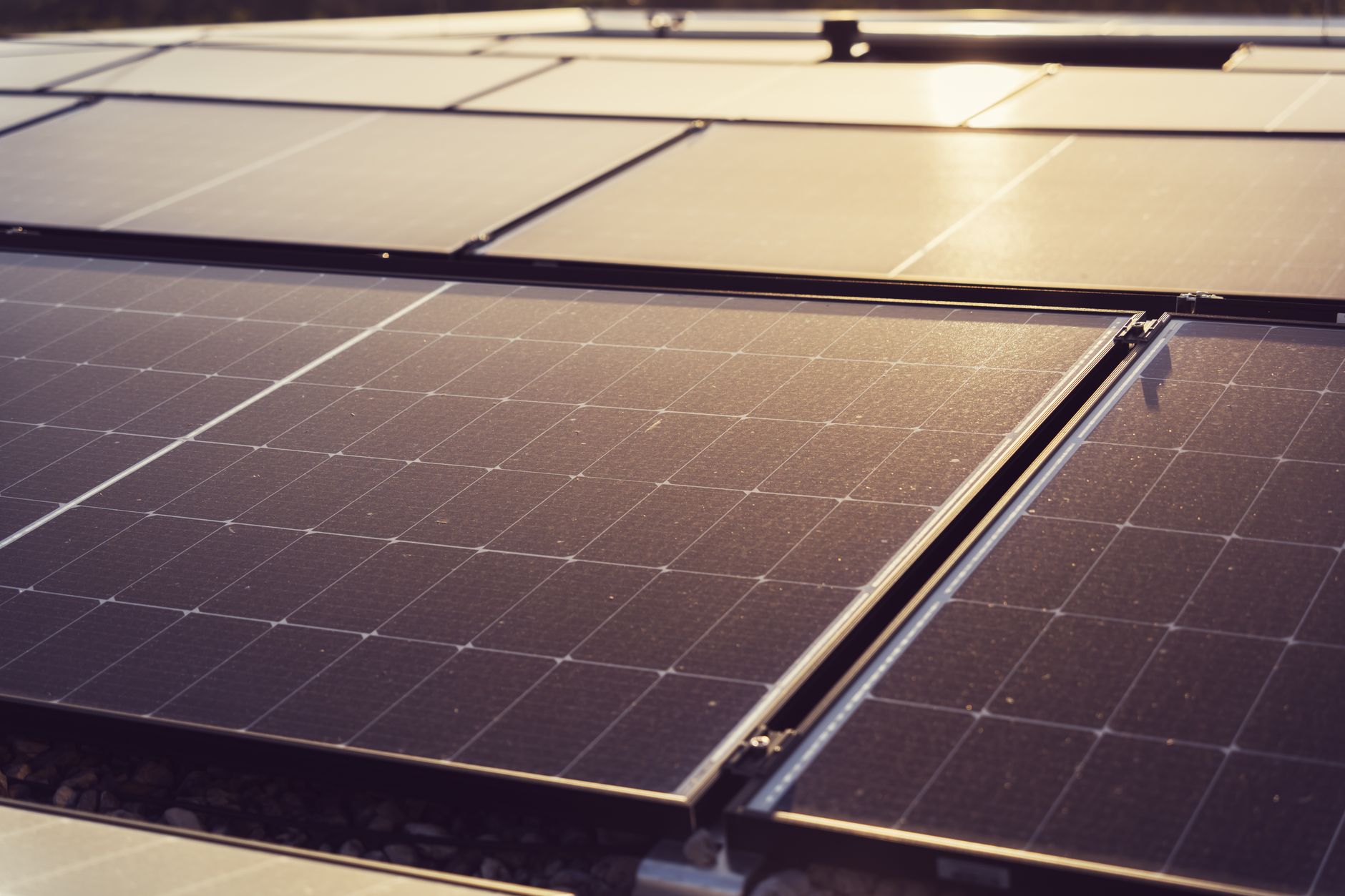
In response to this geopolitical and economic imperative, Europe witnessed an astonishing surge in solar energy adoption. Governments, businesses, and individual households recognized solar as a readily deployable, decentralized solution to both energy security and cost stability.

Record-Breaking Installations and Capacity

The statistics speak volumes about Europe's solar commitment. According to SolarPower Europe, the continent added an astounding 56 GW of new solar PV capacity in 2023, representing a remarkable 40% increase from the 41.4 GW installed in 2022. This rapid growth pushed Europe's total installed solar capacity beyond 260 GW by the end of 2023. Germany led the charge, installing a record 14.3 GW in 2023, followed by Spain (8.2 GW) and Italy (5.2 GW). This isn't just large-scale solar farms; rooftop solar installations on homes and businesses have also exploded, demonstrating widespread public engagement and investment. The speed of deployment for solar PV—from planning to grid connection—is significantly faster than most other energy generation types, making it an ideal candidate for rapid crisis response.

The Economic Logic of Sunlight

The rationale for this solar boom extends beyond merely reacting to a crisis. The Levelized Cost of Energy (LCOE) for solar PV has plummeted dramatically over the past decade, making it one of the cheapest forms of electricity generation available today. A 2023 report by the International Renewable Energy Agency (IRENA) highlighted that solar PV's global average LCOE had fallen by 89% between 2010 and 2022. This inherent cost-effectiveness meant that investing in solar wasn't just a defensive move against volatile gas prices; it was a sound economic decision that offered long-term price stability and predictability for consumers and industries alike. Every MWh generated by solar displaces an MWh that would otherwise likely come from a more expensive, often imported, fossil fuel source, leading to direct and tangible savings.

Quantifying the Impact: Millions Saved Daily

The figure of €136 million saved per day by Europe's solar capacity since the onset of the recent energy crisis is a powerful illustration of solar's direct economic contribution. To understand this figure, we must look at how solar generation directly impacts wholesale electricity markets.

When solar panels generate electricity, they feed into the grid, reducing the demand for power from other, often more expensive, sources. In a market where marginal pricing determines wholesale electricity costs—meaning the most expensive unit of electricity needed to meet demand sets the price for all electricity—solar's zero marginal cost generation has a profound “merit order effect.” This effect significantly lowers overall wholesale electricity prices, benefiting all consumers, not just those with solar panels. During peak daylight hours, especially in sun-rich regions of Southern Europe, solar often drives down prices to near zero, or even negative, levels.

This daily saving calculation typically factors in the volume of electricity generated by solar across Europe, multiplied by the avoided cost of alternative, higher-priced electricity generation (primarily natural gas) during periods of high fossil fuel prices. For instance, if solar generates X GWh of electricity, and the alternative cost of generating that electricity from gas was Y euros per MWh, then the total avoided cost is X * Y. During the peak of the energy crisis, with gas prices extremely high, the value of displaced fossil fuel electricity was immense, leading to these staggering daily savings. This isn't theoretical; it's a direct reflection of reduced gas imports and the downward pressure on electricity prices created by increasing solar penetration.

Beyond Savings: Broader Benefits of Solar Integration

While the immediate economic savings are compelling, the true value of Europe's solar acceleration extends far beyond the daily balance sheet. It underpins a more resilient, sustainable, and innovative future for the continent.

Strengthening Energy Security

Perhaps the most critical non-financial benefit is enhanced energy security. Solar power is indigenous; it harvests local sunlight, reducing reliance on volatile international energy markets and autocratic regimes. Every new solar panel installed lessens Europe's dependency on imported fossil fuels, bolstering strategic autonomy and insulating economies from future geopolitical shocks. This decentralization also adds robustness to the energy system, making it less susceptible to single points of failure.

Environmental Dividends

The environmental advantages of solar are well-documented. Each MWh of solar electricity generated prevents the emission of hundreds of kilograms of CO2 and other pollutants that contribute to climate change and air quality issues. As Europe strives to meet its ambitious 2030 climate targets and achieve net-zero emissions by 2050, solar energy is an indispensable tool. The rapid deployment helps decarbonize electricity grids, providing a cleaner, healthier environment for all citizens.

Job Creation and Innovation

The growth of the solar sector is also a significant economic engine, creating hundreds of thousands of jobs across the value chain—from manufacturing and installation to maintenance and R&D. According to a 2023 report by the International Energy Agency (IEA), the clean energy sector is projected to create millions of new jobs globally by 2030. Europe, with its strong industrial base and focus on green technologies, is poised to capture a significant share of this growth. Furthermore, the push for solar drives innovation in areas like battery storage, smart grids, and advanced materials, fostering a dynamic ecosystem of technological advancement.

Overcoming Hurdles: The Path to a Solar-Powered Future

Despite solar's impressive trajectory, the path to a fully solar-powered future is not without its challenges. Addressing these hurdles is crucial for sustaining the current momentum and fully realizing solar's potential.

Grid Modernization and Storage Solutions

The intermittent nature of solar power—it only generates electricity when the sun shines—necessitates significant investment in grid modernization and energy storage. Grids must become smarter, capable of dynamically managing distributed generation and bidirectional power flows. Battery storage technologies, ranging from utility-scale installations to residential units, are vital for storing excess solar energy generated during the day for use during evenings or cloudy periods. Pumped-hydro storage also plays a role in some regions. Continued innovation and cost reduction in these areas are paramount for ensuring grid stability and reliability with high solar penetration.

Policy Support and Public Engagement

Sustained political commitment and clear, stable policy frameworks are essential. This includes streamlined permitting processes for new installations, continued financial incentives (where necessary), and robust regulatory support for grid upgrades. Public engagement is also key; educating citizens about the benefits of solar, facilitating easier adoption of rooftop PV, and addressing concerns about land use for large-scale projects will ensure broad societal buy-in. Europe’s recent rapid progress demonstrates that when policies align with urgent needs, transformation can be swift and decisive.

Expert Analysis: A Paradigm Shift Underway

From biMoola.net's perspective, what we're witnessing in Europe is not just a tactical response to an energy crisis, but a fundamental paradigm shift in how societies perceive and procure energy. The €136 million daily savings figure is more than a monetary sum; it's a metric of regained sovereignty and resilience. It underscores a crucial lesson: that genuine long-term security is inextricably linked to sustainable, domestically produced energy.

The rapid acceleration of solar deployment, driven by external shocks rather than purely internal environmental mandates, suggests a tipping point has been reached. The economic argument for renewables, long overshadowed by perceived upfront costs or technical limitations, is now overwhelmingly clear. We are seeing a virtuous cycle emerge where increased deployment drives further cost reductions and technological innovation, making solar even more attractive. This dynamic will undoubtedly reverberate globally, inspiring similar transitions in other regions. However, the true test will be maintaining this momentum beyond the immediate crisis, ensuring that infrastructure, policy, and public support evolve to match the scale of ambition required for a fully decarbonized energy system. The integration of AI for grid management and predictive maintenance for solar farms, a core interest of biMoola.net, will be pivotal in this next phase, optimizing efficiency and further enhancing reliability.

European Solar Energy Growth & Impact (2021-2023)

Metric 2021 2022 2023
New Solar PV Installations (GW) 28.2 41.4 56.0
Total Installed Capacity (GW, End of Year) ~180 ~230 ~260
Growth Rate (YoY New Installations) - ~47% ~35%
Estimated Daily Savings (Due to Solar Displacement) Low Rising to €136M Sustained High

Sources: SolarPower Europe, Industry Analysis. Estimated daily savings are a high-level aggregate, reflecting peak crisis values.

Key Takeaways

  • Geopolitical instability in 2022 drastically escalated Europe's energy prices and fueled an urgent drive for energy independence.
  • Solar PV has emerged as a rapid, cost-effective solution, leading to record-breaking installations across Europe (56 GW in 2023).
  • The continent's solar capacity is now saving an estimated €136 million per day by displacing more expensive fossil fuel-generated electricity.
  • Beyond direct savings, solar significantly enhances energy security, accelerates decarbonization, and stimulates green job creation and innovation.
  • Sustained growth requires ongoing investment in grid modernization, energy storage solutions, and supportive, consistent policy frameworks.

Q: How is the €136 million per day saving figure calculated?

A: This figure is typically derived by calculating the total amount of electricity generated by solar PV across Europe during a specific period (since the energy crisis began) and multiplying it by the avoided cost of producing that same amount of electricity from more expensive sources, primarily natural gas. During periods of high gas prices, the value of displaced fossil fuel electricity becomes exceptionally high, leading to substantial savings. It reflects the direct reduction in gas imports and the downward pressure solar puts on wholesale electricity prices.

Q: What are the main challenges to further solar expansion in Europe?

A: The primary challenges include the need for extensive grid modernization to handle intermittent renewable energy, the development and deployment of robust energy storage solutions (like batteries) to balance supply and demand, and streamlining complex permitting processes for new installations. Land use for large-scale solar farms can also be a point of contention, requiring careful planning and community engagement. Overcoming these requires significant investment and coordinated policy.

Q: How does solar energy contribute to Europe's overall energy independence?

A: Solar energy significantly boosts energy independence by leveraging an indigenous, free, and abundant resource: sunlight. Every unit of electricity generated by solar reduces the need to import fossil fuels (like natural gas or coal) from other countries. This lessens exposure to geopolitical risks, price volatility in international commodity markets, and strengthens a nation's strategic autonomy over its energy supply. It also diversifies the energy mix, making the overall system more resilient.

Q: Can individual households and businesses contribute to these savings?

A: Absolutely. Rooftop solar installations on homes and commercial buildings are a crucial part of Europe's solar boom. By generating their own electricity, individuals and businesses reduce their reliance on grid power, directly lowering their utility bills. When they generate more power than they consume, they can often feed the surplus back into the grid (known as 'net metering' in many regions), further contributing to the overall grid supply and displacing fossil fuel generation. This decentralized generation reduces strain on the centralized grid and enhances local energy resilience.

Sources & Further Reading

  • SolarPower Europe. (Various reports, e.g., European Market Outlook).
  • International Energy Agency (IEA). (Various reports, e.g., World Energy Outlook).
  • International Renewable Energy Agency (IRENA). (Various reports, e.g., Renewable Power Generation Costs).

Disclaimer: For informational purposes only. Consult a healthcare professional for medical advice.

Editorial Note: This article has been researched, written, and reviewed by the biMoola editorial team. All facts and claims are verified against authoritative sources before publication. Our editorial standards →
B

biMoola Editorial Team

Senior Editorial Staff · biMoola.net

The biMoola editorial team specialises in AI & Productivity, Health Technologies, and Sustainable Living. Our writers hold backgrounds in technology journalism, biomedical research, and environmental science. Meet the team →

Comments (0)

No comments yet. Be the first to comment!

biMoola Assistant
Hello! I am the biMoola Assistant. I can answer your questions about AI, sustainable living, and health technologies.