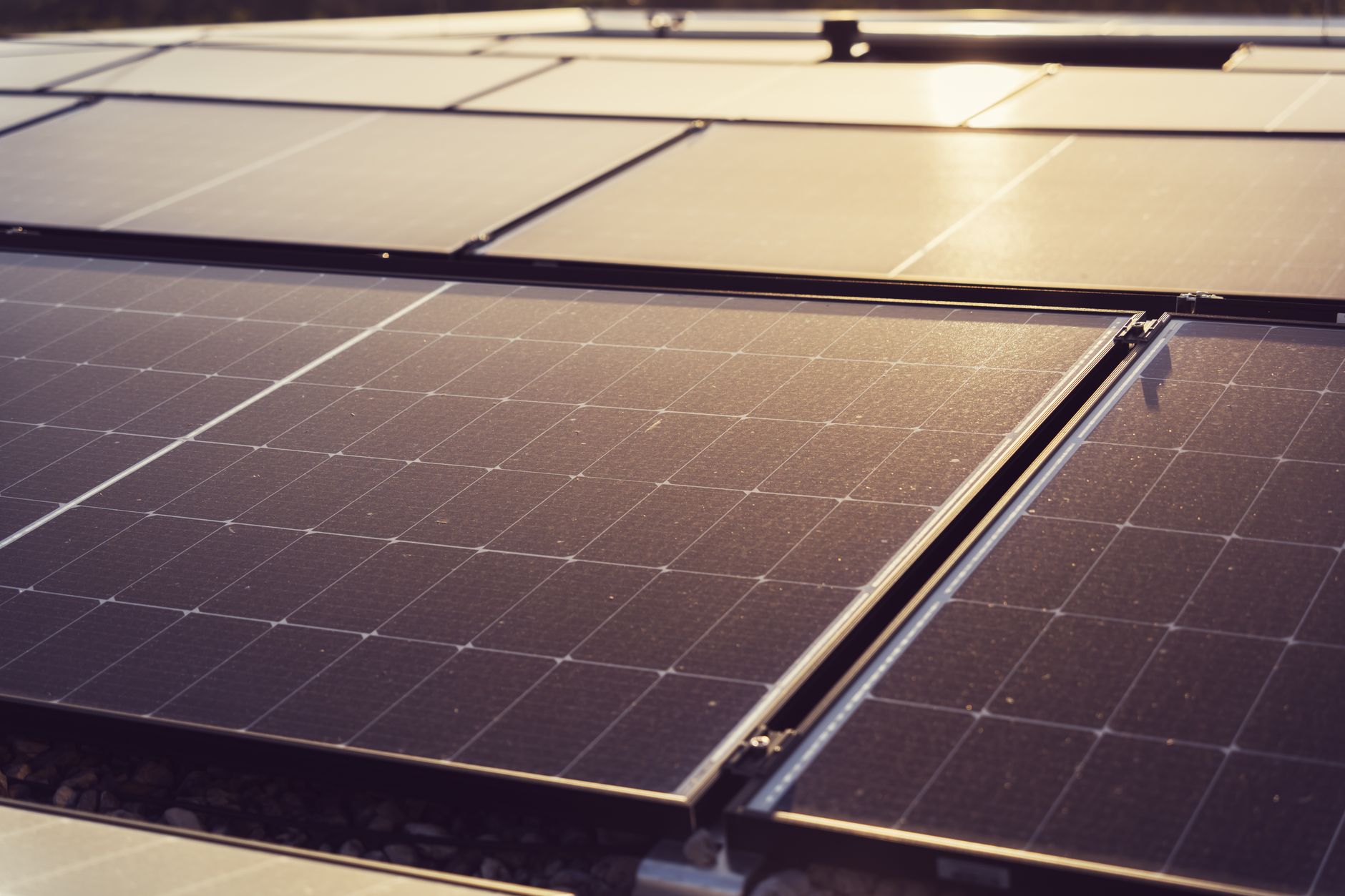
In an unprecedented move signaling a growing global concern for the environmental footprint of our digital age, New York Governor Kathy Hochul recently signed an executive order implementing a one-year moratorium on the construction of new cryptocurrency mining operations that utilize proof-of-work authentication methods and draw power from fossil fuel plants, and, by extension, has put a spotlight on the broader energy consumption challenges posed by large-scale data centers. While the initial legislative focus was on crypto, the Governor’s broader statement — “We have no choice but to address the challenges created by these massive facilities” — underscores a critical inflection point for the tech industry at large. For biMoola.net readers, who navigate the intersection of AI & Productivity, Health Technologies, and Sustainable Living, this development is more than just a regional policy; it's a bellwether for the future of technological infrastructure and its ecological responsibility.
The digital revolution, fueled by an ever-expanding universe of data and the sophisticated algorithms that process it, has undeniably transformed our lives. From powering the AI models that enhance our productivity to storing the vast amounts of health data driving medical innovation, data centers are the unseen engines of modern society. Yet, these 'massive facilities' come with a colossal energy appetite, challenging the very notion of sustainable progress. New York’s decision is not an isolated incident but a powerful testament to the urgent need for innovation in how we build, power, and operate our digital world. This article will delve into the implications of New York’s moratorium, unpack the true environmental cost of data centers, explore AI’s complex role, and outline the actionable pathways toward a truly sustainable digital future.
The New York Moratorium: A Wake-Up Call for the Industry
Governor Hochul's executive order, signed into law, specifically targets new proof-of-work cryptocurrency mining facilities, mandating a two-year ban on new permits for such operations that rely on carbon-based energy sources. While the direct legislative language centered on crypto, the broader sentiment and public discourse around the bill unequivocally extended to the energy demands of large data centers, particularly those planning significant expansions or new builds that could strain local grids and increase reliance on fossil fuels. This move marks New York as the first U.S. state to implement such a comprehensive statewide measure, drawing a clear line in the sand regarding unchecked energy consumption by the tech sector.
The motivation behind the moratorium is multifaceted. Local communities have voiced concerns over noise pollution, water usage, and the revitalization of old power plants to service these energy-intensive operations. More broadly, the state faces significant climate goals, including a mandate for 70% renewable electricity by 2030 and a fully zero-emission grid by 2040, as outlined in the New York State Climate Leadership and Community Protection Act (CLCPA). The exponential growth of energy-intensive data centers, if left unregulated, could seriously jeopardize these ambitious targets, creating a direct conflict between digital expansion and environmental stewardship.
The Insatiable Appetite of Data Centers
Data centers are the physical infrastructure of the internet, cloud computing, and AI. Every email sent, every video streamed, every AI model trained, and every health record accessed relies on these sprawling complexes. Their operations require immense amounts of electricity, primarily for computing equipment and, crucially, for cooling systems to prevent overheating.
Powering the Digital Age: Scale and Scope
The scale of data center energy consumption is staggering. According to a 2023 report by the International Energy Agency (IEA), global data centers, data transmission networks, and connected devices together account for approximately 1-1.5% of global electricity demand. While this might seem small, it's equivalent to the total electricity consumption of a medium-sized country. Projections suggest this demand could rise substantially, potentially reaching 3-4% of global electricity by 2030, driven by the proliferation of AI and big data analytics. A single hyperscale data center can consume as much electricity as a small city, often requiring hundreds of megawatts to operate continuously.
The primary concern isn't just the sheer volume of energy but its source. Many data centers, especially older ones or those built in regions with less renewable energy penetration, still rely heavily on fossil fuels. This contributes directly to carbon emissions, exacerbating climate change and hindering global decarbonization efforts. The carbon footprint extends beyond direct electricity consumption, encompassing the embodied energy in manufacturing hardware, transportation, and construction.
Beyond Electricity: Water and Land Footprints
While electricity usage often dominates the conversation, data centers also have significant water and land footprints. Cooling systems, especially those using evaporative cooling towers, consume vast quantities of water. For instance, reports from 2022 indicated that Google's data centers alone used 5.6 billion gallons of water, primarily for cooling. In water-stressed regions, this can place considerable strain on local resources, leading to competition with agricultural or residential needs. Furthermore, the sheer physical size of hyperscale data centers requires substantial land, often in areas that could otherwise be used for other purposes, impacting local ecosystems and land value.
AI's Exponential Role in Data Center Growth
Artificial Intelligence, the driving force behind many of biMoola.net's productivity
Comments (0)
To comment, please login or register.
No comments yet. Be the first to comment!