The Future That Lightens Your Energy Bill Burden: AI-Powered Smart Homes
The climate crisis facing our planet and fluctuations in energy costs are making sustainable and efficient living solutions in our homes more important than ever. Especially looking at the year 2026, smart thermostats and artificial intelligence (AI)-powered energy management systems are evolving from merely comfort tools into essential necessities for homeowners. So, how will the homes of the future manage their energy, and what advantages will these systems offer you?
Smart home technologies have the potential to enhance our quality of life while simultaneously optimizing our energy consumption. You no longer just remotely control your heating or cooling settings; you now have a "brain" that learns, predicts, and manages your home's energy profile. In this blog post, we will delve into the depths of AI-powered home energy management from a 2026 perspective, guiding you with practical tips and concrete examples.
What is AI-Powered Home Energy Management and Why is it Important?
While traditional smart thermostats can be programmed or remotely controlled, AI-powered home energy management represents a much more advanced level. These systems, thanks to artificial intelligence algorithms:
- Learn the living habits of household residents.
- Analyze outdoor weather conditions and solar exposure rates.
- Monitor real-time energy prices in the electricity grid (dynamic tariffs).
- Communicate with other smart devices in the home (lighting, white goods, EV charging stations).
By combining all this data, it automatically makes the most suitable decisions for energy optimization. The result? Unnecessary energy consumption in your home is prevented, you achieve significant energy savings without sacrificing comfort, and you reduce your carbon footprint.
Evolution of Smart Thermostats in 2026: Predictive Analytics and Integration
In 2026, a smart thermostat is no longer just a temperature adjuster; it's becoming the hub of your home's micro-energy grid. Artificial intelligence is fundamentally transforming the capabilities of these devices:
- Predictive Analytics: Learns the home's thermal inertia (how long it retains or loses heat). For example, based on outdoor weather forecasts, it starts or stops heating at the optimal time before you arrive home, preventing energy waste.
- Occupancy Sensing and Learning: Detects human presence in the home through advanced sensors. It minimizes energy when no one is home, and brings it back to the ideal comfort level when you return. Over time, it learns the daily routines of family members to create a personalized energy schedule.
- Smart Grid Integration: In the future, smart thermostats will communicate directly with the electricity grid. During periods of high grid load (expensive energy), they will automatically reduce or defer energy consumption. This allows you to consume energy at a more affordable price while also contributing to grid stability.
Beyond the Thermostat: Comprehensive Home Energy Management Solutions
In 2026, AI-powered energy management extends far beyond heating and cooling. It aims to manage all energy-consuming devices in your home in an integrated manner. Here are some practical examples:
"Ensuring your oven preheats at the optimal time 30 minutes before you start dinner preparation, or setting your electric vehicle's charging to coincide with when your solar panels generate the most electricity – this is the power of AI-powered energy management."
- Lighting and Outlet Management: Turns off lights when no one is in the room, dims lighting based on daylight. AI ensures high-energy-consuming appliances (washing machine, dishwasher) operate at the most opportune time according to dynamic energy tariffs.
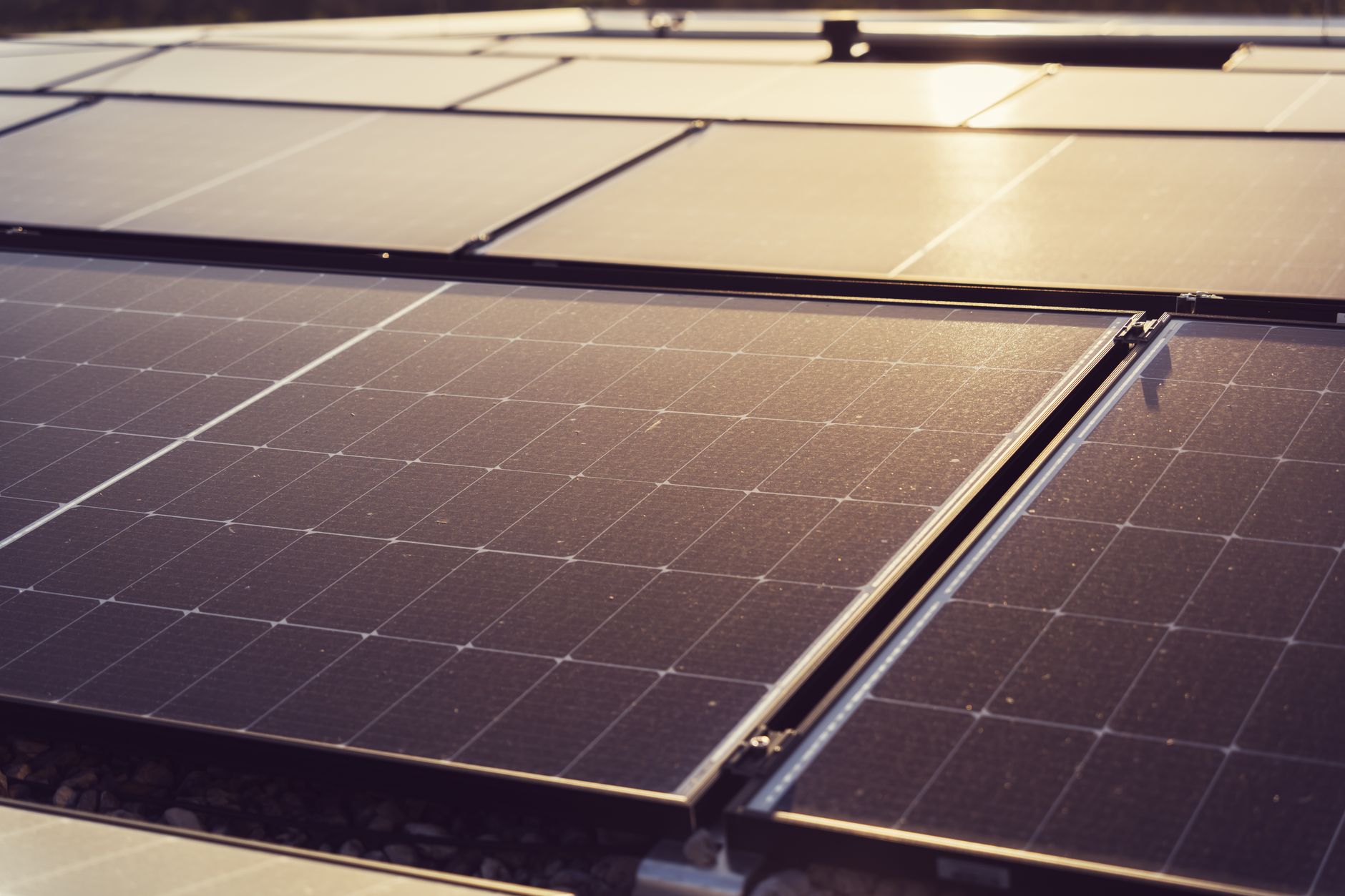
- Renewable Energy Integration: If your home has solar panels or wind turbines, the AI system matches generated energy with instantaneous consumption, directs excess energy to battery storage systems, or sells it back to the smart grid.
- Electric Vehicle (EV) Charging Optimization: AI programs your EV charging station based on factors such as energy prices, renewable energy generation, and when your vehicle needs to be ready. This significantly reduces your charging costs.
Concrete Steps Towards a Sustainable Future
Investing in these systems not only reduces your current bills but also represents a significant step towards the future. Less energy consumption means less reliance on fossil fuels, which facilitates achieving our sustainability goals. Artificial intelligence transforms your home from a passive consumption point into an active energy partner.
As energy markets change and dynamic pricing models become widespread, these systems provide you with flexibility. Your home automatically implements the most economical and environmentally friendly energy usage scenarios, while you don't sacrifice your comfort. In 2026, these smart solutions are no longer a luxury but an integral part of a modern lifestyle.
Choosing the Right AI-Powered Energy Management System: A 2026 Guide
There are many different smart home technologies and energy management solutions on the market. As of 2026, here are some key points to consider when making a choice:
- Integration and Compatibility: How well does it work with your existing smart home devices (lighting, security cameras, etc.)? Choose systems that support open standards (Matter, Thread).
- Data Security and Privacy: Your energy consumption habits are sensitive data. Carefully review the system provider's data security and privacy policies.
- User Interface and Control: A user-friendly application or interface is crucial for effectively utilizing the system.
- Scalability: Does it support components you might want to add in the future, such as solar panels, battery storage, or electric vehicle charging stations?
- Installation and Support: The quality of professional installation and after-sales technical support services is important for your long-term satisfaction.
Be Ready for the Future: Transitioning to Smart Energy Management
The year 2026 marks the cusp of a revolution in how we manage energy consumption in our homes. Smart thermostats and AI-powered home energy management systems will not only reduce your bills but also help us fulfill our responsibility towards the planet. Investing in these technologies is an investment both in your wallet and in future generations.
Remember, a smart home is not just a place filled with technological marvels, but also a living space that is efficient, sustainable, and adaptable to your lifestyle. With the possibilities offered by AI, you can make your home smarter, greener, and more economical. Welcome to the smart homes of the future!
Comments (0)
To comment, please login or register.
No comments yet. Be the first to comment!