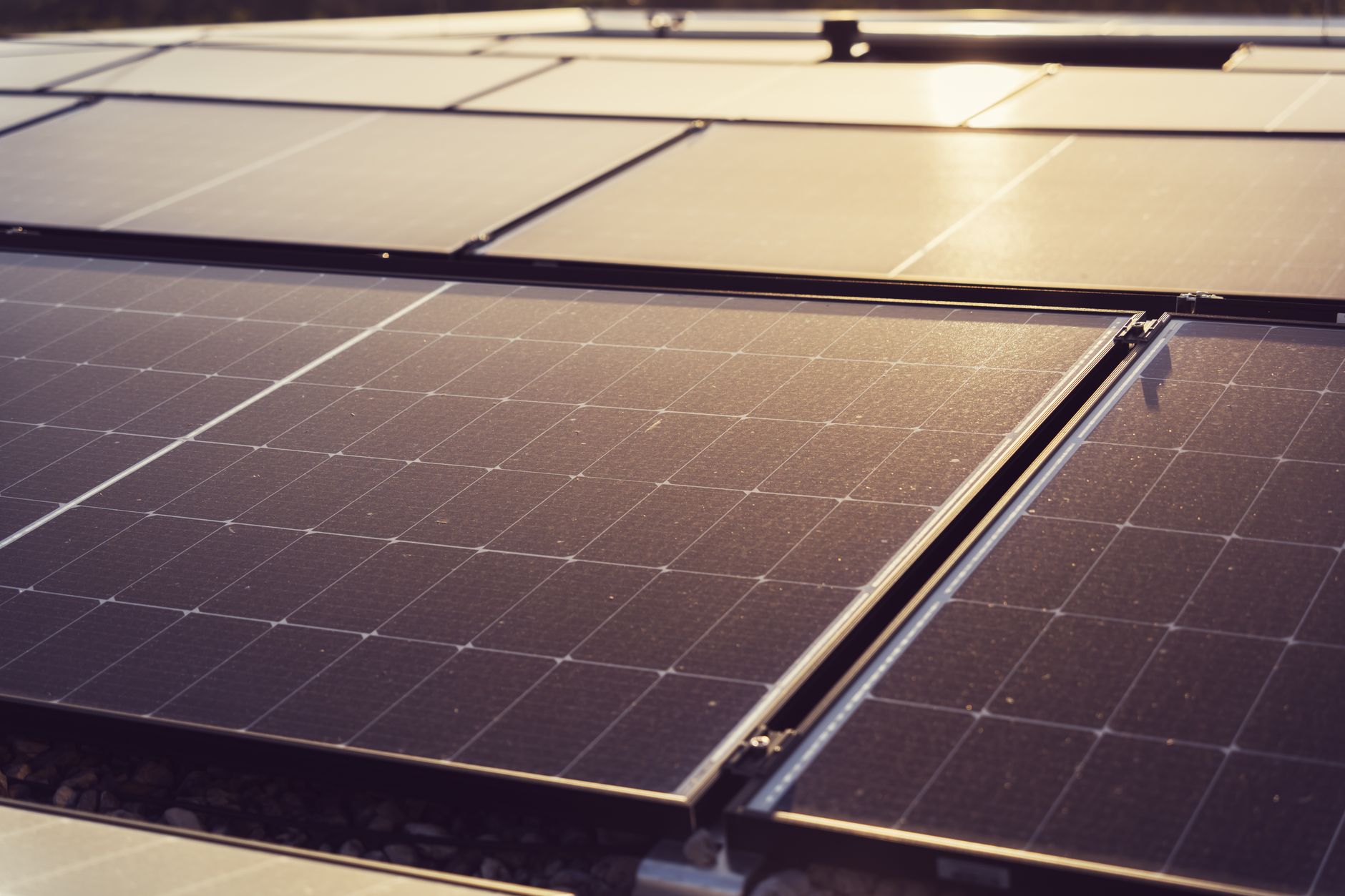
In an era increasingly defined by renewable energy adoption and the electrification of everything, a significant announcement from an unexpected quarter has sent ripples through the energy sector: Ford Motor Company's strategic entry into the Battery Energy Storage Systems (BESS) market. As seasoned observers of AI, productivity, and sustainable living, we at biMoola.net recognize this not just as a business diversification for an automotive giant, but as a pivotal moment that could accelerate the integration of clean energy into our daily lives, from homes to the broader grid. This in-depth analysis will unpack the profound implications of Ford's move, exploring its strategic rationale, technological underpinnings, and the transformative potential it holds for consumers and the global energy landscape.
Readers will gain a comprehensive understanding of what BESS means for energy independence, grid stability, and the practical future of sustainable living. We'll delve into how a legacy automaker's expertise in vehicle battery technology is uniquely positioned to redefine stationary energy storage, offering both challenges and unprecedented opportunities. Prepare to explore the nexus of automotive innovation and energy resilience, guided by our expert analysis and actionable insights.
The Dawn of a New Energy Era: Ford's Strategic Leap into BESS
For decades, Ford has been synonymous with mobility, driving the world forward on four wheels. Yet, the 21st century's demands for sustainability and resilience are redrawing industry lines. Ford's recent announcement to enter the Battery Energy Storage Systems (BESS) market isn't merely a sidestep; it's a bold, calculated stride towards becoming a holistic energy solutions provider. This move signals a profound understanding of the evolving energy ecosystem, where the vehicle is no longer just a mode of transport but a potential cornerstone of distributed power.
From Mobility to Stationary Power: A Natural Evolution
The transition from powering electric vehicles (EVs) to empowering homes and businesses with stationary battery storage might seem like a leap, but for Ford, it's a logical progression. The core technology—advanced lithium-ion batteries, sophisticated battery management systems (BMS), and power electronics—is largely shared. Ford has invested billions in developing robust, reliable, and increasingly cost-effective battery packs for its growing EV lineup, including the F-150 Lightning and Mustang Mach-E. This deep expertise in battery chemistry, thermal management, and charge/discharge cycling positions them uniquely to adapt these proven technologies for stationary applications. The synergy is undeniable: the same engineering prowess that ensures an EV can withstand thousands of charge cycles and varying temperatures can be applied to a home battery system designed for daily solar integration or grid backup.
Understanding Battery Energy Storage Systems (BESS): More Than Just a Battery
At its core, a BESS is a rechargeable battery system that stores energy from various sources—like solar panels, the grid, or even an EV—and discharges it later when needed. However, the modern BESS is far more complex than a simple power bank; it's an intelligent energy management hub.
Types of BESS and Their Applications
BESS come in various forms and scales, each designed for specific applications:
- Residential BESS: Typically paired with rooftop solar, these systems store excess solar energy for use at night or during power outages. They offer energy independence and can reduce reliance on grid power during peak demand, optimizing electricity bills.
- Commercial & Industrial (C&I) BESS: Larger scale, used by businesses to manage demand charges, integrate renewables, provide backup power, or participate in grid services.
- Utility-Scale BESS: Massive installations connected directly to the grid, often accompanying large solar or wind farms. They stabilize the grid, provide ancillary services (like frequency regulation), and defer costly infrastructure upgrades.
The Grid's New Best Friend: Resilience and Stability
The rise of intermittent renewable energy sources like solar and wind presents a challenge for grid operators: how to maintain a stable, reliable power supply when the sun isn't shining or the wind isn't blowing. BESS are the answer. By storing surplus renewable energy, they ensure a continuous supply, reducing the need for fossil fuel peaker plants. Furthermore, BESS significantly enhance grid resilience. As seen during extreme weather events in recent years, traditional grids are vulnerable. Distributed BESS, particularly residential units, can form 'microgrids' that island themselves from the main grid during outages, providing localized power and reducing widespread disruption. A 2023 report from the U.S. Energy Information Administration (EIA) highlighted a 70% increase in utility-scale battery storage capacity in the U.S. from 2021 to 2022, underscoring this growing criticality.
Why Ford? Leveraging Automotive Expertise for Home & Grid Power
Ford's entry isn't just opportunistic; it's built upon decades of manufacturing prowess and a rapidly maturing EV battery ecosystem. Their experience offers distinct advantages.
The EV-BESS Symbiosis: V2G and V2H Potential
Perhaps the most compelling aspect of Ford's BESS strategy lies in the burgeoning concept of vehicle-to-grid (V2G) and vehicle-to-home (V2H) technology. Modern EVs, especially those with large battery packs like the Ford F-150 Lightning, are essentially enormous mobile battery storage units. V2H, already a reality with the F-150 Lightning and its 'Pro Power Onboard' system, allows the truck to power a home during an outage for days. V2G takes this further, enabling EVs to send stored energy back to the grid during peak demand, potentially earning revenue for vehicle owners and helping stabilize the grid. Ford's integrated approach means developing BESS that can seamlessly interact with their EVs, creating a powerful, interconnected energy network. This synergy could make owning an EV a far more compelling proposition than just transportation.
Strategic Diversification in a Rapidly Evolving Market
The global BESS market is projected for exponential growth. BloombergNEF's 2023 New Energy Outlook forecasts that global BESS installations will grow from 50 GW in 2022 to over 500 GW by 2030. This isn't just about selling more products; it's about securing a significant piece of the future energy pie. By diversifying into BESS, Ford is moving beyond its traditional automotive revenue streams, positioning itself as a key player in the broader energy transition. This move also allows them to maximize their battery manufacturing investments, leveraging economies of scale across both automotive and stationary applications, thereby potentially driving down costs for consumers.
Market Implications and Competitive Landscape
Ford's entry immediately adds a significant new contender to a rapidly expanding market, reshaping competitive dynamics and innovation trajectories.
The Tesla Powerwall Effect and New Entrants
Tesla's Powerwall effectively popularized residential BESS, proving that homeowners were willing to invest in energy independence. This success has attracted numerous players, from established energy companies like Enphase and Sonnen to innovative startups. Ford, with its immense manufacturing capacity, brand recognition, and dealer network, brings a different kind of scale to the competition. This isn't just another battery; it's a battery system backed by automotive-grade engineering and a century of industrial experience. This could put pressure on existing players to innovate further, reduce costs, and enhance integration capabilities.
The Promise of Scale and Affordability
One of the persistent barriers to widespread BESS adoption has been cost. While battery prices have plummeted in the last decade—a 2023 IRENA report noted a decline of over 90% for lithium-ion batteries since 2010—they still represent a significant investment for homeowners. Ford's large-scale battery production for EVs, driven by aggressive targets, promises further cost reductions. By leveraging these economies of scale for BESS, Ford could help accelerate the point at which energy storage becomes universally affordable, making grid resilience and energy independence accessible to a much broader segment of the population.
Empowering the Consumer: Practical Benefits and Real-World Impact
For the average homeowner or business, Ford's venture into BESS promises tangible benefits that extend beyond mere technological advancement.
Energy Independence and Cost Savings
Pairing a BESS with rooftop solar allows consumers to store excess daytime generation for use during evening peak hours, when electricity prices are often highest. This 'time-of-use' arbitrage can significantly reduce monthly utility bills. Moreover, with a BESS, a home becomes less dependent on the grid, fostering a sense of energy independence—a growing desire given fluctuating energy prices and increasing awareness of climate impacts.
Enhancing Home Resilience During Outages
Perhaps the most immediate and appreciated benefit for many is backup power during grid outages. As weather events become more severe and infrastructure ages, power interruptions are becoming more frequent. A well-sized BESS can keep essential appliances running, lights on, and communication devices charged for hours or even days, providing invaluable peace of mind. Combine this with the V2H capabilities of a Ford EV, and a homeowner gains a dual layer of robust backup power.
Contributing to a Greener Grid
Every BESS installation, especially when paired with renewables, contributes to a cleaner, more efficient energy system. By storing and deploying renewable energy, these systems reduce the demand for fossil fuel-generated electricity, lowering carbon emissions. They also support the grid's stability, making it easier for utilities to integrate more intermittent renewable sources. This collective action, facilitated by distributed storage, is fundamental to achieving ambitious climate goals.
Challenges and the Road Ahead for Ford and the BESS Market
Despite the immense potential, the path to widespread BESS adoption and Ford's success in this new arena is not without its hurdles.
Supply Chain Dynamics and Raw Material Sourcing
The global demand for EV batteries has already put immense pressure on critical raw material supply chains—lithium, nickel, cobalt, and manganese. Ford's expansion into BESS will only exacerbate this demand. Ensuring sustainable, ethical, and secure sourcing of these materials will be paramount, requiring strategic partnerships, investments in recycling infrastructure, and potentially the exploration of alternative battery chemistries. The geopolitical implications of securing these resources are significant.
Integration Complexities and Grid Modernization
While BESS technology is advancing rapidly, seamless integration with diverse home energy systems, smart appliances, and the existing electrical grid remains a complex challenge. Standards for interoperability, communication protocols, and grid service participation need further development. Utilities themselves must modernize their infrastructure to effectively manage and benefit from millions of distributed energy resources. Regulatory frameworks also need to evolve to support and incentivize BESS deployment, particularly regarding V2G capabilities and fair compensation for grid services.
Statistics Block: The Surging Growth of Energy Storage
Global Battery Energy Storage Market Projections
- 2022 Global Operational BESS Capacity: Approximately 50 Gigawatts (GW)
- Projected 2030 Global Operational BESS Capacity: Over 500 GW (10x growth)
- Annual BESS Investment Growth (2020-2025): Averaging 30-40% year-over-year
- Lithium-ion Battery Cost Reduction (2010-2023): Over 90% decline per kWh
- U.S. Residential Solar + Storage Installations (2022 vs. 2021): Increased by approximately 40%
- Estimated EV Battery Second Life Potential: 10-20% of global stationary storage demand by 2030 could be met by repurposed EV batteries.
Sources: BloombergNEF, U.S. Energy Information Administration (EIA), International Renewable Energy Agency (IRENA)
Key Takeaways
- Strategic Diversification: Ford's entry into BESS is a natural, strategic evolution from EV manufacturing, leveraging existing battery expertise and investments.
- Enhanced Resilience: BESS offers critical backup power during outages and boosts overall grid stability, especially with increasing renewable integration.
- Consumer Empowerment: Homeowners gain greater energy independence, potential cost savings through demand management, and reduced carbon footprint.
- V2G/V2H Potential: Ford's integrated approach promises seamless interaction between EVs and stationary storage, unlocking significant value for vehicle owners and the grid.
- Market Transformation: A major player like Ford entering the BESS market will likely accelerate innovation, drive down costs, and expand adoption, intensifying competition.
Our Take: Ford's Charge Towards an Integrated Energy Ecosystem
Ford's foray into the BESS market is far more than just another product line extension; it represents a profound strategic pivot that could redefine the company's role in the 21st-century economy. From our vantage point at biMoola.net, we see this as a critical validation of the converging trends in electrification, distributed energy, and digital intelligence. Ford isn't just selling batteries; they are selling a vision of an integrated energy ecosystem where your vehicle, your home, and the grid communicate intelligently to optimize energy flow. This holistic approach, integrating V2G/V2H capabilities directly into their BESS offerings, positions Ford to be a central orchestrator of energy independence for its customers.
What makes this particularly compelling is the brand trust and established manufacturing muscle that Ford brings. While startups and specialized energy companies have paved the way, Ford's entry could democratize BESS on an unprecedented scale. Imagine a future where purchasing an EV from Ford automatically includes discussions about home energy storage, creating a seamless transition to a truly electrified lifestyle. The scale of their supply chain, their global distribution network, and their deep-seated engineering capabilities provide a formidable platform for rapid deployment and continuous innovation. However, their success will hinge not just on hardware, but on the sophistication of their energy management software, the simplicity of installation, and their ability to navigate complex regulatory landscapes surrounding grid services. If Ford can execute on this integrated vision, they won't just be selling cars; they'll be selling a more resilient, sustainable, and productive future.
Q: What exactly does Ford's entry into the BESS market mean for the average consumer?
A: For the average consumer, Ford's entry signifies several potential benefits. Firstly, it's likely to increase competition in the residential and commercial BESS market, which could lead to more innovative products, better features, and ultimately, lower prices. Secondly, it offers a trusted, established brand with a vast service network entering this space, potentially increasing consumer confidence in adopting energy storage solutions. Most importantly, for Ford EV owners, it means a more seamless, integrated experience between their electric vehicle and their home energy system, facilitating advanced features like vehicle-to-home (V2H) power backup and potentially vehicle-to-grid (V2G) capabilities to optimize energy use and even earn revenue.
Q: How will Ford's automotive battery expertise translate to stationary energy storage?
A: Ford's extensive experience in designing, manufacturing, and deploying high-performance, durable battery systems for electric vehicles is directly transferable to BESS. This expertise includes advanced battery chemistry selection, robust thermal management systems (critical for battery longevity and safety), sophisticated battery management systems (BMS) for optimal charge/discharge cycles, and large-scale manufacturing processes that can drive down costs. Automotive batteries are built to withstand rigorous conditions (vibration, extreme temperatures) and high-power demands, making them inherently robust for stationary applications. This heritage ensures a high level of reliability and safety for their BESS products.
Q: What are the main benefits of having a BESS in a home or business?
A: The primary benefits of a BESS are enhanced energy independence, resilience, and cost savings. For homeowners, it means storing surplus solar energy for use at night, reducing peak demand charges, and providing critical backup power during grid outages. This provides peace of mind and protection against disruptions. For businesses, BESS can significantly reduce operational costs by managing demand charges, providing uninterrupted power for critical operations, and allowing for participation in demand response programs. On a broader scale, every BESS installation contributes to a more stable and sustainable electricity grid by integrating more renewable energy and reducing reliance on fossil fuel 'peaker' plants.
Q: What challenges might Ford face in becoming a significant player in the BESS market?
A: Despite its advantages, Ford will face several challenges. The BESS market is already competitive, with established players and innovative startups. Ford will need to quickly build out its distribution and installation network, which differs significantly from automotive dealerships. Supply chain pressures for critical raw materials (lithium, nickel, etc.) for batteries will continue to be a concern, requiring strategic sourcing. Additionally, navigating the complex and often varied regulatory landscape for energy storage across different states and countries, and ensuring seamless integration with existing grid infrastructure, will be crucial. Developing intuitive software platforms for energy management and securing consumer trust in a new product category will also be key.
Sources & Further Reading
- U.S. Energy Information Administration (EIA) - Monthly Electric Power Industry Report.
- BloombergNEF (BNEF) - New Energy Outlook.
- International Renewable Energy Agency (IRENA) - Energy Storage Publications.
Disclaimer: For informational purposes only. Consult a healthcare professional or qualified energy consultant for personalized advice.
Comments (0)
To comment, please login or register.
No comments yet. Be the first to comment!