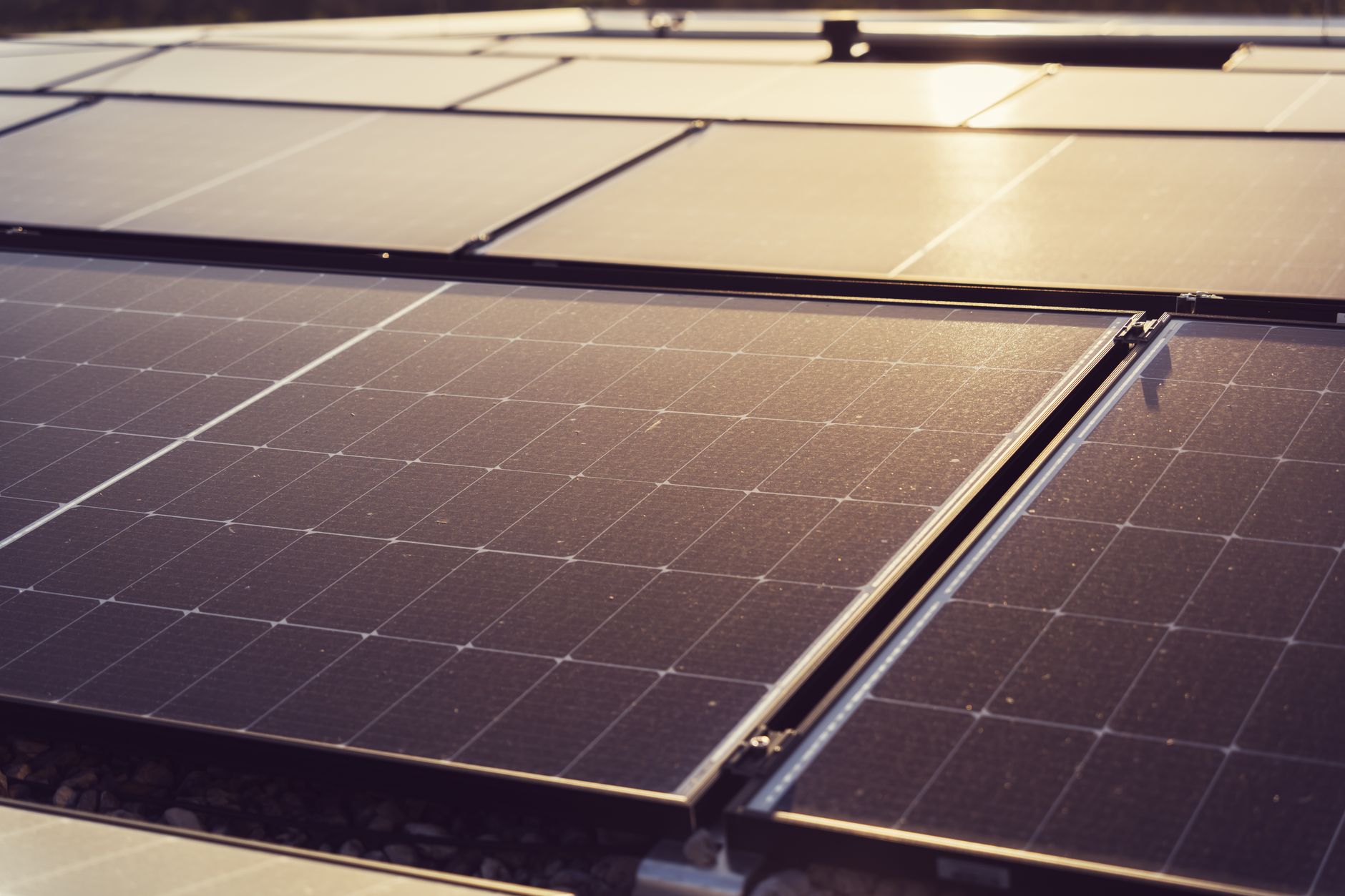
In an era defined by rapid technological evolution and an urgent global push towards sustainability, the automotive industry finds itself at the epicenter of a profound transformation. Beyond merely manufacturing vehicles, legacy automakers are increasingly venturing into adjacent, yet synergistic, sectors that leverage their core competencies in power management and battery technology. One such significant move, as evidenced by recent industry developments, is Ford Motor Company's strategic entry into the Battery Energy Storage Systems (BESS) market. For biMoola.net readers, this isn't just news about a car company; it's a critical indicator of how our homes, businesses, and entire energy infrastructure are poised for a radical shift towards greater resilience, efficiency, and sustainability. This in-depth analysis will peel back the layers of Ford's BESS initiative, exploring its implications for renewable energy integration, grid stability, consumer empowerment, and the future of sustainable living.
As senior editorial writers, we observe these shifts not just for their immediate impact but for their long-term trajectory. Ford's move isn't an isolated event but a strategic response to converging trends: the accelerating adoption of electric vehicles (EVs), the intermittent nature of renewable energy sources, and a growing consumer demand for energy independence. By understanding the 'why' and 'how' behind this venture, you'll gain crucial insights into the evolving landscape of energy technology and how it will directly impact your life and investment decisions.
The Dawn of the Energy Storage Era: Why BESS Matters Now More Than Ever
The global energy landscape is undergoing its most significant transformation since the industrial revolution. Driven by climate concerns, geopolitical shifts, and technological advancements, the world is moving away from fossil fuels towards cleaner, renewable sources like solar and wind. However, these intermittent sources present a fundamental challenge: they don't always produce power when it's needed, nor do they always produce it at peak demand. This is where Battery Energy Storage Systems (BESS) become indispensable.
BESS technology acts as a crucial bridge, capturing excess energy during periods of high generation (e.g., sunny afternoons for solar) and releasing it during periods of high demand or low generation (e.g., evenings, cloudy days). This ability to store and dispatch electricity on demand is vital for ensuring grid stability, improving energy reliability, and maximizing the utilization of renewable assets. According to a 2023 report by the International Renewable Energy Agency (IRENA), global installed battery storage capacity could reach 680 GW by 2030, a monumental increase from just over 20 GW in 2020. This underscores the explosive growth anticipated in this sector.
Grid Modernization and Decarbonization
Traditional grids were designed for centralized, fossil-fuel-based power generation. The influx of distributed renewable energy sources, often located far from demand centers, necessitates a more flexible and intelligent grid. BESS plays a pivotal role in this modernization by providing frequency regulation, voltage support, and black start capabilities, thereby enhancing grid resilience. Moreover, by allowing more renewables to be integrated, BESS directly contributes to the decarbonization of the energy sector, aligning with global climate goals.
Addressing Peak Demand and Energy Security
Peak demand events strain power grids, often leading to reliance on expensive, dirty 'peaker' plants or, in extreme cases, blackouts. BESS can strategically discharge stored energy during these peaks, reducing stress on the grid and potentially lowering electricity costs for consumers. Furthermore, in an increasingly unpredictable world, localized BESS solutions offer enhanced energy security, providing backup power during outages caused by natural disasters or infrastructure failures.
Ford's Strategic Initiative: Leveraging Automotive Expertise for Energy Solutions
Ford's entry into the BESS market is not a radical departure but a natural, strategic evolution stemming from its significant investments in electric vehicles (EVs) and battery technology. The company has poured billions into developing advanced battery packs for its burgeoning lineup of electric vehicles, most notably the F-150 Lightning and Mustang Mach-E. These vehicles house substantial battery capacities, and Ford recognized an opportunity to leverage this expertise and scale for stationary applications.
The F-150 Lightning, in particular, serves as a powerful testament to Ford's vision in energy management. Its 'Pro Power Onboard' feature and the optional 'Ford Intelligent Backup Power' system (a vehicle-to-home, V2H, solution) demonstrated the practical application of using a vehicle's battery to power a home during outages. This capability, developed in partnership with Sunrun, was a direct precursor to a dedicated BESS offering.
From EV Batteries to Stationary Storage
The core technology in EVs—lithium-ion batteries—is largely the same as that used in stationary BESS. Ford's extensive experience in battery chemistry, thermal management, safety protocols, and manufacturing at scale gives it a distinct advantage. By adapting its EV battery designs and supply chains, Ford can enter the BESS market with established expertise and potentially competitive costs. This also opens avenues for 'second-life' applications for EV batteries, where batteries that are no longer optimal for vehicle propulsion can be repurposed for less demanding stationary storage, extending their useful life and improving sustainability.
Strategic Partnerships and Market Positioning
Ford's approach isn't to go it alone. Its collaboration with Sunrun for home integration, for example, highlights a strategy of leveraging existing infrastructure and expertise in the home energy sector. By offering comprehensive solutions that include charging infrastructure, home integration, and now stationary storage, Ford aims to create a holistic energy ecosystem for its customers. This positions Ford not just as an automaker, but as a key player in the broader energy transition, competing with established players like Tesla Energy (Powerwall) and emerging startups.
Beyond the Grid: V2G, V2H, and Home Energy Resilience
The conversation around BESS for consumers often revolves around two primary concepts: Vehicle-to-Home (V2H) and Vehicle-to-Grid (V2G) technology, alongside dedicated stationary home battery systems. Ford is actively pursuing capabilities that blur the lines between these, creating a truly integrated energy future.
Vehicle-to-Home (V2H) Power
As pioneered by the F-150 Lightning, V2H allows an EV to power a home. This provides an invaluable layer of energy resilience during grid outages. Imagine your lights staying on, refrigerator running, and essential appliances functioning during a blackout, all powered by your electric truck parked in the driveway. This capability was notably demonstrated during severe weather events, where F-150 Lightning owners provided backup power to their homes for days. This not only enhances homeowner security but also reduces the reliance on traditional, often noisy and polluting, gasoline generators.
Vehicle-to-Grid (V2G) Integration
V2G takes this concept a step further. Instead of just powering your home, your EV (or a fleet of EVs) can intelligently send excess power back to the grid when demand is high, or store power from the grid when electricity prices are low. This bidirectional flow of energy transforms EVs from mere consumers of electricity into dynamic, distributed energy resources (DERs). A 2024 study by the MIT Energy Initiative projected that widespread V2G deployment could significantly enhance grid stability and reduce the need for new power plant construction, offering a cost-effective solution for grid modernization.
Dedicated Home Battery Systems
Ford's BESS entry also encompasses dedicated home battery solutions, similar to products from competitors. These stationary systems integrate with rooftop solar installations to store solar energy generated during the day for use at night or during cloudy periods. They also provide blackout protection independently of an EV. This allows homeowners to maximize self-consumption of renewable energy, reduce their reliance on the grid, and potentially lower their electricity bills through arbitrage (buying power when cheap, using stored power when expensive). The synergy between Ford's EV charging infrastructure and these home battery systems creates a compelling package for the environmentally conscious and energy-independent homeowner.
Market Dynamics and Competitive Landscape
The BESS market is dynamic and increasingly competitive, attracting a diverse array of players from traditional utilities and energy companies to automotive giants and technology startups. Ford's entry signifies the growing convergence of these sectors.
Key Players and Differentiators
Tesla Energy, with its Powerwall, has been a dominant force in the residential BESS market for years, benefiting from strong brand recognition and integration with its solar offerings. Other significant players include Enphase, LG Energy Solution, SolarEdge, and various utility-scale providers. Ford's differentiation lies in its established manufacturing capabilities, its vast dealer network, and its direct link to its EV ecosystem. The ability to offer a seamless experience from EV charging to home backup and solar integration via a single brand could be a powerful differentiator.
Growth Projections and Investment
The BESS market is poised for exponential growth. BloombergNEF projects that cumulative energy storage installations globally will reach over 1,000 GW / 2,850 GWh by 2030, requiring over $300 billion in investment. This immense growth is driven by decreasing battery costs, supportive government policies (like tax credits for energy storage), and the imperative for grid resilience. Ford's investment is well-timed to capture a significant share of this expanding market.
Global BESS Market Growth Projections (2022-2030)
| Year | Estimated Installed Capacity (GW) | Projected Market Value (USD Billions) | Growth Driver |
|---|---|---|---|
| 2022 | ~30 | ~15 | Early adoption, grid pilot projects |
| 2025 | ~150-200 | ~70-90 | Falling battery costs, increased renewable integration |
| 2028 | ~400-500 | ~180-220 | Policy support, commercial & industrial adoption |
| 2030 | ~680-1000 | ~300-400+ | Widespread V2G/V2H, decarbonization targets |
Sources: IRENA, BloombergNEF, various market research reports. Figures are approximate and represent a range of expert predictions.
Challenges and Opportunities in the BESS Sector
While the outlook for BESS is overwhelmingly positive, the sector faces its share of challenges. Understanding these hurdles provides a more complete picture of the landscape Ford is entering.
Raw Material Scarcity and Supply Chains
The skyrocketing demand for lithium-ion batteries raises concerns about the availability and ethical sourcing of critical raw materials like lithium, cobalt, and nickel. Supply chain disruptions, often exacerbated by geopolitical tensions, can impact production costs and timelines. Companies like Ford are actively investing in securing raw material supply and exploring alternative battery chemistries (e.g., solid-state, sodium-ion) to mitigate these risks.
Cost and Return on Investment
Despite declining battery costs, the upfront investment for a BESS, particularly for residential customers, can still be substantial. While long-term savings through reduced electricity bills and avoided peak charges are compelling, the payback period can vary. Government incentives, such as federal tax credits (like the U.S. ITC) and state-specific rebates, are crucial for accelerating adoption.
Regulatory and Grid Integration Complexities
Integrating distributed BESS and V2G systems into existing grid infrastructure presents regulatory and technical challenges. Utilities need updated metering, billing, and communication protocols to manage bidirectional power flow effectively. Policy frameworks must evolve to incentivize BESS deployment and ensure fair compensation for grid services provided by private storage assets.
Opportunities: Innovation and Scalability
Despite these challenges, the opportunities are immense. Ongoing research in battery technology promises greater energy density, faster charging, and improved safety. The sheer scale of automotive manufacturing expertise, like Ford's, can drive down costs through economies of scale and advanced production techniques. Furthermore, the development of intelligent energy management systems, powered by AI and machine learning, will optimize BESS performance, predict energy needs, and interact seamlessly with the grid, unlocking even greater value.
Practical Applications for Consumers and Businesses
Ford's entry into BESS is not just a corporate strategy; it translates into tangible benefits and practical applications for everyday users.
For Homeowners: Energy Independence and Savings
- Backup Power: Reliable electricity during outages, essential for modern homes and remote work.
- Solar Optimization: Store excess solar energy for use at night, reducing reliance on grid power and maximizing your solar investment.
- Time-of-Use Savings: Charge batteries when electricity rates are low (off-peak) and discharge when rates are high (on-peak) to save money.
- Reduced Carbon Footprint: Increase your home's reliance on clean, renewable energy.
For Businesses: Cost Reduction and Resilience
- Demand Charge Management: Large energy consumers can significantly reduce peak demand charges by using stored energy during high-cost periods.
- Backup Power for Critical Operations: Maintain essential operations during grid interruptions, preventing costly downtime.
- Renewable Integration: Optimize the use of onsite solar or wind generation, improving sustainability credentials.
- Grid Services: Businesses with substantial BESS can potentially participate in demand response programs, earning revenue by providing grid stabilization services.
Key Takeaways
- Ford's entry into the BESS market is a strategic pivot, leveraging its EV battery expertise and manufacturing scale.
- BESS is critical for integrating intermittent renewable energy, enhancing grid stability, and ensuring energy security.
- The F-150 Lightning's V2H capabilities demonstrate Ford's practical vision for integrated vehicle and home energy solutions.
- The BESS market is experiencing exponential growth, driven by falling costs and strong demand for sustainable, resilient energy.
- Challenges include raw material sourcing and regulatory complexities, but opportunities for innovation and scalability are immense.
Expert Analysis: biMoola.net's Take on Ford's BESS Play
From our vantage point at biMoola.net, Ford's move into Battery Energy Storage Systems isn't just shrewd; it's a critical component of its long-term survival and relevance in a decarbonizing world. For too long, traditional automakers have viewed themselves solely as manufacturers of vehicles. Ford, under Jim Farley's leadership, appears to be embracing a broader identity as a mobility and energy solutions provider. This transition is less about selling another product and more about offering an ecosystem.
What makes this particularly compelling is Ford's unique position. Unlike Tesla, which built its energy business from the ground up alongside its EVs, Ford has the immense advantage of an established global manufacturing base and a massive existing customer base with a deep-seated brand loyalty, particularly in regions prone to power outages where backup power is a significant concern. The F-150 Lightning's V2H capability isn't just a party trick; it's a proof-of-concept that fundamentally changes how consumers perceive their truck – it's now a mobile power plant. This direct, tangible experience with vehicle-to-home power creates an immediate, understandable use case for stationary BESS products.
However, success hinges on seamless integration and competitive pricing. The 'prosumer' (producer-consumer) wants simplicity. Ford's partnership strategy, such as with Sunrun, is wise, but the execution needs to be flawless, from installation to financing and ongoing support. The competition is fierce, and 'first-mover advantage' is less about being first to market with *any* BESS and more about being first with a *compelling, integrated solution* that leverages the unique assets of an automaker. If Ford can package its BESS offering with its EVs and home charging solutions into a user-friendly, cost-effective ecosystem, it stands to capture a significant share of this burgeoning market. This isn't just about energy savings; it's about energy freedom, and Ford is positioning itself as a key enabler of that freedom.
Q: What exactly is a Battery Energy Storage System (BESS)?
A: A Battery Energy Storage System (BESS) is a technology that stores electrical energy from various sources (like solar panels, wind turbines, or the grid) in batteries and then releases that energy when needed. These systems can range from small residential units to large utility-scale installations. They play a critical role in stabilizing power grids, integrating renewable energy sources, and providing backup power during outages.
Q: How does Ford's BESS offering relate to its electric vehicles (EVs)?
A: Ford's BESS initiative is a direct extension of its EV battery technology and manufacturing expertise. The same core lithium-ion battery technology used in EVs like the F-150 Lightning is adapted for stationary storage. Furthermore, Ford's EVs, especially the F-150 Lightning, already offer Vehicle-to-Home (V2H) capabilities, allowing the truck to power a home during outages. The BESS offering builds on this by providing dedicated home battery solutions that can work in conjunction with EVs and home charging infrastructure, creating a comprehensive energy ecosystem.
Q: What are the main benefits of installing a home BESS?
A: For homeowners, the primary benefits include enhanced energy resilience (backup power during outages), optimized use of rooftop solar (storing excess daytime solar for nighttime use), and potential electricity bill savings through time-of-use rate arbitrage (using stored power during expensive peak hours). Additionally, it contributes to a lower carbon footprint by increasing reliance on renewable energy.
Q: Is BESS only for homes, or does it have other applications?
A: While residential BESS is a significant market, energy storage systems have much broader applications. They are deployed at commercial and industrial sites for demand charge management and backup power, and at utility scale to stabilize grids, integrate large-scale renewable projects (solar farms, wind farms), and provide ancillary services to the grid. Ford's focus is likely to initially center on residential and smaller commercial applications, leveraging its consumer market presence.
Sources & Further Reading
- International Renewable Energy Agency (IRENA). "Energy Storage."
- MIT Energy Initiative. Reports and publications on energy systems and innovation.
- BloombergNEF. "Global Energy Storage Market Set to Hit $1 Trillion by 2040."
Disclaimer: This article is intended for informational purposes only and does not constitute financial, engineering, or medical advice. Readers should consult with qualified professionals for specific guidance related to energy systems, investments, or health concerns.
", "excerpt": "Ford's strategic entry into the Battery Energy Storage Systems (BESS) market signals a major shift. Explore how this powers sustainable living and grid resilience." } ```
Comments (0)
To comment, please login or register.
No comments yet. Be the first to comment!