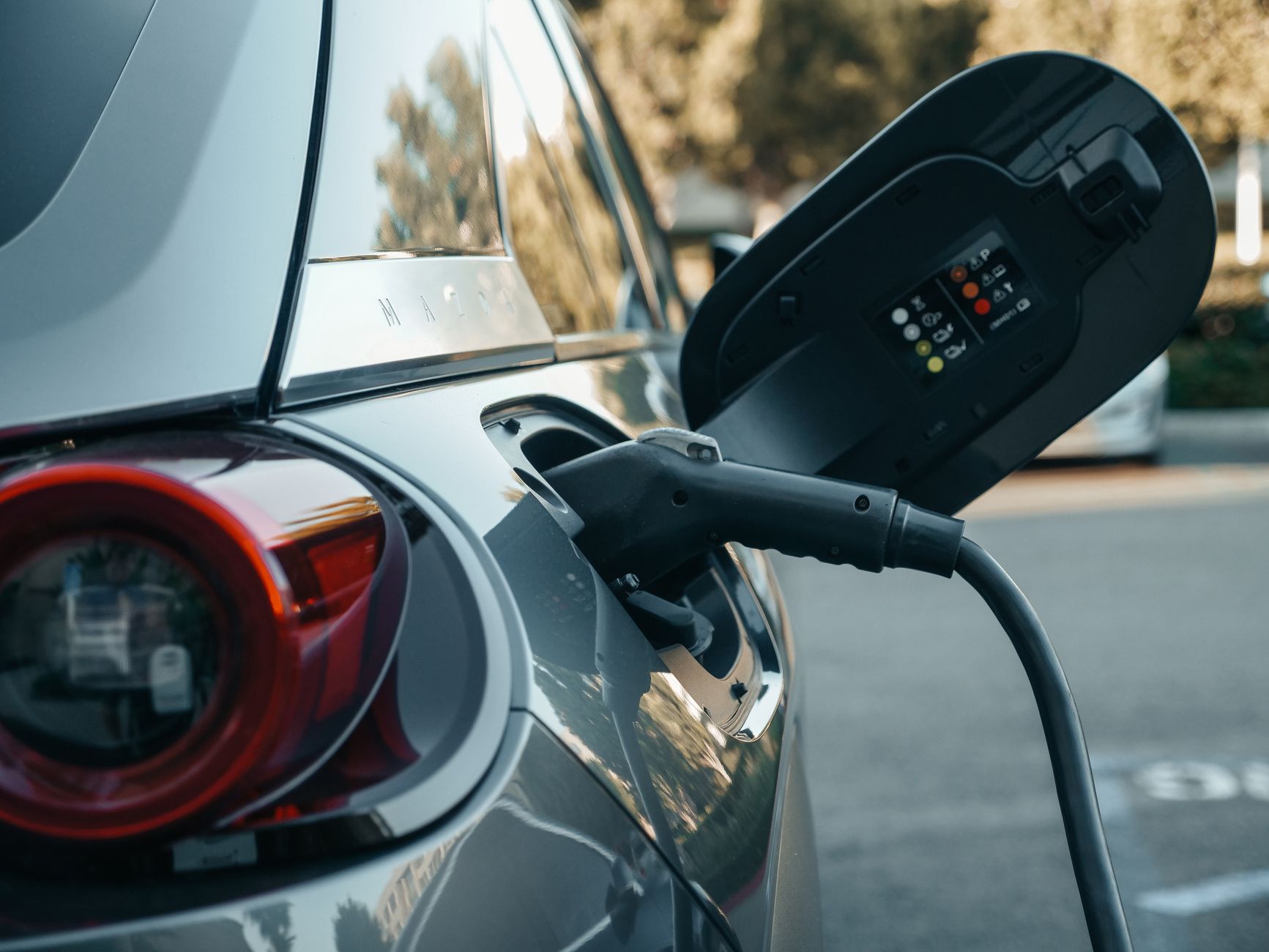
The automotive world is undergoing its most significant transformation in over a century, driven by an urgent need for sustainability and continuous technological advancement. As we look towards 2026, the choice between an Electric Vehicle (EV) and a Hybrid Vehicle is no longer a simple one, nor is it merely about fuel economy. It's a complex equation involving range, cost, environmental footprint, and the evolving infrastructure that supports these advanced powertrains. For biMoola.net readers, discerning the definitive advantages and disadvantages requires a deep dive into the projected landscape. This comprehensive analysis will equip you with the foresight and detailed insights necessary to make an informed decision that aligns with your lifestyle, budget, and environmental values in the coming years.
Understanding the Contenders: EVs and Hybrids in the 2026 Context
Before delving into the specifics, it's crucial to delineate the primary types of electrified vehicles we're comparing, as their underlying technologies and operational philosophies dictate their suitability for different drivers.
Battery Electric Vehicles (BEVs)
Often simply referred to as EVs, these vehicles run solely on electricity stored in a large battery pack, powering an electric motor. By 2026, BEVs are expected to have achieved significant strides in battery density, charging speeds, and overall efficiency. The notorious ‘range anxiety’ of early models is largely a concern of the past, with many new models offering competitive ranges. They produce zero tailpipe emissions, making them a cornerstone of environmental initiatives.
Hybrid Electric Vehicles (HEVs)
HEVs combine a traditional internal combustion engine (ICE) with an electric motor and a small battery. The electric motor assists the ICE, often powering the vehicle at low speeds or providing a boost during acceleration, and capturing energy through regenerative braking. By 2026, HEV technology will be highly refined, offering excellent fuel economy without the need for external charging, though they cannot run on electricity alone for extended periods.
Plug-in Hybrid Electric Vehicles (PHEVs)
PHEVs represent a bridge between HEVs and BEVs. They feature a larger battery than HEVs, allowing them to travel a significant distance (typically 30-60 miles or more by 2026) on electric power alone before the gasoline engine activates. They can be charged externally, offering the flexibility of electric-only commuting for many, with the backup of a gasoline engine for longer trips.
Performance & Range: Bridging the Gap or Widening the Divide?
Range and performance are paramount considerations for any vehicle purchase, and by 2026, both EVs and hybrids will have evolved considerably. The perception of EVs as limited-range vehicles is rapidly diminishing, while hybrids continue to offer unparalleled flexibility.
Electric Vehicles: The Range Revolution Continues
By 2026, the average range of new BEVs is projected to comfortably exceed 300 miles on a single charge, with premium models pushing towards 400-500 miles. Advances in battery chemistry, such as solid-state battery development moving closer to commercialization (though likely not mass market by 2026, prototypes will influence trends), and improved thermal management systems are key drivers. For instance, according to a 2025 BloombergNEF forecast, the global average EV range for new passenger vehicles is expected to be approximately 320 miles by 2026, up from around 250 miles in 2023. This extended range, coupled with increasingly efficient aerodynamic designs and powertrain optimizations, means fewer stops on long journeys and greater practicality for most drivers.
Performance in EVs remains a significant draw. Electric motors deliver instant torque, resulting in exhilarating acceleration that often rivals high-performance gasoline cars. Manufacturers are also refining driving dynamics, with lower centers of gravity (due to battery placement) enhancing handling. Concerns about cold weather impacting EV range are also being addressed through sophisticated battery preconditioning systems and more efficient heat pumps, which by 2026 will be standard in many models, mitigating range loss by 20-30% compared to earlier generations.
Hybrids: The Best of Both Worlds, Refined
For hybrids, 2026 will see a continuation of their proven formula with significant enhancements. Standard HEVs will boast even more impressive fuel economy figures, with many compact and mid-size models achieving EPA combined ratings of 45-55 MPG, a testament to optimized engine-motor integration and lightweight materials. Toyota, a pioneer in hybrid technology, continues to push boundaries, with their 2026 lineup expected to feature even more efficient powertrain combinations.
PHEVs, however, are where the most dramatic range improvements are anticipated within the hybrid segment. The average electric-only range for new PHEVs is forecast to reach 45-60 miles by 2026, up from around 30-40 miles in 2023. This expansion is critical, allowing a greater percentage of daily commutes and errands to be completed purely on electricity, effectively turning a PHEV into an EV for routine use. For example, a 2025 study by the International Energy Agency (IEA) highlighted that a 50-mile electric range covers the vast majority of daily driving needs for commuters in developed nations. This dual-power advantage provides unparalleled flexibility, eliminating range anxiety for long trips while still offering a zero-emission option for daily driving.
Total Cost of Ownership in 2026: Beyond the Sticker Price
The upfront purchase price is only one piece of the puzzle when evaluating a vehicle's true cost. Total Cost of Ownership (TCO) in 2026 will encompass purchase price, fuel/electricity costs, maintenance, insurance, and potential resale value.
Purchase Price & Incentives
While EVs have historically carried a premium, the gap is narrowing rapidly. A 2025 forecast by Deloitte suggests that battery costs, which account for a significant portion of an EV's price, will continue their downward trajectory, potentially reaching an average of $80-$90 per kWh by 2026 for battery packs, down from over $100 per kWh in 2023. This will lead to more affordable EV models entering the market, including competitive options in the sub-$35,000 segment.
Government incentives, though subject to change, are likely to persist in various forms, such as federal tax credits, state rebates, and local grants for EVs and some PHEVs. For instance, the US federal tax credit for eligible EVs could still offer up to $7,500, making them significantly more competitive. Hybrids, while generally less eligible for EV-specific incentives, often have lower starting prices than comparable EVs.
Fuel/Electricity Costs
This is where EVs typically shine. The cost of electricity per mile is, on average, significantly lower than gasoline. According to the US Energy Information Administration (EIA), the average residential electricity price in 2026 is projected to be around $0.15-$0.18 per kWh, while gasoline prices are inherently more volatile but could average $3.50-$4.50 per gallon. This translates to an EV costing roughly $0.03-$0.05 per mile (assuming 3-4 miles/kWh efficiency), compared to a gasoline car costing $0.10-$0.15 per mile (assuming 30 MPG).
PHEVs offer a hybrid of these costs: if charged regularly, daily driving costs will be akin to an EV. HEVs, while not requiring charging, will still incur gasoline costs, albeit at a reduced rate compared to traditional ICE vehicles.
Maintenance & Insurance
EVs generally have fewer moving parts than ICE vehicles, leading to lower maintenance costs. No oil changes, spark plug replacements, or complex transmission servicing. Brake wear is also reduced due to regenerative braking. A 2024 analysis by AAA indicated that EV maintenance costs can be 40-50% lower than gasoline cars over a 5-year period. Hybrids, particularly HEVs and PHEVs, combine electric motors with complex ICE systems, potentially leading to maintenance costs that are similar to, or slightly higher than, traditional gasoline cars once their electric components are factored in. However, their mature technology ensures reliability.
Insurance rates for EVs have historically been higher due to repair costs and technology, but as manufacturing scales and repair expertise grows, these rates are expected to normalize by 2026. Hybrids often fall in line with traditional vehicle insurance costs.
Resale Value
The resale market for EVs is maturing. Early concerns about battery degradation are being allayed by real-world data showing strong battery longevity. By 2026, the resale value of EVs is expected to stabilize and remain strong, particularly for models with competitive range and charging capabilities. Hybrids, with their proven reliability and fuel efficiency, have consistently held strong resale values, a trend expected to continue.
Charging Infrastructure & Refueling: The Practicalities
The accessibility and speed of charging (for EVs and PHEVs) or refueling (for all vehicles) are critical practical considerations.
Electric Vehicles: Expanding Networks and Faster Charging
By 2026, the public charging infrastructure for EVs will have seen substantial growth. Government initiatives, private investments, and the adoption of standardized connectors (like the North American Charging Standard, NACS, by major automakers) will make public charging more ubiquitous and reliable. The US alone is projected to have over 1.2 million public charging ports by 2026, including a significant increase in DC Fast Charging (DCFC) stations capable of adding 150-200+ miles of range in just 20-30 minutes. The average charging time for a full charge on a Level 2 home charger will remain around 8-12 hours for most EVs, making overnight charging the most common and convenient solution.
However, access to home charging remains a foundational element of EV ownership. For those without dedicated off-street parking or access to a charging solution at their residence, EV ownership can present challenges, though public charging options are evolving rapidly to address this.
Hybrids: The Flexibility Advantage
Hybrids, particularly HEVs, retain the ultimate flexibility of gasoline refueling. You can fill up at any traditional gas station in minutes, offering a seamless transition from conventional vehicles. This convenience is a major draw for drivers who frequently embark on long journeys or live in areas with nascent EV charging infrastructure.
PHEVs offer a blend. They can be fueled with gasoline like an HEV, but to maximize their efficiency and environmental benefits, they require regular charging. Their smaller battery packs mean they charge faster than pure EVs—often 2-4 hours on a Level 2 charger—making it easier to top up at home or even at a workplace charger during the day. This duality provides 'fueling' flexibility that pure EVs cannot match, removing any range or charging anxiety.
Environmental Impact: A Holistic View
Evaluating the environmental impact goes beyond tailpipe emissions to encompass a full lifecycle assessment, from manufacturing to disposal.
Electric Vehicles: Towards a Cleaner Grid
The primary environmental benefit of BEVs is their zero tailpipe emissions, directly contributing to improved urban air quality. However, their overall environmental footprint depends heavily on the source of electricity used for charging. As electricity grids worldwide continue to decarbonize, integrating more renewable energy sources like solar and wind, the 'upstream' emissions associated with EV charging will progressively decrease. A 2024 analysis by the EPA projected that by 2026, the average EV charged in the US would be responsible for 60-70% fewer lifecycle greenhouse gas emissions than a comparable gasoline vehicle, considering the increasingly green grid mix.
Manufacturing EVs, particularly their large battery packs, is resource-intensive, requiring materials like lithium, cobalt, and nickel. Concerns about mining practices and supply chain ethics are valid. However, advancements in battery recycling technologies are gaining momentum. By 2026, robust processes for recovering valuable materials from end-of-life EV batteries are expected to be more widespread, reducing the need for virgin materials and mitigating environmental impact.
Hybrids: A Step Forward, But Not the Final Destination
Hybrids offer a significant environmental advantage over conventional gasoline vehicles. By optimizing engine operation, utilizing regenerative braking, and often employing electric-only driving at low speeds, HEVs substantially reduce fuel consumption and thus tailpipe emissions (CO2, NOx, particulate matter). PHEVs, when regularly charged and driven on electric power, can reduce their lifecycle emissions by 50-70% compared to a gasoline vehicle, especially for drivers whose daily commute falls within the electric range. The remaining emissions are still tied to the combustion of fossil fuels when the gasoline engine is in use.
The manufacturing footprint of hybrids is generally similar to that of conventional cars, with the addition of a smaller battery and electric motor. While less resource-intensive than a large EV battery, these components still have an environmental cost. The ongoing reliance on fossil fuels, even if reduced, means that hybrids are a transitional technology towards a fully decarbonized transport sector, rather than the ultimate solution.
Making Your Choice: Actionable Advice for 2026
The "better" choice between an EV and a hybrid in 2026 is deeply personal, influenced by your specific driving habits, access to charging, and priorities.
- Consider Your Daily Commute and Charging Access: If your daily driving is typically under 100-150 miles and you have reliable access to home charging (or workplace charging), a BEV is an excellent choice. You'll maximize zero-emission driving and minimize fuel costs. If you lack home charging but still want an electric option, a PHEV or even an HEV might be more practical until public charging infrastructure in your area matures further.
- Evaluate Your Long-Distance Travel Needs: For frequent long-haul drivers (200+ miles regularly) who prefer minimal stops, a PHEV offers the best of both worlds, providing electric range for daily use and gasoline for seamless long trips. While EV range and fast charging are improving, the convenience of a quick gas station stop is still unmatched for some.
- Assess Your Budget and TCO: Factor in purchase price, incentives, fuel/electricity costs, and maintenance. While EVs often have a higher upfront cost, their lower 'fuel' and maintenance expenses can lead to a lower TCO over 5-7 years, especially with stable electricity prices. Hybrids offer a more familiar cost structure with immediate fuel savings.
- Prioritize Your Environmental Goals: If absolute zero tailpipe emissions and contributing to a fully decarbonized transport system are your top priorities, a BEV is the clear winner, particularly when charged with renewable energy. If reducing your carbon footprint significantly while maintaining ultimate flexibility is key, a PHEV or HEV is a strong contender.
- Experience the Drive: Test drive both. EVs offer instant torque and a quiet, smooth ride. Hybrids deliver refined power delivery and often a seamless transition between electric and gasoline power. Your personal preference for driving dynamics should weigh heavily.
Here's a snapshot comparison for 2026 models:
| Feature | Battery Electric Vehicle (BEV) - 2026 | Plug-in Hybrid Electric Vehicle (PHEV) - 2026 | Hybrid Electric Vehicle (HEV) - 2026 |
|---|---|---|---|
| Average Electric Range (New) | 320 - 500+ miles (fully electric) | 45 - 60+ miles (electric only) | 0 - 5 miles (very limited electric assist) |
| Fuel Efficiency / Cost per Mile | ~3-4 miles/kWh (~$0.03-$0.05/mile) | ~40-60 MPG combined (engine) + electric (PHEV usage dependent) | ~45-55 MPG combined (engine) |
| Maintenance Costs (Estimated 5-Year) | Significantly lower (40-50% less than ICE) | Moderate (similar to ICE, more complex components) | Moderate (similar to ICE, mature technology) |
| Charging/Refueling Time | Home: 8-12 hrs (L2); Fast: 20-40 min (DCFC for 80%) | Home: 2-4 hrs (L2); Gas: 5 min | Gas: 5 min |
| Tailpipe Emissions | Zero | Zero (when in EV mode); Reduced (when engine runs) | Reduced significantly vs. ICE |
| TCO (Projected 5-Year) | Potentially lower than ICE/Hybrid (after incentives) | Competitive, often higher than HEV due to complexity | Highly competitive, often lowest for fuel efficiency |
Key Takeaways
- By 2026, EVs will offer significantly extended ranges (300-500+ miles), making range anxiety largely a concern of the past for most drivers.
- Total Cost of Ownership (TCO) for EVs is becoming increasingly competitive due to falling battery costs, lower 'fuel' expenses, and reduced maintenance, often offsetting higher upfront prices after incentives.
- PHEVs will lead the hybrid segment with increased electric-only ranges (45-60+ miles), allowing most daily commutes to be completed without using gasoline.
- The charging infrastructure for EVs will be substantially more robust by 2026, with more fast chargers and wider NACS adoption, though home charging remains critical.
- The choice hinges on individual driving patterns, access to charging, and environmental priorities, with EVs offering zero tailpipe emissions and hybrids providing unparalleled fuel flexibility.
Expert Analysis: The Evolving Landscape Beyond 2026
From biMoola.net's vantage point, looking into 2026, the narrative around EVs and hybrids shifts from a simple "either/or" to a more nuanced "which one for whom." My observation is that while BEVs are undeniably the long-term future, driven by regulatory pressures and ongoing technological breakthroughs, the hybrid segment, particularly PHEVs, will continue to play a pivotal role for at least another 5-7 years. This isn't a failure of BEV adoption, but rather a recognition of diverse consumer needs and varying infrastructure readiness across different regions. For instance, consumers in dense urban environments with limited parking infrastructure might still find PHEVs or even highly efficient HEVs more practical than BEVs, despite the growing charging networks.
The standardization of charging ports (NACS being a prime example) and the exponential growth of DC fast charging will significantly de-risk EV ownership, particularly for first-time buyers. However, the environmental conversation will increasingly pivot towards the entire lifecycle of a vehicle, challenging both powertrains. Expect greater scrutiny on battery material sourcing and robust recycling programs, pushing manufacturers of both EVs and hybrids to demonstrate more circular economies. The true winner will be the consumer who accurately assesses their own usage patterns and leverages the rapid advancements to make a truly optimized, sustainable, and cost-effective choice.
Ultimately, 2026 will not be the year hybrids disappear, but rather the year they solidify their position as an incredibly efficient and versatile solution for a significant segment of the market, even as BEVs move closer to mainstream dominance. The competition between these technologies is not just about sales figures, but about refining options that cater to a global populace with varying infrastructure and energy access. It's an exciting, complex, and rapidly evolving space.
Frequently Asked Questions
Q: Will EV battery technology improve enough by 2026 to eliminate range anxiety for good?
A: While complete elimination of range anxiety is subjective, by 2026, new EVs are projected to offer average ranges exceeding 300 miles, with premium models reaching 400-500 miles. Coupled with a significant expansion of reliable public fast-charging networks and NACS adoption, range anxiety will be greatly mitigated for the vast majority of drivers, making long trips much more feasible than in prior years.
Q: Are hybrids still a good environmental choice in 2026 compared to full EVs?
A: Hybrids, especially PHEVs driven regularly on electric power, remain an excellent environmental choice compared to traditional gasoline vehicles, significantly reducing tailpipe emissions and fuel consumption. However, for absolute zero tailpipe emissions and the lowest lifecycle carbon footprint (when charged with renewable energy), a full EV is the superior environmental option, especially as electricity grids continue to decarbonize.
Q: How will the upfront cost of EVs compare to hybrids in 2026?
A: The upfront cost gap between EVs and hybrids is expected to narrow significantly by 2026. Declining battery costs and increased production scale will bring more affordable EV models to market. While some EVs may still carry a higher sticker price, government incentives and lower operating costs often make their Total Cost of Ownership (TCO) competitive with, or even lower than, hybrids over several years.
Q: What's the biggest advantage of a PHEV over a BEV for 2026 buyers?
A: The biggest advantage of a PHEV in 2026 is its unparalleled flexibility. It offers a substantial electric-only range for daily commuting (projected 45-60+ miles) coupled with the backup of a gasoline engine for longer trips or when charging isn't convenient. This eliminates range anxiety and allows for seamless travel regardless of charging infrastructure availability, making it an ideal bridge technology for many.
Sources & Further Reading
- BloombergNEF — Electric Vehicle Outlook: Comprehensive annual analysis of the global EV market, including projections for battery costs, range, and adoption rates.
- U.S. Energy Information Administration (EIA) — Annual Energy Outlook: Projections for energy consumption, production, and prices, including electricity and gasoline, relevant for TCO calculations.
- U.S. Environmental Protection Agency (EPA) — Green Vehicle Guides & Emissions Data: Data and analysis on vehicle emissions, fuel economy, and lifecycle assessments of various vehicle types.
- International Energy Agency (IEA) — Global EV Outlook (various years): Provides statistics and forecasts on EV market share, charging infrastructure, and policy developments.
- Deloitte — Global Automotive Consumer Study (various years): Insights into consumer preferences, buying intentions, and perceptions of new automotive technologies.
Disclaimer: For informational purposes only. Always consult a qualified healthcare professional.
", "excerpt": "Explore the definitive 2026 comparison of Electric Vehicles (EVs) vs. Hybrids. Understand range, costs, charging, environmental impact, and get actionable advice to choose wisely." } ```
Comments (0)
To comment, please login or register.
No comments yet. Be the first to comment!