Sustainable Living

Water Conservation at Home: 15 Easy Habits for a Sustainable 2026

Water Conservation at Home: 15 Easy Habits for a Sustainable 2026

In an increasingly interconnected world grappling with climate change and growing populations, the conversation around resource conservation has never been more urgent. Among these vital resources, fresh water stands out as both essential for life and surprisingly vulnerable. While it might seem like an abstract global challenge, the truth is, significant progress towards a water-secure future begins right in our own homes. As we look towards 2026 and beyond, adopting smart, simple habits can not only reduce your environmental footprint but also noticeably trim down your utility bills.

This article isn't about drastic sacrifices or complex overhauls. It's about empowering you with practical, easy-to-implement strategies that, when accumulated, create a powerful ripple effect. From everyday routines to small investments, we'll explore 15 habits that will transform your home into a bastion of water efficiency. Let's dive in and discover how every drop you save contributes to a larger, more sustainable picture.

Why Every Drop Counts: The Urgent Need for Water Conservation

Water, often taken for granted in many developed regions, is a finite resource under immense pressure. Climate change is altering weather patterns, leading to more frequent droughts in some areas and unpredictable floods in others. Population growth escalates demand, while aging infrastructure can lead to significant wastage.

  • Global Water Scarcity: Billions of people worldwide still lack access to safely managed drinking water. Even in regions with abundant water, local scarcity can arise due to pollution, infrastructure issues, or over-extraction.
  • Energy & Carbon Footprint: Treating, pumping, heating, and delivering water to your home is an incredibly energy-intensive process. By conserving water, you're also directly reducing energy consumption and, by extension, your household's carbon emissions. This connection is often overlooked but profoundly important for sustainable living.
  • Financial Savings: Beyond the environmental imperative, reducing your water usage directly translates to lower utility bills. For many households, water and wastewater charges represent a significant monthly expense that can be substantially cut through mindful consumption.
  • Ecosystem Health: Less demand on municipal water supplies means less strain on natural water sources like rivers, lakes, and aquifers, protecting vital ecosystems and the biodiversity they support.

Understanding these broader impacts underscores the importance of even the smallest actions. Your daily habits contribute to a collective effort that can safeguard this precious resource for future generations.

The 15 Easy Habits for Water Conservation at Home

Here are 15 actionable, straightforward habits you can adopt today to make a significant difference in your home's water consumption:

  1. Turn Off the Tap While Brushing Your Teeth or Shaving

    This is perhaps one of the most fundamental and easiest habits to adopt. Letting the water run while you brush your teeth or shave can waste gallons of water per minute. Simply turn off the tap and only turn it on when you need to rinse. This small change, repeated daily, adds up to substantial savings over time.

    Real-World Impact: A running tap can waste up to 4 gallons of water per minute. Turning it off for just two minutes, twice a day, can save over 5,800 gallons annually per person!

  2. Take Shorter Showers

    Showers are significant water users. Aim to reduce your shower time by a few minutes. Consider using a timer or playing a short song to help you keep track. Turning off the water while you lather up or shampoo can also conserve a surprising amount.

  3. Fix Leaky Faucets and Toilets Promptly

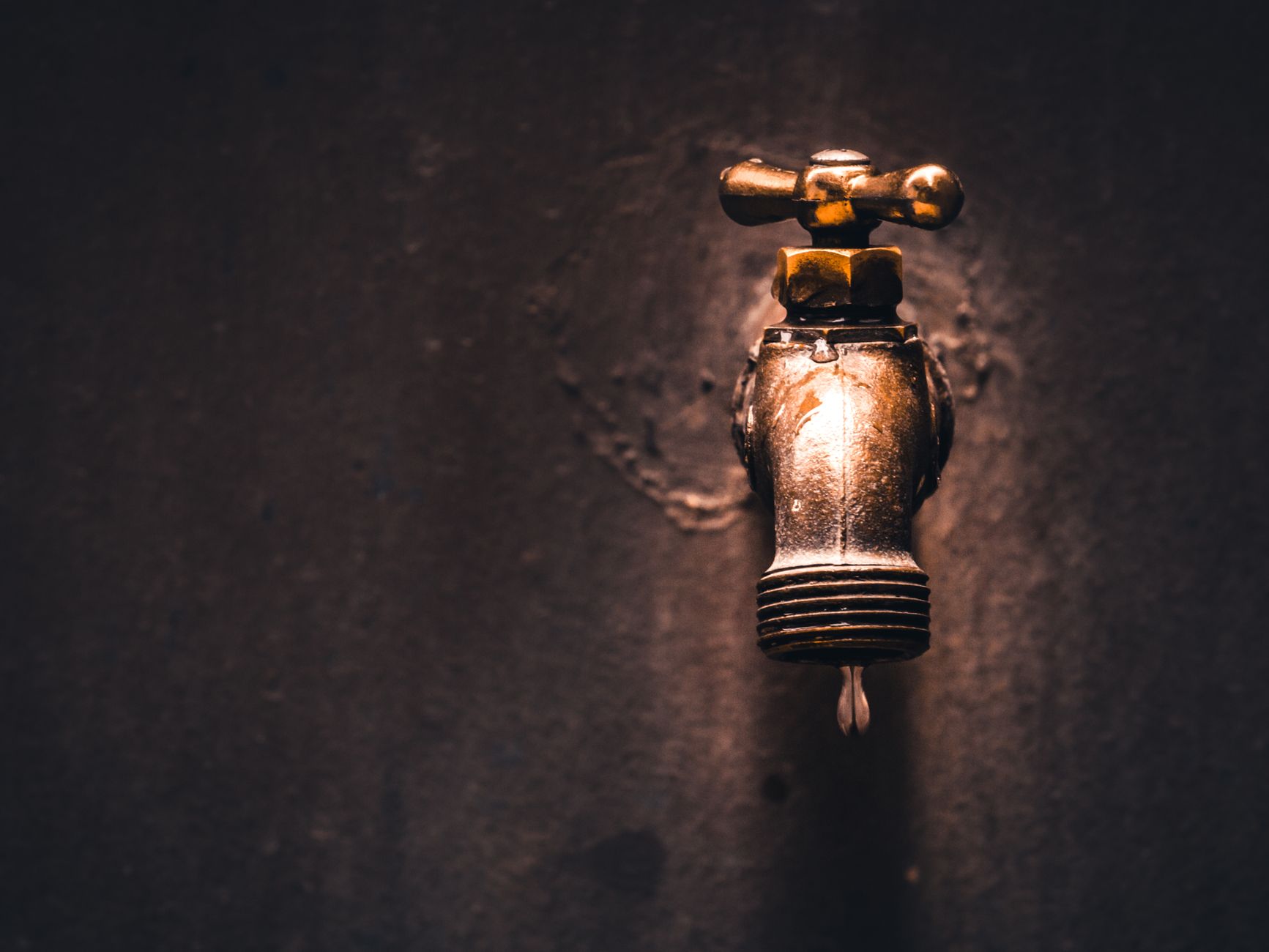
    A persistent drip might seem insignificant, but it can waste hundreds, even thousands, of gallons of water annually. A leaky toilet can be even worse, often silently wasting vast quantities. Regularly check for leaks and repair them immediately. A few dollars spent on a washer or flapper can save you much more in water bills.

  4. Only Run Full Loads in Dishwashers and Washing Machines

    Modern appliances are remarkably efficient, but they still use a set amount of water per cycle. Maximize their efficiency by only running them when they are completely full. If you must run a partial load, many machines now offer 'half-load' or 'eco' settings designed to use less water and energy.

  5. Install Low-Flow Showerheads and Toilets

    Upgrading to water-efficient fixtures is a smart investment. Low-flow showerheads can significantly reduce water usage without compromising water pressure or shower experience. Similarly, modern low-flush toilets use much less water per flush than older models, sometimes saving gallons with every use.

  6. Collect Rainwater for Gardening

    Invest in a rain barrel to collect rainwater from your roof downspouts. This chemical-free, soft water is excellent for watering plants, gardens, and even washing your car. It reduces your reliance on municipal water for outdoor irrigation, especially during dry spells.

  7. Water Plants Efficiently

    If you're watering a garden or potted plants, do so in the early morning or late evening. This minimizes evaporation, allowing more water to reach the plant roots. Focus watering at the base of plants rather than spraying leaves, and consider drip irrigation systems for even greater efficiency.

  8. Use a Broom, Not a Hose, to Clean Driveways and Patios

    Sweeping paved surfaces clean of leaves and debris is far more water-efficient than hosing them down. A broom or rake does the job just as effectively, saving many gallons of water.

  9. Defrost Food in the Refrigerator, Not Under Running Water

    Planning ahead by moving frozen items to the refrigerator to thaw overnight is a simple habit that prevents unnecessary water waste. Running cold water over frozen food is a quick defrosting method but incredibly wasteful.

  10. Reuse Cooking Water

    The water you use to boil pasta, steam vegetables, or even wash produce can be repurposed. Once cooled, this nutrient-rich water can be excellent for watering plants, adding beneficial nutrients to the soil.

  11. Check for Toilet Leaks with Dye Tablets

    Even if you don't hear it, your toilet could be leaking. Place a few drops of food coloring or a dye tablet (often available for free from water utilities) into your toilet tank. Wait 15-20 minutes without flushing. If color appears in the bowl, you have a leak that needs repairing.

  12. Consider Native, Drought-Resistant Landscaping (Xeriscaping)

    For those with yards, replacing water-intensive lawns or non-native plants with drought-tolerant native species can drastically cut outdoor water use. Xeriscaping, or low-water landscaping, not only conserves water but often requires less maintenance and supports local ecosystems.

  13. Keep a Pitcher of Drinking Water in the Fridge

    Instead of letting the tap run until the water gets cold enough to drink, keep a pitcher of filtered water in the refrigerator. This ensures you always have cold water on hand without wasting a drop.

  14. Wash Cars Less Frequently or at Commercial Car Washes that Recycle Water

    Hand-washing your car can use a significant amount of water. Opt for commercial car washes that often use high-pressure, low-volume nozzles and systems that recycle their water, making them far more efficient than home washing.

  15. Monitor Your Water Bill for Unusual Spikes

    Your water bill isn't just a charge; it's a diagnostic tool. A sudden, unexplained increase in usage could indicate a hidden leak somewhere in your home's plumbing system. Regularly reviewing your bill can help you detect problems early and address them before they lead to excessive waste and cost.

Beyond the Habits: Long-Term Strategies and Smart Tech for 2026

While daily habits are crucial, looking ahead to 2026, homeowners have even more opportunities to embrace water conservation through strategic investments and smart technology.

Investing in Water-Efficient Appliances

When replacing old appliances, always look for the ENERGY STAR label, which often indicates water efficiency as well. High-efficiency washing machines, for example, use significantly less water per load than older models. Similarly, modern dishwashers are engineered to clean effectively with minimal water.

Smart Home Water Management

The smart home revolution extends to water usage. By 2026, these technologies are becoming more sophisticated and accessible:

  • Smart Leak Detectors: Devices that monitor water flow and detect unusual patterns can alert you to potential leaks instantly, preventing costly damage and water waste. Some can even automatically shut off your main water supply if a major leak is detected.
  • Smart Irrigation Systems: These systems use local weather data, soil moisture sensors, and plant-specific needs to water your lawn and garden only when necessary and in optimal amounts, significantly reducing outdoor water consumption.
  • Whole-Home Water Monitoring: Advanced systems provide real-time data on your entire household's water consumption, breaking it down by appliance or activity. This granular insight can help you identify areas of excessive use and track your conservation efforts.

Rethinking Your Landscape

Beyond xeriscaping, consider permeable paving materials for driveways and patios, which allow rainwater to soak into the ground rather than running off into storm drains. Creating rain gardens can also capture and filter stormwater, recharging local groundwater. These landscaping choices not only conserve water but also contribute to a healthier local environment.

The Wider Impact: More Than Just Savings

Embracing water conservation is about more than just saving money or even just protecting the environment. It's about fostering a deeper connection to the resources that sustain us and participating in a global movement towards sustainability.

  • Environmental Stewardship: By reducing your water footprint, you contribute to healthier rivers, lakes, and oceans, protecting aquatic ecosystems and biodiversity.
  • Community Resilience: Water conservation at home lessens the demand on municipal water systems, which can be particularly critical during droughts or periods of infrastructure strain. This contributes to the overall resilience and sustainability of your community's water supply.
  • Energy Conservation Synergy: As mentioned, water and energy are intrinsically linked. Conserving hot water, in particular, directly reduces the energy needed to heat that water, further lowering your carbon footprint and energy bills.
  • Setting an Example: Your actions inspire others. When friends, family, or neighbors see your commitment to sustainable practices, they may be encouraged to adopt similar habits, amplifying the positive impact.

Every decision we make, big or small, contributes to the kind of world we inhabit. By conscientiously conserving water, you become an active participant in building a more sustainable and resilient future for everyone.

Key Takeaways

  • Water conservation is critical for environmental sustainability, energy reduction, and financial savings.
  • Simple changes in daily habits, like turning off taps and taking shorter showers, yield significant water savings.
  • Promptly fixing leaks is one of the most impactful ways to prevent water waste.
  • Utilize appliances efficiently by running full loads and choosing water-saving models.
  • Outdoor water use can be drastically reduced through efficient watering practices, rainwater harvesting, and drought-resistant landscaping.
  • Smart home technology offers advanced solutions for leak detection and optimized irrigation, becoming increasingly relevant by 2026.
  • Individual actions collectively contribute to global water security and ecosystem health.

Frequently Asked Questions (FAQ)

Q1: How much water can I really save by adopting these habits?

A1: The potential savings are substantial and vary depending on your current consumption. For example, fixing a leaky toilet can save up to 200 gallons per day, while installing a low-flow showerhead can cut shower water use by 25-60%. Adopting all 15 habits could realistically reduce your household's water consumption by 20-50%, leading to significant annual savings on your water bill and a much smaller environmental footprint. Even small, consistent changes make a big difference over time.

Q2: Are water-saving devices expensive to install?

A2: Many water-saving devices are surprisingly affordable and easy to install yourself. Low-flow showerheads can cost as little as $20-$50. Faucet aerators are typically under $10. Toilet flapper replacements are often under $15. More significant investments like high-efficiency washing machines or smart irrigation systems have a higher upfront cost but offer substantial long-term savings on water and energy, often paying for themselves within a few years. Many local utility companies also offer rebates or incentives for upgrading to water-efficient fixtures and appliances.

Q3: Does saving water at home really make a difference globally?

A3: Absolutely. While one household's savings might seem small in isolation, the collective impact is immense. Imagine millions of households worldwide adopting these habits. This collective action reduces the overall demand on freshwater sources, alleviates pressure on local water infrastructure, and lessens the energy required for water treatment and distribution. Furthermore, conserving water in your home helps maintain healthy ecosystems in your local watershed, which connects to larger regional and global water systems. Every drop saved contributes to the larger picture of global water security.

Q4: What role does technology play in future water conservation, especially by 2026?

A4: By 2026, technology is set to play an even more pivotal role in water conservation. We're seeing rapid advancements in AI-powered leak detection systems that can identify anomalies in water usage before they become major problems. Smart irrigation systems are becoming more sophisticated, integrating hyper-local weather forecasts and specific plant needs to optimize watering schedules with unprecedented precision. Furthermore, smart meters provide real-time data to consumers, empowering them to understand and control their water usage better. Expect continued innovation in water recycling (greywater systems), atmospheric water generation, and advanced filtration technologies, all contributing to a more water-resilient future.

Conclusion: Your Role in a Water-Wise Future

The journey towards a sustainable future is paved with conscious choices made today. Water conservation at home is not a burden but an opportunity – an opportunity to contribute meaningfully to environmental health, reduce your cost of living, and embrace a more mindful way of life. The 15 habits outlined here are simple, practical steps that, when consistently applied, create a profound positive impact. As we move closer to 2026 and beyond, let's recognize the power we hold in our hands to safeguard this invaluable resource. Start small, stay consistent, and inspire others to join you in building a water-wise world, one drop at a time.

Editorial Note: This article was produced with AI assistance and reviewed by the biMoola editorial team to ensure accuracy and quality. We are committed to transparent, research-backed content.

Comments (0)

No comments yet. Be the first to comment!

biMoola Assistant
Hello! I am the biMoola Assistant. I can answer your questions about AI, sustainable living, and health technologies.