In an era of escalating energy costs and growing environmental consciousness, the quest for a more sustainable and affordable home has never been more pressing. Many homeowners feel trapped by ever-increasing utility bills, often unaware that a significant portion of their energy consumption is simply wasted. But what if you could take control, not just by a few percentage points, but by a substantial 40%? At biMoola.net, we believe in empowering our readers with actionable insights. This comprehensive guide will walk you through conducting your own home energy audit and implementing ten strategic changes that are proven to deliver dramatic savings, transforming your home into an energy-efficient sanctuary.
Understanding Your Energy Footprint: The Foundation of Savings
Before you can cut your energy bill, you need to understand where your energy goes. A home energy audit is essentially a deep dive into your dwelling's energy consumption patterns, identifying inefficiencies that leak money from your wallet every month. Far from being an arcane process requiring specialized equipment, much of a foundational audit can be performed by any homeowner with a keen eye and a desire for savings.
Your first step is to gather data. Review your utility bills for the past 12-24 months. Look for trends: when does consumption spike? Is it consistently high in winter for heating or summer for cooling? The U.S. Energy Information Administration (EIA) reported in 2022 that heating and cooling typically account for over 50% of residential energy use. Water heating can add another 15-20%. Understanding these baseline figures will help you prioritize your efforts.
Many utility companies now offer online portals or smart meter data that break down your usage by the hour or day. This granularity is invaluable. For instance, do you see unexplained spikes when you're not home? This could indicate a 'phantom load' from electronics or an inefficient appliance running unnecessarily.
A true audit goes beyond data. It involves a physical inspection, looking for the tell-tale signs of energy loss: drafts, cold spots, poorly insulated areas, and inefficient appliances. This foundational understanding is the bedrock upon which significant savings are built.
The DIY Energy Audit: Where to Look First
Armed with your utility data, it's time to put on your detective hat. A thorough DIY energy audit doesn't require a professional, but it does demand attention to detail. Here's where to start your inspection:
1. Air Leaks: The Silent Energy Thieves
One of the biggest culprits of energy waste is air leakage. Conditioned air escapes, and unconditioned air infiltrates through tiny cracks and gaps, forcing your HVAC system to work harder. The U.S. Department of Energy (DOE) estimates that air sealing can save homeowners 5% to 30% on their energy bills.
- Windows and Doors: Check for drafts by holding a lit incense stick or a thin piece of tissue paper around frames. If the smoke or paper moves, you have a leak.
- Electrical Outlets and Switch Plates: Especially on exterior walls, these can be significant sources of drafts.
- Plumbing Penetrations: Gaps around pipes under sinks or where they enter walls.
- Attic Hatch/Drop-down Stairs: Often overlooked, these can be massive sources of heat loss or gain.
- Fireplace Damper: Ensure it seals tightly when not in use.
2. Insulation: Your Home's Thermal Blanket
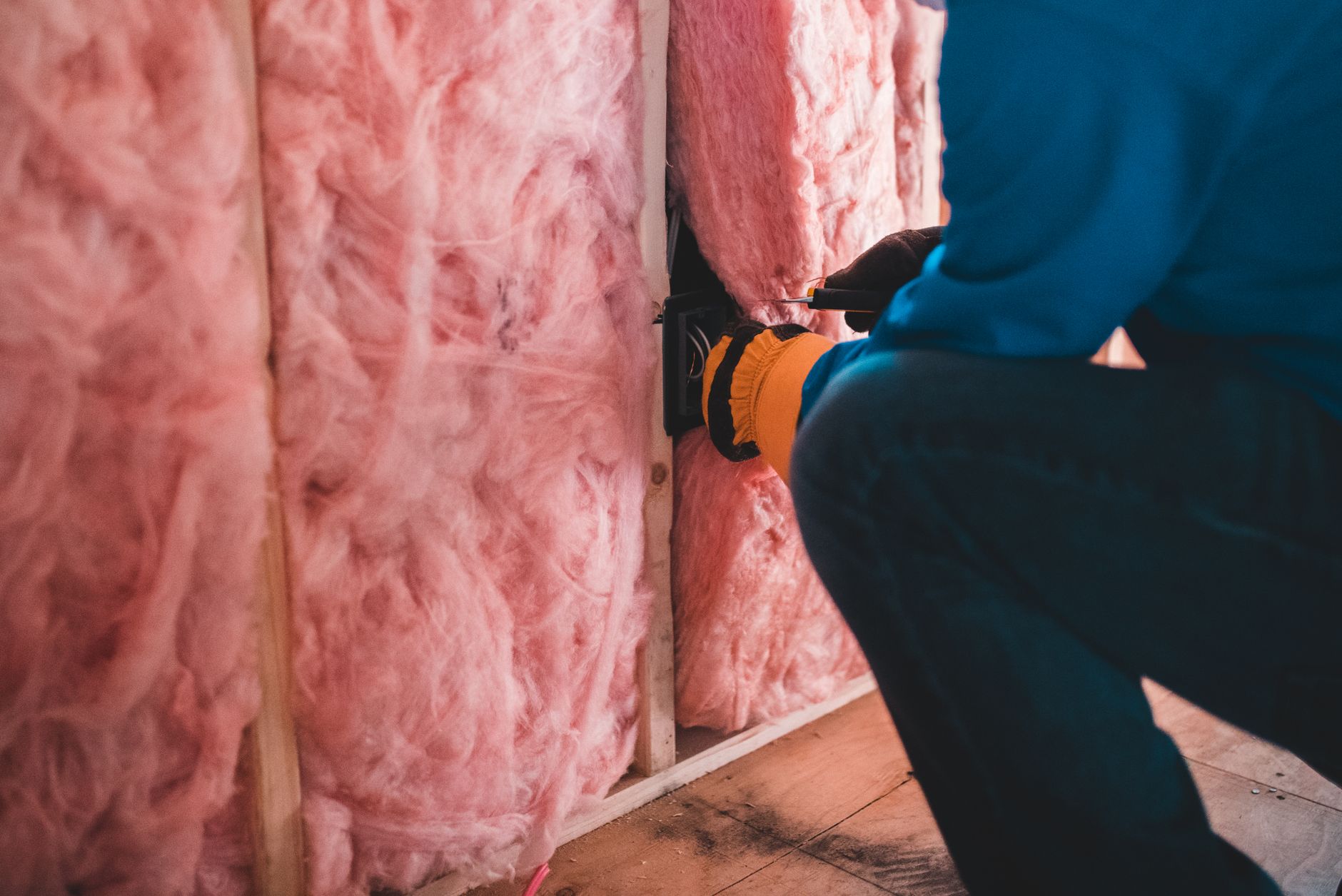
Adequate insulation is crucial for maintaining comfortable indoor temperatures and preventing heat transfer. Most homes, especially older ones, are under-insulated compared to modern standards.
- Attic: This is often the easiest and most impactful place to add insulation. Look at the depth of existing insulation. If you can see ceiling joists, you likely need more. The DOE recommends R-values of R-38 to R-60 for most attics, depending on your climate zone.
- Walls: Harder to inspect without specialized equipment, but cold spots on exterior walls can be an indicator.
- Crawl Space/Basement: Insulating these areas can prevent significant heat loss through the floor.
3. HVAC System: The Heart of Home Comfort
Your heating, ventilation, and air conditioning (HVAC) system is your home's biggest energy consumer. Its efficiency is paramount.
- Filters: Check your HVAC filter monthly. A dirty filter restricts airflow, making your system work harder and consume more energy.
- Ductwork: Inspect visible ducts (in attics, basements, crawl spaces) for disconnections, tears, or gaps. Leaky ducts can waste 20-30% of your heating and cooling energy.
- Thermostat: Is it programmable or smart? An old manual thermostat often leads to energy waste.
4. Water Heater: Hot Water, High Cost
Heating water is the second-largest energy expense in most homes, typically accounting for about 18% of your utility bill.
- Temperature Setting: Is it set higher than 120°F? Most households don't need it hotter.
- Insulation: Is the tank insulated, especially if it's an older model? Are the first few feet of hot water pipes insulated?
5. Appliances and Lighting: Everyday Energy Eaters
While individually smaller, collectively these can add up.
- Refrigerator: Is it older than 10-15 years? Check door seals.
- Lighting: Are you still using incandescent bulbs?
- Electronics: Many devices draw 'phantom power' even when turned off.
The 10 Changes That Cut Your Bill by 40%
Achieving a 40% reduction in your energy bill is an ambitious yet entirely attainable goal for many homes, especially those built before 2000. It requires a strategic, multi-pronged approach, prioritizing the areas identified in your DIY audit. Here are 10 key changes, starting with the most impactful:
-
1. Comprehensive Air Sealing (Estimated Savings: 10-20%)
This is arguably the most cost-effective upgrade. Use caulk to seal cracks around window frames, door frames, and small gaps. Apply weatherstripping to doors and operable windows. Use expanding foam for larger gaps around plumbing, electrical wiring, and duct penetrations. Don't forget electrical outlets on exterior walls – foam gaskets can be inserted behind cover plates. Sealing your attic hatch and ensuring your chimney damper is airtight are also critical. A 2021 study by the American Council for an Energy-Efficient Economy (ACEEE) highlighted air sealing as a foundational step for significant home energy performance improvements.
-
2. Optimize Attic Insulation (Estimated Savings: 10-25%)
Adding insulation to your attic can offer one of the highest returns on investment. If your attic insulation is below recommended R-values for your climate zone (e.g., R-38 to R-60 in many colder climates), bringing it up to standard will dramatically reduce heat loss in winter and heat gain in summer. Blown-in cellulose or fiberglass are common, cost-effective options for topping up existing insulation. Ensure proper ventilation in the attic to prevent moisture issues.
-
3. Seal and Insulate HVAC Ducts (Estimated Savings: 5-15%)
Duct leaks can waste 20-30% of your heating and cooling. Use mastic sealant or specialized aluminum foil tape (not duct tape, which degrades) to seal all joints, seams, and connections in your ductwork, particularly in unconditioned spaces like attics or crawl spaces. Once sealed, insulate the ducts to prevent temperature loss as conditioned air travels through them. This ensures the air you pay to heat or cool actually reaches its destination.
-
4. Upgrade to a Smart Thermostat (Estimated Savings: 8-15%)
A smart thermostat, such as those compatible with ENERGY STAR, learns your habits and optimizes heating and cooling schedules. It can adjust temperatures automatically when you're away, integrate with weather forecasts, and allow remote control. The ENERGY STAR program estimates savings of $50 annually from proper use of a smart thermostat, though many users report much higher savings due to personalized optimization.
-
5. Switch to LED Lighting (Estimated Savings: 5-10% of lighting bill)
Replace all incandescent and compact fluorescent (CFL) bulbs with LED alternatives. LEDs use 75-80% less energy and last 25 times longer than incandescent bulbs. While the percentage saving on your overall bill might seem small, the cost to switch is minimal, and the cumulative effect over time, coupled with reduced bulb replacement, is substantial. A typical household can save over $200 per year by switching to LEDs, according to EPA data from 2023.
-
6. Insulate Hot Water Pipes & Lower Heater Temperature (Estimated Savings: 5-10%)
Wrap the first six feet of hot and cold water pipes connected to your water heater with pipe insulation sleeves. This reduces heat loss as water travels through pipes and prevents condensation. Additionally, lower your water heater's thermostat to 120°F (from the common factory setting of 140°F). This single change can save 4-22% on water heating costs, according to the DOE, and still provides adequately hot water for most needs.
-
7. Address Appliance Inefficiencies (Estimated Savings: Variable, 5-20% for specific appliance)
Older appliances, especially refrigerators (pre-2000), consume significantly more energy. Consider replacing major appliances with ENERGY STAR certified models. While a significant upfront investment, the long-term savings are compelling. For example, a new ENERGY STAR certified refrigerator uses about half the energy of a 15-year-old model. For existing appliances, ensure refrigerator coils are clean, and check the seals on refrigerator and freezer doors with a dollar bill – if it pulls out easily, the seal needs attention.
-
8. Install Low-Flow Fixtures (Estimated Savings: 2-5%)
Low-flow showerheads and faucet aerators significantly reduce the amount of hot water consumed without sacrificing water pressure. Since heating water is a major expense, using less hot water directly translates to energy savings. An ENERGY STAR certified showerhead can save a family of four 2,900 gallons of water and over $30 in water heating costs annually.
-
9. Consider Window Upgrades or Treatments (Estimated Savings: 7-15%)
While full window replacement is expensive, it can offer substantial savings if your windows are old, single-paned, or poorly sealed. Alternatives include adding storm windows, applying low-e window film, or using heavy, insulated drapes or cellular shades. These treatments create an additional insulating barrier, reducing heat transfer through the glass.
-
10. Reduce Phantom Loads (Estimated Savings: 2-8%)
Many electronics, like TVs, chargers, and computers, draw power even when turned off or in standby mode. This 'vampire drain' can account for 5-10% of your household's electricity use. Use power strips with on/off switches for entertainment centers and office equipment, and unplug chargers when not in use. Smart power strips can detect when devices are off and cut power automatically.
Implementing these changes systematically, informed by your DIY audit, will create a compounding effect, pushing you towards and beyond that 40% savings target.
Tracking Your Progress: The Data-Driven Path to 40%
Making these changes is only half the battle; tracking their impact is crucial to confirm your savings and refine your strategy. Regularly reviewing your utility bills is paramount. Many utility providers offer online dashboards that graph your energy use over time, allowing for direct comparison before and after upgrades.
Consider investing in a home energy monitor. These devices clamp onto your main electrical line and provide real-time data on your entire home's energy consumption, or even individual circuits. This immediate feedback can be incredibly motivating and helps pinpoint specific energy hogs you might have missed.
Don't just look at the raw dollar amount, though. Account for seasonal variations and changes in energy prices. Normalizing your data (e.g., comparing kilowatt-hours used per degree-day) can provide a more accurate picture of your efficiency gains. The continuous feedback loop of 'implement-measure-adjust' ensures you're on the most efficient path to maximizing savings and maintaining an energy-optimized home.
Key Takeaways
- Start with an Audit: Understand your energy consumption patterns and identify specific inefficiencies in your home through a DIY energy audit.
- Prioritize Air Sealing & Insulation: These are the most cost-effective and impactful first steps, offering significant returns on investment by preventing conditioned air loss.
- Optimize HVAC & Water Heating: Address the largest energy consumers through duct sealing, smart thermostats, water heater temperature adjustments, and pipe insulation.
- Embrace Smart Tech & Efficient Appliances: Leverage LED lighting, ENERGY STAR appliances, and smart power strips to reduce daily energy draw and phantom loads.
- Track & Adjust: Continuously monitor your energy usage post-upgrades using utility data or home energy monitors to verify savings and fine-tune your efficiency efforts.
Expert Analysis: Beyond the Bill – A Holistic View of Home Energy Efficiency
At biMoola.net, we view energy efficiency not merely as a cost-saving exercise, but as a critical component of sustainable living and smart home management. While the allure of cutting your utility bill by 40% is powerful, the broader implications are equally compelling. Every kilowatt-hour saved reduces your carbon footprint, contributing to a healthier planet. This transition isn't just about patching leaks; it's about investing in your home's long-term value, comfort, and resilience.
The journey to significant energy reduction also fosters a deeper connection with your living space. As you inspect your attic insulation or seal a drafty window, you gain an intimate understanding of your home's performance. This knowledge empowers you to make informed decisions about future upgrades, whether it's considering rooftop solar, heat pump installations, or even electric vehicle charging integration. The initial 40% savings is often just the beginning, opening doors to even greater autonomy and sustainability.
Furthermore, the advancements in smart home technology are continually making energy management more intuitive and effective. From AI-powered thermostats that anticipate your needs to integrated systems that monitor appliance usage and even recommend optimal charging times for EVs, the future of energy-efficient homes is highly automated and personalized. By embracing these foundational DIY steps today, you're not just saving money; you're future-proofing your home and actively participating in the energy transition.
Estimated Energy Savings from Key Upgrades
This table illustrates the potential individual impact of various energy efficiency upgrades. Note that actual savings can vary based on home size, climate, existing conditions, and user behavior. The cumulative effect of multiple upgrades can be substantial, often exceeding individual sum due to synergistic benefits.
| Upgrade Category | Typical Cost Range (DIY - Professional) | Estimated Annual Energy Savings | Payback Period (Estimate) |
|---|---|---|---|
| Air Sealing (Caulk, Weatherstripping) | $50 - $500 | 10% - 20% | < 1 year |
| Attic Insulation Upgrade | $500 - $3,000 | 10% - 25% | 2 - 5 years |
| Duct Sealing & Insulation | $200 - $1,500 | 5% - 15% | 1 - 3 years |
| Smart Thermostat Installation | $150 - $350 | 8% - 15% (HVAC portion) | 1 - 2 years |
| LED Lighting Conversion | $50 - $300 | 5% - 10% (lighting portion) | < 1 year |
| Water Heater Temp & Pipe Insulation | $10 - $100 | 4% - 22% (water heating portion) | < 1 year |
| Reducing Phantom Loads | $20 - $100 (for power strips) | 2% - 8% (electrical portion) | < 1 year |
| ENERGY STAR Refrigerator | $800 - $2,500+ | 10% - 20% (appliance portion) | 5 - 10 years |
Frequently Asked Questions
Q: How long does a DIY energy audit typically take?
A basic DIY energy audit, focusing on air leaks, insulation levels, and visible appliance checks, can be completed in an afternoon, roughly 2-4 hours for an average-sized home. A more thorough audit, including reviewing past utility bills and detailed appliance specs, might take a full day. The key is to be systematic and thorough, rather than rushing the process.
Q: Are there government incentives or rebates available for energy-efficient home upgrades?
Absolutely! Many governments, states, and local utility companies offer various incentives, tax credits, and rebates for energy-efficient upgrades. For example, in the U.S., the Inflation Reduction Act of 2022 expanded tax credits for things like heat pumps, insulation, and energy-efficient windows. We highly recommend checking websites like Energy.gov, your state's energy office, or your local utility provider's website for specific programs applicable to your area before making significant investments.
Q: Can I truly expect to save 40% on my energy bill, or is that an optimistic target?
Saving 40% is an ambitious but achievable goal, especially for homes that are older or have not had significant efficiency upgrades. It typically requires implementing several of the high-impact changes outlined in this article, focusing on areas like comprehensive air sealing, attic insulation, and HVAC optimization. While not every home will hit exactly 40%, many homeowners who commit to a multi-pronged approach often see savings in the 25-40% range, making it a realistic target for substantial improvement.
Q: What is the single most cost-effective first step for someone on a tight budget?
For someone on a tight budget, the absolute most cost-effective first step is comprehensive air sealing. Materials like caulk, weatherstripping, and foam gaskets are inexpensive, and the labor is entirely DIY. This can reduce your energy bill by 10-20% for a minimal investment, making it an excellent starting point that quickly pays for itself and frees up funds for further upgrades.
Sources & Further Reading
- U.S. Department of Energy (DOE) - Energy Saver: Energy Audits
- ENERGY STAR Home Page - U.S. Environmental Protection Agency (EPA)
- American Council for an Energy-Efficient Economy (ACEEE)
- U.S. Energy Information Administration (EIA) - Monthly Energy Review
- Nature Energy: 'The role of residential energy efficiency in achieving global climate goals' (2022 Study)
Disclaimer: For informational purposes only. Always consult a qualified healthcare professional.
Comments (0)
To comment, please login or register.
No comments yet. Be the first to comment!