In the burgeoning landscape of personal health technology, devices like the Oura Ring have become indispensable tools for tracking our physiological responses to daily life. They offer a window into our sleep patterns, activity levels, and overall recovery, distilling complex biological data into digestible scores and insights. Yet, sometimes, these insights can spark unexpected reactions, even humor, among users.
Recently, a sentiment circulating among wearable users caught our eye: the idea that a device might 'understand' and even 'support' a less-than-ideal lifestyle, in contrast to others who feel 'beaten down' by their tracker for even minor indulgences. One user humorously noted their Oura seemed to acknowledge a consistently 'terrible lifestyle' and instead of scolding, offered a gentle nudge, suggesting 'it just be like that sometimes.' This observation, born from a Mother's Day indulgence of tequila shots and rich food, prompts a deeper dive into how these sophisticated devices truly interpret our physiological data, particularly concerning acute stressors like alcohol and dietary choices. Are these devices truly adapting to our perceived habits, or is there a more scientific explanation behind the personalized feedback we receive? At biMoola.net, we believe understanding the algorithms and biometrics at play is key to harnessing these powerful tools effectively. Join us as we unpack the science, demystify the data, and offer expert insights into maximizing your wearable health experience.
Understanding Wearable Health Metrics: Beyond the Score
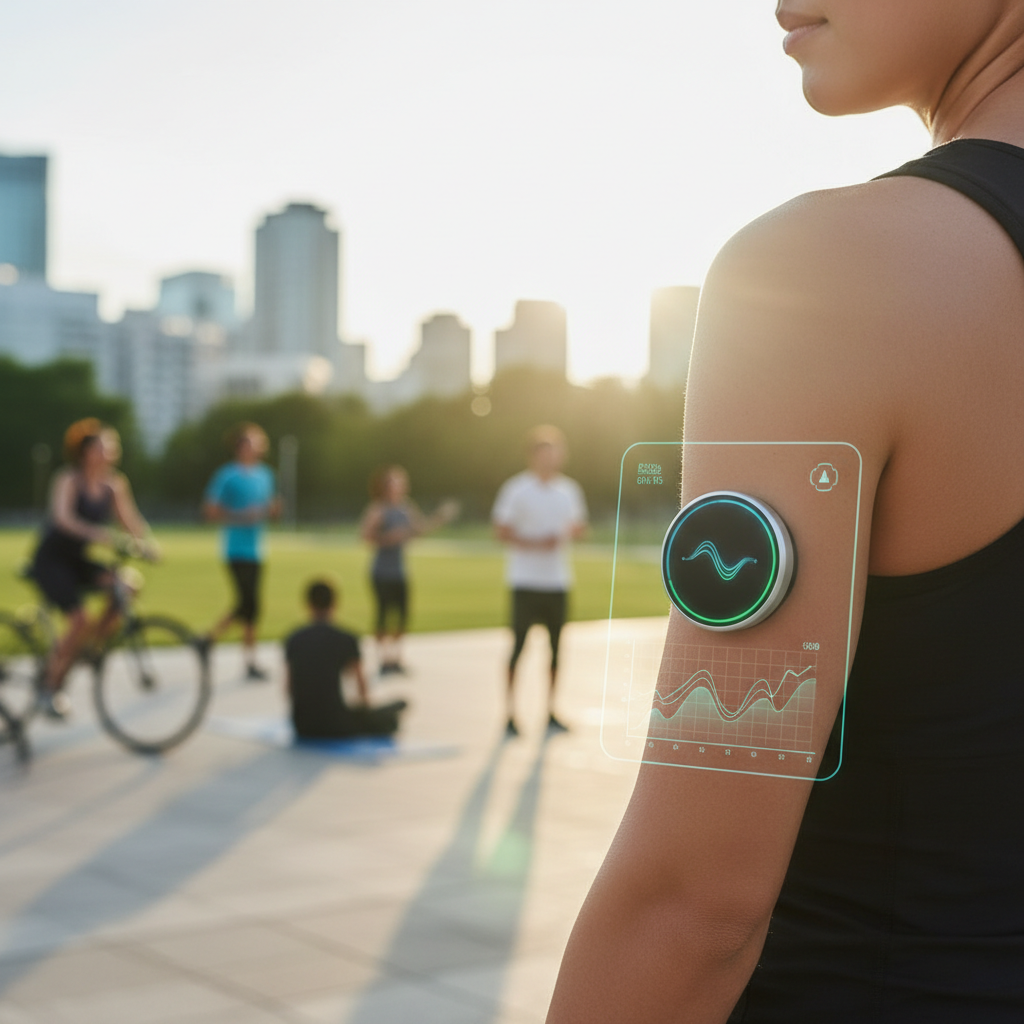
Modern wearables, typified by the Oura Ring, are far more than glorified pedometers. They employ an array of sophisticated sensors to collect a rich tapestry of physiological data. This includes an optical heart rate sensor (photoplethysmography or PPG) for tracking heart rate and heart rate variability (HRV), an accelerometer for motion detection, and often a negative temperature coefficient (NTC) thermistor for skin temperature. The magic, however, lies not just in the data collection, but in the proprietary algorithms that transform these raw signals into actionable insights and daily scores.
For instance, your daily Readiness Score on Oura isn't just an arbitrary number; it's a weighted calculation integrating metrics like your recent sleep quality (REM, deep sleep percentages, sleep efficiency), HRV balance, resting heart rate, body temperature deviation from baseline, and activity levels. A low score doesn't necessarily mean you're 'unhealthy' in an absolute sense, but rather that your body is exhibiting signs of physiological stress or recovery deficit relative to your individual baseline. This distinction—relative to your baseline versus an absolute ideal—is critical for understanding the personalized nature of wearable feedback.
The device's intelligence hinges on its ability to learn your unique physiological rhythms over time. Initially, it spends days or weeks establishing your baseline—your typical resting heart rate, HRV, body temperature range, and sleep architecture. This baseline then becomes the reference point against which daily deviations are measured. So, if your resting heart rate is normally 65 bpm, a jump to 72 bpm post-indulgence will be flagged. But if your baseline resting heart rate consistently averages 70 bpm due to chronic factors, the same 72 bpm might not register as a significant deviation, even if it's still not 'ideal' in a general health context. This personalization is what makes feedback from devices like Oura feel acutely relevant, and sometimes, surprisingly lenient.
The Physiological Fallout of Indulgence: What Alcohol Really Does
The user's experience with consuming '10 tequila shots' and rich food provides a stark example of acute physiological stress. While the immediate effects might feel pleasant or indulgent, the body's internal systems register these events as work. Alcohol, in particular, has a profound and well-documented impact on several key biometrics that wearables track.
Sleep Disruption
Contrary to the myth that alcohol aids sleep, it severely disrupts its quality. While it might induce drowsiness and shorten sleep onset latency, it fragmentizes sleep architecture. Studies, such as a 2018 review published in Alcoholism: Clinical and Experimental Research, consistently show that even moderate alcohol consumption reduces REM sleep, the stage critical for cognitive function, memory consolidation, and emotional regulation. It also increases wakefulness during the second half of the night as the body metabolizes the alcohol, often leading to earlier awakenings. Your wearable will likely report increased wakefulness, decreased REM sleep, and potentially lower sleep efficiency.
Heart Rate Variability (HRV) Alterations
HRV is a key indicator of autonomic nervous system (ANS) balance, reflecting the interplay between your sympathetic (fight-or-flight) and parasympathetic (rest-and-digest) systems. A higher HRV generally indicates a more resilient and adaptable ANS. Alcohol, being a significant stressor, typically suppresses HRV. Research, including findings from a 2017 study in the Scientific Reports journal, shows a dose-dependent reduction in HRV following alcohol consumption, sometimes persisting for over 24 hours. This occurs because the body is working hard to detoxify, keeping the sympathetic nervous system elevated even during periods meant for rest. A wearable will prominently feature a lower-than-average HRV score after a night of drinking.
Core Body Temperature Spikes
Alcohol metabolism generates heat, leading to an increase in core body temperature. While the body typically lowers its temperature to initiate and maintain sleep, alcohol interferes with this thermoregulatory process. Devices like Oura, which track skin temperature, often register a noticeable elevation from the user's baseline. This increased temperature can make it harder to fall asleep, lead to restless sleep, and contribute to a feeling of being 'overheated' during the night, further impacting sleep quality and overall recovery.
Personalized Baselines and Adaptive Algorithms: Is Your Oura "Supportive"?
The core of the user's observation—that their Oura might seem 'supportive' of a consistently 'terrible lifestyle'—lies in the concept of a personalized baseline and the adaptive nature of wearable algorithms. It's not that the device is condoning unhealthy habits, but rather that its 'normal' for *you* has shifted.
Imagine two individuals: one who consistently maintains a healthy lifestyle with rare indulgences, and another whose lifestyle frequently includes late nights, processed foods, and alcohol. If the healthy individual has a typical HRV of 80ms, a single night of drinking might drop it to 40ms, a significant and alarming deviation that the Oura algorithm will flag prominently, resulting in a very low Readiness Score. For the second individual, whose average HRV might consistently hover around 45ms due to chronic stressors, a night of drinking might drop it to 35ms. While still a drop, the *relative* deviation from their (already lower) baseline is smaller. The algorithm doesn't compare them to an ideal human; it compares them to *themselves*.
This dynamic baseline effect means that if your 'normal' includes regular physiological stressors, your body adapts to some extent, and your baseline metrics will reflect this. When you then engage in another indulgence, the *change* relative to your adapted baseline might not be as dramatic as it would be for someone whose baseline is much higher. The Oura isn't saying 'this is fine,' but rather 'this is within your established range of normal fluctuation, even if that normal isn't optimal.' The 'supportive' feeling might arise because the algorithm isn't flagging the indulgence as an extreme outlier for someone whose baseline already reflects a high degree of physiological stress. It’s measuring deviation, not absolute health.
The Psychological Impact of Data Feedback: Motivation vs. Discouragement
The way data is presented by wearables profoundly influences user psychology. Receiving consistently low scores after every minor indulgence can be demotivating, leading to 'device fatigue' or even outright rejection of the technology. Conversely, a device that appears to 'go easy' on you might inadvertently reinforce less healthy behaviors by not providing a strong enough corrective signal.
This is a delicate balance for health tech companies. The goal is to provide accurate, actionable feedback without becoming a constant source of guilt or anxiety. Some algorithms may be designed to gradually nudge users towards healthier patterns rather than delivering harsh, absolute judgments. For example, Oura's 'Rest Mode' feature allows users to temporarily adjust their goals and expectations during periods of illness or significant stress, recognizing that sustained optimal performance isn't always feasible or healthy. This shows an understanding of the psychological aspect of long-term health tracking.
Understanding that your wearable is a tool for self-awareness, not a moral judge, is crucial. Its purpose is to reflect your body's state, allowing you to connect cause and effect. If a night out consistently tanks your recovery, the device isn't punishing you; it's revealing a physiological reality. How you interpret and act on that reality is where true agency lies.
Practical Strategies for Recovery and Resilience
Regardless of how your wearable interprets your indulgences, the underlying physiological impact remains. Here are actionable strategies for mitigating the effects of occasional stressors and building greater resilience:
Pre-Emptive Measures
- Hydrate Adequately: Before, during, and after alcohol consumption, prioritize water. Alcohol is a diuretic, and dehydration exacerbates many of its negative effects.
- Eat a Balanced Meal: Don't drink on an empty stomach. Food slows alcohol absorption and provides nutrients to support detoxification pathways.
- Pace Yourself: Moderate your consumption to give your body more time to process alcohol, reducing the acute physiological load.
Post-Indulgence Recovery
- Prioritize Sleep Environment: Even if sleep quality will be compromised, optimize your sleep space: dark, cool, quiet. Use blackout curtains and earplugs.
- Gentle Movement: Light activity like a walk can aid circulation and metabolism, but avoid intense exercise which could add more stress to an already taxed system.
- Nutrient Repletion: Focus on nutrient-dense foods (fruits, vegetables, lean proteins) to replenish vitamins and minerals, and support liver function.
Long-Term Behavioral Shifts
- Consistency is Key: While occasional indulgences happen, consistent healthy habits (regular sleep, balanced nutrition, stress management) build a stronger physiological baseline that can better absorb acute stressors.
- Listen to Your Body (and Your Data): Use your wearable's insights as a feedback loop. If a particular activity consistently derails your recovery, consider adjusting your approach.
- Mindful Consumption: Be intentional about your choices. Understand the trade-offs and make decisions that align with your overall health goals.
Data Snapshot: Alcohol's Impact on Key Biometrics
The physiological effects of even moderate alcohol consumption are measurable. Below is a generalized comparison of how alcohol can impact key biometrics tracked by wearables, compared to a baseline without alcohol.
| Biometric Metric | Typical Impact Post-Alcohol (compared to baseline) | Implication for Recovery & Readiness |
|---|---|---|
| Resting Heart Rate (RHR) | ↑ Elevated by 5-15 bpm | Body working harder, sympathetic nervous system activity increased, reduced recovery. |
| Heart Rate Variability (HRV) | ↓ Reduced by 20-50% | Decreased autonomic nervous system adaptability, indicating physiological stress. |
| Deep Sleep % | ↓ Decreased significantly (often 20-40% reduction) | Impaired physical restoration, growth hormone release, and immune function. |
| REM Sleep % | ↓ Decreased significantly (often 30-60% reduction) | Compromised cognitive function, memory consolidation, and emotional processing. |
| Sleep Efficiency | ↓ Reduced by 5-15% (more wakefulness) | Fragmented sleep, less overall restorative sleep time. |
| Body Temperature | ↑ Elevated by 0.2 - 0.5 °C | Interferes with thermoregulation crucial for sleep onset and maintenance. |
Note: These are generalized impacts. Individual responses vary based on dosage, metabolism, and existing health status.
Expert Analysis: Navigating the Nuances of Personalized Health Tech
The fascinating anecdote about the 'supportive' Oura Ring offers a potent lesson in interpreting data from personalized health technology. From an editorial standpoint at biMoola.net, this isn't about the device excusing unhealthy behavior; it's about its sophisticated algorithms measuring deviation from an *individual's established norm*. If someone's physiological baseline already reflects the strain of consistent stressors, then an additional stressor, while still detrimental, might not produce as dramatic a deviation *relative to that individual's baseline* as it would for someone with a pristine baseline. It’s a matter of amplitude of change, not absolute health status.
This highlights a crucial aspect of wearable adoption: user education. Companies like Oura invest heavily in algorithms that learn and adapt, aiming to provide relevant, rather than generic, feedback. However, the interpretation still rests with the user. The device isn't designed to be a moral compass; it's an objective reporter of your body's current state. The 'supportive' feeling might simply be the algorithm's way of saying, 'This is consistent with your current physiological pattern, but here's how it impacted your metrics.' It's a subtle but significant distinction.
Our take is that such feedback serves as a powerful, data-driven mirror. It shows us the consequences of our choices on our unique biology. Instead of seeking validation for our indulgences, we should use these insights to understand our personal resilience limits. If your Oura consistently shows low readiness or poor sleep after certain activities, it's not a judgment; it's an invitation to explore how those choices align with your long-term health and productivity goals. The true value lies in the self-awareness it fosters, enabling us to make more informed decisions about our well-being, rather than simply reacting to a score.
Key Takeaways
- Wearable devices like Oura personalize feedback by establishing and adapting to your individual physiological baseline.
- Alcohol profoundly disrupts key biometrics like sleep architecture, HRV, and body temperature, impacting recovery.
- A 'supportive' feeling from a wearable may stem from the algorithm measuring relative deviation from your established baseline, not absolute health.
- Interpreting wearable data requires understanding the science behind the metrics and the device's adaptive algorithms.
- Use wearable insights as a tool for self-awareness and informed decision-making, rather than a source of judgment or validation.
Q: Does my Oura Ring 'get used' to my unhealthy habits?
A: Your Oura Ring's algorithms don't 'get used' to unhealthy habits in a way that makes them less detrimental. Instead, they adapt your personalized baseline to reflect your body's current physiological state. If you consistently engage in activities that cause physiological stress (like frequent alcohol consumption or poor sleep), your baseline metrics (e.g., average HRV, RHR, body temperature) will naturally adjust to reflect this altered state. When you then experience another similar stressor, the deviation from this 'new normal' might not appear as drastic as it would for someone with a healthier baseline. The device is still accurately reporting your body's response, but it's measuring it against *your* established average, not an idealized universal standard.
Q: How accurate are wearables in tracking alcohol's impact?
A: Modern wearables, particularly those with advanced sensors like the Oura Ring, are generally quite accurate in detecting the physiological *impacts* of alcohol on the body. They can reliably show changes in resting heart rate, heart rate variability (HRV), sleep architecture (reduced REM and deep sleep), and elevated skin temperature. While they don't directly measure blood alcohol content, the biometric changes they track are well-correlated with alcohol consumption. A 2021 study published in the journal Sensors, for example, demonstrated the utility of wearable devices in identifying alcohol-induced physiological stress responses. Their accuracy in reflecting these post-consumption metrics is generally high enough to provide meaningful personal insights.
Q: What are the best ways to mitigate the impact of occasional indulgence on my biometrics?
A: To mitigate the impact of occasional indulgences, focus on supportive recovery strategies. Prioritize hydration before, during, and after drinking. Ensure you consume a balanced meal to slow alcohol absorption. After an indulgence, focus on optimizing your sleep environment (cool, dark, quiet). Engage in gentle movement like a short walk, rather than intense exercise, to aid circulation. Replenish nutrients with healthy, whole foods. These actions won't erase the impact, but they can help your body recover more efficiently, and your wearable data will likely reflect a less severe dip in recovery metrics compared to doing nothing.
Q: Should I always trust my wearable's scores?
A: Wearable scores should be seen as valuable insights and guides, not absolute truths or diagnoses. They provide a personalized, data-driven reflection of your body's state based on physiological markers. While the sensors and algorithms are sophisticated, they are not infallible, and external factors or individual variances can influence readings. It's crucial to cross-reference the data with how you physically feel and any contextual factors (e.g., stress, illness, travel). Use the scores to foster self-awareness, identify patterns, and inform lifestyle choices. If you have significant health concerns, always consult with a qualified healthcare professional; your wearable is a tool for self-monitoring, not a substitute for medical advice.
Sources & Further Reading
- Alcoholism: Clinical and Experimental Research. (2018). Impact of Alcohol on Sleep: A Systematic Review.
- Scientific Reports. (2017). The effect of alcohol on heart rate variability in healthy subjects.
- Sensors. (2021). Monitoring Alcohol-Induced Physiological Stress Response Using Wearable Devices: A Review.
- World Health Organization (WHO) - Alcohol
Disclaimer: For informational purposes only. Consult a healthcare professional for personalized medical advice or treatment. The information provided in this article is not intended to diagnose, treat, cure, or prevent any disease.
Comments (0)
To comment, please login or register.
No comments yet. Be the first to comment!