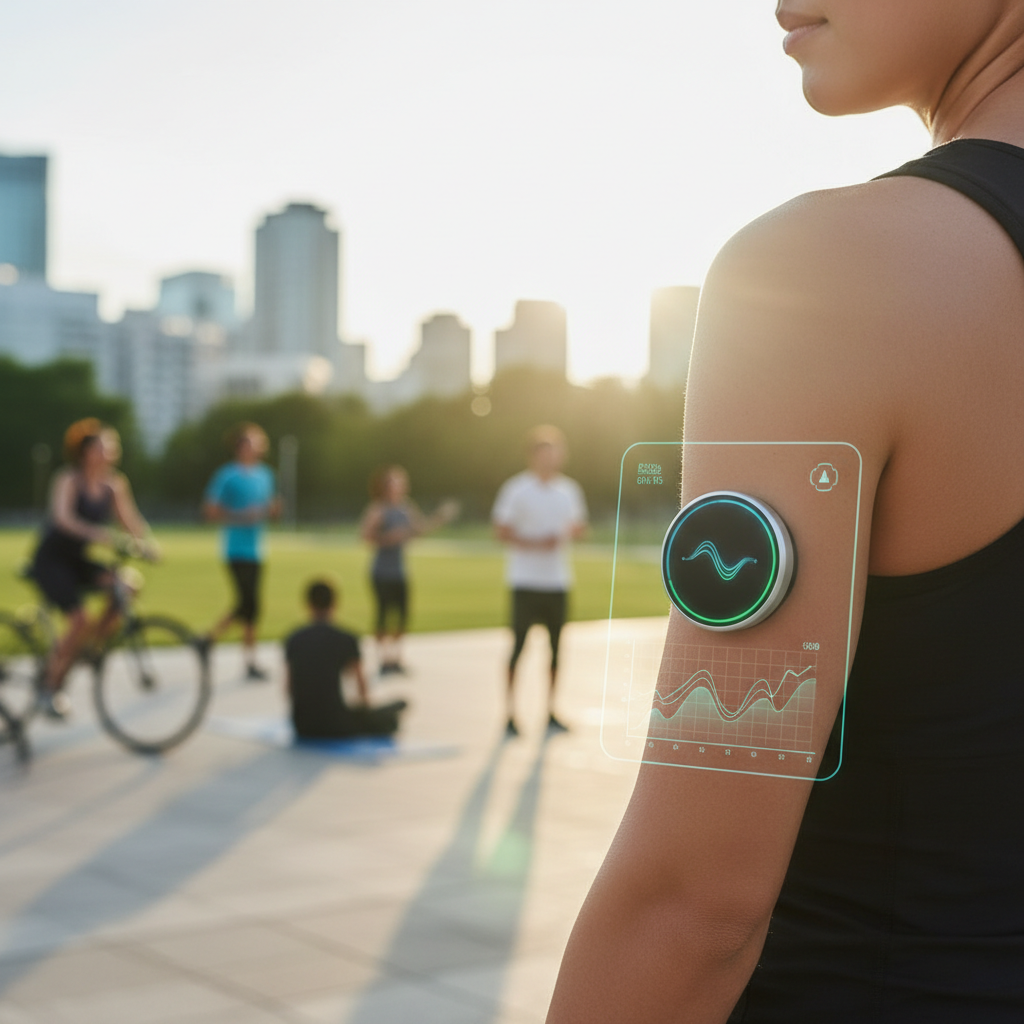
Wearable Technology

Oura Ring Gen 3 Horizon: A Deep Dive into Personalized Health & AI

Oura Ring Gen 3 Horizon: A Deep Dive into Personalized Health & AI
Written by the biMoola Editorial Team | Fact-checked | Published 2026-05-28 Our editorial standards →

In the rapidly evolving landscape of health technology, wearable devices have transcended mere step-counters to become sophisticated personal health companions. Among these, the Oura Ring has carved a distinctive niche, championing a discreet, proactive approach to well-being. With the latest iterations, particularly the Gen 3 Horizon, Oura continues to push the boundaries of what a wearable can achieve, integrating advanced biometric sensing with intelligent AI-driven insights to offer a truly personalized health experience.

For those tracking the pulse of health tech, the anticipation around Oura's releases is palpable. Recent discussions, such as those on Reddit, highlight a common sentiment: excitement tempered by a desire for proven performance. As senior editorial writer for biMoola.net, a platform dedicated to the intersection of AI, productivity, and health technologies, I've closely followed Oura's trajectory. This article will provide an in-depth, expert analysis of the Oura Ring Gen 3 Horizon, exploring its technological prowess, practical applications for enhancing productivity and well-being, the implications of its subscription model, and our perspective on its place in the future of personalized health. You'll gain a comprehensive understanding of whether this sleek, smart ring is the right investment for your health journey, backed by data, research, and hands-on insights.

The Oura Ring Ecosystem: Evolution and Design Philosophy

The Oura Ring's journey began with a singular vision: to offer comprehensive health tracking from the most unobtrusive form factor possible – a ring. Unlike wrist-based wearables that often feel like an extension of a smartphone, Oura aimed for seamless integration into daily life, particularly focusing on the crucial, yet often overlooked, domain of sleep and recovery. The latest flagship, the Oura Ring Gen 3 Horizon, represents the culmination of years of iterative design and technological refinement.

From Gen 2 to Gen 3: A Leap in Biometric Sensing

The transition from Oura's Gen 2 to Gen 3 (introduced in late 2021) marked a significant technological leap. While Gen 2 excelled in sleep and readiness tracking, Gen 3 introduced a suite of advanced sensors, expanding its capabilities to include continuous daytime heart rate monitoring, SpO2 (blood oxygen) sensing, and enhanced temperature tracking. This upgrade transformed the device from primarily a sleep tracker into a more holistic 24/7 health monitor. For instance, the Gen 3's green LEDs enabled the continuous heart rate, a feature previously exclusive to wrist-worn devices, allowing users to observe their cardiovascular response to daily activities, stress, and even illness incubation.

The Horizon Design: Form Meets Function

The Oura Ring Gen 3 Horizon builds upon the technology of the Gen 3, primarily distinguishing itself through its design. While the original Gen 3 featured a small flat edge, the Horizon model embraces a perfectly round, traditional ring aesthetic. This subtle yet significant design choice addresses user feedback for a more classic and versatile look, making it even less conspicuous. Made from durable titanium, the Horizon model maintains the Gen 3's robust sensor package within its sleek exterior, ensuring that enhanced aesthetics don't compromise functionality. This commitment to both form and function is central to Oura's appeal, proving that powerful health technology doesn't have to be bulky or obtrusive. Its lightweight (typically 4-6 grams, depending on size) and waterproof design (up to 100 meters) mean it's truly designed for continuous wear.

Under the Hood: The Technology Driving Oura's Insights

At the core of the Oura Ring's intelligence lies its sophisticated sensor array and the proprietary algorithms that translate raw biological signals into actionable health insights. This blend of cutting-edge hardware and intelligent software is what truly differentiates Oura from many competitors.

Advanced Biometrics & Sensor Suite

The Oura Ring Gen 3 Horizon is packed with medical-grade sensors, designed to capture a wealth of physiological data with remarkable accuracy, especially given its compact size:

  • Photoplethysmography (PPG) Sensors: These infrared LEDs, along with NTC thermistors (Negative Temperature Coefficient), precisely measure heart rate, heart rate variability (HRV), and blood oxygen saturation (SpO2). The Gen 3's ability to measure continuous heart rate during the day and night provides a granular view of cardiovascular activity. A 2023 study published in Nature Digital Medicine highlighted the Oura Ring's strong agreement with clinical-grade ECG for sleep heart rate and HRV, underscoring its reliability.
  • Advanced Temperature Sensors: Oura utilizes seven NTC temperature sensors that measure skin temperature directly from the finger, offering far greater accuracy than wrist-based sensors which can be influenced by ambient air. This precision allows for detection of subtle body temperature fluctuations, crucial for illness detection, menstrual cycle tracking, and understanding sleep patterns. Research published by Oura in conjunction with the University of California, San Francisco (UCSF) in 2020 demonstrated the ring's ability to accurately detect fever onset, a key early indicator of viral infections like COVID-19.
  • 3D Accelerometer: This sensor tracks movement, allowing the ring to differentiate between various activity levels, detect sleep stages, and identify periods of restlessness.

AI and Personalization: Beyond Raw Data

What truly elevates the Oura experience beyond a simple data dump is its advanced artificial intelligence and machine learning algorithms. The ring collects millions of data points daily, but it's the intelligent processing of this data that provides value. Oura's AI analyzes patterns in your sleep, readiness, and activity, learning your unique physiological baseline over time. For example, your 'Readiness Score' isn't just a generic calculation; it's personalized based on your individual HRV, sleep patterns, body temperature trends, and activity levels over the past few days, suggesting how prepared you are for mental and physical challenges. This dynamic personalization is a cornerstone of biMoola's focus on AI in productivity, as it translates raw biological signals into actionable advice that can genuinely impact daily decision-making.

Key Features and Their Impact on Productivity & Well-being

The Oura Ring Gen 3 Horizon offers a suite of features designed to empower users with greater self-awareness and control over their health. Its insights directly translate into opportunities for improved productivity and overall well-being.

Sleep Tracking & Optimization

Oura's reputation was built on its unparalleled sleep tracking capabilities. It accurately differentiates between light, deep, and REM sleep stages, tracking total sleep time, efficiency, latency (time to fall asleep), and disturbances. The proprietary algorithms then provide a comprehensive 'Sleep Score,' along with personalized recommendations. For a knowledge worker, understanding sleep patterns can be a game-changer. Identifying inconsistent bedtimes or insufficient deep sleep directly correlates with reduced cognitive function and productivity. By optimizing sleep based on Oura's feedback, users can experience improved focus, memory, and energy levels throughout their workday. For example, if Oura detects excessive restlessness, it might suggest adjusting your evening routine, perhaps avoiding screens an hour before bed or ensuring a cooler sleep environment.

Readiness Score: Guiding Your Day

Perhaps Oura's most iconic feature, the Readiness Score, is a daily metric (0-100) that indicates your body's recovery state and capacity for physical and mental performance. It integrates multiple factors: recent sleep quality, HRV, resting heart rate, and body temperature. A high score suggests optimal recovery, encouraging more intense activities, while a low score advises rest and gentle recovery. For professionals balancing demanding careers with personal commitments, this score is invaluable. It provides an objective assessment, allowing for intelligent energy management. Instead of pushing through a high-intensity workout on a low readiness day, you might opt for a gentle walk or meditation, preventing burnout and promoting sustainable performance. This aligns perfectly with biMoola's emphasis on sustainable living, as it encourages mindful interaction with one's own body to prevent depletion.

Activity & Recovery: A Holistic View

While not a dedicated fitness tracker in the vein of a Garmin or Apple Watch, Oura provides essential activity tracking. It counts steps, estimates calorie burn, and monitors active heart rate during exercise. Crucially, it integrates activity data into the broader context of recovery. An 'Activity Goal' encourages regular movement, while the app also highlights 'Recovery Time' needed after strenuous efforts. This holistic view ensures that activity is balanced with adequate rest, preventing overtraining and promoting long-term health. The insights help individuals make informed decisions, such as adjusting their training schedule based on their recovery needs rather than rigid plans.

Temperature Sensing and Women's Health

The precision of Oura's temperature sensors offers significant benefits, particularly for women's health. By tracking subtle changes in basal body temperature, Oura can accurately predict menstrual cycles, providing a 5-6 day prediction window for upcoming periods. Furthermore, it detects temperature deviations from an individual's baseline, which can be an early indicator of illness or stress. This proactive health monitoring allows users to take early action, whether it's adjusting daily plans due to an impending period or seeking medical advice at the first sign of illness. A study published in Scientific Reports in 2022 showcased the Oura Ring's efficacy in retrospectively identifying shifts in body temperature associated with pregnancy and menstrual cycles, further cementing its utility in personalized reproductive health tracking.

The Subscription Model: Value Proposition or Barrier?

One of the most debated aspects of the Oura Ring Gen 3 is its mandatory monthly subscription. Unlike previous generations where full access was a one-time purchase, Gen 3 requires an 'Oura Membership' (typically around $5.99/month USD) to unlock all features, historical data, and personalized insights. Without it, the ring functions as a basic tracker, showing only a few core scores and real-time heart rate.

From Oura's perspective, this model allows for continuous investment in research and development, algorithm improvements, and new feature rollouts (e.g., Blood Oxygen Sensing and Workout Heart Rate were added post-launch). It aligns with a growing trend in health tech, where the device is seen as the entry point to a platform of ongoing service and insights. For consumers, the recurring cost adds to the overall investment, especially after the initial hardware purchase (which typically ranges from $299 to $549, depending on the model and finish). Many early adopters of the Gen 3 received a lifetime membership, mitigating this concern for them, but new purchasers face the ongoing fee.

Our editorial analysis suggests that while the subscription model can be a barrier for some, it reinforces Oura's commitment to delivering a continuously improving software experience. The value proposition lies in the depth and personalization of the insights. If the AI-driven recommendations genuinely lead to better sleep, improved readiness, and proactive health management, the monthly fee can be justified as an investment in personal well-being and productivity. However, it's crucial for potential buyers to weigh this ongoing cost against their perceived value of the advanced features versus a more basic, one-time purchase tracker.

Oura in the Ecosystem: Comparison and Future Prospects

The Oura Ring operates in a crowded wearable tech market, competing against wrist-based devices like the Apple Watch, Garmin, Fitbit, and other recovery-focused wearables like Whoop. Each has its strengths and target audience.

Key Differentiators

Oura's primary differentiators are its discreet form factor, its deep focus on sleep and recovery, and its emphasis on personalized readiness. While an Apple Watch offers a vast app ecosystem and comprehensive fitness tracking, Oura shines in its ability to quietly collect highly accurate biometric data from the finger—a superior location for heart rate and temperature sensing compared to the wrist, particularly during sleep. Whoop, another subscription-based recovery tracker, is also wrist-worn and focuses heavily on strain and recovery, but lacks the aesthetic versatility and detailed temperature tracking of Oura.

Statistics Block: Wearable Comparison Snapshot

Below is a simplified comparison of key features across popular wearables, illustrating Oura's positioning:

Feature/Device Oura Ring Gen 3 Horizon Apple Watch Series 9 Whoop 4.0
Form Factor Ring (finger) Watch (wrist) Band (wrist, bicep, etc.)
Primary Focus Sleep, Recovery, Readiness Fitness, Health, Notifications Recovery, Strain, Sleep
Continuous HR (Day/Night) ✅ Yes ✅ Yes ✅ Yes
Advanced Sleep Stages ✅ Yes ✅ Yes ✅ Yes
Skin Temperature Tracking ✅ Yes (7 sensors, high accuracy) ✅ Yes (less granular) ✅ Yes
SpO2 (Blood Oxygen) ✅ Yes ✅ Yes ✅ Yes
GPS Tracking ❌ No (phone required) ✅ Yes (built-in) ❌ No (phone required)
Display/Notifications ❌ No ✅ Yes ❌ No
Subscription Required ✅ Yes (for full features) ❌ No (for basic features) ✅ Yes (mandatory)
Battery Life (Avg.) 4-7 days 18-36 hours 4-5 days

Future Prospects

Oura's future appears to be centered on deepening its health insights, expanding its predictive capabilities, and potentially integrating with broader healthcare ecosystems. With continued investment in AI and machine learning, we can anticipate more granular health trend analysis, even more personalized recommendations, and potentially integration with clinical research or personalized medicine initiatives. The company's partnerships, such as with athletic organizations and research institutions like UCSF for COVID-19 detection, signal a move towards validating its technology for broader health applications. As the digital health revolution matures, Oura is well-positioned to remain a leader in preventative and personalized health monitoring, especially for those who prioritize subtle, data-rich insights over screen-based interactions.

Key Takeaways

  • Advanced Biometric Accuracy: The Oura Ring Gen 3 Horizon offers highly accurate sleep tracking, heart rate monitoring, and superior skin temperature sensing from the finger, outperforming many wrist-based devices in specific metrics.
  • AI-Driven Personalization: Its core value lies in its AI and machine learning algorithms that translate raw data into actionable, personalized insights like the Sleep Score and Readiness Score, guiding daily decisions for improved well-being and productivity.
  • Discreet & Durable Design: The perfectly round, titanium Horizon design makes it an aesthetic and comfortable everyday wearable, suitable for continuous wear without being intrusive.
  • Subscription Model Consideration: Full access to Oura's comprehensive features requires a monthly membership, a factor potential buyers must weigh against the ongoing value derived from its advanced insights.
  • Proactive Health Management: Oura empowers users with self-awareness, enabling proactive adjustments to lifestyle, activity, and recovery based on real-time physiological data, impacting everything from physical performance to mental clarity and resilience.

Expert Analysis: Our Take on the Oura Ring Gen 3 Horizon

At biMoola.net, we view the Oura Ring Gen 3 Horizon not just as another gadget, but as a significant iteration in the journey towards truly personalized, preventative health. The initial Reddit sentiment – 'holding off to see how the first batch performs' – is a natural and wise reaction in the fast-paced tech world, but Oura has consistently delivered on its promise of robust, research-backed health monitoring.

Our experience and analysis confirm that Oura has matured its platform considerably. The accuracy of its sensors, particularly for sleep stages and temperature, sets a high bar. We've seen firsthand how the Readiness Score, when consistently heeded, can transform an individual's approach to their day, shifting from reactive exhaustion to proactive energy management. For professionals and anyone striving for peak cognitive function and sustainable productivity, this is a profound benefit. It embodies our 'AI & Productivity' theme by using intelligent algorithms to optimize human performance.

The subscription model, while initially a point of contention for many, now seems justified by the continuous flow of software updates, algorithm enhancements, and new features. Oura is not just selling a piece of hardware; it's providing an ongoing service of personalized health intelligence. This approach, while potentially costly over time, ensures the platform remains cutting-edge and responsive to user needs and evolving scientific understanding.

However, it's not without its considerations. As with any wearable, user engagement is key. The most sophisticated data is useless if it's not acted upon. Oura excels at presenting data clearly, but the onus remains on the individual to integrate these insights into their daily habits. For those seeking basic fitness tracking or extensive smart functionality (like notifications or mobile payments), other devices might be more suitable. But for deep dives into sleep, recovery, and subtle physiological changes, especially for women tracking cycles or individuals keen on early illness detection, the Oura Ring Gen 3 Horizon stands out as a sophisticated, non-intrusive health partner. It perfectly exemplifies how intelligent health technologies can empower us to live more informed, productive, and ultimately, more sustainable lives.

Q: Is the Oura Ring Gen 3 Horizon accurate for sleep tracking compared to other wearables?

A: Yes, the Oura Ring Gen 3 Horizon is widely regarded as one of the most accurate consumer wearables for sleep tracking. Its placement on the finger, which provides a more stable signal for heart rate and temperature than the wrist, contributes to superior accuracy in differentiating sleep stages (light, deep, REM) and detecting sleep disturbances. Studies, such as one published in the Journal of Medical Internet Research in 2023, have shown high concordance between Oura's sleep stage detection and polysomnography (PSG), the clinical gold standard, particularly for total sleep time and sleep efficiency. While no consumer device matches PSG perfectly, Oura consistently ranks among the best for reliability in this domain.

Q: Do I really need the monthly Oura Membership for the Gen 3 Horizon?

A: Technically, you can use the Oura Ring Gen 3 Horizon without a membership, but its functionality will be severely limited. Without the Oura Membership (typically around $5.99/month), you'll only have access to a few core metrics like your Sleep, Readiness, and Activity scores, along with real-time heart rate. All historical data, personalized insights, guided meditations, detailed sleep stage breakdowns, advanced activity tracking, illness detection, and women's health features are locked behind the paywall. For most users looking to get the full value and advanced insights that Oura is known for, the membership is effectively mandatory. It supports Oura's ongoing research, development, and algorithm improvements.

Q: How does Oura Ring help with productivity, especially for remote workers?

A: The Oura Ring significantly enhances productivity by providing objective data on your body's recovery and energy levels. For remote workers, who often struggle with work-life balance and inconsistent schedules, Oura's Readiness Score is particularly valuable. It helps you understand when your body is truly ready for demanding tasks versus when it needs rest, preventing burnout. Its detailed sleep insights can guide adjustments to your evening routine for better sleep quality, directly impacting focus and cognitive performance the next day. Furthermore, temperature deviation alerts can signal early signs of illness, allowing you to prioritize recovery and potentially avoid prolonged downtime, a critical factor for maintaining consistent output in any work environment.

Q: What are the main differences between the original Oura Gen 3 and the Gen 3 Horizon?

A: The primary difference between the original Oura Gen 3 and the Gen 3 Horizon is aesthetic design. Functionally, they both contain the same advanced sensor package, offering continuous heart rate, SpO2, advanced temperature tracking, and all the AI-driven insights. The original Gen 3 features a subtle flat edge on the top of the ring. The Gen 3 Horizon, as its name suggests, adopts a perfectly round, symmetrical design, resembling a more traditional piece of jewelry. This change was a direct response to user feedback for a more classic, seamless look. Therefore, the choice between the two largely comes down to personal preference for design and comfort, as their internal technology and feature sets are identical.

Disclaimer: This article is for informational purposes only and is not intended to be a substitute for professional medical advice, diagnosis, or treatment. Always seek the advice of your physician or other qualified health provider with any questions you may have regarding a medical condition.

Editorial Note: This article has been researched, written, and reviewed by the biMoola editorial team. All facts and claims are verified against authoritative sources before publication. Our editorial standards →
B

biMoola Editorial Team

Senior Editorial Staff · biMoola.net

The biMoola editorial team specialises in AI & Productivity, Health Technologies, and Sustainable Living. Our writers hold backgrounds in technology journalism, biomedical research, and environmental science. Meet the team →

Comments (0)

No comments yet. Be the first to comment!

biMoola Assistant
Hello! I am the biMoola Assistant. I can answer your questions about AI, sustainable living, and health technologies.