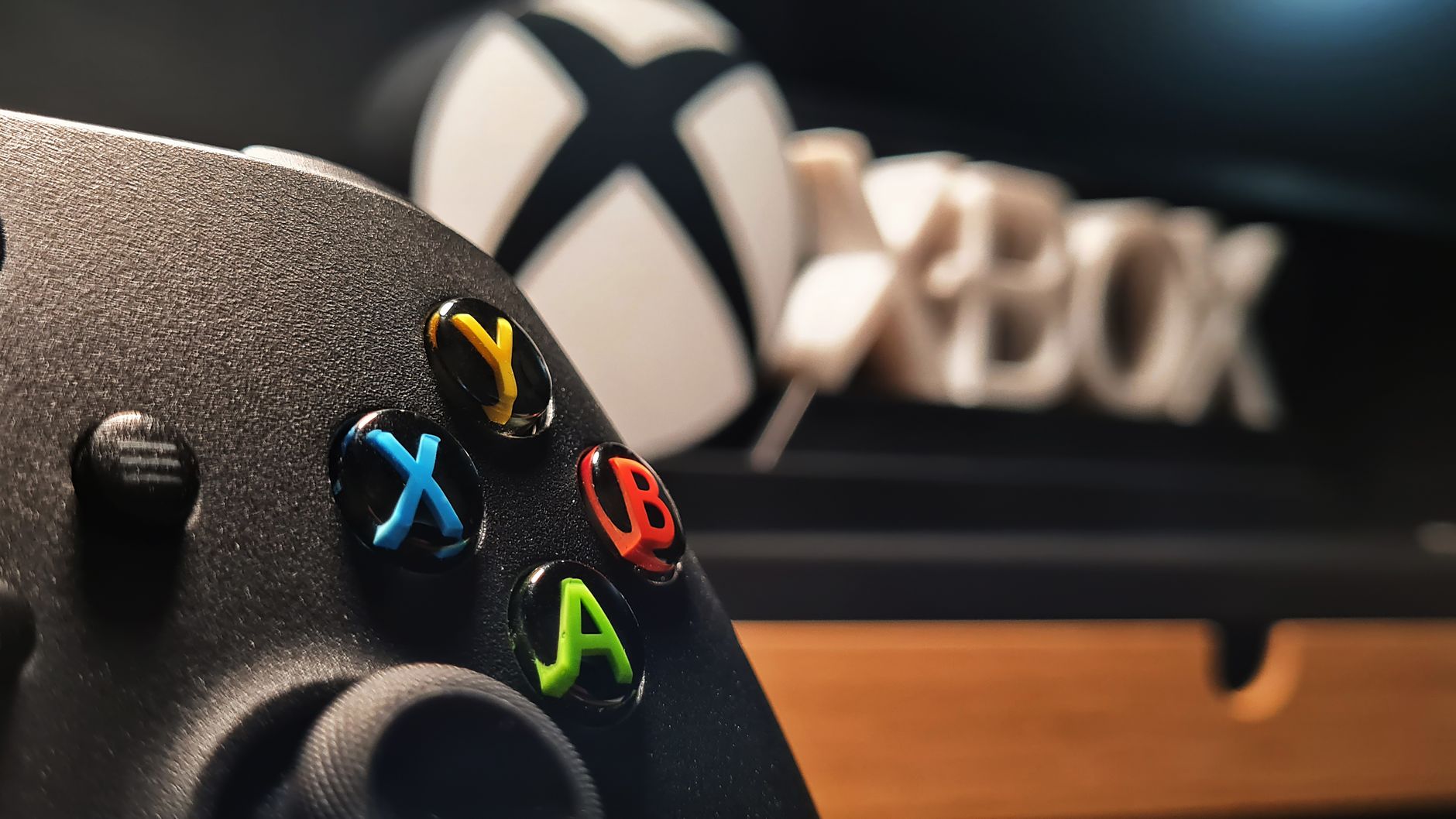
The digital entertainment landscape is perpetually shifting, driven by innovation in content delivery and increasingly, by sophisticated artificial intelligence. A recent leak regarding an Xbox Game Pass 'Starter Pack', reportedly launching in May 2026 with over 50 games, offers a fascinating glimpse into Microsoft's strategic thinking. For us at biMoola.net, this isn't just another gaming headline; it's a critical data point illustrating the evolution of subscription models, the pervasive influence of AI, and the surprising connections between leisure, cognitive engagement, and modern productivity.
This article will delve into the implications of this rumored 'Starter Pack,' examining it not merely as a new product tier but as a strategic maneuver informed by vast data analytics and AI-driven insights. We’ll explore how AI is already shaping the subscription economy, how curated gaming experiences can intersect with cognitive productivity, and what this means for both consumers and the broader tech industry. Prepare to unpack the future of digital engagement through the lens of this intriguing leak.
The Subscription Economy: A Data-Driven Evolution
The rise of the subscription model has fundamentally reshaped how we consume media, software, and even physical goods. From Netflix to Adobe Creative Cloud, the allure of 'access over ownership' has proven incredibly powerful. In the gaming sector, Xbox Game Pass stands as a titan, often dubbed the 'Netflix of gaming.' Launched in 2017, it quickly demonstrated the viability of a large, rotating library of games for a recurring fee.
This model thrives on data. Every game played, every hour logged, every genre preferred contributes to a massive dataset. Companies like Microsoft leverage this information not just for financial forecasting, but for understanding user behavior at a granular level. According to a 2023 report by Statista, the global video game market is projected to reach an impressive over $280 billion by 2028, with subscription services playing an increasingly significant role in this growth. Game Pass, specifically, boasted over 30 million subscribers by early 2023, showcasing the immense appetite for such services.
The proposed 'Starter Pack' suggests a further segmentation of this market, likely targeting a new demographic or entry point. This isn't a shot in the dark; it's almost certainly the result of extensive market research, predictive analytics, and AI modeling to identify untapped potential or address specific churn risks within their subscriber base.
Deconstructing the 'Starter Pack' Leak: What We Know and What It Implies
The core of the recent news revolves around a leaked 'Xbox Game Pass Starter Pack,' reportedly slated for release in May 2026. Key details include:
- Expected Launch: May 2026
- Content: Over 50 games
- Nature: Implied to be a new, perhaps lower-tier or introductory subscription offering.
While specific titles for this rumored pack remain unconfirmed, the 'over 50 games' figure is particularly telling. It's a substantial library for an introductory tier, suggesting Microsoft aims to offer immediate and diverse value. This move could be a response to several market dynamics:
Market Segmentation and Onboarding
Introducing a 'Starter Pack' allows Microsoft to cast a wider net. Some potential subscribers might be hesitant to commit to the full Game Pass Ultimate or PC Game Pass at their current price points. A more affordable, curated selection could serve as an effective onboarding ramp, converting casual gamers or new console owners into long-term subscribers. This strategy is not new; streaming services often offer 'basic' tiers with fewer features or a smaller library.
Combating Subscription Fatigue
As consumers juggle an ever-growing list of subscriptions, 'fatigue' is a real concern. A leaner, potentially more affordable starter pack could appeal to those looking to reduce their monthly outgoings while still enjoying a significant gaming library. This allows Microsoft to retain a segment of users who might otherwise cancel their full subscription.
Strategic Content Curation
The selection of those 'over 50 games' will be critical. It's highly probable that this curation will be heavily influenced by AI algorithms. These algorithms, trained on millions of player data points, can identify games that are:
- Popular with new players: Titles that are easy to get into, have broad appeal, or represent various popular genres.
- High engagement drivers: Games that tend to keep players subscribed for longer periods.
- Cost-effective: A mix of first-party titles, older classics, and indie gems that offer high perceived value without excessive licensing costs.
This isn't simply picking popular games; it's an intelligent decision process aimed at maximizing new subscriber acquisition and retention.
The Strategic Implications: Microsoft's AI-Driven Playbook
Microsoft's investment in Game Pass is part of a much larger strategic vision, one deeply intertwined with artificial intelligence. The 'Starter Pack' leak underscores several key aspects of this vision:
AI-Powered Personalization and Discovery
At the heart of any successful subscription service is its ability to keep users engaged. AI is paramount here. Game Pass already employs sophisticated recommendation engines that learn from your play history, genre preferences, and even what your friends are playing. A 'Starter Pack' can leverage this by not just offering a fixed list but dynamically suggesting other games within the broader Game Pass library once a user has exhausted the starter selection, prompting an upgrade.
A 2022 MIT Technology Review article highlighted how companies are moving beyond simple 'if you like this, you'll like that' recommendations to more complex AI models that predict future engagement and even mental states, optimizing content delivery for maximum stickiness.
Leveraging Cloud Gaming and Data Centers
By 2026, Microsoft's cloud gaming infrastructure (Xbox Cloud Gaming, formerly xCloud) will likely be even more robust. A 'Starter Pack' could serve as an entry point for cloud-only gamers, particularly in regions where console ownership is less prevalent. AI optimizes the routing of game streams, manages server loads, and reduces latency, making cloud gaming a seamless experience. This efficiency translates directly into a more appealing subscription offering.
Futureproofing the Ecosystem
The gaming industry is becoming increasingly competitive, with new players and evolving business models. By continuously iterating on Game Pass, Microsoft aims to future-proof its gaming ecosystem. This includes integrating new technologies like generative AI for game development (reducing asset creation time, populating worlds) and using AI to understand player sentiments and feedback at scale, allowing for rapid adjustments to service offerings.
Bridging Entertainment and Productivity: An AI Perspective
At first glance, a gaming subscription and 'productivity' might seem like strange bedfellows. However, a deeper look reveals how intelligently designed leisure, especially when powered by AI, can contribute to overall well-being and, by extension, human productivity.
Cognitive Benefits of Gaming
Numerous studies have linked gaming to enhanced cognitive skills. A 2019 study published in the journal PLoS ONE, for instance, found that action gamers exhibited better attention control and processing speed. Strategy games can improve problem-solving, while multiplayer games foster teamwork and communication. When an AI-powered recommendation engine suggests games that align with a user's cognitive profile or desired skill development (e.g., 'games to improve reaction time' or 'strategic thinking games'), it moves beyond mere entertainment into a realm of mindful engagement.
AI for Mindful Leisure and Digital Well-being
AI can play a crucial role in promoting balanced digital habits. Imagine a Game Pass feature, informed by AI, that recommends taking breaks, suggests games that are shorter in duration for quick mental resets, or even identifies patterns of excessive play and offers tools for managing screen time. While Game Pass isn't overtly a 'health tech' product, its underlying AI infrastructure has the potential to contribute to a user's digital well-being, which is undeniably linked to long-term productivity.
Gamification as a Productivity Tool
The principles of gamification—leaderboards, achievements, progress bars—are already used in productivity apps. Gaming subscriptions, by their very nature, encourage engagement through similar mechanisms. While not directly productivity software, the cognitive engagement provided by a curated game library can serve as a mental 'reset' for demanding professional tasks, ultimately enhancing focus and creativity when returning to work.
The Future of Digital Entertainment: Beyond May 2026
Looking ahead to May 2026 and beyond, the 'Starter Pack' leak is merely a waypoint in a much larger journey. The trends it highlights—AI-driven personalization, market segmentation, and the convergence of cloud technology—will continue to accelerate.
We can anticipate:
- Hyper-Personalized Tiers: More granular subscription options, potentially tailored to specific genres (e.g., 'RPG Pass,' 'Indie Pass') or play styles, all enabled by sophisticated AI analytics.
- Generative AI in Content: Games themselves will increasingly feature AI-generated content, from dynamic NPCs and quests to entire worlds, making subscription libraries feel endlessly fresh.
- Seamless Cross-Platform Experiences: AI will optimize the experience across devices, ensuring that whether you're on a console, PC, or mobile, your gaming experience is fluid and tailored.
- AI-Assisted Gaming: Tools that help players learn, improve, or even create their own content within games, blurring the lines between consumption and creation.
This leak isn't just about a new price tier; it's a signal that major players are constantly refining their engagement strategies, with artificial intelligence as their most powerful tool.
Key Takeaways
- The leaked Xbox Game Pass 'Starter Pack,' expected in May 2026 with over 50 games, signals Microsoft's intent for deeper market segmentation and broader subscriber acquisition.
- Artificial intelligence is the unseen engine behind such strategic moves, driving content curation, personalized recommendations, and efficient cloud infrastructure.
- Gaming subscriptions, while entertainment-focused, can surprisingly contribute to cognitive productivity and digital well-being when engaged with mindfully, offering mental breaks and skill development.
- The future of digital entertainment will feature increasingly hyper-personalized, AI-driven experiences, with generative AI playing a larger role in content creation and delivery.
- Microsoft's strategy underscores a move towards making gaming more accessible and tailored, leveraging technology to expand its ecosystem and adapt to evolving consumer behaviors.
Subscription Gaming Market Snapshot (2023-2028 Projections)
| Metric | 2023 (Estimate) | 2028 (Projected) | Compound Annual Growth Rate (CAGR) |
|---|---|---|---|
| Global Gaming Market Value | ~$230 Billion | ~$280 Billion | ~4.0% |
| Subscription Gaming Revenue Share | ~15% | ~20-22% | ~7-9% |
| Average Subscribers (Top Platforms) | ~25-35 Million | ~40-55 Million | ~8-10% |
| AI Investment in Game Dev/Platforms | Significant & Growing | Exponential Growth | >15% |
Source: Estimates based on reports from Statista, Newzoo, and industry analyst projections.
Expert Analysis: biMoola.net's Take on Intelligent Leisure
The 'Xbox Game Pass Starter Pack' leak, while seemingly a minor product announcement, is a powerful indicator of how technology giants are meticulously crafting their digital ecosystems. At biMoola.net, we see this as more than just a gaming-centric maneuver; it’s a masterclass in AI-driven market strategy. Microsoft isn't merely throwing games at a wall to see what sticks; they're deploying sophisticated algorithms to identify precise market gaps, predict consumer appetite, and optimize pricing tiers for maximum penetration and longevity. This 'Starter Pack' isn't just an entry point; it's a data-gathering probe designed to onboard new users into a broader AI-optimized experience. The curation of 'over 50 games' will undoubtedly be a product of machine learning, selecting titles that minimize churn and maximize the likelihood of an eventual upgrade to higher tiers.
Moreover, the subtle yet profound connection to productivity is where this truly becomes relevant to our audience. In an era where digital burnout is rampant, strategically chosen leisure activities are vital for mental rejuvenation and cognitive health. An intelligently curated gaming subscription, guided by AI to offer diverse, engaging, and perhaps even cognitively stimulating content, can serve as a vital tool for 'intelligent leisure.' It's about optimizing downtime, allowing for mental breaks that refresh rather than exhaust. The ability of AI to recommend a game that matches your current mood or cognitive need – be it a quick puzzle to sharpen focus, or a narrative-rich adventure for escapism – transforms entertainment into a component of a balanced, productive lifestyle. This isn't just about playing games; it's about smart consumption of digital experiences, orchestrated by AI, to enhance overall well-being and, by extension, productivity. Microsoft, whether explicitly stating it or not, is building a system that can be leveraged for more than just fun; it's a platform for tailored cognitive engagement.
Q: How does AI truly connect to a gaming subscription like Game Pass?
AI is foundational to modern subscription services. For Game Pass, it powers recommendation engines that analyze your play history, genre preferences, and even what popular titles are trending to suggest new games you'll likely enjoy. This personalization keeps users engaged and helps them discover content tailored to their tastes. Beyond recommendations, AI is used in market segmentation to identify new potential subscriber tiers (like the 'Starter Pack'), predict user churn, optimize pricing, and even enhance the underlying cloud streaming infrastructure for better performance and lower latency. In game development itself, generative AI is increasingly used to create assets, NPC behaviors, and dynamic content, ensuring a fresh and expansive library for subscribers.
Q: Is the 'Starter Pack' leak confirmed, and what does 'over 50 games' really mean?
As of now, the 'Starter Pack' remains a leak and has not been officially confirmed by Microsoft. Leaks often provide early insights but details can change. The 'over 50 games' figure is significant because it indicates a substantial offering, even for an introductory tier. It's likely to be a carefully curated selection, not just random popular titles. AI algorithms would play a crucial role in choosing these games – balancing appeal to new players, variety across genres, and cost-effectiveness for Microsoft. It suggests a strong effort to provide immediate value and a diverse experience to onboard new users effectively.
Q: How can gaming contribute to productivity, and what role does AI play in that?
While often seen as leisure, specific types of gaming can enhance cognitive skills such as problem-solving, strategic thinking, reaction time, and even teamwork (in multiplayer contexts). Taking mindful breaks with engaging games can reduce stress and mental fatigue, leading to improved focus and creativity when returning to work tasks. AI can amplify this by intelligently recommending games that align with these cognitive benefits or simply offer the right kind of mental 'reset' you need. For example, an AI could suggest a short, challenging puzzle game when it detects you've been working intensely, or a narrative-driven adventure for immersive escapism, thus optimizing your downtime for maximum rejuvenation and indirect productivity gains.
Q: What are the potential long-term impacts of such segmented subscription offerings on consumers?
Segmented offerings like a 'Starter Pack' can have mixed impacts. Positively, they can make gaming more accessible and affordable, allowing new demographics to enter the ecosystem without a large upfront investment. This democratizes access to entertainment and potentially cognitive benefits. However, a potential drawback is the risk of further 'subscription fatigue' if too many niche tiers emerge, making it harder for consumers to decide which service or tier is right for them. Companies will rely even more heavily on AI to understand these nuanced consumer behaviors and offer flexible, value-driven packages that can adapt to individual needs and prevent churn, ultimately aiming for a balance between choice and overwhelming complexity.
Sources & Further Reading
- Xbox Game Pass Official Page
- Statista: Video Game Market Value (2028 Projection)
- MIT Technology Review articles on AI in recommendations and gaming (General reference for trends, specific article links may vary based on exact publication date and content).
Disclaimer: For informational purposes only. Consult a healthcare professional for health-related concerns, and financial advisors for investment decisions. This article does not constitute medical or financial advice.
Comments (0)
To comment, please login or register.
No comments yet. Be the first to comment!