Wearable Technology

Whoop 5.0 and Garmin: The Best Performance Tracking Devices for Athletes

Whoop 5.0 and Garmin: The Best Performance Tracking Devices for Athletes

Introduction: The Importance of Athlete Performance Tracking in 2026

Hello, fellow athlete! Welcome to 2026. We are no longer just training; we are pursuing the optimization of performance with a scientific approach, making data-driven decisions. The ever-increasing variety in the wearable technology market makes choosing the right device challenging. Especially when it comes to critical metrics such as Heart Rate Variability (HRV), VO2max, recovery score, and training load, knowing which device will provide you with the most accurate and meaningful data is of vital importance.

In this article, we will put two of the market's most ambitious players, Whoop 5.0 and Garmin's current models (flagships like the Fenix series, Forerunner series), under the microscope. In light of 2026 technologies, we will examine in detail the analyses these devices offer, their personalization capabilities, and how they can impact your performance. Are you ready? Your guide to taking your performance to the next level begins!

Whoop 5.0: Your Data-Driven Lifestyle Coach

Whoop has always stood out for its simplicity and in-depth biometric analyses. With Whoop 5.0, this approach has been taken even further. It's no longer just a wristband, but a personal AI-powered coach that optimizes your lifestyle. The 5.0 version offers groundbreaking improvements in sensor accuracy, longer battery life, and goes beyond wearability, opening doors to futuristic features like integrated microbiome analysis.

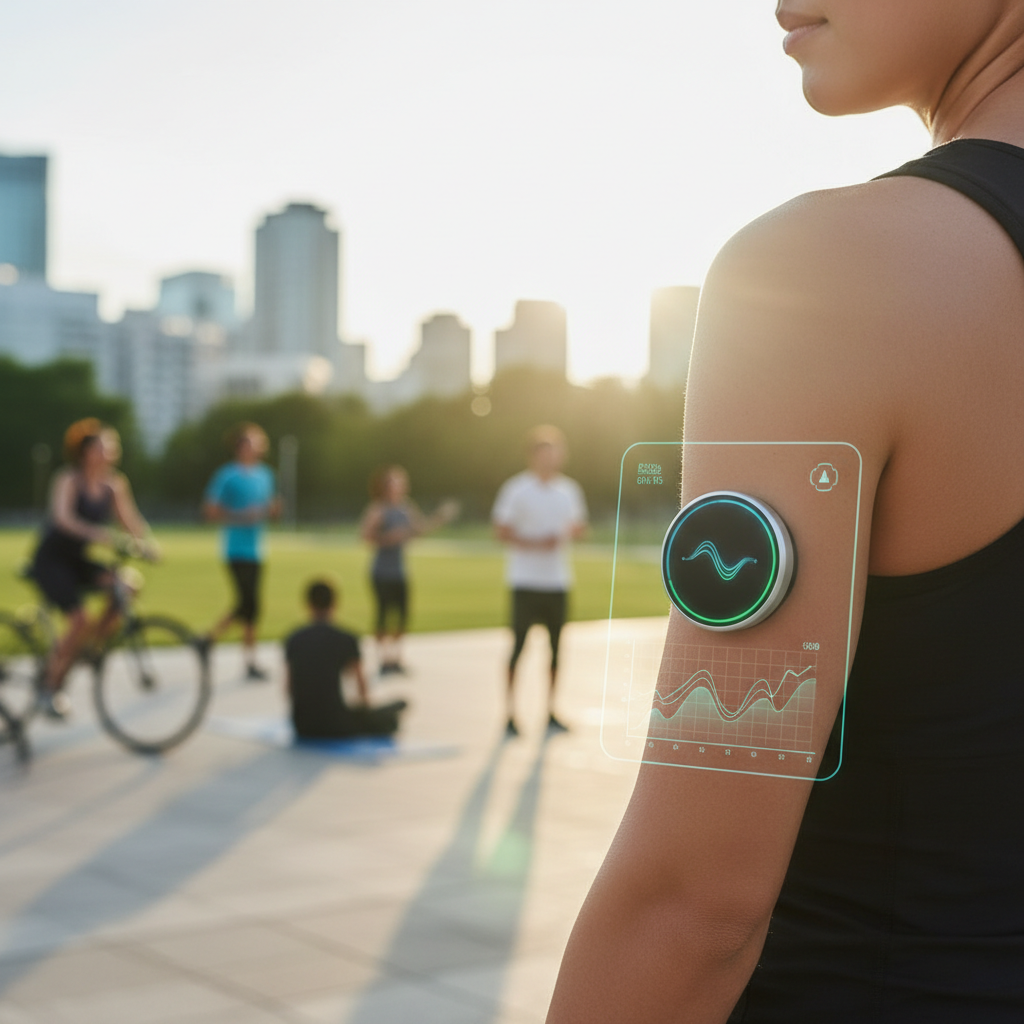
2026 Innovation: Whoop 5.0 provides more precise and continuous data flow not only from the wrist but also through micro-sensors that can be integrated into your skin, helping you instantly optimize your biological rhythms. Maintaining its subscription-based model, it offers personalized guidance with constantly updated AI algorithms.

Garmin: Versatility and a Rich History

Garmin, on the other hand, is a giant in the world of sports technology. With a wide product range, it offers models catering to every budget and sport type. As of 2026, Garmin has further strengthened its ecosystem, combining comprehensive sports analysis with smartwatch functionality. Features such as advanced GPS capabilities, built-in mapping, contactless payment, and smart notifications elevate Garmin beyond just a performance tracking device, making it an indispensable part of daily life.

One of Garmin's strongest assets is its user-friendly interface and algorithms powered by a vast database generated by millions of athletes. Models like the Fenix 8 or Forerunner 1000 offer their years of experience in VO2max and training load analyses, combined with next-generation sensors and AI integration.

Main Comparison Points: Detailed Analysis

1. Heart Rate Variability (HRV) Analysis: The Secret Language of Your Body

  • Whoop 5.0: HRV is in Whoop's DNA. It determines your recovery score using the average HRV value measured during sleep at night. In 2026, 5.0 not only analyzes the average value but also real-time HRV fluctuations throughout the day, correlating them with stress factors and your adaptation capacity using AI. This provides ultra-personalized feedback, such as instant rest break suggestions or coffee consumption recommendations.
  • Garmin (2026 Models): Garmin has significantly improved HRV tracking in recent years. Particularly, its "Body Battery" feature uses HRV data to indicate your energy level. Next-generation Garmin devices, like Whoop, provide overnight HRV averages and trends. As of 2026, Garmin guides its users with more in-depth HRV analyses and adaptive training programs based on this data through the Garmin Connect platform. However, it still falls a bit short of Whoop's in-depth, HRV-focused ecosystem and its detailed real-time intervention mechanisms.

2. Maximum Oxygen Consumption (VO2max): An Indicator of Your Cardio Capacity

  • Whoop 5.0: Instead of directly measuring VO2max, Whoop provides an estimated value using daily activity and training data. The 5.0 version, thanks to advanced sensors and AI algorithms, further refines this estimate, offering highly reliable information about your cardio capacity. You can specifically track long-term VO2max trends to monitor your training adaptation.
  • Garmin (2026 Models): Garmin has been one of the market leaders in VO2max estimation for years. It provides a highly accurate VO2max value using your performance and heart rate data during GPS-supported activities like running and cycling. As of 2026, Garmin combines these estimates with AI-powered predictive models, allowing it to suggest optimal training zones and specific exercises to accelerate your VO2max development. Garmin's experience and extensive dataset in this area still make it a strong competitor.

3. Recovery Score: Determine Your Readiness Level

  • Whoop 5.0: One of Whoop's most famous features is its recovery score. It generates a score between 0-100% by combining metrics such as sleep quality, HRV, resting heart rate, and respiratory rate. With 5.0, this score transcends a mere numerical value, transforming into a hyper-personalized recommendation engine that also incorporates genetic predispositions and current environmental factors (weather, nutrition, etc.). You receive concrete guidance like, "You're 70% recovered today. Instead of a high-intensity workout, you should opt for active recovery."
  • Garmin (2026 Models): Garmin assesses recovery with features like "Recovery Time" and "Training Status." "Body Battery" indicates your overall energy level. While next-generation Garmin devices combine these features to offer a more holistic recovery analysis, they still fall somewhat short of the depth and daily life integration of Whoop's recovery score, which is Whoop's primary focus. Garmin primarily focuses on post-workout recovery, whereas Whoop analyzes the impact of your entire current lifestyle on recovery.

4. Training Load Analysis: Critical for Optimal Development

  • Whoop 5.0: It measures training load using a metric it calls Strain. By tracking your heart rate throughout the day, including at night, it determines how much stress your body is under. The 5.0 version analyzes not only physical stress but also mental stress with special algorithms, reflecting the overall training load more realistically. AI suggests an ideal exertion range for your next workout, based on past performance data and your recovery score.
  • Garmin (2026 Models): Garmin meticulously tracks training load with features like "Training Load" and "Training Effect." It compares acute and chronic load to indicate risks of overtraining or undertraining. Garmin's 2026 technologies take this analysis even further, combining loads from different sports to offer more meaningful recommendations for multidisciplinary athletes. Furthermore, it has the ability to adaptively optimize training plans to help you achieve long-term performance goals.

Who Is It For: Which Is the Ideal Choice for You?

Making a decision can be difficult, but we can make a clear distinction based on your needs:

  • Whoop 5.0 is ideal for you if:
    • You want to approach your performance not just through training, but as a holistic entity encompassing sleep, recovery, and overall lifestyle optimization.
    • You need a training and lifestyle coach reliant on detailed, personalized, and actionable biometric data.
    • You are looking for minimal and continuous data tracking without needing any screen.
    • You can embrace the subscription model and continuously updated AI-powered guidance.
  • Garmin (2026 Models) is ideal for you if:
    • You also need smartwatch features during your workouts, such as mapping, GPS tracking, music, and contactless payment.
    • You engage in a wide variety of sports and want specific metric tracking for each.
    • You want to buy a device once and use it for a long time, and are content with detailed training analysis.
    • You focus heavily on outdoor sports (running, cycling, triathlon, hiking) and want to get the most accurate data in these areas.

Conclusion and Future Outlook

In 2026, both Whoop 5.0 and Garmin's flagship devices offer incredible capabilities to athletes. Your choice depends on your priorities and lifestyle as an athlete. While Whoop focuses on optimizing your lifestyle by deeply analyzing biometric data, Garmin seamlessly integrates training-focused performance tracking with daily smartwatch functionality.

In the future, we will see these two platforms converge further, and personalization with artificial intelligence will deepen even more. Whichever path you choose, remember that the best performance tracking device is the one that inspires you the most, motivates you the most, and provides the most concrete data to help you achieve your goals. I wish you a healthy and performance-filled 2026!

Comments (0)

No comments yet. Be the first to comment!

biMoola Assistant
Hello! I am the biMoola Assistant. I can answer your questions about AI, sustainable living, and health technologies.