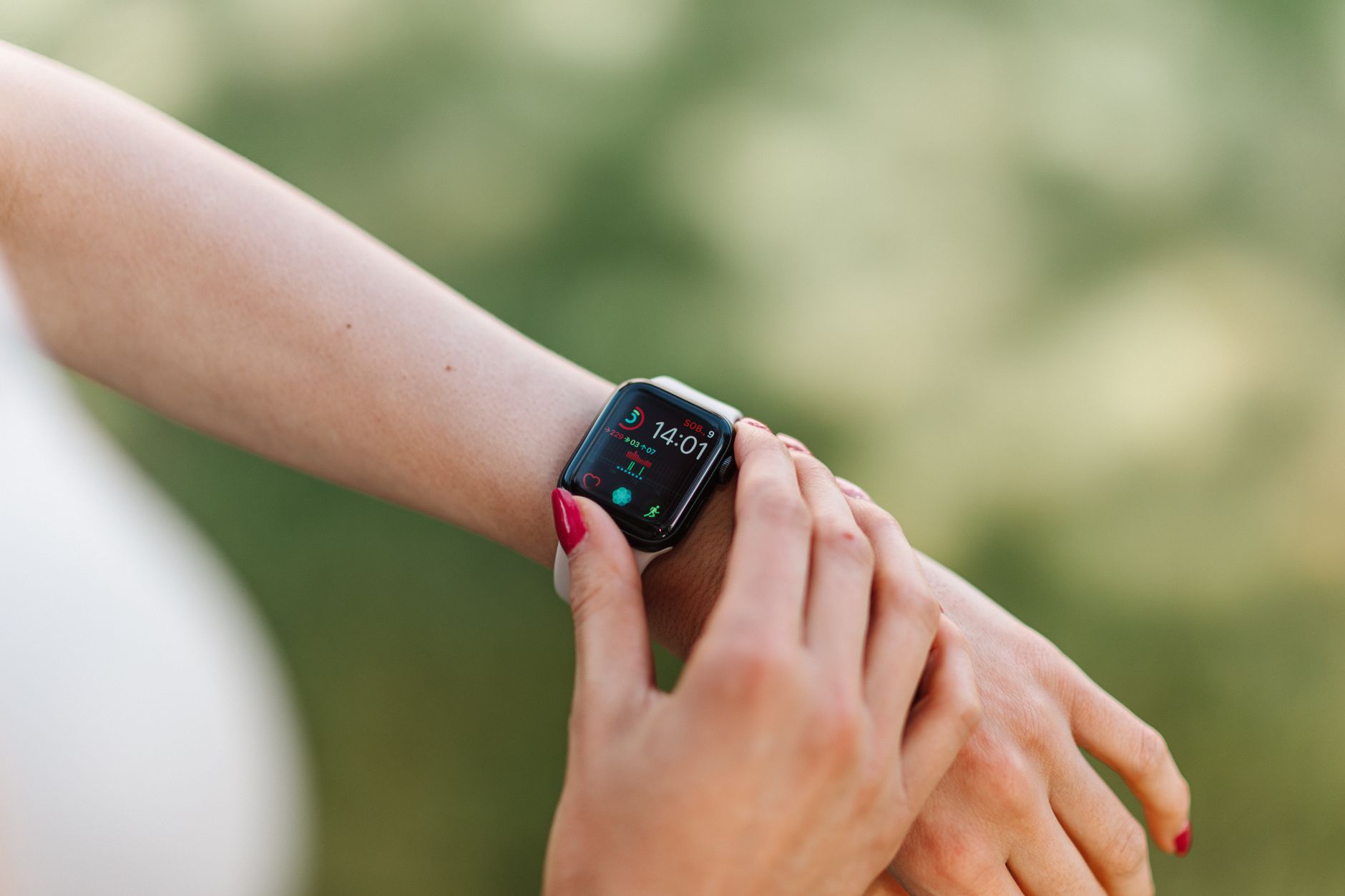
Welcome to 2026, where the line between personal technology and personal health has blurred into an incredibly powerful synergy. Wearable health technology, once primarily the domain of fitness enthusiasts and early adopters, has matured into a sophisticated ecosystem offering unprecedented insights into our well-being. No longer just step counters, these devices are becoming proactive partners in our health journeys, leveraging advanced sensors, artificial intelligence, and seamless integration to provide a comprehensive picture of our physiological states.
As editorial writers for a blog at the intersection of AI, Productivity, and Health Technologies, we've witnessed this evolution firsthand. The promise of preventative health, optimized performance, and improved longevity is more tangible than ever. But with a market flooded with options, how do you discern which devices genuinely deliver on their promises? Which are merely fads, and which offer enduring value? This comprehensive guide will explore the leading contenders in 2026 – from the iconic Apple Watch Ultra to the discreet Oura Ring and the athlete-focused WHOOP, alongside emerging technologies – to help you make an informed decision about your digital health companion.
The 2026 Health Tech Landscape: A Paradigm Shift
By 2026, wearable health technology has transcended simple data collection. We're seeing a fundamental shift from reactive health management to a highly personalized, proactive approach. Imagine a device that not only tells you your sleep quality but also predicts a potential dip in your immune system based on subtle biometric changes, suggesting specific interventions before you even feel unwell. This is the new reality.
The Promise of Proactive, Personalized Health
The core value proposition of 2026 wearables lies in their ability to offer actionable intelligence derived from continuous, real-world data. AI and machine learning algorithms have become vastly more sophisticated, allowing these devices to move beyond raw numbers to provide context-rich, personalized recommendations. This means:
- Predictive Analytics: Identifying patterns that precede illness, fatigue, or performance dips.
- Hyper-Personalized Coaching: Tailored advice for nutrition, exercise, stress management, and sleep, adapting in real-time to your body's responses.
- Seamless Integration: Your health data flows effortlessly between your wearable, smart home devices, and even, in some cases, your healthcare provider (with explicit consent, of course).
- Enhanced Accuracy: Sensor technology has improved dramatically, offering medical-grade precision for an increasing number of metrics, though they remain informational rather than diagnostic tools.
This paradigm shift empowers individuals to take greater ownership of their health, providing the data and insights needed to make informed lifestyle choices that truly resonate with their unique physiology.
Deep Dive: Established Leaders & Their 2026 Evolution
While the market is dynamic, a few key players have solidified their positions, continuously innovating to meet the evolving demands of health-conscious consumers. Let's examine how the Apple Watch Ultra, Oura Ring, and WHOOP have evolved by 2026.
The All-Rounder: Apple Watch Ultra (and its future iterations)
The Apple Watch Ultra, launched in late 2022, set a new standard for robust, feature-rich smartwatches. By 2026, its descendants have further refined this vision, cementing its place as a powerhouse for comprehensive health and fitness tracking, particularly for those deeply embedded in the Apple ecosystem.
Key 2026 Advancements: While retaining its iconic design and robust build, the latest Apple Watch Ultra models boast:
- Unprecedented Battery Life: Significant improvements mean several days of continuous, full-feature usage, addressing a major pain point for earlier models.
- Enhanced Sensor Suite: Beyond ECG, blood oxygen, and precise temperature sensing, 2026 Ultras may include non-invasive, continuous blood pressure monitoring (research suggests this is a key area of development) and advanced environmental sensors that track local air quality, UV exposure, and even pollen counts, providing hyper-local health warnings.
- Advanced Sleep & Stress Analysis: Deeper insights into sleep stages, restorative periods, and real-time physiological markers for stress, offering personalized breathwork and mindfulness exercises based on detected patterns.
- Sophisticated AI Integration: Leveraging on-device machine learning for more granular activity recognition, personalized recovery recommendations, and proactive health alerts that are contextually aware of your daily routine and historical data.
- Emergency Services & Medical Integration: Even more seamless communication with emergency services during critical events, and optional, secure integration with electronic health records for streamlined data sharing with healthcare providers.
Pros:
- Comprehensive Features: unparalleled integration of health, fitness, communication, and productivity.
- Robust & Durable: Built for extreme environments and rigorous activity.
- Seamless Ecosystem: Deep integration with Apple's services and devices.
- Strong Developer Support: A vast array of third-party apps for specialized needs.
Cons:
- Price Point: Remains a premium device.
- Size: Can be bulky for smaller wrists.
- Ecosystem Lock-in: Best experienced within the Apple universe.
The Discreet Data Hub: Oura Ring Gen 3 (and beyond)
The Oura Ring has mastered the art of unobtrusive, continuous biometric monitoring. By 2026, its focus remains on delivering high-fidelity health insights from a minimalist form factor, appealing to those who prefer discretion or cannot wear a wrist-based device.
Key 2026 Advancements: The latest Oura Ring models build upon their reputation for exceptional sleep and recovery tracking:
- Even Greater Sensor Accuracy: Miniaturization and improved sensor fusion allow for even more precise heart rate variability (HRV), skin temperature, and respiratory rate tracking, often approaching clinical-grade accuracy for specific metrics.
- Micro-Vibration Feedback: Subtle haptic feedback for gentle wake-ups, guided breathing, or stress alerts without audible sounds.
- Advanced Biomarker Detection: Research suggests potential for non-invasive tracking of blood glucose trends or hydration levels through interstitial fluid analysis, offering early indicators of metabolic health and performance.
- Deeper Holistic Integration: Seamlessly connects with smart home platforms to adjust lighting for optimal sleep or trigger stress-reducing routines, and provides personalized insights linking activity, diet, and mental well-being.
- Sustainable Materials & Design: Expanding beyond traditional metals to include bio-sustainable and hypoallergenic materials, alongside a wider range of customizable finishes.
Pros:
- Unobtrusive Design: Extremely comfortable for 24/7 wear, especially during sleep.
- Exceptional Sleep Tracking: Industry-leading insights into sleep stages and quality.
- Focus on Recovery & Readiness: Provides actionable scores to optimize daily activities.
- Long Battery Life: Typically lasts several days on a single charge.
Cons:
- Limited Real-Time Metrics: Lacks a display for immediate data checks.
- Fewer 'Smartwatch' Features: Not designed for notifications or calls.
- Subscription Model: Full features often require a monthly subscription.
The Performance Optimizer: WHOOP (Next-Gen)
WHOOP, with its subscription-based model and strap-only design, targets serious athletes and those committed to optimizing performance and recovery. By 2026, WHOOP has further solidified its position as a data-driven coaching platform.
Key 2026 Advancements: WHOOP's latest iterations are designed to provide unparalleled performance insights:
- Hyper-Personalized AI Coaching: Leveraging vast datasets, the AI coach offers real-time adjustments to training loads, sleep recommendations, and recovery protocols, acting as a virtual personal trainer tailored to your body's immediate needs.
- Advanced Strain & Recovery Metrics: Even more nuanced understanding of physiological strain (cardiovascular, muscular, and mental) and precise recovery algorithms, incorporating genetic predispositions and environmental factors.
- Integrated Biometric Feedback: Beyond heart rate and temperature, WHOOP 2026 might integrate localized lactate threshold detection via non-invasive micro-sensors, providing direct insights into athletic performance and fatigue.
- Environmental Adaptability: Sensors that adapt to extreme temperatures, altitudes, and humidity, providing more accurate data for athletes training in diverse conditions.
- Enhanced Material Science: Lighter, more breathable, and hypoallergenic bands, with integrated conductive fibers for improved signal capture and comfort.
Pros:
- Deep Recovery & Strain Analytics: Unrivaled insights for optimizing training.
- No Screen Distraction: Encourages focus on data analysis through the app.
- Subscription Value: Continuous software updates and personalized coaching.
- Versatile Wearability: Can be worn on different parts of the body (wrist, bicep, etc.).
Cons:
- Subscription Only: No upfront purchase option for full functionality.
- No Display: Requires a smartphone for all data viewing.
- Learning Curve: Requires commitment to understand and act on complex data.
Beyond the Big Three: Emerging & Niche Wearables in 2026
While the established players dominate, the innovation pipeline for wearables is brimming with exciting new categories that cater to specific health needs and preferences.
Continuous Glucose Monitors (CGMs) for General Wellness
By 2026, CGMs have moved beyond diabetes management to become a powerful tool for metabolic health optimization for the general public. Non-invasive or minimally-invasive versions (e.g., through smart patches that detect interstitial fluid changes) offer real-time insights into how diet, exercise, and stress impact blood sugar levels, helping individuals stabilize energy, manage weight, and prevent chronic diseases. This real-time feedback is revolutionizing dietary choices and exercise timing.
Smart Patches & Biosensors
These discreet, often disposable patches adhere to the skin, offering highly accurate, continuous monitoring of a wider array of biomarkers. We're seeing patches that track hydration levels, electrolyte balance, cortisol (stress hormone) levels, and even early viral indicators through sweat analysis. Their low profile and medical-grade accuracy make them ideal for specific monitoring periods, post-operative care, or during intense athletic events.
Smart Clothing & Textiles
Integrated sensors woven directly into fabric provide incredibly comfortable and seamless health monitoring. By 2026, smart shirts can track ECG, respiratory rate, posture, and muscle activity during workouts or rehabilitation. Smart socks can analyze gait, pressure points, and detect early signs of foot problems. The beauty lies in their invisibility and washability, making health tracking a truly effortless part of your wardrobe.
Neural Interface Concepts & Brain Health
While still in relatively early stages for consumer application, non-invasive neural interface wearables (e.g., smart headbands or ear clips) are emerging to track brainwave activity. These are primarily used for enhanced focus, meditation guidance, improving sleep, or potentially for early detection of subtle neurological changes. Ethical considerations and data privacy are paramount in this nascent field, with strict regulations being implemented.
Personalized Drug Delivery & Diagnostics
Innovation extends to wearables that not only monitor but also act. Smart patches capable of delivering precise doses of medication (e.g., pain relief, hormone therapy) on demand or continuous micro-sampling devices that collect diagnostic information without the need for traditional blood draws are becoming a reality, moving healthcare closer to personalized, on-body solutions.
Choosing Your Digital Health Partner: Factors to Consider in 2026
With such a diverse and advanced array of options, selecting the right wearable in 2026 requires careful consideration. Here are the crucial factors to weigh:
- Your Primary Health Goals: Are you focused on athletic performance, better sleep, general wellness, stress management, or monitoring a specific health condition? Different devices excel in different areas.
- Accuracy & Reliability of Data: Research independent reviews and scientific validation. By 2026, many devices provide near-clinical-grade accuracy for certain metrics, but cross-referencing is still wise.
- Comfort & Design: You'll be wearing it almost constantly. Does it fit your lifestyle and aesthetic preferences? Is it comfortable during sleep and activity?
- Battery Life: How often are you willing to charge it? Longer battery life means more consistent data.
- Data Privacy & Security: This is paramount. Scrutinize the company's privacy policy. How is your sensitive health data stored, used, and protected? Is it anonymized?
- Ecosystem & Integration: Does it integrate with your existing smartphone, smart home devices, or preferred health apps? A cohesive ecosystem enhances utility.
- Cost & Subscription Model: Consider the upfront device cost and any ongoing subscription fees. Is the value proposition of the subscription (e.g., advanced analytics, personalized coaching) worth it for your needs?
- Actionable Insights vs. Raw Data: Does the device merely present data, or does it interpret it and provide clear, personalized recommendations you can act upon?
- Longevity & Update Cycle: Is the company committed to continuous innovation and firmware updates? You want a device that remains relevant for several years.
- Medical vs. Wellness Focus: Remember, even the most advanced consumer wearables are generally for wellness and informational purposes. They are not substitutes for medical diagnostics or professional medical advice.
Maximizing Your Wearable Health Tech: Practical Tips for 2026
Simply owning a sophisticated wearable isn't enough; unlocking its full potential requires intentional engagement. Here are some practical tips for 2026:
- Understand Your Metrics: Don't just glance at scores. Take the time to understand what heart rate variability, sleep stages, or strain scores actually mean for your body. Many apps provide educational resources.
- Integrate with Your Lifestyle: Make your wearable a seamless part of your daily routine. If it's too cumbersome or requires too much manual interaction, you're less likely to use it consistently.
- Consult Professionals (When Needed): Use the data as a valuable conversation starter with your doctor, physical therapist, or trainer. 'Research suggests' that bringing objective data can lead to more informed discussions about your health.
- Prioritize Data Privacy: Regularly review privacy settings and be judicious about sharing your health data. Only connect to trusted third-party apps.
- Don't Over-Optimize (Listen to Your Body): While data is powerful, it's crucial not to become overly reliant or anxious about every metric. Your body's subjective feelings and intuition still matter. Sometimes, a rest day feels right, even if your recovery score is good.
- Regularly Update Firmware & Apps: Manufacturers continuously release updates to improve accuracy, add features, and fix bugs. Keep your device and its companion app current.
- Cross-Reference Data: If you use multiple devices or track manually, look for consistent trends. Discrepancies might indicate an issue with a device or a need for further investigation.
- Set Realistic Goals: Understand that health optimization is a journey, not a destination. Celebrate small improvements and adjust your goals based on the insights you gain.
Key Takeaways
- By 2026, wearable health tech has become an indispensable tool for proactive, personalized health management, driven by advanced sensors and AI.
- The Apple Watch Ultra offers comprehensive health, fitness, and smartwatch features, excelling in a connected ecosystem.
- The Oura Ring provides discreet, highly accurate sleep and recovery insights from a minimalist form factor.
- WHOOP focuses intensely on performance optimization and recovery for athletes, offering deep, actionable data via a subscription model.
- Emerging technologies like wellness CGMs, smart patches, and smart textiles are expanding the scope of what wearables can monitor and even deliver.
- Choosing the right device involves considering your personal health goals, data accuracy, comfort, battery life, and crucially, data privacy.
- Maximizing your wearable's value means understanding its data, integrating it smartly into your life, and using insights proactively with professional guidance.
Frequently Asked Questions (FAQ)
Q1: Will wearables replace doctors by 2026?
A1: Absolutely not. While wearable health technologies provide incredibly valuable data and insights, they are designed to augment, not replace, professional medical care. They serve as powerful tools for self-monitoring, proactive health management, and facilitating more informed conversations with your healthcare provider. Think of them as your personal health data assistant, empowering you with information that can help your doctor make more precise diagnoses and treatment plans. Always consult a qualified healthcare professional for medical advice, diagnoses, or treatment.
Q2: How accurate are these devices truly in 2026?
A2: The accuracy of wearable health devices has significantly improved by 2026, with many sensors approaching clinical-grade precision for specific metrics under ideal conditions. For example, heart rate and skin temperature tracking are often highly reliable. However, accuracy can still vary depending on the device, the specific metric being measured, and individual physiological differences or how the device is worn. It's crucial to remember that while they offer excellent insights into trends and patterns, most consumer wearables are not FDA-approved medical diagnostic devices and should not be relied upon for definitive medical diagnoses.
Q3: Is a subscription model for health wearables worth it?
A3: Whether a subscription model is worth it largely depends on your personal needs and commitment. Devices like WHOOP are built entirely around a subscription, offering continuous software updates, advanced AI-driven personalized coaching, and deeper analytical insights that evolve with scientific understanding. For users who want the most cutting-edge, personalized, and actionable guidance, a subscription can provide immense value. If you only need basic tracking and don't require hyper-personalized recommendations, a device with a one-time purchase might suffice. Consider the long-term cost and the specific features locked behind the paywall to determine if the continuous value justifies the recurring expense for you.
Q4: What's the biggest privacy concern with wearables in 2026?
A4: By 2026, data privacy remains a paramount concern. The biggest risk lies in the aggregation and potential misuse of highly sensitive personal health data. This includes unauthorized access by third parties (e.g., advertisers, insurance companies), data breaches, or even the de-anonymization of aggregated data. Reputable wearable companies invest heavily in encryption and robust data security protocols. However, users must be vigilant: read privacy policies carefully, understand how your data is collected, stored, and potentially shared, and leverage privacy settings to control your information. The power of personalized data comes with the responsibility of safeguarding it.
Conclusion
The year 2026 stands as a testament to the transformative power of wearable health technology. From robust smartwatches that act as extensions of our digital lives to discreet rings and advanced biosensors, these devices are empowering us with unprecedented access to our body's vital signals. They are shifting healthcare from a reactive process to a proactive, data-driven journey of personalized well-being. By understanding the capabilities of leading devices, exploring emerging innovations, and carefully considering your individual needs and data privacy, you can choose a digital health partner that truly enhances your life. Embrace the future of health; it's literally at your fingertips, and wrist, and everywhere in between.
Disclaimer: This article is for informational purposes only and does not constitute medical advice. Always consult a qualified healthcare provider.
Comments (0)
To comment, please login or register.
No comments yet. Be the first to comment!