Imagine glancing at your wrist and instantly knowing not just the time or your heart rate, but a precise, real-time measure of your body's most crucial energy metric: your blood glucose. For millions living with diabetes, this dream has been a necessity. But for an ever-growing population of health optimizers, athletes, and biohackers, access to continuous glucose monitoring (CGM) data directly on their smartwatches is rapidly transforming how they approach diet, exercise, and even cognitive performance. This isn't just about managing illness; it's about unlocking peak physiological function and enhancing daily productivity.
At biMoola.net, we delve into the intersection of AI, productivity, health technologies, and sustainable living. The integration of CGM with consumer wearables like the Apple Watch represents a monumental leap in personal health tech, shifting the paradigm from reactive care to proactive, data-driven wellness. This article will explore the profound implications of real-time glucose visibility, from optimizing metabolic health and athletic performance to enhancing focus and energy in your daily life. We'll uncover the technology behind these innovations, examine current integration challenges and triumphs, and provide actionable insights for leveraging this powerful data responsibly.
The Dawn of Real-Time Biometrics: From Niche to Mainstream
For decades, managing blood glucose involved finger pricks – a necessary but often cumbersome and painful ritual providing only snapshot data. The advent of Continuous Glucose Monitors (CGMs) revolutionized diabetes care, offering a continuous stream of glucose readings throughout the day and night. Now, these sophisticated medical devices are transitioning from clinical necessity to a powerful tool for broader health and performance optimization, propelled by the omnipresence of smart wearables.
The Core Technology: How CGMs Work
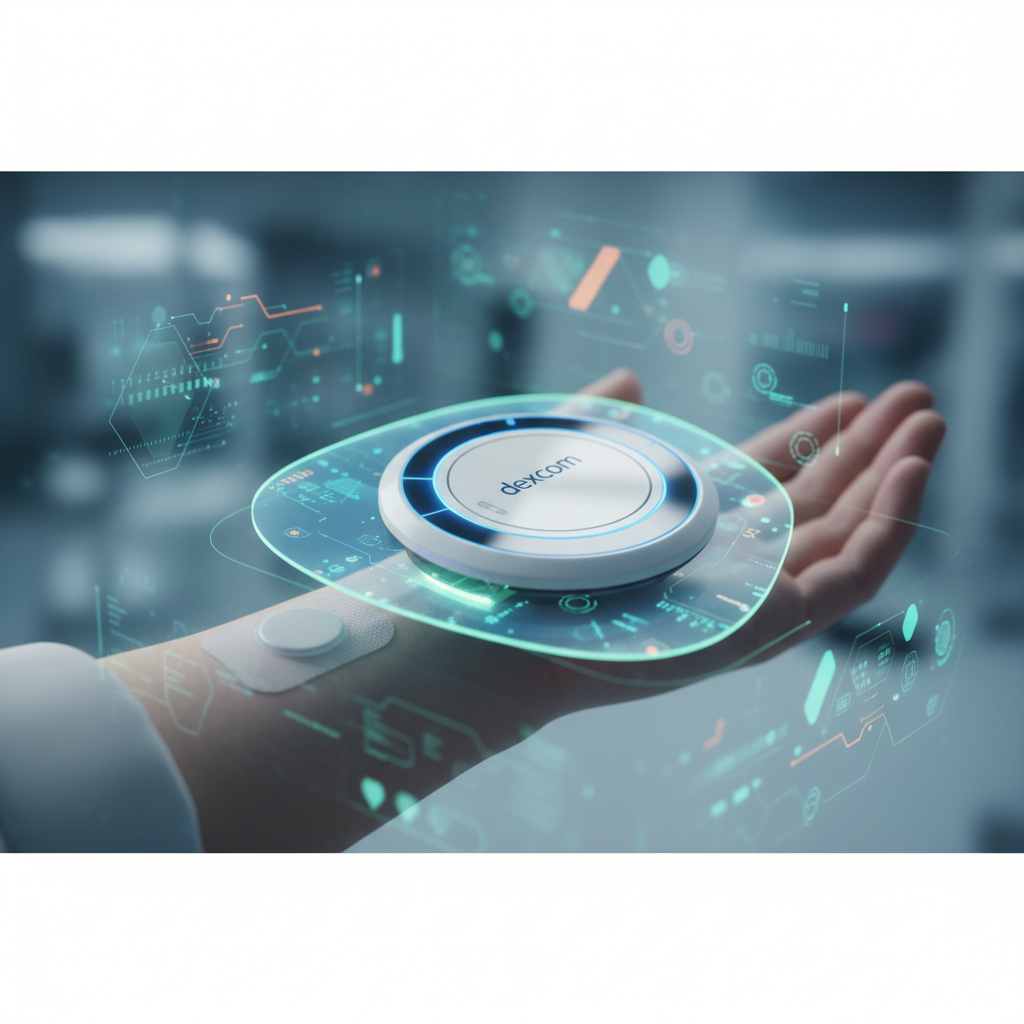
A CGM system typically consists of a small, disposable sensor inserted just under the skin, usually on the arm or abdomen. This sensor, which lasts for 10-14 days depending on the model (e.g., Dexcom G6/G7 or Abbott's FreeStyle Libre), measures glucose levels in the interstitial fluid, which closely mirrors blood glucose. A small transmitter attached to the sensor sends this data wirelessly via Bluetooth to a dedicated receiver, a smartphone app, or increasingly, directly to a smartwatch.
Unlike traditional blood glucose meters that provide a single, instantaneous reading, CGMs offer a dynamic view of glucose trends. They can alert users to high or low glucose levels, show rates of change, and provide crucial insights into how diet, exercise, stress, and medication impact blood sugar throughout the day. This continuous feedback loop is what makes CGM so transformative, moving beyond mere numbers to actionable patterns.
The Wearable Revolution: Smartwatches as Health Hubs
The rise of smartwatches, particularly the Apple Watch, has created an unparalleled ecosystem for health monitoring. What started as a notification and fitness tracker has evolved into a sophisticated health hub, capable of ECGs, blood oxygen monitoring, and advanced activity tracking. The integration of CGM data into this ecosystem is a natural, yet profoundly impactful, progression. Imagine a world where your smartwatch not only tells you your heart rate but also precisely how that croissant you just ate is impacting your energy levels – all in real-time, displayed directly as a watch face 'complication' or widget.
This seamless integration means less reliance on pulling out a phone, fewer steps to access critical health data, and ultimately, a more immediate and intuitive understanding of one's physiological state. For individuals with diabetes, this improves adherence and management; for the health-conscious, it offers unprecedented insights for personalized lifestyle adjustments.
Beyond Diabetes: CGM's Expanding Horizons
While originally designed for diabetes management, the insights gleaned from CGM data are proving invaluable for a much wider audience. Metabolic health, in particular, is gaining recognition as a cornerstone of overall well-being, and glucose regulation is at its heart. Studies, such as a 2022 review published in *Frontiers in Nutrition*, increasingly highlight the link between glucose excursions and long-term health outcomes, even in non-diabetic individuals.
Optimizing Performance for Athletes & Biohackers
Elite athletes and performance biohackers are among the early adopters of CGM for non-diabetic use. Understanding how different foods and exercise intensities impact glucose levels allows for highly personalized fueling strategies, preventing 'bonking' during endurance events, optimizing recovery, and enhancing sustained energy. For instance, a cyclist can monitor their glucose during a long ride to fine-tune carbohydrate intake, ensuring they maintain optimal energy stores without sharp peaks and crashes.
This data moves beyond generalized nutritional advice, offering concrete evidence of how an individual's body responds to specific macronutrient ratios, timing of meals, and type of exercise. It transforms theoretical nutritional science into practical, real-time biofeedback for peak physical output.
Personalized Nutrition and Metabolic Health
For the general population, CGM offers a powerful lens into personalized nutrition. What's considered a 'healthy' food can elicit vastly different glucose responses in different individuals due to genetics, gut microbiome composition, and activity levels. A banana, for example, might cause a moderate rise in one person, but a significant spike in another.
CGM allows individuals to conduct their own 'n=1' experiments, identifying specific foods or food combinations that lead to stable glucose levels versus those that cause detrimental spikes and crashes. This knowledge can lead to profound dietary shifts, potentially reducing the risk of developing insulin resistance, prediabetes, and type 2 diabetes – conditions that affect an estimated 1 in 3 American adults, according to the CDC's 2020 National Diabetes Statistics Report. Stable glucose also correlates with better energy, mood, and sleep quality.
The Productivity Paradox: How Glucose Data Enhances Focus
Beyond physical health, metabolic stability plays a critical role in cognitive function and productivity. Sudden drops or spikes in blood glucose can lead to symptoms like brain fog, irritability, difficulty concentrating, and fatigue – often referred to as the 'post-lunch slump' or 'hanger.'
Energy Management & Cognitive Function
Our brains run primarily on glucose. Maintaining stable glucose levels ensures a steady supply of fuel for optimal cognitive performance. By using CGM data, individuals can identify eating patterns and food choices that promote glucose stability, thereby sustaining mental clarity and focus throughout the workday. This isn't about rigid dieting; it's about informed choices that empower consistent energy. For instance, swapping a sugary breakfast for one rich in protein and healthy fats can prevent the mid-morning energy crash that often precedes the need for a second cup of coffee.
Mitigating the Post-Lunch Slump
The notorious post-lunch slump is a prime example of how glucose dysregulation can sabotage productivity. A high-carbohydrate lunch can lead to a sharp glucose spike, followed by a rapid drop as insulin overcompensates. This 'rebound hypoglycemia' often manifests as drowsiness and reduced concentration. With CGM, one can experiment with different lunch compositions – perhaps adding more fiber, protein, or healthy fats – and observe their direct impact on post-meal glucose stability, thereby designing a lunch strategy that sustains focus through the afternoon.
Integrating CGM with Wearables: Current State & Future Potential
The Reddit query that sparked this discussion – the desire for a direct Apple Watch complication displaying current blood sugar – highlights a critical user need and a frontier in health tech integration. While the full vision is still evolving, significant progress has been made.
The Apple Watch Ecosystem and Direct Data Display
Major CGM manufacturers like Dexcom and Abbott have developed dedicated apps for Apple Watch, allowing users to view their glucose readings directly on their wrist. Dexcom, for example, offers watch face complications that can display your current glucose number, trend arrow, and even a small graph, providing at-a-glance information without needing to open the full app. This addresses the core user desire for immediate, effortless data access.
However, these integrations still rely on the phone as an intermediary. The CGM sensor transmits data to a smartphone, which then relays it to the Apple Watch. Direct sensor-to-watch communication, without the phone, is a holy grail that could further enhance reliability and convenience, though it presents unique technical and regulatory hurdles. The dream of a fully integrated, non-invasive glucose sensor built directly into the watch remains a long-term goal, with significant research and development underway by companies like Apple and various startups.
Interoperability Challenges and Standards
The path to seamless CGM-wearable integration is not without obstacles. Data privacy and security are paramount, especially given the sensitive nature of health information. Furthermore, ensuring interoperability between diverse hardware and software ecosystems (e.g., various CGM brands, different smartwatch platforms) requires standardized APIs and robust data exchange protocols. Regulatory bodies like the FDA in the U.S. play a crucial role in approving these integrated systems, ensuring accuracy, reliability, and patient safety.
The future likely involves open health platforms that allow users to aggregate data from multiple devices (CGM, heart rate, sleep trackers) into a unified dashboard, empowering a holistic view of health. Apple HealthKit and Google Fit are prime examples of frameworks attempting to achieve this.
Ethical Considerations and Data Privacy in Glucose Monitoring
As CGM moves into the mainstream, it brings with it important ethical discussions, particularly concerning data privacy and the potential for over-optimization.
Safeguarding Sensitive Health Information
Glucose data is highly personal and can reveal sensitive health information. Robust encryption, secure data storage, and transparent data usage policies are non-negotiable. Users must be assured that their data is protected from breaches and not shared without explicit consent. Companies offering these services have a responsibility to uphold the highest standards of cybersecurity, especially as more personal health data flows through consumer devices and cloud platforms. Regulatory frameworks like HIPAA in the US and GDPR in Europe are critical, but continuous vigilance and technological innovation are required to stay ahead of threats.
Avoiding Over-Optimization Syndrome
While data-driven insights are powerful, there's a fine line between informed self-improvement and obsessive self-monitoring. Constantly checking glucose levels can, for some, lead to increased anxiety, disordered eating patterns, or an unhealthy preoccupation with numbers. It's crucial for users to maintain a balanced perspective, using the data as a guide rather than a dictator. The goal is to cultivate a deeper understanding of one's body, not to achieve perfect, unattainable metrics. Educating users on healthy data interpretation and promoting mental well-being alongside physical health is vital for developers and health educators alike.
Practical Steps for Embracing Real-Time Glucose Insights
Inspired by the possibilities of CGM? Here's how to responsibly explore this technology:
Consulting Healthcare Professionals
Before purchasing or using a CGM, especially for non-diabetic purposes, it is imperative to consult with a healthcare professional (e.g., your primary care physician, endocrinologist, or a registered dietitian). They can provide guidance on whether CGM is appropriate for your health goals, help interpret the data in the context of your medical history, and ensure you're using the device safely and effectively. CGMs are medical devices, and while increasingly accessible, their use should be part of a thoughtful health strategy, not a casual experiment.
Choosing the Right Device and Platform
Research the various CGM systems available (e.g., Dexcom, FreeStyle Libre) and their compatibility with your existing devices (e.g., Apple Watch, Android smartwatch). Evaluate features like sensor wear time, accuracy, alarm capabilities, and app user interface. Many health platforms now partner with CGM providers to offer packages that include sensors and coaching. Remember, the goal is not just to collect data, but to understand and act upon it. Look for platforms that offer clear data visualization and actionable insights, not just raw numbers.
Key Statistics on Diabetes & CGM Growth
- Diabetes Prevalence: Globally, approximately 537 million adults (20-79 years) live with diabetes in 2021. This number is projected to rise to 783 million by 2045. (Source: International Diabetes Federation, IDF Diabetes Atlas 10th edition, 2021)
- Prediabetes in the U.S.: Roughly 96 million American adults, more than 1 in 3, have prediabetes, and more than 80% don't know they have it. (Source: CDC, 2022)
- CGM Market Growth: The global continuous glucose monitoring market size was valued at USD 5.7 billion in 2023 and is projected to grow at a compound annual growth rate (CAGR) of 10.3% from 2024 to 2030. (Source: Grand View Research, 2024)
- Impact on HbA1c: Studies consistently show that CGM use significantly improves glycemic control (reduces HbA1c) in individuals with type 1 and type 2 diabetes. For instance, a 2017 study in JAMA demonstrated that CGM use was associated with a greater decrease in HbA1c compared to traditional self-monitoring in adults with type 1 diabetes.
Our Take: The Future of Proactive Health
The humble Reddit query about an Apple Watch complication for Dexcom data is far more than a niche technical request; it's a window into the future of health. At biMoola.net, we believe this increasing integration of medical-grade sensors with consumer wearables signifies a profound shift towards truly proactive, personalized health management. The ability to monitor critical biomarkers like glucose in real-time, interpret their patterns, and immediately adjust lifestyle choices empowers individuals to become active participants in their health journey, rather than passive recipients of care.
We envision a future where AI-powered analytics will move beyond simply displaying glucose numbers to providing hyper-personalized, predictive recommendations – not just 'eat this, not that,' but 'given your current glucose trend, activity levels, and sleep patterns, consider a brisk 15-minute walk after this meal to optimize your energy for your afternoon meeting.' This level of granular, context-aware guidance has the potential to redefine human potential, extending not only our lifespan but, crucially, our 'healthspan' – the period of life spent in good health, free from chronic disease. However, this future hinges on robust data security, ethical development, and a continued emphasis on human-centric design that avoids overwhelming users with data, instead offering clear, actionable insights that truly enhance quality of life.
Key Takeaways
- Continuous Glucose Monitoring (CGM) is transitioning from solely diabetes management to a powerful tool for broader health and performance optimization.
- Real-time glucose data, especially when integrated with smartwatches like Apple Watch, offers unprecedented insights into how diet, exercise, and lifestyle impact individual metabolic responses.
- For non-diabetics, CGM can enhance athletic performance, personalize nutrition, and improve cognitive function by helping maintain stable energy levels and mitigate 'brain fog.'
- Seamless integration with wearables improves accessibility to critical health data, but robust solutions require overcoming technical challenges in interoperability and ensuring stringent data privacy and security.
- While transformative, the use of CGM for wellness should always be guided by professional medical advice and balanced with a focus on holistic well-being to avoid obsessive self-monitoring.
Q: Is continuous glucose monitoring (CGM) only for people with diabetes?
A: Historically, CGM was primarily used for individuals with Type 1 or Type 2 diabetes to manage their blood sugar effectively. However, in recent years, its utility has expanded significantly. A growing number of non-diabetic individuals, including athletes, health optimizers, and those interested in personalized nutrition and metabolic health, are using CGMs. They leverage the real-time data to understand their body's unique responses to food, exercise, and stress, aiming to optimize energy levels, improve focus, and reduce the risk of developing metabolic conditions like prediabetes and Type 2 diabetes. It's important to consult with a healthcare professional before starting CGM, even for wellness purposes.
Q: How accurate are current CGM devices, especially for general wellness tracking?
A: Modern CGM devices like Dexcom G6/G7 and Abbott FreeStyle Libre are highly accurate and FDA-approved for clinical use in diabetes management. Their accuracy is measured by MARD (Mean Absolute Relative Difference), with values typically in the 8-10% range, making them comparable to or even better than traditional finger-prick blood glucose meters for trend analysis and often for absolute values. While they measure glucose in interstitial fluid (fluid between cells) rather than directly in blood, there's usually a slight lag (around 5-15 minutes) compared to blood glucose. For general wellness tracking, this level of accuracy is more than sufficient to identify patterns, understand food responses, and make informed lifestyle adjustments. However, it's crucial to remember that they are medical devices and should be used as directed and in consultation with a healthcare provider.
Q: What are the main challenges in getting real-time CGM data directly on a smartwatch complication?
A: The primary challenge lies in establishing a direct, reliable, and energy-efficient communication pathway between the CGM sensor and the smartwatch. Currently, most integrations rely on the CGM sensor transmitting data to a paired smartphone, which then relays it to the smartwatch app or complication. Bypassing the phone requires the smartwatch to have native support for the CGM's Bluetooth protocol, sufficient processing power, and battery life to maintain a continuous connection. Additionally, regulatory hurdles for medical device data transmission are significant; ensuring the data displayed on a consumer wearable complication is accurate and medically reliable requires rigorous testing and approval from bodies like the FDA. Security and privacy of this highly sensitive health data are also paramount concerns.
Q: Will non-invasive CGM technology, integrated directly into smartwatches, ever become a reality?
A: The development of truly non-invasive CGM technology, built directly into a smartwatch, is considered the 'holy grail' of metabolic health monitoring and is an active area of research for many tech and medical companies, including Apple. Companies are exploring various methods, such as optical sensors (similar to those used for heart rate and SpO2), radiofrequency, or even sweat analysis. The main hurdle remains achieving clinical-grade accuracy and consistency comparable to current invasive CGMs over extended periods. While significant breakthroughs have been reported in labs, bringing a reliable, mass-market non-invasive CGM to consumers is a complex engineering and regulatory challenge. Experts believe it's a matter of 'when,' not 'if,' but it could still be several years away before such technology becomes widely available and clinically validated for direct integration into consumer wearables.
Sources & Further Reading
- International Diabetes Federation. (2021). IDF Diabetes Atlas, 10th Edition.
- Centers for Disease Control and Prevention. (2020). National Diabetes Statistics Report.
- Grand View Research. (2024). Continuous Glucose Monitoring Market Size, Share & Trends Analysis Report.
- Seematter, S., et al. (2022). Continuous Glucose Monitoring for Health Management in Non-Diabetic Adults. *Frontiers in Nutrition*, 9, 973413.
Disclaimer: This article is for informational purposes only and does not constitute medical advice. Always consult with a qualified healthcare professional before making any decisions related to your health or before starting or stopping any medical treatment.
Comments (0)
To comment, please login or register.
No comments yet. Be the first to comment!