In an era increasingly defined by personalized wellness and data-driven health, many individuals are exploring the intricate roles of micronutrients in optimizing their well-being. Among these, boron, a trace mineral often found in our daily diets, has garnered attention for its multifaceted biological activities. While widely recognized for its contributions to bone health and cognitive function, its potential influence on hormonal balance, particularly in pre-menopausal women, presents a complex and intriguing area of research.
As individuals seek to fine-tune their nutritional intake, often guided by insights from health technologies and personalized assessments, understanding the nuances of supplement efficacy and appropriate dosage becomes paramount. This article delves into the current understanding of boron's interaction with hormones, critically examines the implications of higher doses for pre-menopausal women, and underscores the crucial importance of professional guidance in navigating the delicate landscape of nutritional supplementation.
Boron: An Essential Micronutrient with a Broad Impact
Boron is a naturally occurring element, a trace mineral essential for plant growth, and increasingly recognized as significant for human health. Though not as widely discussed as vitamins like C or D, its presence in our diet, primarily through fruits, vegetables, legumes, and nuts, is crucial. Early research established boron's involvement in maintaining strong bones by assisting calcium and magnesium metabolism, and it has also been linked to brain function, wound healing, and immune response.
However, the full scope of boron's biological roles continues to be an active area of scientific inquiry. Its mechanisms of action are diverse, involving enzymatic reactions and cellular signaling pathways. As we integrate more advanced health technologies into our wellness routines, from comprehensive nutritional analyses to genomic insights, the subtle yet significant contributions of such trace elements are coming into sharper focus. This deeper understanding underscores the importance of a balanced intake, as both deficiency and excessive consumption can potentially disrupt physiological processes.
The Hormonal Equation: Boron's Potential Influence in Pre-Menopausal Women
For pre-menopausal women, hormonal balance is a dynamic and intricate system, with fluctuating levels of estrogen, progesterone, and testosterone playing critical roles in reproductive health, mood, energy, and bone density. Maintaining this equilibrium is key to overall well-being. It is within this delicate system that some research suggests boron may exert an influence, albeit one that is still being fully elucidated.
Limited studies, some of which have sparked considerable discussion within scientific communities, have explored boron's impact on steroid hormone metabolism. For instance, certain investigations have indicated that even moderate boron supplementation (e.g., doses around 3mg per day) might lead to measurable alterations in hormone levels. These alterations have, in some instances, included an increase in biologically active forms of estrogen, such as 17-beta estradiol, and testosterone in pre-menopausal women. The proposed mechanism often involves boron's potential to reduce the excretion of these hormones or influence enzymes involved in their synthesis and breakdown.
However, it is crucial to approach these findings with caution. The body of evidence is not universally consistent, and the precise mechanisms, long-term effects, and clinical significance of these observed hormonal shifts are not yet definitively established. Factors such as individual metabolism, dietary intake, and baseline hormone levels can significantly affect outcomes, making broad generalizations challenging. The potential for boron to interact with the body's complex endocrine system highlights the need for careful consideration when contemplating supplementation, especially for those with pre-existing hormonal conditions or those seeking to optimize hormonal health.
Navigating Dosage: The Fine Line Between Benefit and Caution
The concept of 'more is better' rarely applies to micronutrient supplementation, and boron is no exception. While essential, every nutrient has an optimal range, and exceeding this can lead to unintended consequences. The news source mentions a 5mg dose, which is a tenfold increase for the individual involved. This raises important questions about appropriate dosing.
Regulatory bodies, such as the Food and Nutrition Board of the Institute of Medicine, have established tolerable upper intake levels (ULs) for various nutrients to prevent adverse effects. For adults, the UL for boron is generally set at 20 mg per day, indicating that doses within this range are generally considered safe for most healthy individuals over the long term. However, it's important to differentiate between a generally safe upper limit and an optimal therapeutic dose, especially when targeting specific physiological outcomes like hormone modulation.
When considering doses like 5mg or higher, especially if it represents a significant increase from one's typical intake, it becomes imperative to understand the potential systemic effects. While boron is generally considered to have low toxicity, excessively high doses over prolonged periods could theoretically lead to issues, though severe toxicity is rare through dietary intake alone. For pre-menopausal women, who are navigating a critical period of hormonal activity, even subtle shifts induced by supplementation could have implications for reproductive health, mood stability, and other hormone-dependent bodily functions. This emphasizes why a 'one-size-fits-all' approach to supplementation is inherently flawed and why personal context is everything.
The Indispensable Role of Personalized Nutrition and Professional Guidance
In the burgeoning landscape of health and wellness, where AI-powered apps promise personalized meal plans and at-home tests offer insights into genetic predispositions, the appeal of self-optimization through supplements is strong. However, when it comes to potent micronutrients like boron and their potential influence on delicate systems like hormones, the guidance of qualified healthcare professionals is not just advisable—it's essential.
Personalized nutrition is an evolving field that recognizes that each individual's nutritional needs are unique, influenced by genetics, lifestyle, diet, and health status. A nutritionist, registered dietitian, or medical doctor can provide an informed assessment of whether boron supplementation is appropriate, what dosage might be suitable, and how it might interact with other medications or health conditions. They can interpret blood tests, consider your complete health profile, and monitor any changes that occur. Relying solely on anecdotal evidence or general internet advice for significant dietary changes, especially those involving higher doses of supplements, carries inherent risks.
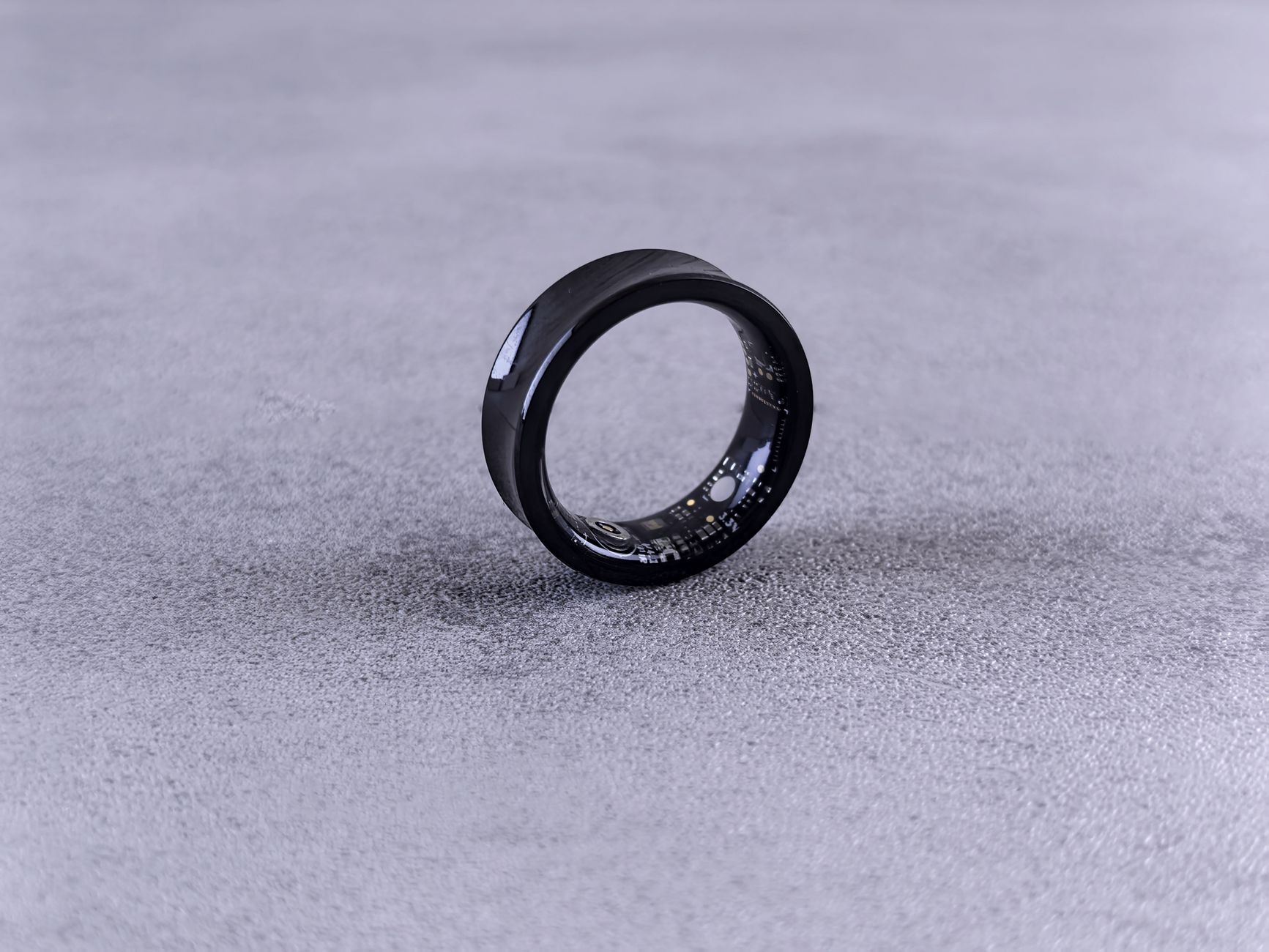
Health technologies can certainly empower individuals with more data about their bodies. Wearable devices track activity and sleep, while advanced diagnostics can offer snapshots of nutritional status and hormonal profiles. However, these tools are most effective when their data is interpreted by an expert who understands the complexities and nuances, rather than being used to self-prescribe potentially impactful interventions.
Beyond Boron: A Holistic View of Women's Hormonal Health
While discussing the specific role of micronutrients like boron is valuable, it's crucial to place it within the broader context of holistic health. Hormonal balance in pre-menopausal women is not a solitary event governed by a single nutrient; rather, it is the cumulative outcome of numerous interacting factors.
A comprehensive approach to hormonal health encompasses a variety of lifestyle elements. A diet rich in whole foods, including a diverse array of fruits, vegetables, lean proteins, and healthy fats, provides the foundational nutrients for endocrine function. Regular physical activity, appropriate for one's fitness level, supports metabolic health and hormone regulation. Effective stress management techniques, such as mindfulness, yoga, or spending time in nature, are vital, as chronic stress can significantly disrupt hormonal harmony. Lastly, prioritizing consistent, high-quality sleep is non-negotiable for the body's regenerative processes, including hormone synthesis and regulation.
Supplements, including boron, should be viewed as exactly that: supplements to a well-rounded and sustainable lifestyle, not replacements for fundamental healthy habits. Approaching wellness with a balanced perspective, where advanced insights from health technologies complement time-tested holistic practices and professional advice, offers the most robust path toward optimal hormonal health and overall vitality.
Key Takeaways
- Boron's Dual Nature: Boron is an essential trace mineral with recognized roles in bone health and cognitive function, but its influence on hormone balance is an active and complex area of research.
- Hormonal Interaction: Some studies suggest boron, even at moderate doses, might influence steroid hormone levels like estrogen and testosterone in pre-menopausal women, though findings are not conclusive.
- Dose Matters: Higher doses, such as 5mg, warrant careful consideration. While within established tolerable upper limits for general safety, their specific effects on individual hormonal systems require professional evaluation.
- Personalized Approach is Paramount: Nutritional needs are highly individual. Self-prescription of supplements, especially those that may affect hormones, carries risks.
- Consult a Professional: Always seek advice from a qualified healthcare provider (doctor, registered dietitian) before starting or significantly changing any supplement regimen.
- Holistic View: Optimal hormonal health is best supported by a comprehensive approach that includes a balanced diet, regular exercise, stress management, quality sleep, and professional guidance.
FAQ Section
-
What are the primary dietary sources of boron?
Boron is naturally found in a variety of plant-based foods. Excellent sources include fruits like apples, grapes, pears, and avocados; vegetables such as leafy greens, potatoes, and carrots; legumes like beans and lentils; and nuts, particularly almonds and peanuts. Whole grains can also contribute to boron intake.
-
Is it generally safe for pre-menopausal women to take 5mg of boron daily?
While 5mg of boron is typically below the established tolerable upper intake level (UL) of 20mg per day for adults, general safety doesn't equate to suitability for every individual, especially when considering potential hormonal effects. The impact can vary greatly depending on existing health conditions, other medications, and individual physiology. It is strongly recommended to consult a healthcare professional to determine if a 5mg dose is appropriate for your specific health needs and goals.
-
How can a woman determine if she needs boron supplementation for hormonal balance?
Determining the need for boron supplementation, particularly for hormonal balance, requires a professional assessment. A doctor or registered dietitian can evaluate your dietary intake, medical history, and current health concerns. They may recommend specific blood tests to assess overall nutritional status or hormonal levels. Self-diagnosing or self-prescribing based on generalized information is not advised due to the complex interplay of hormones and individual variability.
In conclusion, the fascinating world of micronutrients like boron continues to reveal its complexities, offering glimpses into how these tiny elements can exert significant influence over our body's most intricate systems, including hormonal balance. For pre-menopausal women exploring avenues for optimized health, the potential role of boron is certainly a topic of interest.
However, the journey toward well-being is best navigated with informed decisions and expert guidance. While health technologies empower us with unprecedented access to information and personal data, the interpretation of this data and the formulation of effective, safe wellness strategies remain the domain of qualified professionals. By embracing a holistic perspective that prioritizes foundational health practices, complemented by targeted and professionally advised supplementation, women can approach their hormonal health with confidence and care, ensuring a sustainable path to vitality.
Disclaimer: This article is for informational purposes only and does not constitute medical advice. It is not intended to diagnose, treat, cure, or prevent any disease. Always consult with a qualified healthcare professional before making any decisions related to your health or starting any new supplement regimen.
Comments (0)
To comment, please login or register.
No comments yet. Be the first to comment!