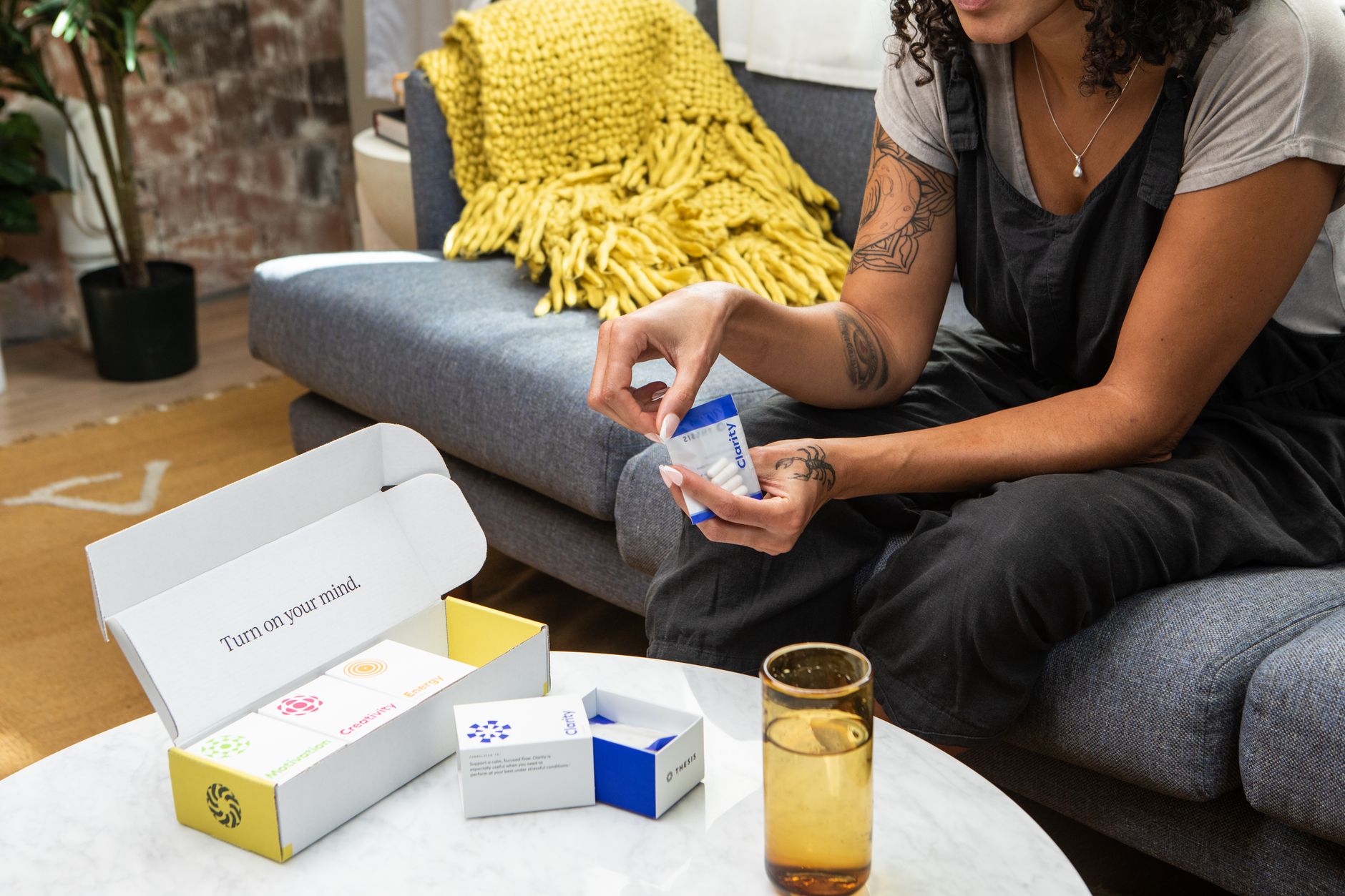
In an increasingly demanding world, the quest for enhanced cognitive function and sustained mental well-being has led many to explore various avenues, from established lifestyle adjustments to emerging biotechnologies. Among these, synthetic peptides like Semax and Selank have garnered significant attention within scientific communities and among individuals interested in optimizing their mental performance. These compounds, distinct from traditional pharmaceuticals, represent a fascinating frontier in the intersection of health technologies and personal productivity.
While the allure of improved focus, memory, and stress resilience is undeniable, particularly for those navigating the complexities of modern life or seeking supportive pathways alongside professional medical guidance, it is paramount to approach such topics with a foundation of rigorous scientific understanding and a commitment to safety. This article delves into what research suggests about Semax and Selank, their proposed mechanisms, and the critical importance of informed decisions and professional medical consultation when exploring any substance related to health and cognitive function.
The Dawn of Peptide Research: What Are Semax and Selank?
Peptides are short chains of amino acids, the building blocks of proteins, that play diverse and crucial roles in biological systems. Unlike complex proteins, their smaller size often allows them to interact more readily with specific cellular receptors, making them attractive candidates for therapeutic and research applications. In the realm of health technologies, synthetic peptides are designed to mimic or modulate natural biological processes, offering a targeted approach to various physiological challenges.
Semax and Selank are two such synthetic peptides, both originating from Russian research. They are often discussed together due to their similar intranasal administration routes and perceived nootropic (cognitive-enhancing) and anxiolytic (anti-anxiety) properties. However, their specific structures and proposed mechanisms of action differ significantly.
- Semax: A heptapeptide (seven amino acids long) derived from a fragment of adrenocorticotropic hormone (ACTH). It has been studied extensively for its potential neuroprotective and cognitive-enhancing effects.
- Selank: A synthetic tetrapeptide (four amino acids long) which is an analogue of the naturally occurring human immunomodulatory peptide, Tuftsin. Its research has primarily focused on its anxiolytic and potential nootropic benefits.
It is crucial to understand that while these peptides are subjects of ongoing research, particularly in countries like Russia and Ukraine, they are not approved medications in many Western countries, including the United States, for any medical condition. Their use outside of controlled clinical research settings is largely unregulated, underscoring the need for extreme caution.
Semax: Unpacking a Potential Cognitive Enhancer
The interest in Semax stems from preliminary research suggesting its potential to influence several aspects of cognitive function, making it a focal point in discussions around cognitive enhancement. The proposed mechanisms by which Semax might exert its effects are complex and multifactorial:
- Neurotransmitter Modulation: Research indicates that Semax may influence the levels and activity of crucial neurotransmitters in the brain, including dopamine and serotonin. These neurotransmitters are vital for regulating mood, motivation, attention, and executive functions. By modulating their balance, Semax is hypothesized to support improved focus and mental clarity.
- Brain-Derived Neurotrophic Factor (BDNF) Upregulation: BDNF is a protein that plays a critical role in neurogenesis (the growth of new brain cells), neuronal survival, and synaptic plasticity – the ability of synapses to strengthen or weaken over time in response to increased or decreased activity. Studies suggest Semax may increase BDNF expression, potentially contributing to enhanced learning, memory, and overall brain health.
- Neuroprotection: Some studies have explored Semax's potential neuroprotective properties, particularly in contexts of cerebral ischemia or oxidative stress. This suggests a role in preserving neuronal integrity and function under challenging conditions.
- Anti-inflammatory Effects: There is some indication that Semax might possess anti-inflammatory actions within the central nervous system, which could contribute to overall brain health and resilience.
Users in anecdotal reports and preliminary studies have often described improvements in attention span, memory recall, and an overall sense of mental acuity when using Semax. However, these observations require validation through large-scale, independent clinical trials compliant with international standards to establish efficacy and long-term safety definitively.
Selank: Beyond Stress, Towards Mental Clarity?
While Semax often takes the spotlight for direct cognitive enhancement, Selank is frequently discussed for its potential anxiolytic and adaptogenic properties, which can indirectly contribute to improved mental performance and overall well-being. Its research profile suggests a different but equally compelling set of mechanisms:
- GABAergic System Modulation: Selank is believed to interact with the GABAergic system, which is the primary inhibitory neurotransmitter system in the brain. By subtly modulating GABA activity, Selank may help reduce anxiety, calm nervous system overactivity, and promote a sense of relaxation without the sedative effects often associated with traditional anxiolytics.
- Immune System Modulation: As an analogue of Tuftsin, a peptide with immunomodulatory properties, Selank may also influence immune function. The intricate connection between the immune system and the central nervous system (the 'neuroimmune' axis) means that modulating one can impact the other, potentially contributing to its anti-anxiety and mood-regulating effects.
- Stress Reduction and Adaptogenic Effects: Research suggests Selank may help the body adapt to stress, reducing the physiological and psychological impact of chronic stressors. By alleviating anxiety and improving the body's stress response, individuals may experience clearer thinking and improved focus, as the mental burden of anxiety is lessened.
- Potential Nootropic Benefits: Beyond its anxiolytic properties, some studies suggest Selank might also contribute to memory consolidation and cognitive function, particularly in states of fatigue or stress. This could be a secondary effect of reducing anxiety, allowing for better cognitive performance.
The potential for Selank to offer a non-sedating approach to anxiety management, coupled with its possible cognitive benefits, makes it an area of interest for those seeking comprehensive mental support. Like Semax, the long-term effects and full safety profile of Selank in human populations remain subjects of ongoing research and require more robust clinical investigation.
The Broader Landscape of Cognitive Support and Nootropics
The exploration of peptides like Semax and Selank occurs within a larger trend towards optimizing human potential, a concept increasingly relevant in fields like AI & Productivity. The term 'nootropics' (often called 'smart drugs' or cognitive enhancers) generally refers to substances that may improve cognitive functions such as memory, creativity, or motivation in healthy individuals. This category is vast, ranging from widely accepted supplements like caffeine and L-Theanine to prescription medications and experimental compounds.
The public's growing interest in nootropics reflects a desire to keep pace with rapid technological advancements and maintain peak performance in demanding professional and academic environments. While AI advancements are transforming industries, human cognitive capacity remains central to innovation and problem-solving. This drives the search for tools, including health technologies like peptides, that could potentially support mental agility and resilience.
However, it is crucial to differentiate between well-researched, evidence-backed strategies for cognitive support and novel, less-understood substances. Established methods for enhancing brain function consistently point to fundamental lifestyle pillars:
- Sufficient, Quality Sleep: Essential for memory consolidation, emotional regulation, and cognitive restoration.
- Balanced Nutrition: Providing the brain with necessary micronutrients and macronutrients for optimal function.
- Regular Physical Activity: Improves blood flow to the brain, supports neurogenesis, and reduces stress.
- Mindfulness and Stress Management: Techniques like meditation can enhance focus and reduce the detrimental effects of chronic stress on cognition.
- Lifelong Learning and Mental Stimulation: Engaging in novel activities and continuous learning helps maintain neural plasticity.
These foundational elements are indispensable for cognitive health, and any discussion of advanced cognitive support should always begin with their prioritization. Peptides, as research compounds, enter a space where potential benefits must be carefully weighed against the significant unknowns and ethical considerations.
Navigating the Research Frontier: Safety, Ethics, and Professional Guidance
The allure of synthetic peptides like Semax and Selank for peptide research and potential cognitive enhancement is considerable. However, it is vital to approach them with a healthy dose of scientific skepticism and unwavering caution. The current status of these peptides outside specific research contexts presents several significant concerns:
- Lack of Regulatory Approval: In many countries, including the U.S., Semax and Selank are not approved by regulatory bodies like the FDA for human use. This means they have not undergone the rigorous testing required to demonstrate safety, efficacy, consistent manufacturing quality, and appropriate dosing for medical applications.
- Limited Long-Term Safety Data: While short-term studies may show promising results, there is a distinct lack of comprehensive data on the long-term effects of chronic use of these peptides in humans. Potential side effects, drug interactions, and cumulative impacts on various physiological systems are largely unknown.
- Unregulated Market and Quality Concerns: The availability of these peptides through online vendors or research chemical suppliers is often unregulated. This raises serious questions about product purity, concentration, and the presence of contaminants, which can pose significant health risks.
- Ethical Considerations: The use of cognitive enhancers, particularly unapproved compounds, raises ethical questions about fairness, authenticity of achievement, and potential societal pressures to perform at an artificial peak.
Disclaimer: This article provides general information and is not intended to be medical advice. Readers should always consult a qualified healthcare professional before making any decisions about their health, treatments, or medications. Never disregard professional medical advice or delay seeking it because of something you have read in this article. Products discussed, such as Semax and Selank, are research compounds and are not approved for medical use in many countries. Do not self-diagnose or self-treat any medical condition.
Given these critical considerations, anyone contemplating the use of such peptides, or seeking alternatives to prescribed medications, must prioritize consulting with a qualified healthcare professional. A doctor can provide personalized advice, assess individual health conditions, discuss potential risks and benefits, and guide informed decisions based on scientific evidence and regulatory guidelines.
Future Outlook: Peptides in Health and Productivity
Despite the current limitations and warnings, the field of peptide research continues to be a vibrant and promising area within health technologies. The targeted action and relatively low molecular weight of peptides make them attractive candidates for developing future therapies. As our understanding of brain chemistry and disease mechanisms deepens, so too does the potential for precisely engineered peptides to address a range of neurological and psychological conditions.
The journey from promising research compound to approved medication is long and arduous, requiring extensive clinical trials to prove both efficacy and safety. For now, Semax and Selank remain firmly in the realm of experimental substances, offering a glimpse into what might be possible but demanding extreme caution and respect for the scientific process.
For individuals committed to a sustainable approach to personal well-being and productivity, the focus should remain on holistic strategies, backed by strong scientific evidence. This includes optimizing lifestyle factors, seeking professional medical guidance for any health concerns, and staying informed about legitimate scientific advancements without succumbing to the allure of unverified solutions. The true future of sustainable living and productivity lies in informed choices, responsible innovation, and a deep respect for human health and safety.
Key Takeaways
- Semax and Selank are Synthetic Peptides: Both are research compounds studied for potential cognitive and anxiolytic effects, respectively.
- Preliminary Research is Promising but Inconclusive: Early studies suggest potential benefits for focus, memory, and stress reduction, but large-scale human trials are needed.
- Not Approved Medications: These peptides are not approved by major regulatory bodies (e.g., FDA) for medical use in many Western countries.
- Significant Safety Concerns: There is a lack of long-term safety data, potential for unregulated product quality, and unknown side effects.
- Professional Medical Guidance is Essential: Always consult a qualified healthcare professional before considering any new substance, especially if taking prescribed medications or seeking alternatives.
- Prioritize Foundational Health: Optimal sleep, nutrition, exercise, and stress management are the most proven methods for cognitive health.
FAQ: Frequently Asked Questions
Q1: Are Semax and Selank legal to use?
A1: The legal status of Semax and Selank varies by country. In many Western countries, they are not approved for human consumption and may be classified as 'research chemicals.' This means they are not regulated for purity, dosage, or safety for human use. Possessing or using them without proper authorization in countries where they are not approved for human medical use could have legal implications. It is crucial to be aware of and comply with local laws and regulations.
Q2: Can Semax or Selank be used as a substitute for prescribed medications like Adderall?
A2: Absolutely not. Semax and Selank are research compounds with limited human safety data and are not approved as treatments for any medical condition, nor as substitutes for prescribed medications like Adderall. Attempting to self-medicate or replace prescribed treatments with unapproved substances can be dangerous, lead to adverse health outcomes, and interfere with the efficacy of legitimate medical interventions. Any decisions regarding prescribed medication, including dosage adjustments or alternatives, must be made in close consultation with and under the supervision of a qualified healthcare professional.
Q3: How are these peptides typically administered, and are there risks associated with self-administration?
A3: In research settings, Semax and Selank are often administered intranasally (via nasal drops or spray), as this route allows for direct absorption into the bloodstream and potentially the brain. However, self-administration outside of a controlled medical or research environment carries significant risks. Without proper medical training, sterile techniques, and precise dosing, individuals risk infection, inaccurate dosing, adverse reactions, and potential harm. The purity and concentration of illegally sourced peptides are also often questionable, further increasing the danger of self-administration.
Conclusion
The ongoing research into peptides like Semax and Selank offers an exciting glimpse into the future of health technologies and cognitive support. Their potential to influence brain function and emotional well-being is a compelling area of study, holding promise for future therapeutic advancements. However, it is essential to ground this enthusiasm in scientific rigor and a profound respect for human safety.
For now, Semax and Selank remain experimental compounds, not established medical treatments. Their current status necessitates extreme caution, emphasizing the critical importance of professional medical advice and adherence to regulatory guidelines. As individuals, our most effective and sustainable path to enhanced productivity and well-being lies in prioritizing proven health strategies, making informed decisions based on credible evidence, and always consulting with healthcare professionals regarding any health-related choices or concerns. The responsible exploration of innovative health technologies, combined with foundational self-care, will ultimately define our journey towards optimal cognitive function and a healthier, more productive future.
Comments (0)
To comment, please login or register.
No comments yet. Be the first to comment!