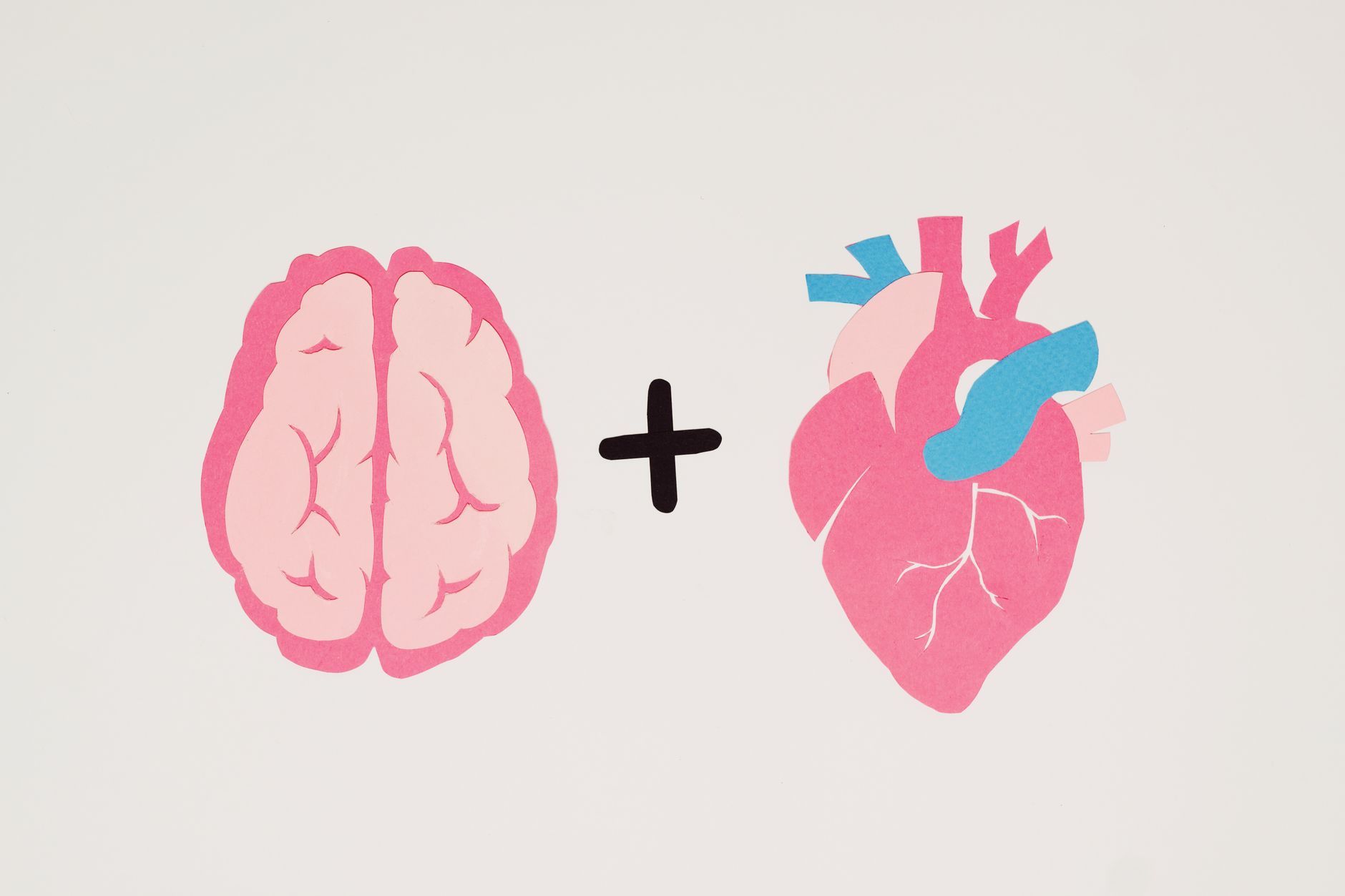
In an era defined by rapid technological advancement and an increasing focus on personalized well-being, the conversation around health is shifting from reactive treatment to proactive prevention. This paradigm change is particularly vital when discussing complex conditions like neurodegenerative diseases. Affecting millions globally, these conditions gradually diminish cognitive function and quality of life, posing significant challenges for individuals, families, and healthcare systems alike. However, emerging health technologies and a deeper understanding of our biology are beginning to illuminate a path towards earlier detection and more personalized management strategies. Central to this evolving landscape is the concept of biomarker tracking.
The 'quantified self' movement, a philosophy centered on self-knowledge through numbers, has found a powerful new application in brain health. Imagine being able to gain insights into your neurological well-being long before symptoms manifest. This isn't science fiction; it's the promise offered by comprehensive biomarker analysis. While currently in various stages of research and clinical application, the ability to track specific indicators related to neurodegeneration represents a significant leap forward in our quest to understand and potentially mitigate the impact of these challenging diseases.
This article will delve into the exciting potential of biomarker tracking, exploring how sophisticated health technology is empowering individuals and healthcare providers to monitor neurological health with unprecedented precision. We'll examine the importance of early detection, the types of biomarkers being studied, and the broader implications for fostering a future where cognitive health can be actively maintained and protected.
Understanding Neurodegenerative Diseases and Their Growing Impact
Neurodegenerative diseases are a diverse group of conditions that primarily affect the neurons in the human brain, leading to progressive dysfunction and eventual cell death. Conditions such as Alzheimer's disease, Parkinson's disease, Amyotrophic Lateral Sclerosis (ALS), and Huntington's disease fall under this umbrella. They are characterized by a gradual deterioration of cognitive abilities, motor skills, or both, severely impacting an individual's independence and quality of life.
The global burden of these diseases is substantial and growing, particularly as populations age. Alzheimer's disease, for instance, is the most common cause of dementia, affecting tens of millions worldwide. Its progression can span years, often beginning with subtle changes in memory and thought processes that are difficult to distinguish from normal aging. This extended prodromal phase, where pathological changes occur before clinical symptoms are evident, highlights a critical window of opportunity for intervention – if only we could identify those at risk.
Current diagnostic methods for many neurodegenerative conditions often rely on the presence of noticeable symptoms, which means significant damage may have already occurred. This late-stage diagnosis limits the efficacy of existing treatments, which primarily aim to manage symptoms rather than halt or reverse disease progression. The urgent need for tools that can detect the early biological signatures of these diseases is paramount for developing more effective strategies and offering hope for a healthier future.
The Promise of Biomarkers: A Window into Brain Health
At the heart of this early detection revolution are biomarkers. In the context of health, a biomarker is a measurable indicator of some biological state or condition. For neurodegenerative diseases, biomarkers can be anything from specific protein fragments in cerebrospinal fluid (CSF) or blood, to characteristic changes visible on brain imaging scans, or even genetic predispositions.
What Makes Biomarkers So Crucial for Neurodegeneration?
- Early Detection: Biomarkers can often signal the presence of disease pathology years, or even decades, before overt clinical symptoms appear. This offers an unparalleled opportunity for proactive health management.
- Objectivity: Unlike subjective symptom reports, biomarkers provide objective, measurable data, which can aid in more accurate diagnosis and disease staging.
- Monitoring Progression: Tracking biomarker levels over time can help assess how quickly a disease is progressing or how a specific intervention (such as a lifestyle change or investigational therapy) is impacting the underlying pathology.
- Personalized Risk Assessment: A comprehensive panel of biomarkers can help identify individuals at higher risk, allowing for tailored preventive strategies.
Research suggests that certain biomarkers, such as amyloid-beta and tau proteins in the CSF or blood, are strongly associated with Alzheimer's disease pathology. Similarly, alpha-synuclein is a key biomarker for Parkinson's disease. The development of highly sensitive and specific assays to measure these substances, often in conjunction with advanced neuroimaging techniques like PET and MRI, is transforming our understanding of disease trajectories. The idea of a '22-test analysis' or similar comprehensive panels points to a future where multiple biomarkers are assessed together to provide a holistic picture of an individual's neurological health and risk profile.
Health Technology: Empowering Personalized Brain Monitoring
The ability to track these intricate biological signals is largely thanks to breakthroughs in health technology. The synergy between advanced laboratory diagnostics, artificial intelligence, and digital health platforms is making personalized brain monitoring increasingly feasible, moving it from specialized research labs into broader clinical consideration.
Key Technological Drivers:
- Advanced Diagnostics: Innovations in blood tests (e.g., plasma amyloid-beta, p-tau) are making biomarker assessment less invasive and more accessible than traditional CSF draws. Genomic sequencing can identify genetic risk factors, though it's crucial to remember that genetic predisposition doesn't always equate to disease development.
- Neuroimaging: High-resolution MRI and PET scans can detect structural brain changes or the accumulation of specific proteins (like amyloid plaques) years before clinical symptoms emerge. AI algorithms are increasingly being used to analyze these complex images, identifying subtle patterns that might escape the human eye.
- Wearable Technology and Digital Biomarkers: While not directly measuring molecular biomarkers, smartwatches, fitness trackers, and specialized sensors can monitor aspects of lifestyle (sleep patterns, physical activity, heart rate variability) and even subtle motor changes (gait, tremor) that could serve as 'digital biomarkers' indicative of cognitive or neurological changes over time. AI plays a crucial role in processing and interpreting this vast amount of continuous data.
- AI and Big Data Analytics: The sheer volume of data generated by comprehensive biomarker panels, imaging, and digital trackers requires powerful analytical tools. AI algorithms can identify correlations, predict risks, and personalize insights based on an individual's unique biological and lifestyle data, helping both clinicians and individuals make informed decisions.
These technologies are empowering the 'quantified self' movement in a profound way, offering individuals the potential to gain unprecedented insights into their own brain health. This self-knowledge, when interpreted responsibly with medical guidance, can be a powerful catalyst for proactive health management.
The Benefits and Challenges of Early Detection
The concept of early detection through biomarker tracking holds immense promise, but it also comes with a unique set of considerations.
Potential Benefits:
- Proactive Lifestyle Modifications: Knowing one's risk profile early could empower individuals to make significant lifestyle changes (diet, exercise, sleep, stress management, cognitive engagement) that research suggests may help delay or reduce the severity of neurodegenerative diseases.
- Opportunity for Early Interventions: As research progresses, new pharmacological or non-pharmacological interventions may prove more effective when initiated in the very early stages of disease, before significant neuronal damage has occurred. Early detection allows individuals to participate in relevant clinical trials.
- Informed Decision-Making: Individuals and their families can make long-term plans regarding their health, finances, and care more effectively when armed with early insights.
Significant Challenges:
- Interpretation and Uncertainty: A positive biomarker result doesn't always mean certain disease development. The predictive value and clinical significance of many biomarkers are still areas of active research. Interpreting complex data requires expert medical guidance.
- Psychological Impact: Receiving information about a potential future risk can be emotionally challenging, leading to anxiety or distress. Adequate psychological support and counseling are crucial.
- Cost and Accessibility: Advanced biomarker tests and imaging can be expensive and may not be covered by insurance or readily available to everyone, potentially creating health disparities.
- Ethical Considerations: Questions surrounding data privacy, genetic discrimination, and the responsible communication of sensitive health information must be carefully addressed as these technologies become more widespread.
It is crucial that any engagement with biomarker tracking is done under the guidance of qualified healthcare professionals who can provide accurate context, counsel, and follow-up care. Biomarkers are powerful tools, but they are just one piece of a much larger health puzzle.
A Holistic Approach: Beyond Biomarkers for Cognitive Resilience
While biomarkers offer invaluable insights into the biological underpinnings of neurodegenerative diseases, they are not the sole determinant of cognitive health. A truly comprehensive and sustainable approach to brain wellness integrates biomarker data with a holistic focus on lifestyle and environmental factors. Think of biomarkers as a sophisticated diagnostic map, guiding your journey, but the journey itself is paved with daily choices.
Pillars of Cognitive Resilience:
- Nutrition: A diet rich in fruits, vegetables, whole grains, and healthy fats (like the Mediterranean diet) is consistently associated with better brain health. These foods provide antioxidants and anti-inflammatory compounds crucial for neuronal protection.
- Physical Activity: Regular exercise, including aerobic and strength training, boosts blood flow to the brain, supports neurogenesis (the growth of new brain cells), and reduces inflammation. It's a powerful tool for maintaining cognitive function.
- Quality Sleep: Sleep is essential for brain repair and memory consolidation. Chronic sleep deprivation has been linked to increased risk factors for neurodegenerative diseases. Prioritizing 7-9 hours of quality sleep per night is vital.
- Stress Management: Chronic stress can have detrimental effects on brain health, impacting memory and executive function. Techniques like mindfulness, meditation, yoga, and spending time in nature can help mitigate stress.
- Cognitive Engagement: Keeping the brain active through learning new skills, reading, puzzles, and engaging in mentally stimulating activities helps build cognitive reserve and maintain neural connections.
- Social Connection: Strong social networks are linked to better cognitive outcomes and reduced risk of dementia. Meaningful interactions provide emotional support and cognitive stimulation.
- Environmental Awareness: Reducing exposure to environmental toxins and pollutants, and living in a way that supports a healthy planet (aligning with sustainable living principles), can also contribute to overall health, including brain health.
Integrating insights from biomarker tracking with these established pillars of healthy living creates a powerful synergy. Biomarkers can personalize your focus, perhaps highlighting an area where lifestyle modifications could be particularly impactful. However, regardless of biomarker status, these holistic practices form the bedrock of a resilient brain, contributing to overall well-being and longevity.
Key Takeaways
- Neurodegenerative diseases like Alzheimer's and Parkinson's pose a growing global health challenge, necessitating early detection strategies.
- Biomarkers are measurable biological indicators that can reveal disease pathology often years before clinical symptoms, offering a crucial window for intervention.
- Advances in health technology, including sophisticated diagnostics, neuroimaging, AI, and digital biomarkers, are making personalized brain monitoring increasingly feasible.
- Early detection through biomarker tracking offers benefits like proactive lifestyle changes and opportunities for early interventions, but also presents challenges related to interpretation, psychological impact, and accessibility.
- A holistic approach that combines biomarker insights with lifestyle factors such as diet, exercise, sleep, stress management, and cognitive engagement is essential for fostering long-term cognitive resilience.
- Always consult a healthcare professional for interpretation of biomarker results and personalized health advice.
Frequently Asked Questions
Q1: Are comprehensive biomarker tests for neurodegeneration readily available to the public?
A1: While some biomarker tests for neurodegenerative conditions are available, their accessibility, clinical utility, and coverage vary significantly. Some advanced tests, like specific blood plasma tests for Alzheimer's amyloid pathology, are emerging rapidly into clinical practice. Others, particularly more extensive '22-test analysis' type panels, might still be primarily in research settings or offered through specialized clinics. It's essential to consult with a neurologist or a general practitioner who stays updated on these developments to understand what tests are appropriate, available, and medically indicated for your specific situation. These tests are generally not recommended for routine screening of the general population without specific risk factors or concerns.
Q2: Can tracking biomarkers prevent neurodegenerative diseases?
A2: Tracking biomarkers alone does not prevent neurodegenerative diseases. However, gaining early insights into potential risks or early pathological changes can empower individuals and their healthcare providers to implement proactive strategies. Research suggests that adopting healthy lifestyle choices – such as a balanced diet, regular exercise, adequate sleep, stress reduction, and cognitive engagement – may help delay onset or reduce the severity of symptoms in individuals at risk. Biomarker tracking serves as a powerful informational tool, guiding personalized preventive strategies, but it's the actions taken based on that information that hold the potential for positive impact.
Q3: What lifestyle changes are most impactful for supporting brain health?
A3: A holistic approach to lifestyle is considered most impactful for brain health. Key components include: a Mediterranean-style diet rich in fruits, vegetables, whole grains, lean protein, and healthy fats; regular physical activity (a mix of aerobic and strength training); 7-9 hours of quality sleep per night; effective stress management techniques (e.g., mindfulness, meditation); continuous cognitive stimulation through learning and mentally engaging activities; and maintaining strong social connections. These elements collectively contribute to reducing inflammation, improving blood flow, supporting neuronal health, and building cognitive resilience.
The journey towards optimizing brain health is a dynamic one, blending cutting-edge scientific discovery with time-tested wisdom. Biomarker tracking, fueled by sophisticated health technology, offers an unprecedented level of insight into our neurological well-being. This early knowledge has the power to transform how we approach neurodegenerative diseases, shifting the focus from late-stage reaction to proactive, personalized care. However, it's crucial to remember that these advanced tools are best utilized within a broader framework of holistic health practices and under the guidance of medical professionals. By embracing both technological innovation and fundamental principles of healthy living, we can collectively work towards a future where cognitive resilience is not just a hope, but an achievable reality for more individuals.
Disclaimer: This article provides general information and discussion about health and related subjects. The content is not intended to be a substitute for professional medical advice, diagnosis, or treatment. Always seek the advice of your physician or other qualified health provider with any questions you may have regarding a medical condition. Never disregard professional medical advice or delay in seeking it because of something you have read in this article. References to 'research suggests' or 'studies indicate' refer to findings in the scientific community and are not medical endorsements or recommendations.
Comments (0)
To comment, please login or register.
No comments yet. Be the first to comment!