Advertisement
Advertise Here Header Banner · 728×90 · Full Width · Sitewide
Get Started →
Biohacking

The Future of Nutrition: A Personalized Nutrigenetic Guide with DNA Testing

Listen to this article Press play to start reading aloud
The Future of Nutrition: A Personalized Nutrigenetic Guide with DNA Testing
Written by Dr. James Okoro | Fact-checked | Published 2026-02-09 Our editorial standards →

Disclaimer: For informational purposes only. Consult a healthcare professional.

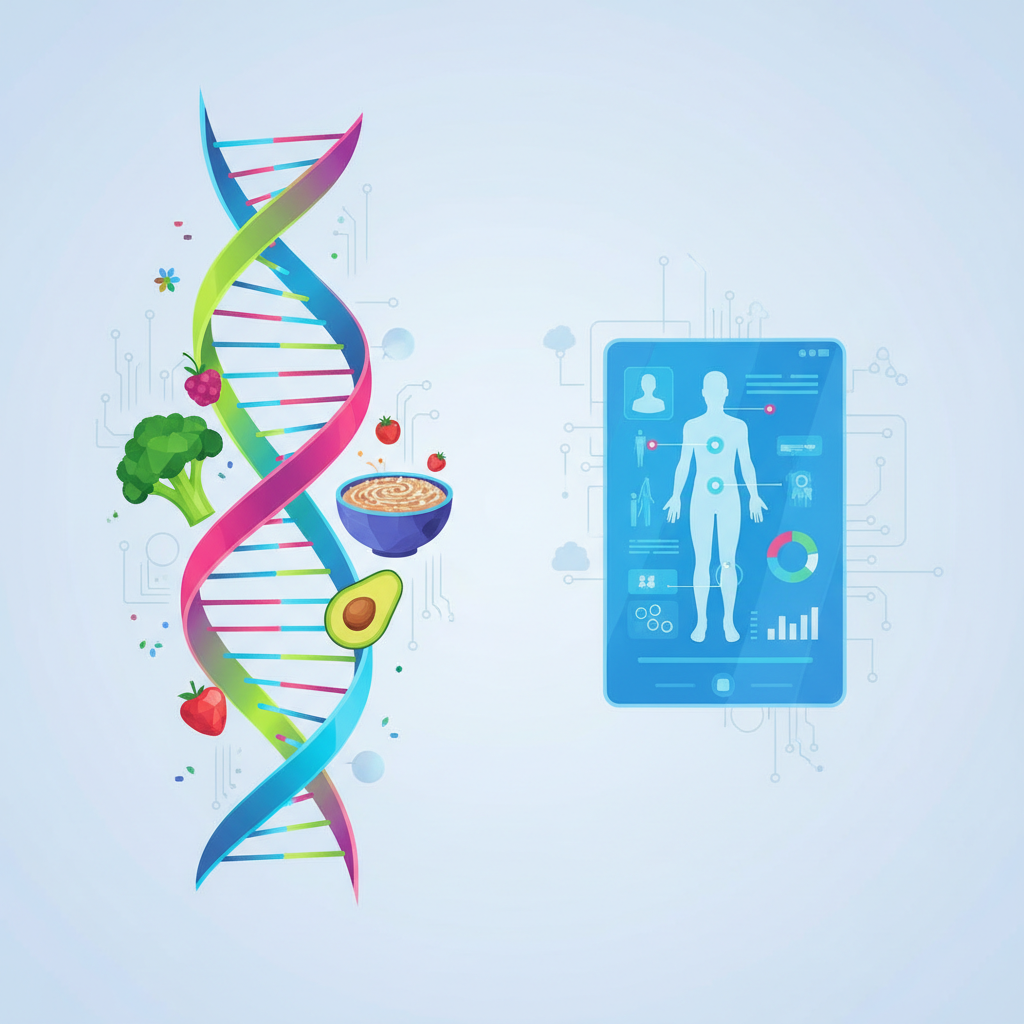
As we march toward 2026 and beyond, the landscape of nutrition is undergoing a profound transformation. The era of the 'one-size-fits-all' dietary recommendation, often dictated by broad population studies or fleeting fads, is rapidly receding. In its place emerges a scientific, hyper-personalized approach grounded in an individual's unique genetic blueprint. At the nexus of this revolution lies DNA testing and the burgeoning science of nutrigenetics. This exciting frontier, a cornerstone of the modern biohacking movement, unequivocally demonstrates that optimal eating habits are not merely about 'what' we consume, but critically, 'how' our individual genetic makeup processes, utilizes, and responds to those nutrients.

What is Nutrigenetics and Why is it Revolutionizing Health?

Nutrigenetics is the sophisticated scientific discipline that investigates the intricate relationship between an individual's genes, their dietary patterns, and their overall health outcomes. It delves into how genetic variations influence our response to nutrients, specific foods, and even dietary supplements. Each of us carries a distinct genetic code – a personal instruction manual – that dictates countless biological processes. This means that the same food item, or a particular dietary intervention, can elicit vastly different physiological effects in two different individuals. For instance, some people possess genetic variants that enable them to metabolize caffeine rapidly, experiencing little to no adverse effects, while for others, even a modest cup of coffee can lead to significant jitters or insomnia due to slower metabolic clearance. Understanding these profound individual differences and strategically tailoring nutritional interventions based on this knowledge forms the foundational philosophy of a truly healthy and optimized life in the 21st century.

The importance of nutrigenetics stems from its potential to move beyond generic dietary guidelines towards truly preventative and precision nutrition. With chronic diseases like type 2 diabetes, cardiovascular disease, and certain cancers reaching epidemic proportions globally – often exacerbated by diet and lifestyle – the need for targeted nutritional strategies has never been more urgent. The World Health Organization (WHO) reported in 2023 that non-communicable diseases (NCDs), largely influenced by diet, account for 74% of all deaths globally. Nutrigenetics offers a beacon of hope by identifying individual predispositions and guiding dietary choices to mitigate risk, optimize metabolic function, and enhance overall well-being.

The Science Behind the Personalized Plate: Genes, Nutrients, and Pathways

To appreciate the power of nutrigenetics, one must grasp the underlying biological mechanisms. Our genes, composed of DNA, contain instructions for building proteins, which carry out most of the work in cells and are required for the structure, function, and regulation of the body's tissues and organs. Small variations in these genes, known as Single Nucleotide Polymorphisms (SNPs or 'snips'), are common throughout the population and can subtly but significantly alter how these proteins function.

Consider these examples of common genetic variations and their nutritional implications:

  • MTHFR gene (Methylenetetrahydrofolate Reductase): Variations in the MTHFR gene can impair the body's ability to convert folate (Vitamin B9) into its active form, 5-methyltetrahydrofolate. This can affect methylation processes crucial for DNA repair, detoxification, and neurotransmitter synthesis. Individuals with certain MTHFR variants might benefit from consuming methylated forms of folate or increasing their intake of folate-rich foods like leafy greens.
  • FTO gene (Fat Mass and Obesity-associated gene): Specific SNPs in the FTO gene are strongly linked to an increased risk of obesity and higher body mass index (BMI). While a genetic predisposition isn't destiny, individuals with these variants may need to be more vigilant with calorie intake and physical activity to maintain a healthy weight. Research published in the Journal of Clinical Endocrinology & Metabolism (2022) found that physical activity can significantly mitigate the FTO gene's effects on obesity risk.
  • APOE gene (Apolipoprotein E): Variants of the APOE gene (e.g., APOE4) are associated with an increased risk of Alzheimer's disease and cardiovascular disease. Individuals with the APOE4 allele may be more sensitive to dietary fat, particularly saturated fat, and could benefit from a diet rich in monounsaturated and polyunsaturated fats, such as the Mediterranean diet, to support cognitive and cardiovascular health.
  • CYP1A2 gene (Cytochrome P450 1A2): This gene is responsible for metabolizing caffeine. 'Fast metabolizers' can process caffeine quickly, while 'slow metabolizers' experience prolonged effects, potentially leading to anxiety or sleep disturbances. Knowing your CYP1A2 status can guide appropriate caffeine intake.
  • LCT gene (Lactase gene): Variations in this gene determine an individual's ability to digest lactose, the sugar found in milk. Many adults, particularly of East Asian, African, and Southern European descent, become lactose intolerant due to a decline in lactase production post-childhood. Genetic testing can confirm this predisposition, allowing individuals to adjust dairy consumption.

These are just a few illustrations of how single gene variations can profoundly influence our interaction with food. Nutrigenetics aims to map these interactions, providing actionable insights for optimizing health.

The Evolution of DNA Testing: Accessibility, Accuracy, and AI's Role

The journey of DNA testing from a niche, expensive laboratory procedure to a widely accessible consumer product has been meteoric. In recent years, the cost of genetic sequencing has plummeted, and the ease of sample collection (often just a saliva swab at home) has made it available to millions. By 2026, the technology has advanced significantly, making it not just accessible but remarkably precise and actionable.

The global market for nutrigenomics and personalized nutrition was valued at approximately USD 6.5 billion in 2022 and is projected to reach over USD 18 billion by 2030, according to a report by Grand View Research (2023). This growth is driven by technological advancements and increasing consumer awareness.

Key advancements contributing to this evolution include:

  • Reduced Cost & Increased Speed: The cost of sequencing a human genome has dropped from billions of dollars to under $1,000, making comprehensive genetic analysis feasible for a broader population. Turnaround times for results have also shortened considerably.
  • Enhanced Accuracy: Next-generation sequencing (NGS) technologies provide highly accurate reads of genetic variations. Companies now employ rigorous quality control and often validate results through multiple sequencing runs.
  • Artificial Intelligence (AI) and Machine Learning (ML): This is where the true power of interpretation lies. Raw genetic data, comprising millions of SNPs, is meaningless without context. AI and ML algorithms are indispensable for:
    • Pattern Recognition: Identifying complex interactions between multiple genes and environmental factors.
    • Personalized Risk Assessment: Calculating an individual's specific risk for diet-related conditions based on their unique genetic profile.
    • Actionable Recommendations: Translating intricate genetic data into practical, easy-to-understand dietary and lifestyle recommendations. AI can cross-reference an individual's genetic profile with vast databases of nutritional science, dietary guidelines, and individual food compositions to suggest optimal food choices and supplement strategies.
    • Dynamic Adaptation: As new scientific discoveries link genes to nutritional responses, AI systems can continually update and refine their recommendations, offering living, evolving nutritional plans.

The integration of AI has transformed genetic reports from dense, technical documents into user-friendly, insightful guides that empower individuals and their healthcare providers to make informed decisions about nutrition.

Navigating Your Nutrigenetic Journey: A Step-by-Step Guide

Embarking on a nutrigenetics-based personalized nutrition journey involves a structured, yet highly individualized, process:

  1. DNA Test Selection and Collection: The first step involves selecting a reputable DNA testing service. Look for companies that emphasize scientific rigor, privacy, and offer clear pathways for professional interpretation. Most services provide at-home saliva collection kits, which are simple and non-invasive. The sample is then sent to a certified laboratory for analysis.
  2. Comprehensive Genetic Report: After analysis, you receive a detailed report. This isn't just a list of genes; it's an interpretive document highlighting your genetic predispositions related to nutrient absorption (e.g., Vitamin D, B12), metabolic rate (carbohydrate, fat sensitivity), detoxification pathways, inflammation response, allergy susceptibilities, and even genetic predispositions to certain diet-related chronic diseases. The best reports provide clear explanations of each genetic variant and its known impact.
  3. Expert Consultation: This is perhaps the most crucial step. Reviewing and understanding your genetic report with a qualified professional – a registered dietitian, nutritionist, or medical doctor specializing in nutrigenetics – is essential. These experts can contextualize your genetic data with your current health status, lifestyle, and personal goals. They help distinguish between genetic predispositions that require intervention and those that are less impactful.
  4. Personalized Nutrition and Lifestyle Plan: Armed with genetic insights and expert guidance, a highly tailored plan is developed. This plan extends beyond just food choices. It might include:
    • Specific Dietary Recommendations: Tailored macronutrient ratios (e.g., higher protein, lower carb), specific food groups to emphasize or moderate (e.g., avoiding certain common allergens or inflammatory foods), and optimal timing for meals.
    • Supplement Recommendations: Guidance on specific vitamins, minerals, or other supplements where genetic predispositions indicate increased need or reduced absorption (e.g., methylated folate for MTHFR variants).
    • Hydration Guidelines: Personalized recommendations based on fluid balance genes.
    • Exercise & Lifestyle Adjustments: Suggestions for types and intensity of exercise that might be more effective based on genetic predispositions for endurance or strength, and recommendations for stress management or sleep hygiene.
  5. Ongoing Monitoring & Adjustment: Personalized nutrition is not a static plan. As your health evolves, or as new scientific research emerges, your plan can be refined. Regular check-ins with your nutritionist or healthcare provider ensure the plan remains effective and aligned with your health goals.

Beyond the Plate: The Broader Impact of Nutrigenetics on Health & Well-being

The benefits of nutrigenetics extend far beyond simply knowing what to eat. Its holistic approach touches upon numerous facets of health and well-being:

  • Enhanced Energy Levels & Vitality: By optimizing nutrient intake and addressing potential deficiencies or sensitivities identified by genetic tests, individuals often report significant increases in sustained energy and overall vitality. When your body is receiving precisely what it needs, cellular function improves, leading to less fatigue.
  • Improved Metabolic Health: Genetic insights can reveal predispositions to insulin resistance, lipid imbalances, or inefficient fat metabolism. A tailored diet can help regulate blood sugar, optimize cholesterol levels, and promote a healthy weight, thereby reducing the risk of metabolic syndrome and type 2 diabetes. The Centers for Disease Control and Prevention (CDC) reported in 2022 that over 100 million U.S. adults have diabetes or prediabetes, a significant portion of which could benefit from targeted dietary interventions.
  • Reduced Risk of Chronic Diseases: As highlighted earlier with genes like APOE and FTO, genetic predispositions for conditions such as cardiovascular disease, certain cancers, and neurodegenerative disorders can be uncovered. Personalized dietary strategies can act as powerful preventative measures, mitigating these genetic risks.
  • Better Weight Management: Understanding how your body processes carbohydrates, fats, and proteins, or your genetic tendency for satiety or hunger cues, can make weight loss and maintenance efforts far more effective and sustainable. It shifts the focus from 'willpower' to 'bio-alignment'.
  • Optimized Gut Health: While direct genetic links to the gut microbiome are still emerging, nutrigenetics can identify genetic tendencies towards inflammation or food sensitivities that indirectly impact gut health. Tailored diets can then support a balanced microbiome, which is crucial for digestion, immunity, and even mood.
  • Improved Mental Clarity & Mood: Nutrient deficiencies or imbalances (e.g., related to B vitamins or omega-3 fatty acids, often influenced by genetic factors) can impact neurotransmitter function. A genetically guided diet can support cognitive function, focus, and emotional well-being.
  • Enhanced Athletic Performance & Recovery: Athletes can leverage nutrigenetics to optimize their nutrition for peak performance, faster recovery, and reduced injury risk by understanding their genetic propensities for endurance, strength, inflammation, and nutrient needs.

Challenges, Ethical Considerations, and The Future Horizon

While the promise of nutrigenetics is immense, it's essential to approach it with a balanced perspective, acknowledging its current limitations and ethical dilemmas.

Challenges:

  • Complexity of Gene-Nutrient Interactions: Human biology is incredibly complex. Most health outcomes are polygenic (influenced by multiple genes) and multifactorial (influenced by genes, environment, lifestyle, and epigenetics). Isolating the impact of a single SNP can be oversimplified.
  • Standardization and Regulation: The direct-to-consumer genetic testing market is booming, but regulatory oversight for the accuracy of interpretations and the qualifications of consultants varies widely. Ensuring consistent scientific standards is crucial.
  • Lack of Robust Evidence for All Claims: While research is rapidly advancing, some nutrigenetic recommendations are based on associative studies rather than strong causal evidence from large-scale randomized controlled trials. More high-quality research is needed.
  • Cost and Accessibility Gap: While costs are decreasing, comprehensive genetic testing and expert consultation can still be a financial barrier for some, potentially exacerbating health disparities.

Ethical Considerations:

  • Privacy and Data Security: Genetic data is highly personal and immutable. Concerns about how companies store, protect, and potentially use or share this sensitive information are paramount. Consumers must be aware of privacy policies.
  • Potential for Misinterpretation and Overwhelm: Without expert guidance, individuals might misinterpret genetic risk factors, leading to unnecessary anxiety, restrictive diets, or misguided health decisions.
  • Genetic Discrimination: While laws like GINA (Genetic Information Nondiscrimination Act) in the US protect against discrimination by health insurers and employers, concerns persist about life insurance or long-term care insurance.
  • The 'Deterministic' Trap: The risk of viewing genetic information as destiny, rather than a predisposition that can be influenced by lifestyle, needs to be actively countered by proper education and counseling.

The Future Horizon:

Despite these challenges, the trajectory of nutrigenetics is undeniably upward. The future will likely see:

  • Integration with Wearables & IoT: Real-time feedback from continuous glucose monitors, smart scales, and activity trackers combined with genetic data will create dynamic, highly responsive nutritional guidance.
  • Epigenetics & Microbiome Integration: A deeper understanding of how diet and lifestyle influence gene expression (epigenetics) and the profound impact of the gut microbiome will lead to even more nuanced and effective personalized plans.
  • Preventative Healthcare Mainstream: Nutrigenetics will become a standard component of preventative medicine, enabling proactive health management from an early age.
  • Pharmacogenomics Overlap: The intersection with pharmacogenomics (how genes affect drug response) will expand, leading to integrated approaches for health management that consider both diet and medication.

The Synergy of Nutrigenetics and Biohacking

For the biohacking community, nutrigenetics is not just a tool; it's a foundational pillar. Biohacking, defined as the practice of making small, incremental dietary or lifestyle changes to improve one's health and well-being, finds its ultimate precision instrument in genetic insights. Instead of trial-and-error experimentation, biohackers can now employ targeted, evidence-informed strategies. If a genetic test reveals a slow caffeine metabolism (CYP1A2 variant), a biohacker might opt for decaf or limit intake, rather than enduring jittery mornings. If there's a predisposition for vitamin D deficiency, personalized supplementation and sun exposure protocols can be implemented proactively.

This synergy elevates biohacking from speculative self-experimentation to a data-driven, personalized science. It allows individuals to truly 'hack' their biology by working *with* their genetic predispositions, rather than against them, unlocking optimal performance, longevity, and resilience. As biMoola.net emphasizes, the convergence of health technologies and personalized wellness is the path forward, and nutrigenetics stands at the forefront of this revolution.

Table 1: Traditional vs. Nutrigenetic Approach to Nutrition
Feature Traditional Nutrition Approach Nutrigenetic Nutrition Approach
Basis of Recommendations General population guidelines, food pyramids, broad scientific studies, fad diets Individual genetic profile, specific SNPs, personal health data, lifestyle factors
Level of Personalization Low to moderate (e.g., vegetarian, gluten-free, calorie counting) High (tailored to metabolic pathways, nutrient absorption, disease risk)
Focus Disease treatment, weight management, basic health promotion Prevention, optimization of health, performance, longevity, disease risk mitigation
Key Tool Dietary surveys, food groups, calorie calculators DNA test results, AI-driven analysis, expert consultation
Dynamic Nature Static guidelines, periodic updates based on new research Evolving plan, adaptable to new genetic discoveries, lifestyle changes, and biofeedback
Expert Guidance General practitioners, dietitians (general advice) Nutrigenetics-specialized dietitians, genetic counselors, functional medicine doctors
Anticipated Outcome General health improvement, disease management Personalized optimal health, maximized potential, proactive risk reduction

Our Take: Precision Nutrition is Not a Fad, It's the Future

At biMoola.net, we view the rise of personalized nutrition via nutrigenetics not as a fleeting trend but as a fundamental paradigm shift in how we approach health and wellness. The 'modern interpretation of Hippocrates' quoted earlier – "The medicine of the future is hidden in the food we eat. Nutrigenetics, in turn, is the key to personalizing this medicine for you" – resonates deeply with our editorial philosophy. We believe that empowering individuals with data-driven insights into their own biology is the ultimate form of biohacking and preventative care. While the field is still maturing, particularly in terms of regulatory frameworks and the depth of scientific evidence for every single claim, its core premise is robust: we are all unique, and our diets should reflect that uniqueness.

The convergence of advanced DNA sequencing, sophisticated AI interpretation, and a growing understanding of gene-nutrient interactions creates an unprecedented opportunity to optimize human health. However, caution is warranted. The ethical implications, especially regarding data privacy and the potential for misinterpretation, must be rigorously addressed by both providers and consumers. We advocate for a responsible approach, one that prioritizes scientific validity, expert guidance, and consumer education. Personalized nutrition, guided by nutrigenetics, is poised to unlock a new era of health where our diets are truly our most potent medicine, tailored precisely to our individual needs. The future of nutrition is not just about eating well; it's about eating smart, powered by the intelligence of our own DNA. For those keen to explore further, delve into the latest research on biomarkers and genetic health to stay ahead of the curve.

Key Takeaways

  • Unlocking Genetic Uniqueness: Nutrigenetics leverages DNA testing to move beyond 'one-size-fits-all' dietary advice, offering personalized recommendations based on individual genetic predispositions.
  • AI-Driven Insights: Advanced AI and machine learning algorithms are crucial for interpreting complex genetic data, translating it into actionable dietary, supplement, and lifestyle strategies.
  • Holistic Health Optimization: Personalized nutrition plans aim to enhance energy, improve metabolic health, manage weight, mitigate chronic disease risks, and boost overall well-being, going beyond mere calorie counting.
  • Expert Guidance is Essential: While DNA tests are accessible, interpreting results and developing a safe, effective plan requires consultation with qualified nutrigenetics specialists to avoid misinterpretation and ensure evidence-based decisions.
  • Future of Preventative Health: Nutrigenetics is a cornerstone of future preventative medicine, integrating with other technologies like wearables and epigenetics to create dynamic, highly personalized health management systems.

Frequently Asked Questions About Personalized Nutrigenetics

Q1: How accurate are DNA nutrition tests?

A1: The accuracy of DNA nutrition tests for identifying genetic variants (SNPs) is generally very high, especially with reputable labs using next-generation sequencing. However, the interpretation of what those variants mean for your diet and health can vary. It's crucial to choose tests backed by scientific research and to have results interpreted by qualified professionals, as some companies may make exaggerated claims not fully supported by current evidence. The scientific understanding of gene-nutrient interactions is continually evolving.

Q2: Can a nutrigenetic diet cure chronic diseases?

A2: Nutrigenetics does not 'cure' chronic diseases. Instead, it provides insights into genetic predispositions that can influence your risk for certain conditions (like type 2 diabetes or heart disease) and how you respond to specific nutrients. By tailoring your diet and lifestyle based on these insights, you can potentially mitigate risks, manage symptoms more effectively, and improve overall health markers. It's a powerful tool for prevention and optimization, not a magical cure.

Q3: Is my genetic data shared or sold by DNA testing companies?

A3: Data privacy is a significant concern. Policies vary widely among DNA testing companies. While reputable companies typically state they do not sell individual genetic data without explicit consent, some may anonymize and aggregate data for research purposes. It is absolutely vital to read the privacy policy and terms of service carefully before submitting your DNA sample. Look for companies with strong privacy commitments and clear data handling practices.

Q4: Do I need to re-take a DNA test periodically?

A4: No, your core DNA sequence does not change over your lifetime, so you generally only need to take a DNA test once. However, the scientific understanding of how specific genes interact with diet and health is constantly advancing. Therefore, it's beneficial to periodically check for updated reports from your testing provider or consult with a nutrigenetics expert who stays abreast of the latest research to get updated insights from your existing genetic data.

Sources & Further Reading

  • Grand View Research. (2023). Nutrigenomics and Personalized Nutrition Market Size, Share & Trends Analysis Report.
  • World Health Organization (WHO). (2023). Noncommunicable Diseases. Retrieved from WHO website.
  • Centers for Disease Control and Prevention (CDC). (2022). National Diabetes Statistics Report. Retrieved from CDC website.
  • Journal of Clinical Endocrinology & Metabolism. (2022). Physical Activity Modifies the Genetic Effect of FTO on Obesity Risk.
  • European Food Safety Authority (EFSA). (Various years). Scientific Opinions on Health Claims.
  • Cashman, K.D. (2020). Vitamin D deficiency in young adults: The role of genetic factors and the development of nutrigenetic approaches. Journal of Nutritional Biochemistry, 84, 108420.
  • Nieman, D. C., & Cialdella-Kam, L. (2021). A Review of the Nutrigenomics of Metabolic Health. Nutrients, 13(3), 856.
Editorial Note: This article has been researched, written, and reviewed by the biMoola editorial team. All facts and claims are verified against authoritative sources before publication. Our editorial standards →
JO

Dr. James Okoro

Health Technologies Writer · biMoola.net

Biomedical researcher and health technology writer with a doctorate in biomedical engineering. Specialist in wearables, biohacking, digital wellness, and evidence-based nutrition science. View all articles →

Comments (0)

No comments yet. Be the first to comment!

biMoola Assistant
Hello! I am the biMoola Assistant. I can answer your questions about AI, sustainable living, and health technologies.