Advertisement
Advertise Here Header Banner · 728×90 · Full Width · Sitewide
Get Started →
Biohacking

Circadian Rhythm & Biological Aging: Unlocking Your Internal Clock for Longevity

Listen to this article Press play to start reading aloud
Circadian Rhythm & Biological Aging: Unlocking Your Internal Clock for Longevity
Written by the biMoola Editorial Team | Fact-checked | Published 2026-06-02 Our editorial standards →

Imagine a tiny, ancient clock ticking inside every cell of your body, meticulously orchestrating processes from metabolism to sleep, hormone release to cellular repair. This isn't science fiction; it's the reality of your circadian rhythm, a 24-hour cycle profoundly influenced by light and dark. For decades, scientists have understood its role in daily health, but emerging research is now revealing a more profound connection: your daily rhythm might be a critical determinant of how quickly you biologically age.

At biMoola.net, where we explore the intersection of AI, productivity, health technologies, and sustainable living, we're keenly aware that true productivity and well-being are intrinsically linked to our foundational biology. This article delves into the intricate relationship between your circadian rhythm and biological aging, pulling back the curtain on the science, offering practical strategies, and exploring the cutting-edge technologies that are empowering us to synchronize our lives with our internal clocks for enhanced longevity and vitality. You'll learn not just what your circadian rhythm is, but how its disruption can accelerate aging, and crucially, how you can optimize it for a healthier, longer life.

The Orchestration of Life: Understanding Your Circadian Rhythm

Your circadian rhythm is far more than just a sleep-wake cycle; it’s a master biological clock, deeply ingrained in our genetic code, that regulates nearly every physiological process over roughly a 24-hour period. Derived from the Latin 'circa diem' meaning 'about a day,' this rhythm is a fundamental aspect of life on Earth, evolved to anticipate and adapt to the predictable cycles of day and night.

The Master Clock and Peripheral Clocks

The central pacemaker for our circadian rhythm resides in the suprachiasmatic nucleus (SCN), a tiny cluster of about 20,000 neurons located in the hypothalamus of the brain. This 'master clock' receives direct input from the retina, making it acutely sensitive to light cues. When light hits your eyes, signals are sent to the SCN, which then synchronizes the body's various 'peripheral clocks' located in almost every organ and tissue – from your liver and kidneys to your heart and muscles. These peripheral clocks govern local functions, such as nutrient processing in the liver or hormone production in the adrenal glands, ensuring they operate optimally at specific times of the day.

The SCN's synchronization power is immense. It dictates when melatonin (the sleep hormone) is released, when cortisol (the stress hormone) peaks to wake you up, and even influences your core body temperature, blood pressure, and cognitive performance throughout the day. A healthy, well-synchronized circadian system ensures that all these bodily functions are aligned for peak efficiency and restorative processes.

Molecular Mechanisms: The Genetic Dance

At a molecular level, the circadian rhythm is driven by a complex feedback loop involving a set of 'clock genes' and their protein products. Key genes like CLOCK, BMAL1, PER (Period), and CRY (Cryptochrome) engage in a delicate genetic dance. CLOCK and BMAL1 proteins form a complex that activates the transcription of PER and CRY genes. As PER and CRY proteins accumulate, they inhibit the activity of the CLOCK-BMAL1 complex, leading to a decline in their own production. This cyclical activation and inhibition takes approximately 24 hours to complete, resetting the cycle each day.

This intricate genetic machinery is not merely theoretical; it has profound implications for cellular function. These clock genes influence thousands of other genes, regulating metabolic pathways, DNA repair mechanisms, cellular growth, and immune responses. For instance, a 2017 study published in *Science* identified thousands of human genes whose expression oscillates rhythmically in a circadian manner across multiple tissues, underscoring the pervasive influence of this internal timer on virtually all aspects of human biology.

The Silent Saboteur: How Circadian Disruption Accelerates Biological Aging

While our circadian rhythm is designed for robustness, modern life often throws it into disarray. Shift work, irregular sleep patterns, constant exposure to artificial light, and inconsistent meal times are chronic disruptors. This disruption, often perceived merely as 'feeling tired,' is increasingly understood to be a significant accelerant of biological aging, impacting fundamental cellular and molecular processes that maintain youthfulness and repair damage.

Cellular Senescence and DNA Repair Impairment

One of the hallmarks of aging is cellular senescence, where cells cease to divide but remain metabolically active, secreting inflammatory molecules that damage surrounding healthy tissue. Research, including a 2021 review in *Nature Reviews Molecular Cell Biology*, suggests that circadian disruption can directly contribute to increased cellular senescence. When the molecular clock is disturbed, cells struggle to perform their regular maintenance, leading to an accumulation of damaged components and an accelerated entry into a senescent state.

Furthermore, circadian genes play a crucial role in regulating DNA repair mechanisms. For example, some DNA repair enzymes are expressed rhythmically, peaking at times when DNA damage is most likely to occur or when repair is most efficient. Chronic circadian disruption can desynchronize these repair pathways, leading to an accumulation of DNA damage. A 2019 study in *Cell Metabolism* demonstrated that mice with disrupted circadian rhythms exhibited significantly impaired DNA repair, leading to increased genomic instability – a key driver of aging and age-related diseases like cancer.

Inflammation, Oxidative Stress, and Mitochondrial Dysfunction

Chronic low-grade inflammation, often termed 'inflammaging,' is another central pillar of biological aging. Circadian rhythm directly impacts the immune system, and its disruption can lead to a persistent pro-inflammatory state. For instance, studies have shown that individuals experiencing chronic sleep deprivation or shift work have elevated levels of inflammatory markers like C-reactive protein (CRP) and interleukin-6 (IL-6). These persistent inflammatory signals contribute to tissue damage, accelerate telomere shortening, and impair stem cell function.

Oxidative stress, caused by an imbalance between free radical production and antioxidant defenses, also accelerates aging. Circadian clocks regulate the expression of many antioxidant enzymes. When these clocks are out of sync, antioxidant defenses can be compromised, leading to increased oxidative damage to lipids, proteins, and DNA. Mitochondrial dysfunction, the impaired function of our cells' powerhouses, is intimately linked to both oxidative stress and aging. The circadian clock influences mitochondrial dynamics and energy production, and its disruption can lead to inefficient energy metabolism and increased reactive oxygen species (ROS) production, further driving cellular damage and aging.

Epigenetic Modifications and Telomere Attrition

Beyond the direct genetic code, aging is heavily influenced by epigenetic modifications – changes in gene expression without altering the underlying DNA sequence. These include DNA methylation, histone modifications, and non-coding RNA regulation. Circadian clock genes regulate enzymes involved in these epigenetic processes. A 2020 review in *Nature Communications* highlighted how circadian disruption can lead to aberrant epigenetic patterns, affecting the expression of genes involved in cellular maintenance, metabolism, and stress response, thereby contributing to an accelerated aging phenotype.

Telomeres, the protective caps at the ends of our chromosomes, shorten with each cell division. Critically short telomeres signal cells to enter senescence or apoptosis. Research has indicated a strong link between disrupted circadian rhythms and accelerated telomere attrition. Chronic sleep deprivation, a common outcome of circadian misalignment, has been associated with shorter telomere length in human studies, suggesting that the stress and systemic inflammation induced by a desynchronized clock directly impact these vital markers of cellular aging.

Decoding Your Inner Chronometer: Technologies and Biomarkers

Understanding the profound impact of circadian rhythms on aging naturally leads to the question: how can we accurately assess and monitor our internal clocks? Fortunately, advances in health technologies are providing increasingly sophisticated tools to decode our inner chronometer, moving beyond subjective feelings to objective data.

Wearable Tech and Sleep Tracking

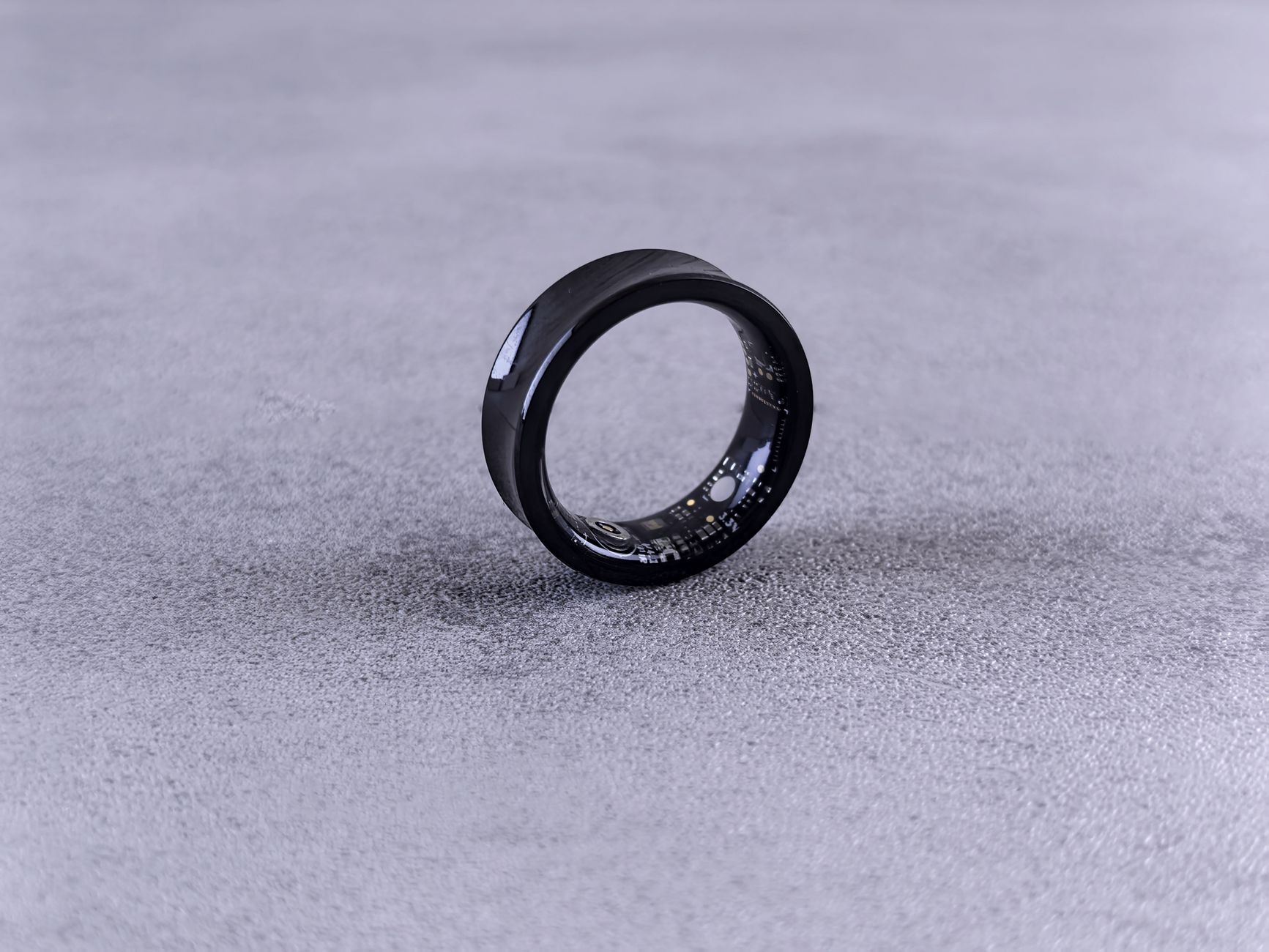
For the average individual, wearable technology offers the most accessible entry point into understanding their circadian rhythm. Smartwatches, fitness trackers, and dedicated sleep monitors like the Oura Ring or Whoop band use accelerometers, heart rate sensors, and sometimes skin temperature to estimate sleep stages, sleep duration, heart rate variability (HRV), and body temperature variations. While not direct measures of the SCN, these metrics provide valuable insights into sleep regularity, quality, and recovery, all of which are downstream indicators of circadian health. Consistent sleep timing and healthy sleep architecture are strong markers of a well-entrained circadian clock.

Future iterations of these devices, potentially integrating light sensors and more advanced physiological biomarkers, could offer even deeper insights into an individual's unique chronotype and circadian phase.

Genetic and Epigenetic Clocks

For a more scientific assessment of biological aging and circadian influence, genetic and epigenetic analyses are emerging as powerful tools. 'Epigenetic clocks,' such as the Horvath clock or the GrimAge clock, analyze patterns of DNA methylation across thousands of genomic sites to estimate an individual's biological age. These clocks have been shown to be more accurate predictors of health span and lifespan than chronological age. Disruptions to circadian rhythms have been directly linked to accelerated epigenetic aging, making these biomarkers crucial for understanding the impact of lifestyle on aging processes.

Genetic testing can also identify variations in core clock genes (e.g., PER3 polymorphisms) that might predispose individuals to certain chronotypes (e.g., morning larks vs. night owls) or greater susceptibility to circadian disruption. While not directly measuring your rhythm's current state, this provides a foundational understanding of your genetic predispositions.

Metabolomics and Hormone Profiling

Advanced diagnostic approaches like metabolomics and hormone profiling offer a deeper, real-time look at circadian function. Metabolomics involves analyzing the complete set of small-molecule metabolites (e.g., sugars, amino acids, lipids) present in a biological sample. Many metabolites exhibit strong circadian rhythms, reflecting the rhythmic activity of metabolic pathways in different organs. Disruptions in these rhythmic patterns can signal circadian misalignment and metabolic dysfunction, which are tightly linked to accelerated aging.

Hormone profiling, particularly for melatonin and cortisol, can directly assess the phase and amplitude of your central clock. Salivary or blood tests taken at multiple time points throughout the day can reveal whether your melatonin production is kicking in at the appropriate time for sleep or if your cortisol awakening response is blunted or exaggerated, indicating circadian dysregulation. These precise measurements are currently more common in research settings but are becoming increasingly accessible in specialized longevity clinics, offering personalized insights into an individual's chronobiology.

Reclaiming Your Rhythm: Practical Strategies for Optimized Longevity

The good news is that while modern life often works against our natural rhythms, we possess considerable agency in realigning our internal clocks. Optimizing your circadian rhythm isn't about rigid adherence to an idealized schedule but about consistent, intentional lifestyle choices that support your body's innate timing mechanisms. This dedication to 'chrono-hygiene' can be a powerful lever for slowing biological aging and enhancing overall health.

The Power of Light: Timing Your Exposure

Light is the most potent zeitgeber (time-giver) for your circadian system. Strategically managing your light exposure is paramount:

  • Morning Light: Aim for 10-30 minutes of natural daylight exposure within an hour of waking up. This signals to your SCN that the day has begun, boosting cortisol naturally and suppressing melatonin. Studies from institutions like the Harvard Medical School have consistently highlighted the importance of morning light for robust circadian entrainment.
  • Daytime Brightness: Maximize exposure to natural light during the day, especially if working indoors. Position your workspace near a window or use full-spectrum daylight lamps.
  • Evening Dimness: As evening approaches, reduce exposure to bright artificial light, especially blue light from screens (phones, tablets, computers, TVs). Blue light is particularly effective at suppressing melatonin production. Consider using blue-light blocking glasses or activating 'night mode' settings on devices a few hours before bedtime.

Strategic Sleep Hygiene and Environment

Sleep is both an outcome and a regulator of your circadian rhythm. Prioritizing consistent, high-quality sleep is non-negotiable for longevity:

  • Consistent Sleep Schedule: Go to bed and wake up at roughly the same time every day, even on weekends. This consistency reinforces your internal clock.
  • Optimal Sleep Environment: Ensure your bedroom is dark, quiet, and cool (ideally 60-67°F or 15-19°C). Blackout curtains, earplugs, and a comfortable mattress can make a significant difference.
  • Pre-Sleep Routine: Establish a relaxing ritual before bed – reading, a warm bath, meditation – to signal to your body that it's time to wind down. Avoid stimulating activities, heavy meals, alcohol, and caffeine close to bedtime.

Chrononutrition: Eating with Your Clock

When you eat is almost as important as what you eat. Our digestive system, liver, and pancreas all have peripheral clocks that are optimized for certain times of day:

  • Time-Restricted Eating (TRE): Consider confining your eating window to 8-12 hours during the daytime. This allows your digestive system a prolonged period of rest and repair, aligning with the natural fasting period of your circadian rhythm. A 2023 review in *Cell Reports* highlighted TRE's potential benefits for metabolic health and longevity biomarkers.
  • Early Dinner: Aim to finish your last meal at least 2-3 hours before bedtime. Eating too close to sleep can disrupt sleep, impair digestion, and interfere with nocturnal repair processes.
  • Balanced Meals: Focus on whole, unprocessed foods. While specific dietary composition isn't strictly circadian, avoiding excessive sugar and refined carbs helps maintain stable blood sugar, which in turn supports stable rhythms.

Exercise Timing and Rest

Physical activity also acts as a potent synchronizer for your internal clock, but timing matters:

  • Morning or Afternoon Exercise: Moderate-to-vigorous exercise earlier in the day or in the late afternoon can positively reinforce circadian rhythms. Early morning exercise can help solidify your wake signal, while afternoon exercise might improve sleep quality.
  • Avoid Late-Night Workouts: Intense exercise too close to bedtime can elevate core body temperature and stimulate adrenaline, making it harder to fall asleep.
  • Prioritize Recovery: Just as important as exercise is adequate rest and recovery. Incorporate mindfulness, stretching, or gentle movement to support overall physiological balance, which in turn supports circadian health.

Circadian Disruption & Aging: A Data Snapshot

The evidence linking circadian disruption to accelerated aging is robust and growing. Here's a comparative look at how different aspects of circadian health can influence markers of biological aging and disease risk:

Aspect of Circadian Rhythm Impact of Disruption on Biological Aging/Health Supporting Evidence/Metric
Sleep Duration (Chronic Deprivation)

Increased biological age by 3-5 years (meta-analysis); higher risk of cognitive decline.

Shorter telomere length; elevated inflammatory markers (e.g., IL-6); increased beta-amyloid plaques (Alzheimer's risk).

Sleep Regularity (Variable Schedule)

Higher all-cause mortality risk; increased metabolic syndrome risk.

Higher epigenetic aging (e.g., GrimAge acceleration); reduced heart rate variability (HRV); impaired glucose tolerance.

Light Exposure (Evening Blue Light)

Suppressed melatonin production; disrupted sleep architecture; impaired cellular repair.

Reduced nocturnal melatonin peaks; increased sleep latency; decreased slow-wave sleep; increased DNA damage (indirectly).

Meal Timing (Late-Night Eating)

Increased risk of obesity, type 2 diabetes, and cardiovascular disease.

Impaired glucose metabolism; altered gut microbiome rhythmicity; increased oxidative stress post-meal.

Shift Work (Chronic Desynchronization)

Increased cancer risk (WHO class 2A carcinogen); accelerated cognitive aging; higher incidence of metabolic disorders.

Elevated inflammatory markers; impaired immune function; increased DNA damage; shortened telomeres; altered gut microbiome.

These data points, drawn from numerous studies including those from the National Institutes of Health and various university research centers, collectively paint a clear picture: maintaining a healthy, synchronized circadian rhythm is not just about feeling good today, but about preserving biological youth and reducing disease risk for years to come.

Our Take: The Future of Chrono-Longevity

As senior editorial writers at biMoola.net, we view the burgeoning field of chrono-longevity not merely as another health trend, but as a fundamental paradigm shift in how we approach health, aging, and performance. The idea that our daily behaviors, dictated by our internal clock, can profoundly influence our biological age is a powerful reminder of our inherent connection to natural cycles.

Our analysis suggests that while the science behind circadian rhythms and aging is complex, the actionable strategies are surprisingly simple and accessible. This democratizes longevity, moving it beyond expensive therapies and making it an achievable goal for anyone willing to cultivate consistent, healthy habits. The synergy between emerging health technologies and established biological principles is particularly exciting. Wearables, once seen primarily as fitness trackers, are evolving into sophisticated circadian monitors, providing personalized insights into an individual's unique chronotype and response to environmental cues. We anticipate a future where AI-driven platforms can analyze light exposure, sleep patterns, meal timing, and even genetic predispositions to offer highly tailored circadian optimization protocols, effectively becoming a 'digital chronobiologist' for each user.

However, we must also acknowledge the challenges. Modern society often prioritizes 24/7 availability and demands that can conflict with optimal circadian alignment. The rise of a 'work-from-anywhere, at-any-time' culture, while offering flexibility, can also further blur the lines between day and night, contributing to chronic circadian disruption. Education, therefore, becomes paramount. It's not enough to simply track data; individuals need to understand the 'why' behind circadian health and be empowered to integrate this knowledge into their daily lives.

The implications extend beyond individual health. In the realm of sustainable living, understanding biological rhythms can inform urban planning (e.g., street lighting design), agricultural practices (e.g., crop yield optimization), and even energy consumption patterns. For productivity, a well-entrained circadian rhythm means higher cognitive function, better decision-making, and reduced burnout. The future of longevity, we believe, lies not in fighting aging as an inevitable enemy, but in harmonizing with our innate biological rhythms to extend health span, enhance resilience, and ultimately, live more vibrant, productive lives aligned with our true nature.

Key Takeaways

  • Your circadian rhythm, a 24-hour biological clock, orchestrates nearly all physiological processes, from sleep and metabolism to hormone release and cellular repair.
  • Chronic disruption of this rhythm, due to factors like inconsistent sleep, artificial light exposure, and irregular meal times, significantly accelerates biological aging by impairing DNA repair, increasing inflammation, fostering oxidative stress, and promoting cellular senescence.
  • Emerging health technologies, including advanced wearables, epigenetic clocks, and metabolomic profiling, are enabling more precise measurement and understanding of individual circadian health and biological age.
  • Optimizing your circadian rhythm through consistent light exposure (bright mornings, dim evenings), strict sleep hygiene, time-restricted eating, and appropriately timed exercise offers powerful, actionable strategies to mitigate biological aging and enhance overall health.
  • The integration of AI and personalized chronobiology promises a future where tailored strategies help individuals align their lives with their internal clocks for greater longevity and vitality.

Frequently Asked Questions

Q: What is the most impactful change I can make to improve my circadian rhythm?

A: The single most impactful change is consistent morning light exposure. Aim for 10-30 minutes of natural daylight within an hour of waking. This powerfully signals to your brain's master clock (SCN) that the day has begun, setting a strong anchor for all subsequent rhythms and helping suppress melatonin production to promote alertness. Consistency in your sleep-wake times, even on weekends, is a close second in importance.

Q: Can my diet affect my circadian rhythm?

A: Absolutely. Your diet, particularly the timing of your meals, significantly impacts your peripheral clocks, especially those in your digestive system and liver. Eating too late in the evening or throughout the night can desynchronize these peripheral clocks from your master brain clock. Practicing time-restricted eating (confining meals to an 8-12 hour window during daylight hours) and finishing your last meal several hours before bedtime can significantly improve circadian alignment and metabolic health, as supported by research from institutions like the Salk Institute.

Q: Are 'morning larks' biologically different from 'night owls'?

A: Yes, 'morning larks' (chronotypes who naturally wake early and feel energetic in the morning) and 'night owls' (chronotypes who prefer late nights and later mornings) have inherent biological differences often rooted in genetic variations of their core clock genes, such as PER3 polymorphisms. While environmental factors and habits can shift one's chronotype to some degree, there is a strong genetic predisposition. Understanding your chronotype can help you align your schedule more effectively, but modern life often pushes 'owls' into 'lark' schedules, leading to chronic circadian misalignment and health risks. For example, a 2018 study in *Chronobiology International* detailed how chronotype mismatch with work schedules leads to increased health complaints.

Q: How quickly can I reset my circadian rhythm if it's been disrupted?

A: The speed of resetting your circadian rhythm depends on the degree of disruption and your individual physiology, but noticeable improvements can often be seen within a few days to a week with consistent effort. For example, adjusting to a new time zone (jet lag) typically takes about one day per time zone shifted. For general lifestyle-induced disruption, consistently implementing strategies like timed light exposure, regular sleep-wake times, and chrononutrition will gradually entrain your SCN and peripheral clocks. The key is consistency and patience, allowing your body's intricate feedback loops to resynchronize over time.

Disclaimer: This article is for informational purposes only and is not intended to provide medical advice, diagnosis, or treatment. Always seek the advice of a qualified healthcare professional for any questions you may have regarding a medical condition or before making any changes to your health regimen.

Editorial Note: This article has been researched, written, and reviewed by the biMoola editorial team. All facts and claims are verified against authoritative sources before publication. Our editorial standards →
B

biMoola Editorial Team

Senior Editorial Staff · biMoola.net

The biMoola editorial team specialises in AI & Productivity, Health Technologies, and Sustainable Living. Our writers hold backgrounds in technology journalism, biomedical research, and environmental science. Meet the team →

Comments (0)

No comments yet. Be the first to comment!

biMoola Assistant
Hello! I am the biMoola Assistant. I can answer your questions about AI, sustainable living, and health technologies.