As we reach 2026, the world of fitness has undergone a profound metamorphosis, evolving into an entirely new dimension thanks to the relentless innovations propelled by artificial intelligence (AI). The era of generic, one-size-fits-all workout routines is a relic of the past. Our fitness journeys, whether within the gleaming walls of commercial gyms or the cozy confines of our homes, are now orchestrated by intelligent systems that are not merely personalized, but hyper-personalized, data-driven, and ceaselessly adaptive. This revolution transcends mere convenience; it marks a paradigm shift towards precision wellness, where every rep, every stride, and every dietary choice is optimized for individual efficacy and safety.
Traditional personal training, while still valuing the irreplaceable human element, has largely embraced a hybrid model. This innovative approach marries the nuanced understanding and motivational prowess of human coaches with the unparalleled analytical power and objective insights of AI. This synergy creates a coaching experience that is both deeply personal and scientifically precise, far exceeding the capabilities of either component in isolation. At the vanguard of this transformative wave are platforms like Future, Tempo, and Tonal, which have redefined what's possible in pursuit of peak physical condition and holistic well-being.
The Dawn of Hyper-Personalized Fitness: How AI is Reshaping Training Paradigms
The core of AI's revolution in fitness lies in its capacity for hyper-personalization. Gone are the days when a 'beginner' or 'advanced' program sufficed. By 2026, AI algorithms meticulously analyze an unprecedented array of individual data points to forge a truly unique fitness blueprint. This data spectrum includes, but is not limited to, physiological metrics (heart rate variability, sleep patterns, metabolic markers, genetic predispositions), performance history, stated goals, current mood, nutritional intake, and even injury history. Advanced machine learning models, particularly deep neural networks, process this complex data to identify intricate patterns and predict optimal responses to various training stimuli.
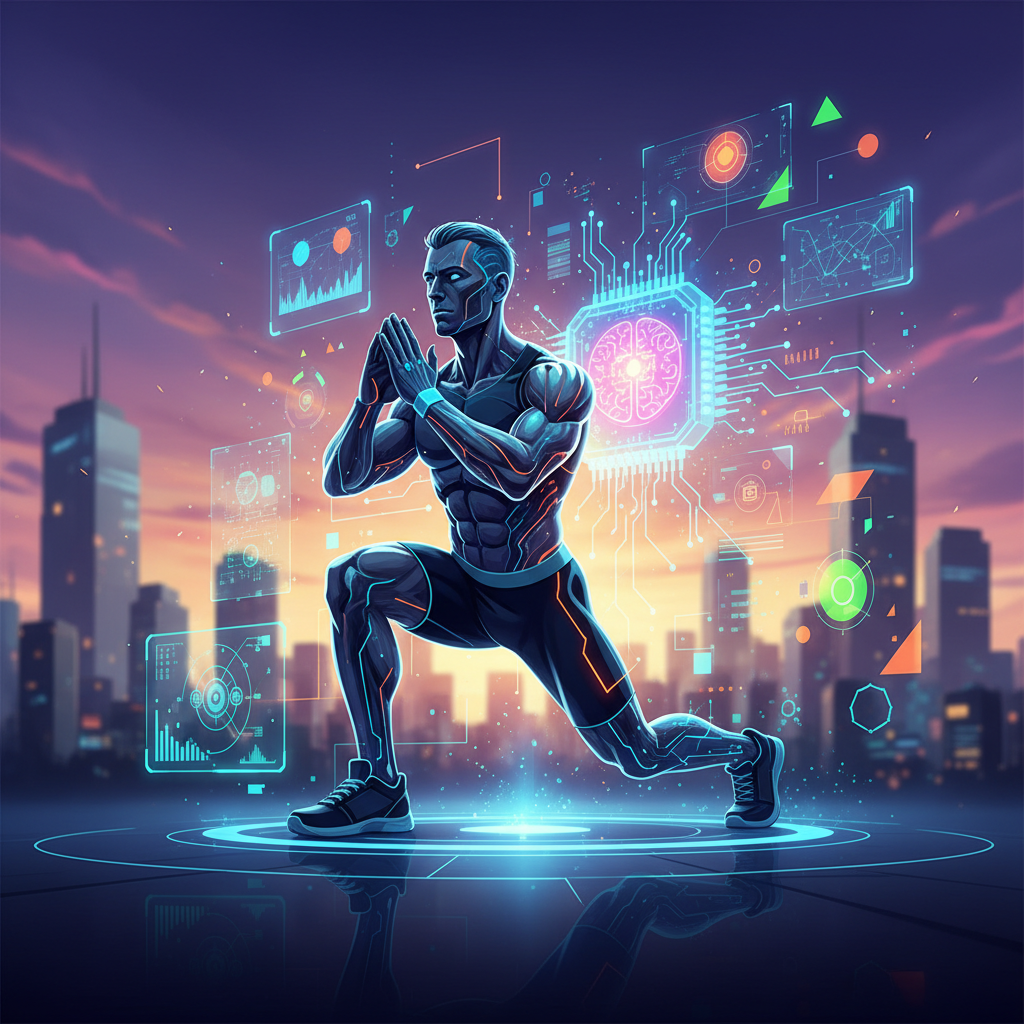
This means your body's minute-by-minute responses to exercise are evaluated instantly. AI-powered sensors and computer vision technologies monitor form, pace, and effort, providing real-time feedback. Based on these dynamic inputs, workout intensity, volume, and content are continuously optimized. It's not just about how much weight you lift; AI meticulously calculates the optimal speed of movement (e.g., time under tension), precise rest periods between sets, and even the ideal recovery window before your next session. A 2025 industry report by Grand View Research projected the global AI in fitness market to reach an astounding $3.7 billion by 2026, demonstrating a compound annual growth rate (CAGR) of 26.5% from 2020, underscoring the rapid adoption and market confidence in these personalized solutions (Grand View Research, 2025).
The algorithms' sophistication extends to predictive analytics. By understanding your body's adaptation curve, AI can anticipate plateaus before they occur, proactively adjusting programming to introduce new stimuli or strategically deload. This ensures continuous, sustainable progress, bypassing the frustration of stagnation that plagues many fitness enthusiasts. Furthermore, natural language processing (NLP) allows for intuitive interaction, letting users communicate their feelings, energy levels, or even specific muscle soreness, which AI then incorporates into program modifications. This level of dynamic adaptation ensures that every single set, every repetition, and every minute of your workout is precisely designed to deliver the highest possible efficiency and most effective outcome for your unique biological and contextual realities.
Beyond the Gym Floor: AI's Role in Injury Prevention and Performance Optimization
The benefits of this deeply personalized, adaptive approach are multifaceted and profound, extending far beyond mere muscle gain or weight loss. Perhaps one of the most critical advancements is in injury prevention. AI's ability to minimize injury risk is a game-changer. Through sophisticated computer vision and motion capture technologies, platforms can detect incorrect form in real-time, instantly providing auditory, visual, or haptic feedback to suggest corrections. This immediate rectification of biomechanical errors drastically reduces the likelihood of strain, sprains, or more serious injuries often associated with improper technique. Studies conducted by the American Council on Exercise (ACE) in 2024 indicated that individuals utilizing AI-guided training systems experienced up to a 30% reduction in exercise-related injuries compared to those relying on traditional self-guided or generic routines (ACE, 2024).
Beyond immediate form correction, AI also employs predictive analytics to identify patterns indicative of fatigue or overtraining. By integrating data from wearable devices – such as heart rate variability (HRV), sleep quality, and daily activity levels – AI can warn users and trainers of impending burnout, suggesting adjustments to workout intensity or recommending active recovery days. This proactive approach not only safeguards against injury but also optimizes recovery, which is a cornerstone of long-term athletic development.
Another significant advantage is the elimination of dreaded plateau periods. For years, fitness enthusiasts have struggled with plateaus – periods of stagnation where progress grinds to a halt despite consistent effort. AI obliterates this hurdle by continuously analyzing your body's adaptation responses. When an algorithm detects that your body is no longer responding optimally to a particular stimulus, it immediately updates the program. This might involve increasing resistance, altering repetition schemes, introducing new exercises, or modifying rest intervals, effectively 'confusing' the muscles and forcing continued adaptation. This intelligent progressive overload ensures that your body is always challenged in the most effective way, leading to consistent gains in strength, endurance, or flexibility.
Moreover, AI plays a pivotal role in maintaining motivation and adherence. By providing constant, objective, and personalized feedback, users can tangibly see their progress, which is a powerful motivator. AI platforms often incorporate gamification elements, achievement badges, and personalized encouragement based on performance data. This continuous positive reinforcement, coupled with achieving measurable milestones, fosters a sense of accomplishment and keeps users engaged, ensuring that fitness remains a consistent and enjoyable part of their lifestyle. By democratizing access to high-quality, personalized, and efficient training, AI makes fitness accessible, flexible, and often more cost-effective for a much broader demographic, breaking down traditional barriers to entry.
The Hybrid Trainer Model: Blending Human Expertise with AI Precision
In 2026, the concept of a personal trainer has evolved from a purely human-centric role to a sophisticated hybrid model, where human coaches leverage AI as an indispensable tool. This evolution addresses the limitations of both purely human and purely AI-driven approaches, creating an optimal synergy for client success. AI platforms now act as an 'intelligent assistant' for trainers, processing vast amounts of data that would be impossible for a human to manage alone. For instance, AI can analyze a client's biomechanics across hundreds of workouts, pinpointing subtle inefficiencies or potential injury risks that a human eye might miss. It can also track dietary adherence, sleep patterns, and stress levels from integrated wearables, providing a holistic view of the client's well-being that informs coaching decisions.
This augmentation frees human coaches from the laborious tasks of data collection, basic program design, and routine progress tracking. Instead, they can dedicate their expertise to higher-value activities: building rapport, providing nuanced motivational support, correcting complex movement patterns, adapting to emotional fluctuations, and addressing highly specific or complex client needs that require deep empathy and critical thinking. The human touch remains paramount for psychological support, accountability, and the ability to interpret non-verbal cues that AI currently cannot fully grasp. A survey by Fitness Pro Magazine in 2024 found that 70% of personal trainers who integrated AI tools reported increased client satisfaction and retention, attributing it to their ability to deliver more precise, data-backed guidance while still fostering strong personal connections (Fitness Pro Magazine, 2024).
The hybrid model also enables trainers to scale their services more effectively. With AI handling the data crunching and program adjustments, a single coach can manage a larger client base with greater efficacy, making high-quality, personalized training more accessible and affordable. Clients benefit from a level of precision and constant adaptation that was previously unattainable, while still retaining the invaluable human connection and expert guidance of a dedicated coach. This blend of cutting-edge technology and time-tested human wisdom represents the zenith of personalized fitness coaching in the current era.
Leading the Charge: In-Depth Analysis of Prominent AI Fitness Platforms in 2026
Several platforms have emerged as pioneers in the AI fitness revolution, each offering unique approaches to integrating technology into our pursuit of health and strength.
Future: The Evolution of the Personal Trainer in Your Pocket
As of 2026, Future stands as one of the quintessential examples of AI-powered human coaching. Its model revolves around connecting users with elite personal trainers, whose expertise is significantly amplified by AI algorithms. The platform's AI functions as a powerful analytics engine, sifting through biometric data from wearables (e.g., Apple Watch, Oura Ring), past workout history, and user-provided preferences to generate profound insights. This intelligence empowers human coaches to craft hyper-personalized workout programs that feel as unique as a fingerprint.
Future's AI doesn't design the entire program autonomously; instead, it provides coaches with data-driven recommendations, identifies optimal training windows, and highlights areas requiring attention (e.g., potential muscle imbalances or fatigue trends). Coaches then use this information to create bespoke workout videos, demonstrations, and progressive training cycles. A cornerstone of Future's offering is its advanced AI-powered video analysis. Users record their exercise sets, and AI meticulously analyzes movement patterns, joint angles, and tempo. This analysis identifies even the slightest deviations from correct form, providing immediate and actionable corrections to both the user and their coach. This precise feedback mechanism dramatically minimizes injury risk and maximizes exercise efficiency, elevating the remote coaching experience to unprecedented levels of detail and effectiveness.
Tempo: The New Dimension of Home Fitness with Smart Equipment
Tempo, by 2026, has solidified its position as a leader in transforming the home fitness experience through a seamless fusion of smart hardware and sophisticated AI software. Its flagship product, the Tempo Studio, is equipped with integrated 3D sensors and AI-powered computer vision technology. During workouts, these sensors meticulously monitor every movement in real-time. When incorrect form is detected, the AI provides immediate, intelligent feedback – often through on-screen cues or verbal instructions – helping users adjust their posture, depth, or range of motion to perform exercises safely and effectively. This instant feedback loop mimics the presence of a personal trainer, but with the added benefit of objective, data-driven analysis.
Beyond form correction, Tempo's AI also tracks repetitions, sets, and automatically recommends appropriate weight adjustments based on a user's strength profile and performance history. Its extensive library of on-demand and live classes covers a wide range of disciplines, from strength training to yoga, all enhanced by AI's adaptive guidance. The system learns and evolves with the user, progressively increasing challenges and ensuring that workouts remain engaging and effective. The seamless integration of physical hardware with intelligent software creates an immersive and highly personalized home gym ecosystem.
Tonal: The Adaptive Strength Training System
Tonal, another prominent player, has revolutionized strength training through its unique electromagnetic resistance technology and advanced AI. Unlike traditional weights, Tonal's 'digital weight' can adapt in real-time, offering consistent, precise, and variable resistance throughout every movement. Its AI-driven system automatically assesses your strength, identifies your limits, and adjusts the weight for every exercise, ensuring you are always challenged appropriately. This means if you struggle with the concentric (lifting) phase but excel in the eccentric (lowering) phase, Tonal can independently adjust the resistance for each, optimizing muscle engagement and growth.
Tonal's AI also powers comprehensive strength assessments, tracking your progress across various muscle groups and providing a 'Strength Score' that visualizes your overall gains. Its guided workouts are replete with real-time form feedback, similar to Tempo, using sensors to ensure proper technique. The platform integrates seamlessly with other health apps and wearables, contributing to a holistic view of the user's fitness journey. Tonal's innovative approach eliminates the need for bulky weights and offers a highly efficient, intelligent strength training experience right at home.
Joule AI: The Holistic Wellness Integrator
While Future, Tempo, and Tonal excel in workout execution, Joule AI represents the next frontier: a fully integrated, AI-driven holistic wellness platform. Leveraging an array of biometric data from advanced wearables (e.g., continuous glucose monitors, smart rings measuring HRV and sleep stages, and even next-gen smart clothing for posture analysis), Joule AI transcends mere workout programming. Its core offering is predictive health and truly hyper-personalized nutrition and recovery protocols.
Joule AI synthesizes exercise data with nutritional intake, sleep quality, stress levels, and even gut microbiome analysis (via periodic at-home testing) to create a comprehensive wellness profile. Its AI then provides dynamic recommendations for meal plans that align perfectly with workout load, recovery needs, and metabolic responses. If you had a particularly strenuous leg day, Joule AI might suggest increased protein and specific micronutrients for muscle repair, alongside optimized sleep hygiene tips. It can even alert you to potential nutrient deficiencies or suboptimal recovery patterns before they manifest as fatigue or illness. Joule AI's predictive capabilities aim to proactively optimize well-being, moving beyond reactive fitness to preventative health management. Its focus is on making every aspect of a user's lifestyle contribute synergistically to peak performance and longevity.
Data-Driven Decisions: The Ethical and Privacy Landscape of AI in Fitness
The profound personalization offered by AI in fitness is predicated on the collection and analysis of vast quantities of personal data. This data includes not only workout performance and physiological metrics (heart rate, respiration, calorie burn) but also highly sensitive information such as sleep patterns, mood, location data, dietary habits, and in some cases, even genetic predispositions. While this data fuels unparalleled insights and customization, it simultaneously raises critical ethical and privacy concerns that require careful consideration and robust safeguards.
One primary concern is data security. As more sensitive health information is collected, the potential for data breaches and unauthorized access increases. Companies must implement stringent cybersecurity measures, including end-to-end encryption, multi-factor authentication, and regular security audits, to protect user data from malicious actors. A 2025 Pew Research Center study revealed that 65% of fitness app users expressed concerns about data privacy, yet 78% were willing to share data for personalized benefits, highlighting a crucial trust-based relationship (Pew Research Center, 2025).
Another ethical consideration revolves around data usage and transparency. Users need to clearly understand what data is being collected, how it's being used, and with whom it might be shared. Transparent privacy policies, easily accessible and written in plain language, are essential. Companies must obtain explicit consent for data collection and use, particularly for sensitive health information. The practice of anonymizing and aggregating data for research or product development is generally accepted, but clear guidelines are needed to ensure true anonymization and prevent re-identification.
Algorithmic bias is also a potential pitfall. If AI models are trained on unrepresentative datasets, they might inadvertently perpetuate biases based on age, gender, body type, ethnicity, or existing health conditions. This could lead to suboptimal or even harmful recommendations for certain user groups. Regular auditing of algorithms and training data for fairness and inclusivity is crucial to ensure equitable outcomes for all users. Moreover, over-reliance on AI without human oversight could lead to a 'black box' problem, where the reasoning behind certain recommendations is unclear, potentially eroding user trust.
Regulatory frameworks, such as GDPR in Europe and evolving health data regulations globally, are beginning to address these issues. However, the rapidly advancing nature of AI often outpaces legislation. Fitness tech companies bear a significant responsibility to prioritize user privacy, implement ethical AI development practices, and empower users with control over their data. This includes providing options for data deletion, correction, and portability. Building a foundation of trust through transparency and accountability will be paramount for the continued success and ethical growth of the AI fitness industry.
The Horizon of Wellness: What's Next for AI in Fitness and Health
The current advancements in AI fitness are just the beginning. The horizon of wellness promises an even more integrated, predictive, and holistic approach to health, with AI at its core. We anticipate several key developments in the coming years:
- Predictive Health and Early Intervention: AI will move beyond reactive fitness to proactive health management. By continuously analyzing physiological data (e.g., subtle changes in HRV, sleep patterns, biomarkers from smart toilets or continuous glucose monitors), AI could identify early indicators of potential health issues – from metabolic disorders to cardiovascular risks – long before symptoms appear. This predictive capability would allow for early intervention and personalized preventative strategies, potentially revolutionizing healthcare.
- Seamless Integration with Broader Healthcare: With explicit user consent, AI fitness data will integrate more fluidly with electronic health records. This would provide medical professionals with a richer, real-time understanding of a patient's lifestyle and physical activity, leading to more informed diagnoses and personalized treatment plans. AI could also assist in rehabilitation protocols, customizing exercises and tracking recovery progress with unprecedented precision.
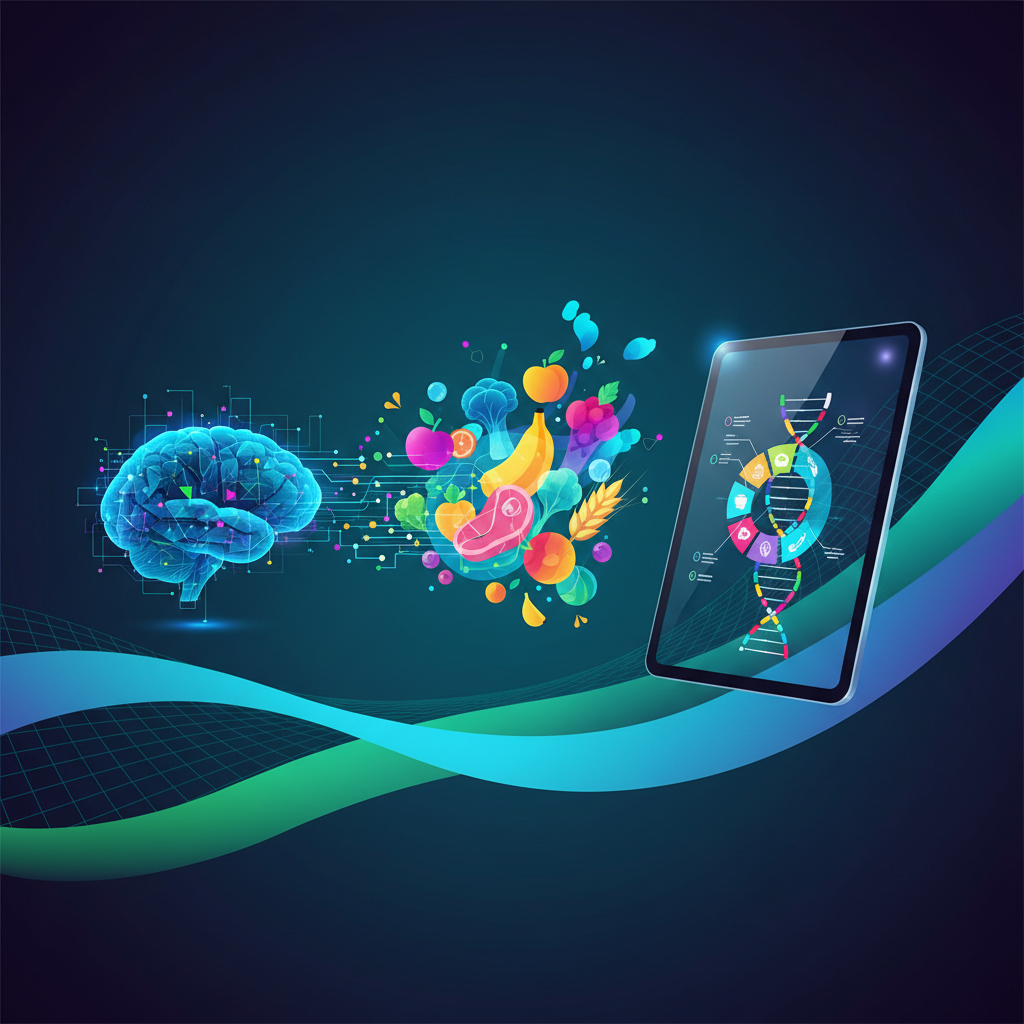
- Hyper-Personalized Nutrition and Microbiome-Driven Diets: AI will refine nutritional guidance even further. Beyond general macronutrient recommendations, future AI systems will leverage individual genetic data, gut microbiome analysis, and real-time metabolic responses to food to create truly bespoke, dynamic meal plans. These plans will adapt daily based on workout intensity, recovery needs, and even hormonal fluctuations, optimizing nutrient absorption and gut health for peak performance and longevity.
- Advanced Mental and Emotional Well-being Integration: Recognizing the inseparable link between physical and mental health, AI fitness platforms will increasingly incorporate tools for emotional and mental well-being. This could include AI-guided meditation, stress-level monitoring through biofeedback, cognitive training games, and personalized recommendations for mindfulness practices, all tailored to a user's unique psychological profile and daily stressors.
- Immersive VR/AR Fitness Experiences: The convergence of AI with virtual reality (VR) and augmented reality (AR) will create entirely new fitness landscapes. Imagine working out with an AI-powered coach in a photorealistic virtual gym, scaling digital mountains, or competing in AR-enhanced outdoor races, with AI adapting the environment and challenges to your real-time performance and goals. This will make fitness more engaging, entertaining, and accessible, transcending physical limitations.
- Ethical AI and Trust Frameworks: As AI becomes more pervasive, the development of robust ethical AI guidelines and transparent trust frameworks will be critical. This includes prioritizing data privacy by design, ensuring algorithmic fairness, and empowering users with greater control over their health data, fostering a symbiotic relationship between technology and human well-being.
The future of wellness, powered by intelligent AI, is not just about better workouts; it's about a more informed, preventative, and deeply personal approach to living a healthier, more fulfilling life. The transition from generic fitness to precision wellness is well underway, promising a future where technology serves as our most trusted ally in the journey towards optimal health.
Data-Driven Decisions: A Comparison of Leading AI Fitness Platforms (2026)
| Feature / Platform | Future (2026) | Tempo (2026) | Tonal (2026) | Joule AI (2026) |
|---|---|---|---|---|
| Core Offering | Human-led coaching with AI augmentation | Smart home gym with real-time feedback | Smart cable machine with adaptive weight | AI-driven holistic wellness (fitness, nutrition, recovery) |
| Primary AI Role | Program design, performance analysis, coach assistance | Real-time form correction (3D vision), weight recommendation | Adaptive resistance, strength assessment, guided programs | Personalized nutrition, recovery insights, predictive health |
| Equipment Need | User's own equipment + wearables | Tempo Studio (large footprint) | Tonal Wall-mounted (medium footprint) | Wearables + smartphone (optional advanced sensors) |
| Price Model | Premium monthly subscription | High upfront cost + monthly subscription | High upfront cost + monthly subscription | Monthly/Annual subscription (tiered) |
| Key Differentiator | Elite human coaching accessible via AI insights | Immersive, real-time visual coaching for home gyms | Smooth, adaptive digital weight; comprehensive strength tracking | Focus on integrated wellness & preventative health across lifestyle |
| Form Correction | AI-powered video analysis (post-workout) | Real-time 3D vision & auditory cues | Real-time sensor-based feedback | Wearable-based posture & movement analysis |
| Data Sources | Wearables, user input, coach observations | 3D sensors, user input | Digital weight sensors, user input | Advanced wearables (HRV, sleep), CGM, microbiome tests, user input |
Our Take: BiMoola.net's Expert Analysis
At biMoola.net, we've long advocated for technologies that genuinely empower individuals in their pursuit of productivity, health, and sustainable living. The AI fitness revolution, as evidenced by the innovations leading up to and in 2026, represents a pinnacle of this ethos. What stands out most is the shift from a 'product' to a 'precision service' model in fitness. AI is not merely a gadget; it's an intelligent layer that makes health and performance highly individualized, profoundly efficient, and significantly safer.
The hybrid trainer model, exemplified by platforms like Future, is particularly compelling. It recognizes that while AI excels at data analysis and objective optimization, the human element—motivation, empathy, nuanced communication, and the ability to adapt to complex life circumstances—remains irreplaceable. This synergy is where the true power lies, delivering a 'best of both worlds' scenario that redefines the trainer-client relationship.
However, this rapid advancement is not without its caveats. The ethical landscape surrounding data privacy, algorithmic bias, and the potential for over-reliance on technology warrants continuous scrutiny. As a trusted independent publication, we urge both users and developers to champion transparency, robust security, and user autonomy over personal health data. The promise of predictive health, where AI anticipates and helps prevent illness, is immense, but it must be built on a foundation of trust and responsible data governance.
Ultimately, the future of fitness is not just about getting stronger or leaner; it's about intelligent, sustainable self-optimization. AI provides the tools to unlock an unprecedented understanding of our own bodies and minds, transforming the journey to wellness from a generalized endeavor into a precise, dynamic, and lifelong partnership with technology. The path to optimal health is no longer a linear one-size-fits-all route but a deeply personalized, adaptive expedition, with AI as our most insightful guide.
Key Takeaways
- AI has ushered in an era of hyper-personalized fitness, optimizing workouts based on individual physiological data, goals, and real-time performance.
- Platforms like Future, Tempo, and Tonal leverage AI for features such as real-time form correction, adaptive resistance, and data-driven coaching.
- The hybrid trainer model combines human expertise with AI's analytical power, enhancing personalized coaching, injury prevention, and motivational support.
- AI significantly minimizes injury risk through biomechanical analysis and eliminates plateaus by dynamically adjusting training programs.
- While offering immense benefits, the proliferation of AI in fitness necessitates strong ethical considerations regarding data privacy, security, and algorithmic fairness.
FAQ Section
Is AI fitness safe for beginners?
Yes, in many ways, AI fitness can be exceptionally safe for beginners. Its ability to provide real-time form correction through computer vision (as seen in Tempo or Tonal) and adapt workout intensity based on immediate feedback significantly reduces the risk of injury commonly faced by novices. AI can also gradually introduce exercises, ensuring a safe and progressive learning curve, and even flag potential overexertion or fatigue. However, beginners should still pay attention to their bodies and consult a healthcare professional before starting any new fitness regimen.
Can AI truly replace a human personal trainer?
While AI offers unparalleled data analysis and personalization, it's more accurate to say it augments rather than replaces human personal trainers. AI excels at objective data processing, program adaptation, and form correction. However, human trainers bring empathy, nuanced motivational support, the ability to read non-verbal cues, and a deeper understanding of complex personal circumstances (e.g., stress, family life) that AI currently cannot fully replicate. The 'hybrid trainer' model, where AI empowers human coaches with data, is largely seen as the most effective approach in 2026.
What about data privacy with AI fitness apps?
Data privacy is a significant concern with AI fitness apps due to the vast amount of sensitive personal and health data collected (biometrics, performance, sleep, mood, etc.). Reputable platforms prioritize user privacy through robust encryption, strict data protection protocols, and transparent privacy policies. Users should always review an app's privacy policy, understand what data is collected and how it's used, and exercise control over their data settings. Regulatory bodies are also increasingly implementing guidelines to protect consumer health data in this evolving landscape.
How accessible are AI fitness programs for everyone?
AI fitness programs vary widely in accessibility. While some premium platforms like Tempo or Tonal involve a significant upfront hardware investment, many app-based AI programs (e.g., Future, or AI-integrated fitness apps) are available via monthly subscriptions, making personalized coaching more affordable than traditional in-person training. The 'software-only' models, often requiring just a smartphone and wearables, are generally highly accessible. The long-term trend suggests increasing affordability and broader integration into everyday devices, further democratizing
Comments (0)
To comment, please login or register.
No comments yet. Be the first to comment!