Nutrition & Fitness

AI-Powered Nutrition: Personalized Diet Plans

AI-Powered Nutrition: Personalized Diet Plans

A New Compass for Those Lost in the Diet Labyrinth: Artificial Intelligence

We've all been there, haven't we? Waking up to a new diet trend every day, getting tired of counting calories, yet still not finding the most suitable nutrition plan for ourselves... This long-standing nutritional enigma took on a whole new dimension in 2026 with Artificial Intelligence (AI)-powered nutrition solutions. Nutrition is no longer based on assumptions and general advice, but has transformed into a highly personalized, scientifically data-driven optimization process.

If you're asking questions like, "Which foods are truly good for me? Why does this diet work wonders for my neighbor but not for me?", then you're in the right place. In this blog post, we will delve into how we can personalize our eating habits with the latest AI technologies of 2026, the role of microbiome tests in this revolution, and how we can improve our quality of life. Come, let's step into the future of nutrition together!

Nutrition Analysis in 2026: Far Beyond Just Calorie Counting

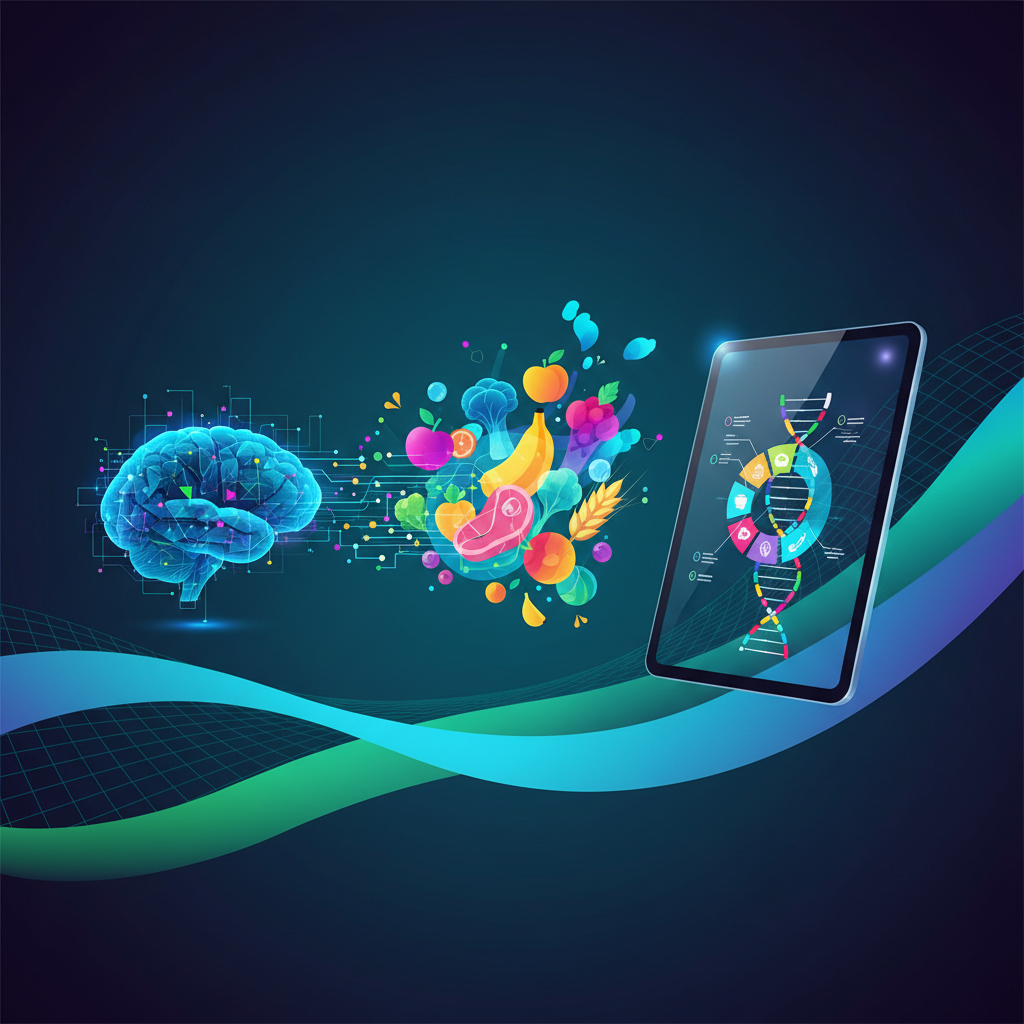
As of 2026, when you work with a nutritionist or an AI-powered platform, the analyses provided to you are no longer limited to just your age, weight, and height. Now, much more in-depth, personal data sets are being processed. What are these? Your real-time activity and sleep data from wearable tech products (smartwatches, rings, etc.), your blood test results, genetic predisposition analyses, and most importantly, a detailed map of your gut microbiome.

Artificial intelligence algorithms process this massive dataset in seconds, determining with millimeter precision how your body reacts to nutrients, which vitamins and minerals you need more of, which foods might cause inflammation, or how they affect your energy levels. Thanks to this, you can now receive personalized nutrition recommendations not only for losing weight but also for boosting your energy levels, increasing your focus, improving your sleep quality, and even managing your risks for certain chronic diseases.

The Microbiome Revolution and the Foundation of Personalized Diet

One of the most exciting scientific discoveries of the last decade has been the profound effects of the gut microbiome on human health. In 2026, microbiome tests have become an indispensable part of personalized nutrition plans. DNA sequencing data obtained from your saliva or stool samples creates a unique map of the bacterial population in your intestines.

  • Which Bacteria Are Missing? AI detects imbalances of beneficial or harmful bacteria in your microbiome.
  • Which Foods Are Good for You? The effects of certain foods (e.g., high-fiber foods, fermented foods) on your gut flora are predicted.
  • Personalized Probiotic/Prebiotic Recommendations: Instead of general probiotic use, you can receive supplementation recommendations specifically formulated for you.

For instance, an AI system might determine that bacterium X in your microbiome can process certain carbohydrates more efficiently, or that bacterium Y has an inflammation-increasing effect. Accordingly, your diet plan will recommend increasing foods that support bacterium X, while suggesting foods to reduce the activity of bacterium Y or avoid them altogether. This is the key to truly personalized optimization in nutrition.

How Does Artificial Intelligence Work? From Data to Plan

So, how does all this data come together to form a personalized diet plan for you? The process typically involves these steps:

  1. Data Collection: Comprehensive data collection through smart devices (smart scales, glucose monitors, heart rate sensors), laboratory tests (blood, urine, microbiome), genetic tests, and lifestyle questionnaires.
  2. AI Analysis: Advanced machine learning algorithms integrate this heterogeneous data and analyze complex relationships, patterns, and correlations between them. For example, it identifies the relationship between the consumption of a specific food group and an increase in your blood sugar levels or a deterioration in your sleep quality.
  3. Creation of an Individualized Model: AI creates a "digital twin" specific to your physiology and lifestyle. This model can simulate how your body will react to different nutrients.
  4. Optimization and Recommendation: The most effective food combinations, portion sizes, and meal timings are recommended to achieve your defined health goals (weight loss, muscle gain, energy boost, etc.). These recommendations are continuously updated with your feedback and new data.

“In 2026, nutrition is no longer a trial-and-error process; it has transformed into a dynamic optimization engineering based on scientific data.”

Real-Life Applications and Success Stories (2026 Scenarios)

Let's look at a few examples of AI-powered nutrition's reflections in our daily lives:

  • Ayşe's FODMAP Issue: Ayşe, 35, suffered from continuous digestive problems. An AI nutrition application analyzed her microbiome test and food diary data, revealing a deficiency of certain bacterial species in Ayşe's gut that couldn't process FODMAPs (fermentable carbohydrates). The application recommended a low-FODMAP diet to Ayşe, and her digestive issues significantly decreased within weeks.
  • Mehmet's Energy Optimization: Mehmet, 42, constantly felt tired due to a demanding work schedule. His smartwatch and blood test data were uploaded to an AI platform. The artificial intelligence determined that the carbohydrates Mehmet consumed for lunch caused a rapid rise and subsequent fall in his blood sugar, correlating with his afternoon energy dips. The application advised Mehmet to balance complex carbohydrates with protein and healthy fats at lunch. As a result, Mehmet achieved more stable energy levels throughout the day.

Scenarios like these demonstrate how AI has revolutionized nutritional coaching by 2026. You no longer have a generic diet list, but rather a personalized, living, and adaptable nutritional guide at your fingertips.

Steps to Create a Personalized Diet Plan for You

So, what should you do to become a part of this revolution? Here are practical recommendations for 2026:

  1. Choose a Reliable Platform: Many AI-powered nutrition applications are available on the market. Do your research, read user reviews, and prefer platforms with strong scientific backing and transparency regarding data security. Some offer genetic or microbiome test integration, while others only work with wearable technologies.
  2. Upload Your Initial Data: Enter all required data completely (age, gender, weight, height, activity level, allergies). If possible, also upload your latest blood test results and genetic test data.
  3. Get a Microbiome Test: If your platform supports it, don't hesitate to get a microbiome test. This is a vital step for the most personalized recommendations.
  4. Define Your Goals: Clearly state your goals, such as weight loss, muscle gain, energy increase, or managing a specific health issue. AI will optimize your plan according to these goals.
  5. Tracking and Feedback: Regularly input the data requested by the application (consumed foods, activity, sleep). AI will continuously update your plan with this data. Don't forget to report how a specific food makes you feel!

Kitchens of the Future: Smart Devices and AI Nutrition Integration

In 2026, AI-powered nutrition has also jumped into our kitchens. Smart refrigerators, synchronized with your AI-powered nutrition platform, can automatically generate lists of missing ingredients suitable for your diet plan or suggest recipes to utilize products nearing their expiration date. Smart ovens and cooktops can adjust cooking times and temperatures according to recipe instructions for you. This integration makes healthy eating more practical and accessible than ever before.

Ethical Dimensions and Security of AI-Powered Nutrition

Naturally, in an area where such personal data is processed, ethical and security issues are of great importance. As of 2026, regulations in this field have become even stricter. How user data is transparently used, whether it's shared with third parties, and cybersecurity measures have become key factors to consider when choosing an AI nutrition platform. Furthermore, it is vital that AI-provided recommendations are always supported by a nutritionist or dietitian, especially for individuals with chronic health problems. Artificial intelligence is a tool; it does not replace a doctor or dietitian, but it makes their work much more efficient.

Why You Should Start Now? A Health Investment for 2026 and Beyond

We no longer have the luxury of wasting time with generic diet advice. In 2026, with the opportunities offered by science and technology, we have the chance to understand and nourish our bodies in the best possible way. AI-powered personalized diet plans will not only help you adopt a healthy lifestyle but also boost your energy levels, improve your cognitive functions, and optimize your overall quality of life.

The best investment you can make in your health is to discover what is unique to you. Are you ready to turn a new page in your nutritional journey, powered by artificial intelligence? The future already knows the most suitable nutrition plan for you; it's just waiting for you to discover it.

Comments (0)

No comments yet. Be the first to comment!

biMoola Assistant
Hello! I am the biMoola Assistant. I can answer your questions about AI, sustainable living, and health technologies.