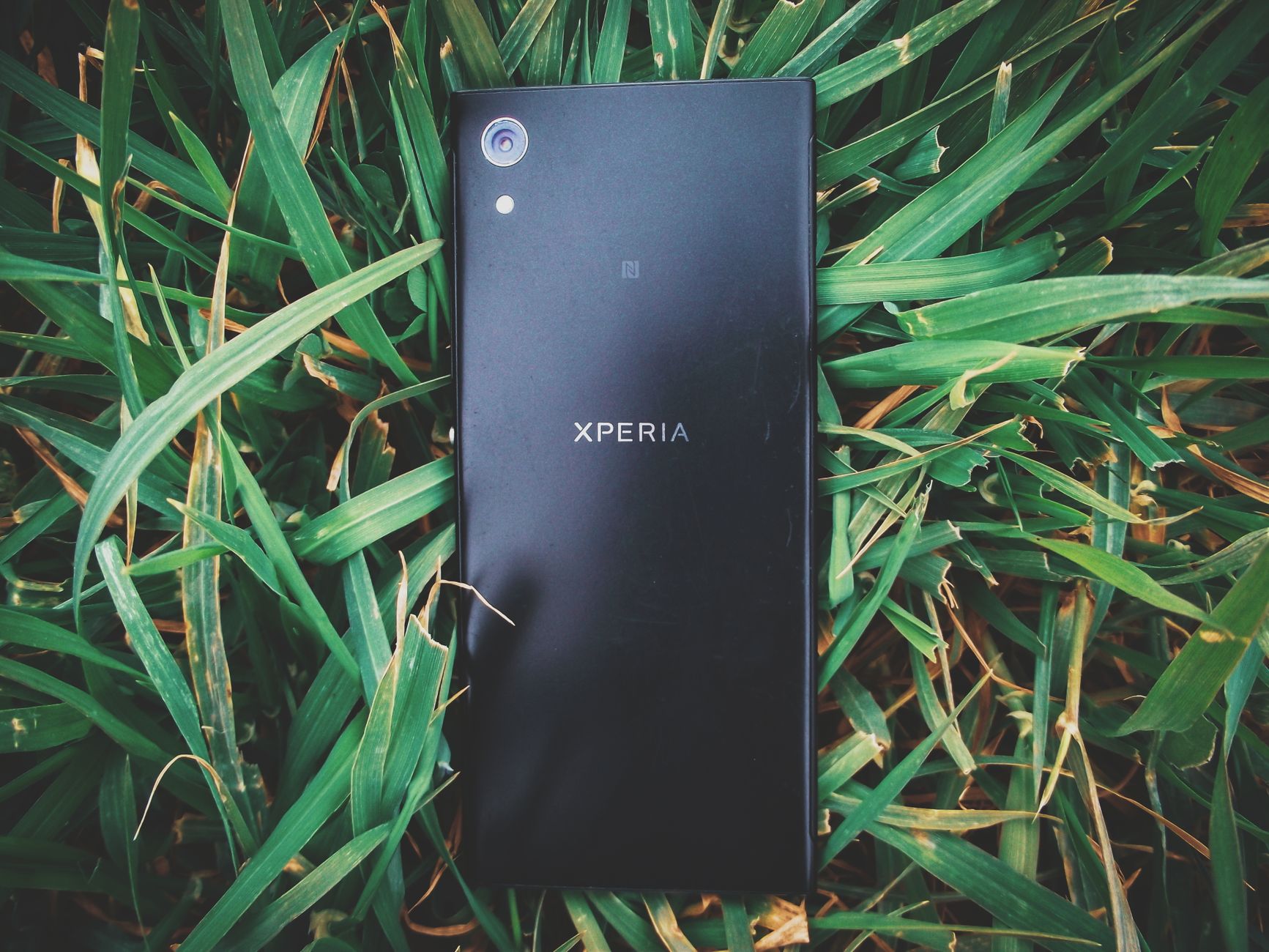
The smartphone landscape is a perpetual battleground of innovation, speculation, and leaks. For those of us tracking the intersection of artificial intelligence, cutting-edge productivity tools, and the devices that enable them, a recent series of rendered images for Sony's forthcoming flagship, the Xperia 1 VIII, offers a tantalizing preview. Sourced by MyMobiles and reportedly based on final CAD data used by Sony's suppliers, these visuals aren't just aesthetic revelations; they hint at Sony's continued commitment to a niche market of prosumers and creators, potentially deepening its integration of AI to redefine mobile productivity.
At biMoola.net, we view these leaks not merely as product announcements but as insights into technological trajectories. The Xperia 1 VIII isn't just another smartphone; it's a statement about where Sony believes the future of mobile content creation and intelligent device interaction lies. This in-depth analysis will dissect the leaked design, speculate on its hardware capabilities, explore the potential AI enhancements for photography and daily tasks, and contextualize Sony's unique position in a market often dominated by broader appeal. Prepare to learn what this next-generation Xperia could mean for your workflow, creative output, and interaction with AI on the go.
A Deep Dive into the Design and Ergonomics
Sony's Xperia line has long stood apart with its distinctive design philosophy, often prioritizing a cinematic aspect ratio and a flat, utilitarian aesthetic over curved displays or punch-hole cameras. The leaked renders of the Xperia 1 VIII suggest a refined continuation of this tradition, rather than a radical overhaul. This incremental evolution speaks volumes about Sony's confidence in its established ergonomic principles and its target demographic.
Visual Continuity and Functional Aesthetics
From the visuals, the Xperia 1 VIII appears to retain the familiar elongated 21:9 aspect ratio, a hallmark feature that offers an expansive viewing experience for widescreen content and improved split-screen multitasking. This isn't merely an aesthetic choice; it’s a design decision rooted in productivity, allowing users to comfortably view more content vertically or run two apps side-by-side with greater screen real estate. The bezels, while possibly slightly thinner than its predecessor, remain symmetrical, a design preference for many who find uneven bezels distracting during media consumption or professional use cases. This approach contrasts sharply with the industry trend of maximizing screen-to-body ratio through notches or punch-holes, reinforcing Sony's dedication to an uninterrupted viewing canvas, likely still housing a discreet front-facing camera within the top bezel.
Tactile Feedback and Creator-Centric Controls
A notable feature that appears to persist is the dedicated physical camera shutter button. In an era where most manufacturers rely solely on touch-screen controls, Sony's unwavering commitment to a two-stage shutter button is a nod to its photography heritage and appeals directly to content creators who demand tactile precision. This physical button offers a more intuitive and stable shooting experience, akin to a traditional camera. Alongside this, the fingerprint scanner is expected to remain integrated into the power button on the side, a placement many users find ergonomic and reliable. The overall dimensions, while not explicitly detailed in the leaks, seem to maintain a comfortable, grip-friendly form factor, essential for extended periods of content creation or professional use. This design, while perhaps not 'flashy' in the conventional sense, underscores Sony's pragmatic approach: design that serves function, especially for those pushing the boundaries of mobile productivity and creative output.
The Imaging Powerhouse: A Creator's Dream Evolved
Sony's reputation in imaging is unparalleled, not just in its own smartphones, but as a supplier of camera sensors to much of the industry. The Xperia 1 series has consistently aimed to bring professional-grade camera experiences to a mobile form factor. The Xperia 1 VIII is poised to further this legacy, with significant advancements expected in both hardware and, crucially, computational photography driven by AI.
Next-Gen Sensors and Zeiss Optics
While specific sensor details are yet to be confirmed, we anticipate the Xperia 1 VIII will incorporate Sony's latest Exmor T mobile sensor technology. The Exmor T for mobile, as seen in previous iterations, uses a unique 2-layer transistor pixel architecture that significantly improves low-light performance and dynamic range. This is critical for professionals shooting in diverse conditions. Paired with Zeiss Optics, known for their superior clarity and minimal distortion, the Xperia 1 VIII's triple-lens camera array (likely featuring wide, ultrawide, and a variable telephoto lens) promises exceptional optical quality. The variable telephoto lens, a Sony innovation first introduced in the Xperia 1 III, allows for true optical zoom at multiple focal lengths without digital interpolation, an invaluable tool for cinematic video and detailed photography.
AI-Driven Computational Photography and Video
The true leap, however, will come from the integration of AI. Modern smartphone cameras rely heavily on computational photography to achieve their stunning results, and Sony, with its deep expertise in both hardware and software, is uniquely positioned here. We can expect advanced AI algorithms to power features such as:
- Real-time Object Tracking Autofocus: Leveraging AI for faster, more accurate subject detection and tracking, whether it's a fast-moving athlete or a subtle facial expression. This is a direct inheritance from Sony's Alpha mirrorless cameras, optimized for mobile.
- AI-Enhanced Dynamic Range: Beyond traditional HDR, AI can intelligently merge multiple exposures, scene recognize, and apply localized tone mapping to create images with incredible detail in both highlights and shadows, mimicking professional-grade RAW editing.
- Advanced Noise Reduction: AI models trained on vast datasets can effectively differentiate between image noise and fine detail, leading to cleaner images in low light without sacrificing texture.
- Intelligent Video Stabilization: Combining optical image stabilization (OIS) with AI-powered electronic stabilization (EIS) for gimbal-like smoothness in 4K/120fps video recording, a feature increasingly demanded by mobile videographers.
- Semantic Segmentation for Creative Control: AI could allow for more precise background blurring (bokeh) that accurately differentiates subjects from their surroundings, and even enable real-time style transfers or selective adjustments to parts of an image or video based on AI's understanding of the scene.
These AI advancements move beyond simple filters, providing robust, professional-grade tools that directly enhance a creator's ability to produce high-quality content directly from their phone, thus significantly boosting their productivity.
Under the Hood: AI-Driven Performance and Productivity
A flagship smartphone’s ability to deliver seamless productivity and powerful AI experiences fundamentally rests on its core processing capabilities. The Xperia 1 VIII, as Sony's premium offering, will undoubtedly feature the latest and greatest silicon, translating directly into tangible benefits for its users.
The Heartbeat: Snapdragon and NPU Power
Industry trends and Sony's history suggest the Xperia 1 VIII will be powered by Qualcomm's latest flagship SoC, likely the Snapdragon 8 Gen 3 or, if timing permits, a variant of the forthcoming Snapdragon 8 Gen 4. These chipsets are not just about raw CPU and GPU power; their standout feature is the integrated Neural Processing Unit (NPU). The NPU is specifically designed to accelerate AI and machine learning tasks, making on-device AI faster, more efficient, and more private. A 2023 report by Counterpoint Research highlighted a 50% year-on-year increase in NPU performance for flagship mobile processors, indicating a rapid evolution in AI capabilities directly on the device.
Implications for Multitasking and App Optimization
For the productivity-focused user, this means several things. First, incredibly smooth multitasking. The Xperia's 21:9 screen is already ideal for split-screen apps, and with abundant RAM (likely 12GB or 16GB) combined with a powerful SoC, users can run demanding applications simultaneously without a hitch. Imagine editing a 4K video while referencing research notes, or live-streaming with multiple camera feeds – all handled by the device's robust processing power.
Second, AI optimizations will permeate the entire user experience. From predictive text that genuinely understands context to smart battery management that learns usage patterns, and from instant language translation to on-device generative AI features for image and text creation, the NPU will be working constantly in the background. For example, AI could intelligently allocate resources to prioritize foreground applications, ensuring critical tasks like video rendering or large file transfers are completed efficiently. Apps like Adobe Lightroom Mobile or DaVinci Resolve Mini will see significant performance boosts for AI-driven features, enabling faster processing of complex edits directly on the phone, turning the device into a truly portable workstation.
Sony's Strategic Play in a Competitive Market
In a smartphone market dominated by Apple, Samsung, and increasingly, Chinese manufacturers, Sony occupies a unique, almost artisanal, position. The Xperia 1 VIII’s leaked details reaffirm Sony’s consistent strategy: don't chase the mainstream, but perfect the niche.
The Creator-Centric Ecosystem
Sony has shrewdly carved out a segment by catering directly to content creators, prosumers, and those who appreciate uncompromised multimedia experiences. Their marketing often showcases cinematographers, photographers, and audiophiles using Xperia devices, clearly distinguishing themselves from the broader 'social media' or 'gaming' focus of competitors. This involves more than just hardware; it's about a dedicated software ecosystem. Features like Cinema Pro, Photo Pro, and Video Creator apps – which offer granular control over camera settings akin to professional cinema cameras – are central to this strategy. The Xperia 1 VIII will likely deepen this integration, possibly leveraging AI within these apps to offer more intuitive controls, smart suggestions, and faster processing workflows for professionals. This approach makes the device less a mass-market commodity and more a specialized tool, justifying its premium price point.
Differentiating from the Giants
While Samsung's Galaxy S Ultra series and Apple's iPhone Pro Max models offer powerful cameras and processors, Sony's differentiation lies in its authentic camera experience and multimedia prowess. Unlike competitors who often rely on heavily processed, AI-driven 'computational photography' that can sometimes over-enhance images, Sony aims for a more 'natural' and 'true-to-life' output, providing users with more control over the final image. Their displays are calibrated for color accuracy (a feature validated by a 2022 DisplayMate report for previous Xperia models), crucial for video editors and graphic designers. Furthermore, the inclusion of a 3.5mm headphone jack in previous models – a rarity in flagships – signals their commitment to audio fidelity. These nuanced choices, while not appealing to everyone, resonate deeply with their target audience, ensuring brand loyalty and a distinct market identity. The Xperia 1 VIII is expected to continue refining these specific advantages, solidifying its standing as the creator's choice.
Beyond the Leaks: What the Xperia 1 VIII Signifies for AI and Sustainable Tech
The leaked images of the Xperia 1 VIII provide more than just a preview of a new device; they offer a lens through which to examine broader trends in mobile technology, particularly the intertwining futures of artificial intelligence and sustainable living.
AI as an Enabler of Device Longevity and Efficiency
While often discussed in terms of performance, AI has a critical, often overlooked, role in sustainable tech. On-device AI, particularly through dedicated NPUs, can significantly improve a device's longevity and energy efficiency. By optimizing background processes, intelligently managing battery health cycles, and even learning user habits to reduce unnecessary power consumption, AI can extend the usable lifespan of a smartphone. For instance, smart charging algorithms powered by AI can prevent overcharging and minimize battery degradation over time, directly contributing to a device's durability. This aligns with a sustainable living ethos where fewer device replacements translate to reduced e-waste. From our perspective at biMoola.net, a truly productive device isn't just fast; it's also smart about its own existence.
Sony's Broader Commitment and Industry Impact
While specific sustainability features for the Xperia 1 VIII are not detailed in leaks, Sony as a corporation has a publicly stated commitment to environmental responsibility, exemplified by initiatives like their Road to Zero program. This commitment often translates into choices like using recycled plastics in components, reducing packaging size, and improving repairability. If the Xperia 1 VIII continues the trend of durable construction and software support for several years, it inherently contributes to sustainability. Moreover, the increasing sophistication of on-device AI in flagships like the Xperia 1 VIII sets a precedent for the entire industry. As AI becomes more powerful and efficient, it will enable smaller, more energy-efficient components, reduce the need for constant cloud processing (thereby lowering data center energy consumption), and pave the way for more intelligent, resource-aware devices across the board. This iterative improvement, driven by the bleeding edge of flagship tech, ultimately benefits the mainstream and contributes to a more sustainable technological future.
Key Takeaways
- The leaked Sony Xperia 1 VIII renders suggest a refined design, maintaining its iconic 21:9 aspect ratio and physical camera controls, emphasizing a creator-centric ergonomic experience.
- Anticipated camera advancements include next-gen Sony Exmor T sensors and Zeiss optics, heavily augmented by AI for superior computational photography, real-time autofocus, and advanced video stabilization, making it a powerful tool for professionals.
- Powered by the latest Snapdragon SoC and a dedicated NPU, the Xperia 1 VIII is expected to deliver unparalleled AI-driven performance, enhancing multitasking, app optimization, and enabling sophisticated on-device AI capabilities for improved productivity.
- Sony's strategic focus on the prosumer and content creator niche, with tailored software and a unique multimedia experience, continues to differentiate it from mass-market competitors.
- Beyond raw power, the Xperia 1 VIII's advanced AI capabilities could contribute to device longevity and energy efficiency through intelligent resource management, aligning with broader sustainable tech trends.
Comparative Look: Flagship Evolution
To put the rumored Xperia 1 VIII into perspective, let's compare some key specifications to its predecessor, the Xperia 1 V, and a major competitor, highlighting the incremental yet significant shifts in flagship mobile technology.
| Feature | Sony Xperia 1 V (2023) | Sony Xperia 1 VIII (Rumored) | Samsung Galaxy S24 Ultra (2024) |
|---|---|---|---|
| Display | 6.5" 4K HDR OLED, 120Hz, 21:9 | 6.5" 4K HDR OLED, 120Hz (Enhanced brightness/color accuracy expected), 21:9 | 6.8" Dynamic AMOLED 2X, 120Hz, QHD+ |
| Processor | Snapdragon 8 Gen 2 | Snapdragon 8 Gen 3/4 (with enhanced NPU) | Snapdragon 8 Gen 3 for Galaxy |
| RAM | 12GB | 12GB / 16GB (Likely options) | 12GB |
| Main Camera Sensor | 48MP (effective) Exmor T for mobile (1/1.35") | Next-gen Exmor T for mobile (Larger sensor/more advanced tech expected) | 200MP (1/1.3") |
| AI Capabilities | Real-time Eye AF, Object Tracking, Basic scene recognition | Advanced AI Computational Photography, On-device Generative AI, Enhanced NPU-driven features | Galaxy AI Suite (Generative Edit, Circle to Search, Live Translate) |
| Dedicated Camera Button | Yes | Yes (expected) | No |
This comparison illustrates that while core display and form factors might remain consistent for Sony, the significant leaps are expected in processor power and, more importantly, the pervasive integration of AI. The Xperia 1 VIII is poised to bridge the gap between traditional professional camera controls and the burgeoning world of on-device AI, a critical area where it differentiates itself from rivals who often emphasize broader, more consumer-focused AI features rather than pro-grade creative enhancements.
Our Expert Analysis
At biMoola.net, we've long advocated for technology that genuinely enhances human productivity and fosters intelligent interaction. The leaked renders of the Sony Xperia 1 VIII, interpreted through the lens of its predecessors and Sony’s overarching strategy, confirm a fascinating trajectory. This isn't a device designed to compete in the raw sales volume game; it's a meticulously crafted instrument for a specific cohort. Sony’s refusal to conform to mainstream trends—retaining the 21:9 display, the physical shutter button, and likely the 3.5mm headphone jack—is not stubbornness; it's a declaration of purpose. They understand their audience: professionals, content creators, and discerning enthusiasts who value functional design and unparalleled control over their creative output.
The true potential of the Xperia 1 VIII lies in its anticipated AI integration. While other flagships push generative AI for photo editing or conversational AI, Sony's focus appears to be on leveraging AI to *augment* the photographic and videographic process itself. Imagine an AI that not only optimizes exposure but intelligently anticipates subject movement for perfect focus, or a NPU powerful enough to render complex video effects in real-time on the device. This shift from 'AI as a feature' to 'AI as the core engine of professional mobile creativity' is where Sony could truly innovate. For productivity, this means faster workflows, fewer trips to the desktop, and more reliable results directly from your pocket. It's a pragmatic, hands-on application of AI that resonates deeply with our core mission: empowering individuals through smart technology. The Xperia 1 VIII, even in its leaked state, embodies this philosophy, suggesting a future where our devices are less about flash and more about truly intelligent, specialized capabilities.
Q: How reliable are these leaked renders for the Sony Xperia 1 VIII?
A: While all leaks carry a degree of uncertainty, renders reportedly based on final CAD (Computer-Aided Design) data used by suppliers, as is the case for these Xperia 1 VIII visuals, are generally considered highly reliable. CAD data represents the actual blueprints for manufacturing, meaning the physical design depicted is very likely to be accurate. We've seen similar leaks for other devices prove extremely close to the final product in recent years, making these a strong indication of what's to come.
Q: What is the significance of the 21:9 aspect ratio for productivity on the Xperia 1 VIII?
A: The 21:9 aspect ratio, often referred to as 'cinematic widescreen,' offers significant productivity advantages, especially on a mobile device. Firstly, it's ideal for multitasking, allowing two apps to run side-by-side with more usable screen space for each, without feeling cramped. Imagine editing a document while referencing a web page, or chatting while watching a video. Secondly, it provides an expansive canvas for content creation, allowing video editors to see more of their timeline or photographers to compose shots with a broader view. Finally, for media consumption, it's perfect for watching widescreen movies without black bars, enhancing the immersive experience that many creatives appreciate.
Q: How will AI in the Xperia 1 VIII specifically benefit professional photographers and videographers?
A: For professional photographers and videographers, AI in the Xperia 1 VIII is expected to elevate mobile content creation to new heights. We anticipate advancements like highly accurate, real-time object and eye tracking autofocus that minimizes missed shots; sophisticated computational photography algorithms for superior low-light performance and dynamic range; and AI-enhanced video stabilization for buttery-smooth footage. Beyond capture, AI could power intelligent editing suggestions, faster on-device rendering of complex effects, and semantic segmentation for precise subject isolation, effectively turning the smartphone into a more capable and efficient professional tool, reducing the need for post-production on a desktop.
Q: Does Sony's focus on a niche market affect its overall standing in the smartphone industry?
A: Sony's strategy to focus on a niche market of prosumers and content creators undoubtedly impacts its overall market share compared to mass-market leaders. In a 2023 report by IDC, Sony's global smartphone market share remained relatively small compared to giants like Samsung or Apple. However, this niche focus allows Sony to avoid direct competition in areas where it might be outspent, instead concentrating its resources on delivering unique, high-value features for a loyal customer base. This approach ensures brand identity, fosters strong customer loyalty, and allows Sony to innovate in specialized areas, often influencing broader industry trends in camera technology and multimedia experiences.
Comments (0)
To comment, please login or register.
No comments yet. Be the first to comment!