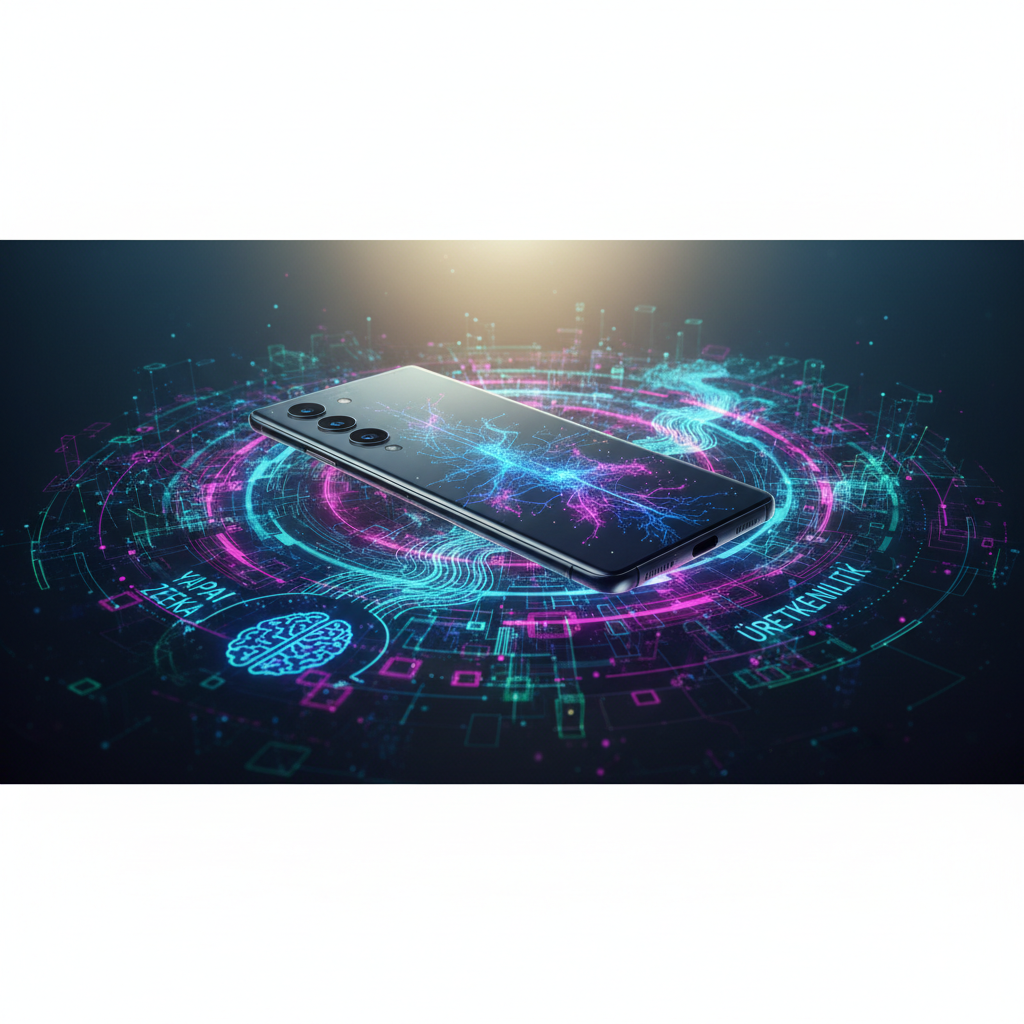
In the fast-evolving landscape of consumer technology, the unveiling of a new flagship smartphone is more than just a product launch; it's a window into the future of personal technology. Recently, the tech world buzzed with leaked renders for Sony's anticipated Xperia 1 VIII, offering a preliminary glimpse into its design. While visual leaks often focus on aesthetics and hardware contours, for us at biMoola.net, they serve as a critical starting point to extrapolate broader industry trends. These aren't just pretty pictures; they are silent indicators of how manufacturers like Sony are integrating cutting-edge advancements in Artificial Intelligence, Health Technologies, and Sustainable Living into the devices we hold daily.
This article delves beyond the surface-level excitement of a smartphone reveal. We'll explore how devices like the Xperia 1 VIII are poised to become indispensable tools in our pursuit of productivity, well-being, and environmental responsibility. From the sophisticated on-device AI processing that powers our digital lives to the subtle but significant strides in integrating health monitoring and adopting eco-conscious design principles, we’ll unpack the transformative potential that flagship smartphones embody. Join us as we analyze the trajectory of innovation, offering an expert perspective on what truly defines a 'smart' phone in the modern era.
The Shifting Landscape of Flagship Smartphones: More Than Just Specs
The allure of a new smartphone often begins with a visual whisper: a leaked render. For the Sony Xperia 1 VIII, these early glimpses provide more than just a preview of its aesthetic; they offer clues to its underlying philosophy and functional advancements. Sony, with its rich heritage in imaging, audio, and professional-grade electronics, has consistently carved out a niche in the competitive smartphone market. Unlike many competitors that chase mainstream trends, Sony often prioritizes specific capabilities, particularly for content creators and discerning users. This approach suggests that any new design, even in its render form, is meticulously engineered to support specific high-performance features.
From Aesthetic Leaks to Functional Foresight: Interpreting Renders
When renders like those for the Xperia 1 VIII surface, industry analysts and enthusiasts typically dissect every curve, port, and camera bump. However, for a blog focused on AI, productivity, health tech, and sustainability, our interpretation goes deeper. A phone's physical design — its dimensions, heat dissipation solutions, and sensor placements — are all indicators of the sophisticated technology it's designed to house. A robust chassis might imply advanced haptics or thermal management for intensive AI tasks. A unique camera array could signify computational photography capabilities driven by on-device AI. Even the perceived materials can hint at a brand's commitment to durability or recycled content. These seemingly trivial details are crucial breadcrumbs leading to a fuller understanding of the device's functional intent.
The Convergence of Everyday Tech with Specialized Domains
Modern flagship smartphones are no longer mere communication devices. They have evolved into powerful, pocket-sized supercomputers that seamlessly integrate with specialized domains like AI, health monitoring, and even contribute to sustainable practices. This convergence is driven by increasingly powerful chipsets that enable complex computations on the device itself, reducing reliance on cloud processing and enhancing privacy. A prime example is the integration of advanced sensors that communicate with AI algorithms to provide actionable insights, whether for personal health or environmental interaction. The Xperia 1 VIII, as a flagship contender, is expected to embody this trend, offering a platform where professional-grade productivity, personalized health insights, and eco-conscious design principles coalesce into a singular, powerful user experience.
On-Device AI: The Brains Behind the Xperia's Potential
The true intelligence of a modern flagship smartphone lies not just in its raw processing power, but in its ability to execute sophisticated Artificial Intelligence tasks directly on the device. This 'on-device AI' is a game-changer, offering enhanced privacy, faster responses, and reduced energy consumption compared to cloud-based alternatives. For a device like the Xperia 1 VIII, expected to house the latest silicon, its AI capabilities will define much of its user experience.
Next-Gen Processors and AI Acceleration
At the heart of advanced on-device AI are Neural Processing Units (NPUs), dedicated hardware accelerators designed specifically for machine learning workloads. Chipsets like the Qualcomm Snapdragon 8 Gen 3 (and its future iterations) boast NPUs capable of staggering computational performance. For instance, the Snapdragon 8 Gen 3, released in late 2023, offered an NPU that was up to 98% faster than its predecessor, delivering incredible leaps in AI efficiency. This translates to a phone that can perform complex AI tasks—such as real-time language translation, advanced image processing for photos and videos, personalized user interface adaptations, and intelligent predictive text—without relying on an internet connection.
Consider the impact on battery life and privacy. Running AI models locally means user data doesn't need to be sent to remote servers, safeguarding sensitive information. Furthermore, these efficiencies mean features like AI-powered noise cancellation or computational photography can operate with minimal impact on battery life, transforming the user's daily interaction with their device. Experts at Google AI, in a 2023 research paper on on-device machine learning, highlighted the significant advantages of optimized hardware and software co-design for energy efficiency in AI tasks, a principle that drives the NPU development in flagship mobile processors.
AI for Productivity and Creative Professionals
Sony has always targeted a segment of users with professional needs, particularly in photography and videography. The integration of advanced AI in the Xperia 1 VIII can elevate these capabilities significantly. Imagine an AI assistant that not only transcribes meetings but can summarize key action points, or an intelligent photo editor that suggests optimal framing and color grading based on learned preferences. AI-driven features can also enhance multitasking, intelligently allocating resources to the applications you need most, predicting your workflow, and even automating routine tasks.
For video creators, AI can enable real-time object tracking, cinematic blur effects, and intelligent stabilization that goes beyond traditional optical image stabilization. In audio, AI could provide adaptive soundscapes for different environments or enhance recording clarity for interviews. These features don't just add novelty; they become indispensable tools, allowing professionals to achieve higher quality results more efficiently, directly from their smartphone.
Bridging the Gap: Xperia 1 VIII and Health Technologies
The proliferation of health and wellness technologies has moved far beyond dedicated wearables. Flagship smartphones are increasingly integrating sophisticated sensors and AI algorithms to offer meaningful health insights, pushing the boundaries of what a personal device can do for our well-being. The Xperia 1 VIII is expected to participate in this trend, offering a more holistic approach to personal health management.
Beyond Wearables: Integrated Health Monitoring
While wearables like smartwatches excel at continuous monitoring, smartphones can complement this by offering unique diagnostic or environmental sensing capabilities. Future flagships might integrate advanced photoplethysmography (PPG) sensors for more accurate heart rate and SpO2 (blood oxygen saturation) measurements, potentially even using the camera and flash in novel ways. Beyond biometrics, smartphones can house environmental sensors for air quality, UV index, and even sound levels, alerting users to potential health risks in their surroundings. A 2022 study published by the World Health Organization (WHO) on Digital Health emphasizes the growing role of mobile devices in health data collection and remote monitoring, highlighting the potential for early detection and personalized health interventions.
However, it's crucial to understand the distinction. As Harvard Health Publications often reminds us, while smartphones can collect vast amounts of data, they are generally designed for consumer health and wellness monitoring, not medical diagnosis. The real value lies in trends and insights that can be shared with healthcare professionals for more informed discussions.
Data Security and Privacy in Health Apps
With the increasing integration of health features, the security and privacy of personal health data become paramount. A flagship device like the Xperia 1 VIII must adhere to stringent privacy standards. Robust encryption for data at rest and in transit, secure enclaves for biometric data, and clear user consent mechanisms are non-negotiable. Regulations like GDPR in Europe and HIPAA in the United States set benchmarks for how sensitive personal data, especially health information, should be handled. Consumers should look for devices and apps that offer transparent data policies and allow granular control over what data is collected and shared. This builds trust, which is essential for widespread adoption of mobile health technologies.
Personalized Wellness with AI
AI can transform raw health data into actionable, personalized wellness insights. Imagine an AI that analyzes your sleep patterns, activity levels, and stress indicators to provide tailored recommendations for improving your daily routine. This could range from suggesting optimal bedtimes to recommending specific mindfulness exercises or dietary adjustments. AI can also power mental health support apps, offering personalized cognitive behavioral therapy (CBT) exercises or connecting users to resources. The goal is to move beyond passive data collection to proactive, intelligent guidance, making health management an integral, seamless part of the smartphone experience.
A Green Footprint: Sustainability in Sony's Flagship Design
As consumers become more environmentally conscious, the sustainability credentials of electronic devices are under increasing scrutiny. For a brand like Sony, known for its innovation, integrating sustainable practices into its flagship Xperia 1 VIII isn't just good PR; it's a fundamental responsibility and a growing market differentiator. From materials to manufacturing and lifecycle, every aspect contributes to a phone's environmental footprint.
Materials and Manufacturing: The Circular Economy
Sony has already demonstrated a commitment to sustainability, for instance, through the use of SORPLAS™ (Sustainable Oriented Recycled Plastic) in its product packaging and parts of its devices. For the Xperia 1 VIII, we expect to see an increased emphasis on recycled materials, not just in external components but internally as well. This includes using recycled aluminum, rare earth metals, and plastics. The concept of a 'circular economy' is gaining traction, where products are designed for durability, repairability, and eventual recycling, minimizing waste and resource depletion. France’s repairability index, for example, assigns a score to electronic products, nudging manufacturers towards designs that are easier and more affordable to fix, thereby extending product lifespan. A longer-lasting phone means fewer phones manufactured, translating directly to reduced environmental impact.
Energy Efficiency and Extended Lifespan
Beyond materials, the operational efficiency of a smartphone plays a crucial role in its environmental impact. Cutting-edge processors and displays, such as LTPO (low-temperature polycrystalline oxide) panels, consume less power, extending battery life and reducing the frequency of charging. Furthermore, robust software support with guaranteed updates for several years ensures the device remains secure and functional, preventing premature obsolescence. The impact of extending a phone's life is significant. A 2020 report from the European Environmental Agency highlighted that extending the lifespan of all smartphones in the EU by just one year could save approximately 2.1 million tonnes of carbon emissions annually. The manufacturing phase accounts for 75-85% of a smartphone's total carbon footprint, making longevity a critical sustainability factor.
Environmental Impact: Manufacturing vs. Extended Use
| Impact Category | Smartphone Manufacturing (Embodied Carbon) | Smartphone Usage (Annual Operational Carbon) |
|---|---|---|
| CO2e Emissions (approx. per device) | 50-100 kg (over product lifespan) | 10-20 kg (per year, primarily charging) |
| Resource Consumption (approx. per device) | 75 kg raw materials, 1,000 liters water | Minimal direct resource consumption |
| Primary Environmental Leverage Point | Reducing new device purchases, using recycled materials, extending lifespan | Improving energy efficiency, renewable energy sourcing for charging |
| Impact of +1 Year Lifespan Extension (EU-wide) | ~2.1 million tonnes CO2e reduction | N/A (as it reduces new manufacturing) |
| Sources: European Environmental Agency (2020), various industry reports. Figures are estimates and vary by model and usage patterns. |
This data underscores that the most significant environmental gains come from extending the active life of existing devices and making manufacturing processes more sustainable.
Expert Analysis: The biMoola.net Perspective
From our vantage point at biMoola.net, the rumored Sony Xperia 1 VIII, even in its early render stage, represents a fascinating inflection point in the smartphone market. Sony has long championed a 'prosumer' philosophy, and this upcoming device appears poised to deepen that commitment, not just through raw power but through intelligent integration of AI, health tech, and sustainability.
What truly sets Sony apart, and what we believe flagship phones *must* deliver going forward, is a justification for their premium price tags through meaningful, tangible innovation rather than incremental spec bumps. The era of purely aesthetic or horsepower-driven upgrades is waning. Consumers are savvier, and their demands extend beyond benchmark scores. They want devices that genuinely enhance their productivity, provide reliable insights into their health, and align with their values regarding environmental responsibility.
The challenge for Sony, and indeed for any top-tier manufacturer, is to move beyond showcasing these technologies as isolated features. The true magic happens when AI seamlessly integrates into productivity workflows, making them more intuitive; when health sensors provide predictive, actionable insights rather than just raw data; and when sustainability is embedded into the entire product lifecycle, from sourcing to end-of-life, not just as a marketing footnote. The Xperia 1 VIII's potential lies in its ability to weave these threads into a coherent, compelling narrative. If Sony can leverage its deep expertise in imaging, audio, and professional solutions to create an ecosystem where these advanced capabilities feel natural and indispensable, it won't just capture market share; it will define what it means to be a truly intelligent, responsible, and empowering mobile companion in the years to come.
Key Takeaways
- Beyond Aesthetics: Leaked renders for devices like the Xperia 1 VIII signal broader industry shifts towards deeply integrated AI, health tech, and sustainability features, far beyond superficial design changes.
- On-Device AI is Critical: Next-generation NPUs in flagship processors enable highly efficient, private, and powerful AI capabilities for productivity, creativity, and daily tasks, reducing cloud dependency.
- Smartphones as Health Hubs: Flagships are integrating advanced sensors and AI for personalized health monitoring and wellness guidance, complementing wearables while emphasizing data privacy and ethical use.
- Sustainability as a Core Tenet: Manufacturers are increasingly focused on circular economy principles, using recycled materials, designing for repairability, and ensuring long-term software support to reduce environmental impact.
- Meaningful Innovation Justifies Premium: The future of flagship phones lies in delivering tangible value through the seamless integration of advanced technologies that genuinely enhance user experience, well-being, and environmental consciousness.
Q: How do leaked renders translate into real-world features?
A: While renders are primarily visual, they are often based on CAD (Computer-Aided Design) files used by manufacturers for production. This means they generally reflect the intended physical design, including dimensions, button placements, camera layouts, and port configurations. These physical attributes, in turn, dictate what internal components can be housed (e.g., larger battery, advanced sensor arrays, improved thermal management for powerful chipsets). For instance, a thicker device might indicate better cooling for sustained AI workloads or a larger battery for extended health monitoring. So, while they don't explicitly list features, they provide strong hints about the engineering priorities and the scope of technological integration.
Q: What specific AI capabilities should we expect in a 2025/2026 flagship phone?
A: By 2025-2026, flagship phones are expected to feature significantly enhanced on-device AI. This includes more sophisticated large language models (LLMs) running locally for advanced conversational AI, real-time multi-language translation with minimal latency, and hyper-personalized user interfaces that adapt predictive behaviors. Expect further leaps in computational photography and videography (e.g., superior low-light performance, real-time video editing effects, AI-generated content suggestions). AI will also optimize battery life, system performance, and network connectivity dynamically. Furthermore, expect generative AI capabilities for image and text creation to become more commonplace and robust on-device, offering creative tools directly in users' hands.
Q: Are smartphone health features genuinely reliable?
A: Smartphone health features offer increasing reliability for consumer-grade wellness and fitness tracking, such as step counts, heart rate monitoring, and sleep pattern analysis. Many manufacturers are actively working to improve the accuracy of these sensors, often comparing them against medical-grade devices. However, it's crucial to understand their limitations: they are typically designed for informational purposes and general wellness, not for diagnosing medical conditions or replacing professional medical advice. Always consult a healthcare professional for any health concerns. Their value lies primarily in tracking trends and providing insights that can inform healthier lifestyle choices or prompt a conversation with a doctor, rather than serving as diagnostic tools.
Q: How can consumers verify a phone's sustainability claims?
A: Consumers can verify sustainability claims by looking for certifications from independent organizations like EPEAT (Electronic Product Environmental Assessment Tool) or reputable eco-labels. Check the manufacturer's official Corporate Social Responsibility (CSR) reports, which often detail their environmental targets, use of recycled materials, and supply chain transparency. Look for commitments to extended software support and repairability (e.g., published repair manuals, readily available parts). Websites like iFixit often provide repairability scores for various devices. Also, consider the product's packaging – minimal, recyclable materials are a good sign. Be wary of vague 'greenwashing' claims and prioritize brands with concrete, measurable sustainability goals and third-party verification.
Comments (0)
To comment, please login or register.
No comments yet. Be the first to comment!