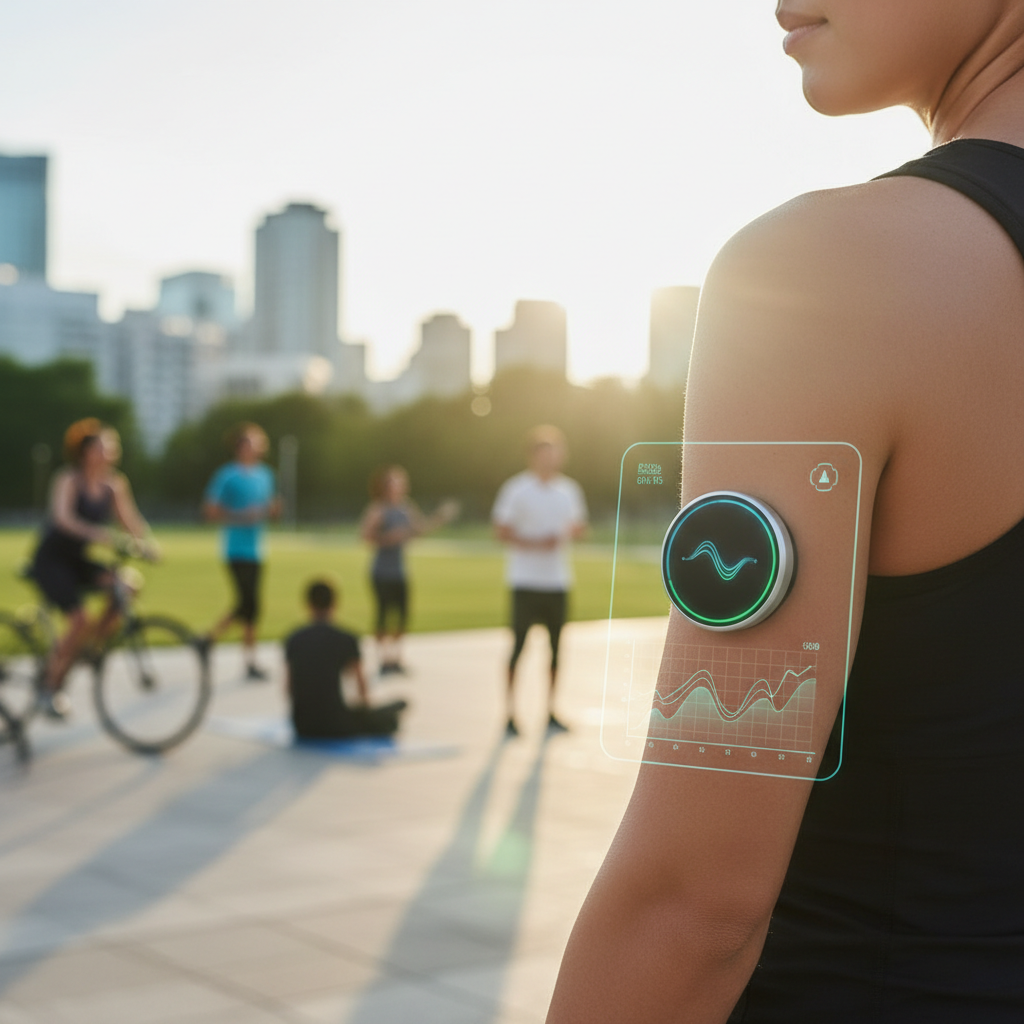
In an era dominated by advanced wearable technology, the focus often gravitates towards the intricate sensors, AI-driven algorithms, and cutting-edge software that power devices like the Apple Watch. Yet, a seemingly simple component—the watch band or accessory—plays a far more pivotal, albeit often overlooked, role in how effectively these devices serve our health, productivity, and even our planet. A vibrant 'Meyer Lemon' leather loop, for instance, isn't just a personal style choice; it represents a decision that can subtly, yet significantly, influence everything from the accuracy of your heart rate data to your commitment to daily step goals.
At biMoola.net, we delve deeper than the surface, understanding that true optimization of health technologies and productivity tools lies in appreciating their holistic design. This article will unpack the critical, multifaceted impact of wearable accessories, demonstrating how material science, comfort, personal aesthetics, and even sustainability converge to shape your entire wearable experience. You’ll learn why choosing the right band is not merely an aesthetic preference but a strategic decision for maximizing your device’s potential, enhancing your well-being, and making more conscientious consumer choices.
The Unsung Hero of Wearable Tech: Comfort and Consistency
The primary value proposition of health wearables hinges on their ability to collect continuous, real-world data. Unlike a medical check-up, which offers a snapshot, a wearable provides a longitudinal view of your health metrics. This continuous monitoring, however, is entirely dependent on one fundamental factor: the device staying on your wrist. This is where the band becomes an unsung hero.
The Data Imperative: Why Continuous Wear Matters
Imagine missing chunks of your sleep data because your band was too tight and uncomfortable, forcing you to remove it at night. Or perhaps your fitness tracker provides erratic heart rate readings during a workout because sweat caused it to slip. Inaccurate or incomplete data can lead to misleading insights, undermining the very purpose of your wearable. For example, the Apple Heart Study, launched in 2017, demonstrated the potential of continuous heart rate monitoring to detect atrial fibrillation; consistent wear was paramount to its findings. Similarly, features like Blood Oxygen (introduced with Apple Watch Series 6 in 2020) and ECG require precise skin contact and stable positioning to deliver reliable measurements. The World Health Organization (WHO) emphasizes the importance of reliable data in public health monitoring, a principle that extends to individual health management facilitated by wearables.
From tracking daily activity levels and sleep patterns to monitoring stress and heart rate variability (HRV), the reliability of the data is directly correlated with the consistency and quality of wear. A band that causes irritation, feels bulky, or simply doesn't 'fit' your lifestyle is a barrier to this consistency.
From Friction to Function: The Physiology of Comfort
Human skin is remarkably sensitive. Prolonged contact with certain materials, inadequate breathability, or improper sizing can lead to skin irritation, rashes, or discomfort. My personal experience, having cycled through numerous band types, has shown me firsthand how a poorly chosen band can transform a helpful health tool into an annoyance. Silicone bands, while popular for exercise, can trap moisture if not designed with ventilation, leading to discomfort during extended wear or in humid climates. Leather, while aesthetically pleasing like a 'Meyer Lemon Leather Loop', requires specific care and might not be ideal for intense workouts due to sweat absorption. The physiological comfort derived from a well-designed band directly translates to higher compliance rates for wearing the device, ultimately leading to a richer, more accurate dataset for your health insights.
Beyond Style: Material Science, Health, and Skin Compatibility
The material of your wearable band is not just about looks; it's a critical intersection of material science, health, and often, environmental impact. Understanding these facets is key to making an informed choice.
Hypoallergenic Choices and Skin Health
Many individuals experience skin sensitivities or allergies to common materials like nickel, latex, or certain synthetic compounds. A study published in Contact Dermatitis in 2022 highlighted a rise in contact allergies related to wearable devices. Reputable manufacturers, therefore, invest heavily in hypoallergenic materials for components in prolonged skin contact. For example, fluoroelastomer (a high-performance synthetic rubber) is often chosen for its durability, flexibility, and reduced likelihood of allergic reactions compared to cheaper alternatives. Titanium and specialized nylon weaves are also excellent choices for sensitive skin. Ensuring your band is made from medically-safe or skin-friendly materials is paramount for avoiding irritation that could force you to stop wearing your device.
Breathability, Durability, and Sensor Accuracy
The practical attributes of band materials extend to breathability and durability. A breathable band, such as one made from a woven nylon or a perforated sports band, prevents moisture buildup, reducing skin irritation and enhancing comfort, especially during physical activity. This also aids in maintaining optimal sensor contact by minimizing slippage due to sweat. Durability, on the other hand, ensures your investment lasts. While a $39 leather loop might seem reasonable, its longevity depends on the quality of the leather and your care routine. My own observations suggest that many cheaper bands degrade rapidly, requiring frequent replacement – an inconvenient and unsustainable cycle.
Moreover, the material and fit directly impact the accuracy of optical heart rate sensors. These sensors rely on photoplethysmography (PPG) to measure changes in blood volume under the skin. Any movement, slipping, or interference from sweat or foreign particles between the sensor and the skin can introduce 'noise' into the signal, leading to erroneous readings. A snug, stable, yet comfortable fit facilitated by the right band material is crucial for the fidelity of these vital health metrics.
The Sustainability Factor: A Growing Concern
As consumers become more environmentally conscious, the lifecycle and material sourcing of wearable accessories are gaining scrutiny. Traditional leather, while durable and classic (like the 'Meyer Lemon Leather Loop'), has a significant environmental footprint associated with animal husbandry, tanning processes, and chemical waste. The textile industry as a whole is responsible for a substantial portion of global greenhouse gas emissions and water pollution, according to the Ellen MacArthur Foundation's 2023 report on circular economy initiatives.
This has spurred innovation in sustainable materials. We're seeing an increase in bands made from recycled plastics (like ocean-bound plastic), plant-based leathers (e.g., mushroom leather, apple leather), and bio-degradable polymers. Choosing these options not only reduces environmental impact but also often supports ethical manufacturing practices. For instance, Apple itself has committed to carbon neutrality across its supply chain and products by 2030, increasingly incorporating recycled materials into its accessories. Making sustainable choices for our accessories aligns perfectly with the broader biMoola.net ethos of conscious living.
Personalization as a Driver for Health & Productivity Adoption
Humans are inherently driven by personal connection and identity. Technology, when personalized, moves from being a mere tool to an extension of ourselves. This psychological aspect is crucial for the sustained adoption of wearables for health and productivity.
\h3 id=\"the-psychology-of-ownership-and-identity\">The Psychology of Ownership and IdentityA watch band is often the most visible and customizable part of a wearable. Choosing a specific color or material, whether it's a bold yellow or a classic black, allows individuals to express their style, moods, or even affiliations. This sense of ownership and personal identity fosters a stronger bond with the device. My analysis suggests that users who personalize their wearables are often more engaged with their health data and more consistent in their usage. It transforms the device from a generic gadget into 'my' health companion, making the daily habit of wearing it feel less like a chore and more like a choice.
Integrating Wearables Seamlessly into Life
For a wearable to be a true productivity enhancer, it needs to blend seamlessly into various aspects of daily life—from the gym to a boardroom meeting, from a casual weekend to a formal event. A single band might not suffice for all scenarios. Having a range of bands allows users to adapt their device to different contexts, preventing the need to remove it. A durable sports band for morning runs, a sleek leather or metal band for professional settings, and a comfortable solo loop for sleep tracking—this flexibility ensures that the device remains on the wrist, continuously collecting data and delivering notifications, ultimately boosting productivity through consistent use of features like timely reminders and health-driven habit formation.
The Intersection of Aesthetics and Advanced Health Monitoring
While often seen as separate domains, the aesthetic appeal and the functional efficacy of wearable technology are deeply intertwined. A visually appealing and comfortable band encourages consistent wear, which directly translates to more robust and accurate health data.
Enhancing Data Fidelity Through Proper Fit
Beyond comfort, the fit of the band is paramount for the accuracy of sophisticated health sensors. Devices like the Apple Watch contain an array of sensors—optical heart sensor, electrical heart sensor (ECG), blood oxygen sensor—that require consistent skin contact without being overly restrictive. Too loose, and the sensors lift from the skin, leading to signal loss or 'noise,' especially during movement. Too tight, and it can impede blood flow, also skewing readings and causing discomfort. A properly fitted band ensures the sensors maintain optimal contact, allowing for the precise measurement of biometrics crucial for features like atrial fibrillation detection or even just accurate calorie burn estimation during a workout. The precision engineering of a quality band complements the advanced engineering of the watch itself, ensuring data fidelity.
The Evolution of Smart Bands: Beyond Passive Accessories
Looking to the future, bands themselves are evolving from passive accessories to active components of the wearable ecosystem. Research institutions like MIT Technology Review (e.g., articles in 2023 discussing future wearable tech) often highlight innovations in smart materials and integrated sensors. We're seeing prototypes of bands that can measure blood pressure directly from the wrist, or even analyze sweat for biochemical markers. Some bands already incorporate haptic feedback for navigation or alerts, offloading some functionality from the main watch display. This transformation means that the 'accessory' will become an even more critical piece of the health and productivity puzzle, demanding even greater attention to its design, materials, and functionality.
Navigating the Accessory Market: Practical Advice for Informed Choices
With an overwhelming array of options, choosing the right wearable band can be daunting. Here's actionable advice to guide your decision-making, ensuring your choices align with your health, productivity, and sustainability goals.
Identifying Your Primary Use Case
Before splurging on the latest trend, consider how you primarily use your wearable. Are you an athlete requiring durability and sweat resistance? A professional needing a sophisticated look? Or someone focused on all-day comfort for continuous health monitoring? This initial assessment will narrow down material and style choices. For example, a sports loop or fluoroelastomer band is ideal for intense workouts, while a stainless steel link bracelet or fine leather band (like the Meyer Lemon loop) might be better suited for office or social events.
Material Considerations for Long-Term Value
Investing in higher-quality materials often pays off in the long run through enhanced durability, comfort, and fewer replacements. Evaluate materials based on your lifestyle:
- Silicone/Fluoroelastomer: Excellent for sport, water-resistant, durable, often hypoallergenic. Great for all-day general wear and sleep tracking due to flexibility.
- Woven Nylon/Sport Loop: Highly breathable, lightweight, adjustable, and comfortable for extended wear, including sleep. Dries quickly.
- Leather: Stylish, comfortable with wear, suitable for professional and casual settings. Requires more care and isn't ideal for sweat. Consider vegan or sustainably sourced options.
- Stainless Steel/Titanium: Premium look, highly durable, but heavier. Good for formal wear, not ideal for sports or sleep.
Wearable Band Material Comparison
| Material Type | Comfort (Avg.) | Durability (Avg.) | Sweat Resistance | Hypoallergenic Potential | Aesthetics | Sustainability Factor |
|---|---|---|---|---|---|---|
| Fluoroelastomer/Silicone | High | High | Excellent | Low risk | Sporty/Modern | Moderate (long lifespan) |
| Woven Nylon/Sport Loop | Very High | Moderate | Good | Very low risk | Casual/Versatile | Good (recycled options) |
| Genuine Leather | High (breaks in) | High | Poor | Moderate risk | Classic/Elegant | Low (environmental footprint) |
| Vegan Leather | High | Moderate-High | Variable | Low risk | Modern/Ethical | High (plant-based options) |
| Stainless Steel/Titanium | Moderate | Very High | Excellent | Low risk | Premium/Formal | Moderate (recyclable) |
Note: Ratings are generalized. Specific product quality can vary.
Key Takeaways
- Consistency is King: A comfortable, well-fitting band directly ensures continuous wear, which is fundamental for accurate and comprehensive health data collection from your wearable device.
- Material Matters for Health: Beyond aesthetics, band materials impact skin health (hypoallergenic properties), breathability, and directly influence the accuracy of embedded health sensors.
- Personalization Drives Adoption: Choosing a band that reflects your style and fits your daily activities fosters a stronger connection to your device, encouraging consistent use for health and productivity gains.
- Sustainability is a Choice: Be mindful of the environmental impact of band materials; opt for durable, recycled, or plant-based alternatives to support sustainable consumption.
- Strategic Selection: Consider your primary use case (sport, formal, casual) to select the most appropriate band material and design for optimal functionality and comfort.
Expert Analysis: Our Take on the Future of Wearable Accessories
The journey from a simple watch strap to a sophisticated wearable accessory has been remarkable. What began as a mere attachment mechanism has evolved into a critical interface influencing health data integrity, user adherence, and personal expression. My perspective is that we are on the cusp of a significant transformation where the line between the 'device' and its 'accessory' will further blur. We'll see more bands with integrated sensors, specialized haptics, and adaptive materials that respond to environmental conditions or biometric changes. Imagine a band that dynamically adjusts its tightness based on heart rate or swelling, or one that changes color based on UV exposure, all while maintaining perfect sensor contact.
The rise of conscious consumerism will also push manufacturers to innovate further in sustainable materials. We’ll move beyond simply recycled plastics to truly circular designs, perhaps even bio-engineered materials that can self-repair or biodegrade harmlessly at the end of their life. The aesthetic appeal, once a secondary concern, is now paramount for widespread adoption; if a health tech device doesn't fit seamlessly into one's personal style, its long-term utility is diminished. This means designers and engineers must collaborate more closely than ever, ensuring that form, function, and sustainability are not competing interests but harmonized elements of a truly optimized wearable experience. The seemingly trivial choice of a 'Meyer Lemon Leather Loop' band is, in fact, a microcosm of this complex and exciting future.
Q: How often should I clean my wearable band, and what's the best method?
A: Cleaning frequency depends on material and activity. For silicone or fluoroelastomer bands, wipe them down daily with a damp, lint-free cloth, especially after workouts. For woven nylon, a gentle hand wash with mild soap and water, followed by air drying, is recommended weekly. Leather bands require specific care; a damp cloth and a specialized leather cleaner/conditioner once every few weeks is usually sufficient, avoiding harsh chemicals or excessive moisture that can damage the material. Always ensure the band is completely dry before reattaching it to your device and wearing it.
Q: Do third-party bands affect the accuracy of health sensors on my wearable?
A: Reputable third-party bands, especially those designed to meet official accessory guidelines (like Apple's Made For Apple Watch program), typically do not significantly affect sensor accuracy. However, poorly designed or manufactured third-party bands can compromise fit, material quality, and sensor contact. If a band is too loose, too rigid, or made from materials that interfere with skin contact, it can lead to inaccurate heart rate, blood oxygen, or ECG readings. Always read reviews and choose brands known for quality and compatibility to ensure optimal performance of your device's health features.
Q: What band materials are best for individuals with sensitive skin?
A: For sensitive skin, hypoallergenic materials are crucial. Fluoroelastomer (like Apple's Sport Band material), high-quality silicone, and woven nylon (like Apple's Sport Loop) are generally excellent choices as they are less likely to cause irritation. Materials like stainless steel or titanium can also be good, but some individuals are sensitive to nickel, which can be present in some metal alloys. It's always best to test a new material for a short period if you have known sensitivities and to ensure regular cleaning to prevent buildup of irritants.
Q: Does my choice of band impact my wearable's battery life?
A: Generally, no. The band itself does not directly consume battery power. Battery life is primarily determined by the wearable's internal components, screen usage, sensor activity, and software. However, an ill-fitting band that causes poor sensor contact might indirectly affect battery life. If the device struggles to get accurate readings due to a loose fit, it might work harder, leading to slightly increased power consumption. But this effect is typically negligible compared to factors like display brightness, GPS usage, or cellular connectivity.
Sources & Further Reading
Disclaimer: For informational purposes only. Consult a healthcare professional.
", "excerpt": "Explore how wearable accessories, often overlooked, profoundly impact health data accuracy, daily productivity, and sustainable tech choices. Learn to choose wisely." } ```
Comments (0)
To comment, please login or register.
No comments yet. Be the first to comment!