Health Technologies

Mindfulness and Meditation in 2026: Apps, Techniques, and Real Benefits

Mindfulness and Meditation in 2026: Apps, Techniques, and Real Benefits

In an era defined by rapid technological advancement and an ever-accelerating pace of life, the ancient practices of mindfulness and meditation have never been more relevant. As we navigate through 2026, the landscape of well-being is not just about adapting to change, but actively shaping our internal experience to thrive amidst it. This article delves into how mindfulness and meditation continue to evolve, blending timeless wisdom with cutting-edge technology, and exploring the profound benefits these practices offer for a balanced, healthier life.

For centuries, mindfulness – the practice of bringing one's attention to the present moment without judgment – and meditation, a broader term encompassing various techniques to train attention and awareness, have been cornerstones of personal development and spiritual growth. Today, their efficacy is backed by a growing body of scientific evidence, making them indispensable tools for managing stress, enhancing focus, and fostering emotional resilience. In 2026, these practices are not only enduring but are also being reimagined through innovative digital platforms and smart devices, making them more accessible and personalized than ever before.

Whether you are a seasoned meditator or just beginning your journey, understanding the current trends, available tools, and proven benefits is crucial. This comprehensive guide will explore the core principles of mindfulness, examine how technology is enhancing these experiences, shed light on the real-world advantages, and provide practical strategies for integrating them into your daily routine in the modern world.

The Enduring Core: Traditional Mindfulness & Meditation Techniques

While technology offers exciting new avenues for practice, the fundamental techniques of mindfulness and meditation remain timeless. These core practices are the bedrock upon which modern enhancements are built, and understanding them is key to a meaningful and sustainable practice. They require no special equipment, only your willingness to engage with your inner world.

Breath Awareness (Anapanasati)

  • What it is: Focusing your attention on the sensation of your breath as it enters and leaves your body. This is often the starting point for many meditation practices.
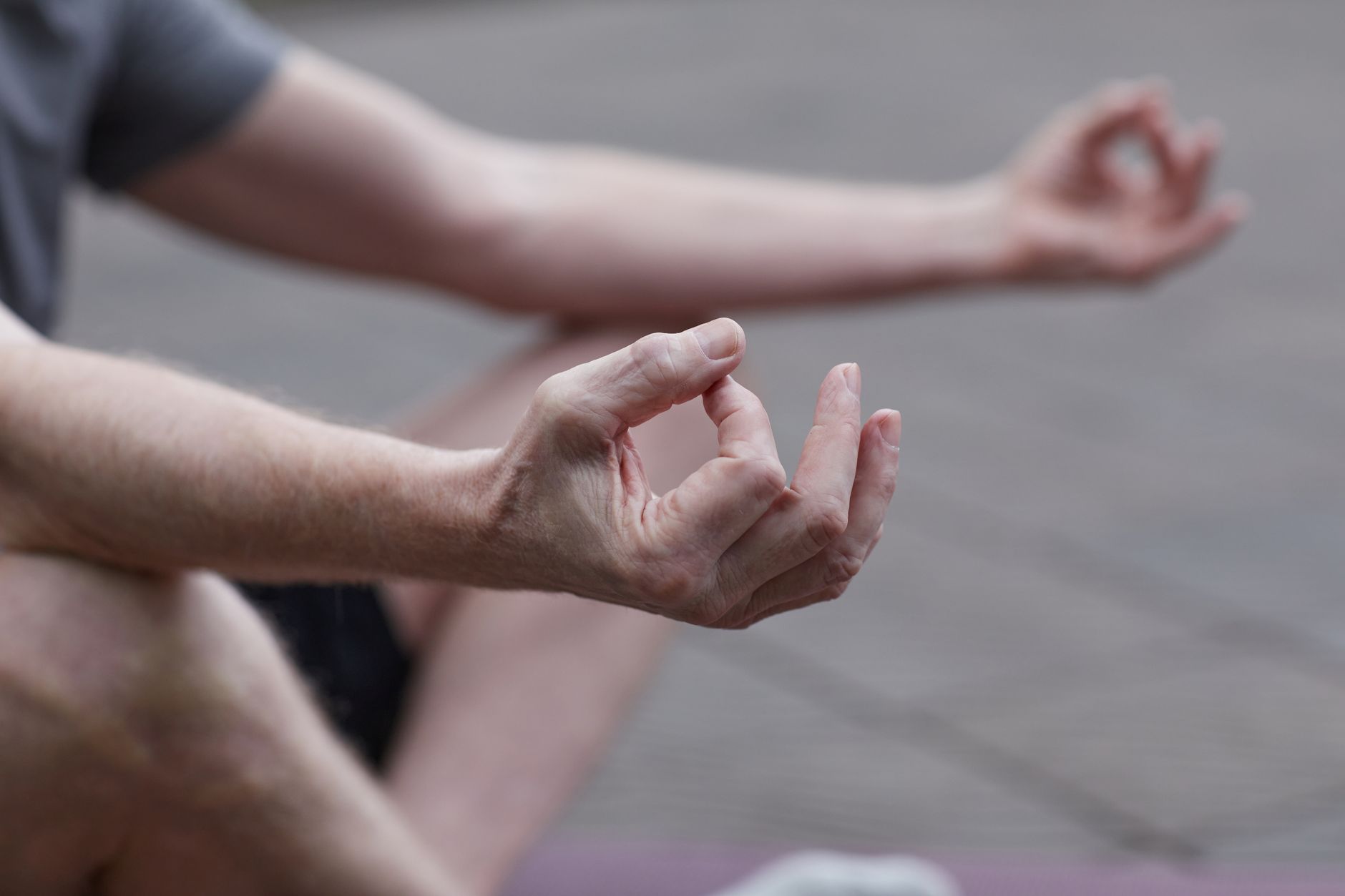
  • How to practice: Find a comfortable seated position. Gently close your eyes or soften your gaze. Bring your awareness to the natural rhythm of your breath – notice the rise and fall of your abdomen, the air entering and exiting your nostrils, or the sensation in your chest. When your mind wanders (which it will), gently guide it back to your breath without judgment.
  • Benefit: Helps to anchor you in the present moment, calm the nervous system, and improve concentration.

Body Scan Meditation

  • What it is: A systematic process of bringing awareness to different parts of the body, noticing any sensations without judgment.
  • How to practice: Lie down or sit comfortably. Begin by bringing attention to your toes, noticing any tingling, pressure, or absence of sensation. Slowly move your awareness up through your feet, ankles, calves, knees, and so on, until you have scanned your entire body. Release any tension you find with each exhale.
  • Benefit: Cultivates body awareness, releases physical tension, and can be particularly helpful for managing chronic pain or preparing for sleep.

Walking Meditation

  • What it is: Bringing mindful awareness to the physical sensations of walking, rather than just using it as a means to get from one place to another.
  • How to practice: Find a quiet space where you can walk slowly without interruption. Pay attention to the lifting of your foot, the movement of your leg, the placing of your heel, and the shift of weight. Notice the sensations in your feet, legs, and body with each step.
  • Benefit: Integrates mindfulness into daily movement, provides a dynamic form of meditation, and helps ground you in your surroundings.

Loving-Kindness (Metta) Meditation

  • What it is: A practice of cultivating feelings of warmth, kindness, and compassion towards oneself and others.
  • How to practice: Sit comfortably. Begin by directing kind wishes towards yourself, perhaps repeating phrases like, “May I be happy. May I be healthy. May I be safe. May I live with ease.” Then, extend these wishes to loved ones, then to neutral individuals, then to difficult individuals, and finally to all beings everywhere.
  • Benefit: Fosters empathy, reduces negative emotions, and promotes a sense of interconnectedness.

Practical Tip: Start small. Even 5-10 minutes of focused breath awareness each day can begin to rewire your brain and build a foundation for deeper practice. Consistency is more important than duration.

Technological Evolution: Mindfulness Apps & Devices in 2026

The dawn of 2026 sees mindfulness and meditation practices profoundly augmented by technology. What began as simple guided meditation apps a decade ago has matured into sophisticated, personalized digital companions. These tools leverage advancements in artificial intelligence, biofeedback, and immersive realities to create tailored experiences that were once unimaginable.

Personalized AI-Driven Guidance

  • Adaptive Sessions: Modern mindfulness apps are no longer static libraries of recordings. AI algorithms analyze your usage patterns, mood inputs, biometric data (from wearables), and even your voice tone to suggest specific meditations, breathwork exercises, or contemplative prompts. If you report high stress, the app might offer a calming body scan; if your focus wavers, it might suggest a concentration-boosting practice.
  • Virtual Coaches: Some platforms now feature AI 'coaches' that learn your preferences and progress, offering real-time feedback and encouragement. These coaches can guide you through advanced techniques or help you navigate challenges in your practice, providing a level of personalized support that replicates aspects of a human mentor.

Biofeedback Integration with Wearables

  • Real-time Insights: Smartwatches, rings, and specialized headbands in 2026 often include advanced sensors for heart rate variability (HRV), skin conductance, EEG (brainwave activity), and even subtle muscle tension. During meditation, these devices provide real-time feedback, allowing you to see how your body responds to your practice. For instance, an app might show you a visual representation of your HRV changing as you deepen your breath, helping you understand the physiological impact of your efforts.
  • Post-Session Analysis: After a session, detailed reports help you track progress, identify patterns, and understand which types of meditation are most effective for your specific physiological responses. This data-driven approach removes some of the guesswork from developing a practice.

VR/AR for Immersive Environments

  • Escapist Retreats: Virtual Reality (VR) headsets now offer fully immersive meditation environments. Imagine meditating in a serene forest, by a flowing river, or even in a cosmic void – all from the comfort of your living room. These environments can reduce external distractions and enhance feelings of presence and tranquility.
  • Augmented Reality (AR) Integration: AR technology overlays digital elements onto your real-world view. This can manifest as subtle visual cues during walking meditation, a tranquil filter over your office, or guided visualizations that appear within your immediate surroundings, seamlessly integrating mindfulness into your daily routine without needing to disconnect fully.

Gamification and Community Features

  • Sustained Engagement: To encourage consistency, many apps incorporate gamified elements like streaks, achievement badges, and progress trackers. While the true reward of mindfulness is internal, these external motivators can help users overcome initial inertia and maintain regular practice.
  • Shared Journeys: Secure, privacy-conscious community features allow users to share their experiences, participate in group challenges, and offer mutual support. This fosters a sense of belonging and can be particularly beneficial for those who thrive in collective environments, while still respecting the personal nature of meditation.

Real-world example: Sarah, a busy marketing professional, uses her smart ring to track her HRV throughout the day. When her ring indicates prolonged stress after a demanding meeting, her preferred AI-powered meditation app automatically suggests a 10-minute guided breathwork session designed to downregulate her nervous system, delivered through her AR glasses which project a calming forest scene onto her office wall. Post-session, the app shows her HRV recovery, reinforcing the immediate benefits of her practice.

Real-World Benefits: The Science Behind Mindfulness

The growing popularity of mindfulness and meditation is not merely a trend; it's rooted in extensive scientific research demonstrating a wide array of tangible benefits for both mental and physical health. Studies indicate that consistent practice can lead to profound changes in brain structure and function, impacting various aspects of well-being.

Stress Reduction and Resilience

  • Lower Cortisol Levels: Research suggests that mindfulness meditation can significantly reduce levels of cortisol, the primary stress hormone. By cultivating an awareness of stress responses, individuals can learn to respond rather than react impulsively, leading to a calmer physiological state.
  • Enhanced Emotional Regulation: Regular practice can strengthen the prefrontal cortex, the part of the brain responsible for executive functions and emotional control, while simultaneously reducing the reactivity of the amygdala, the brain's "fear center." This allows for a more measured and composed response to challenging situations.

Improved Cognitive Function

  • Increased Attention and Focus: Meditation is fundamentally a training of attention. Studies have shown that mindfulness practitioners often exhibit improved sustained attention, working memory, and cognitive flexibility. This translates to better concentration in tasks, reduced distractibility, and enhanced problem-solving abilities.
  • Neuroplasticity: The brain's ability to reorganize itself by forming new neural connections, known as neuroplasticity, is positively influenced by meditation. Long-term meditators often show increased gray matter in areas associated with learning, memory, emotion regulation, and self-awareness.

Better Sleep Quality

  • Combating Insomnia: By calming the mind and reducing rumination, mindfulness practices can significantly improve sleep onset and quality. Body scan meditations and guided relaxations are particularly effective at preparing the mind and body for restful sleep.

Increased Self-Awareness and Empathy

  • Understanding Inner States: Mindfulness cultivates a deeper understanding of one's thoughts, emotions, and bodily sensations. This enhanced self-awareness is crucial for personal growth and making conscious choices aligned with one's values.
  • Fostering Compassion: Practices like Loving-Kindness meditation are specifically designed to cultivate empathy and compassion towards oneself and others, leading to improved interpersonal relationships and a greater sense of connection.

Potential for Chronic Pain Management

  • Altering Pain Perception: While not a cure, mindfulness can change an individual's relationship with pain. By observing sensations without judgment, practitioners can reduce the emotional suffering associated with chronic pain, moving from a reactive stance to one of acceptance and management.

Integrating Mindfulness into Your Daily Life: Practical Strategies

Mindfulness isn't just about formal meditation sessions; it's a way of being that can be woven into the fabric of your everyday life. In 2026, with the help of subtle tech nudges or simply deliberate practice, you can cultivate mindfulness moments throughout your day, transforming mundane activities into opportunities for presence and peace.

Mindful Eating

  • Practice: Before eating, take a moment to observe your food – its colors, textures, and aroma. Take small bites, chew slowly, and notice the flavors, how they evolve, and the sensation of swallowing. Pay attention to your body's hunger and fullness cues.
  • Benefit: Enhances enjoyment of food, improves digestion, and can help prevent overeating.

Mindful Movement

  • Practice: Whether you're walking, stretching, or doing light exercises, bring your full attention to the sensations in your body. Notice the muscles engaging, the breath flowing, and the feeling of your feet on the ground.
  • Benefit: Turns exercise into a meditative experience, reduces injury risk, and builds a stronger mind-body connection.

Mindful Communication

  • Practice: When engaging in conversation, truly listen to the other person without mentally rehearsing your response. Pay attention to their words, tone of voice, and body language. Before you speak, take a brief pause to consider your words and intention.
  • Benefit: Improves relationships, reduces misunderstandings, and fosters deeper connections.

Micro-Meditations (1-2 minutes)

  • Practice: Throughout your day, set aside brief moments for a 'mindfulness check-in.' This could be three deep breaths before opening an email, a 60-second focus on the sounds around you while waiting for coffee, or a quick body scan before a meeting.
  • Benefit: Breaks up daily stress, re-centers your attention, and prevents mental overwhelm.

Setting Environmental Cues

  • Practice: Use everyday objects or actions as triggers for mindfulness. For example, every time you open a door, take a conscious breath. Every time your phone rings, pause before answering. Use subtle app notifications as reminders to check in with your breath.
  • Benefit: Integrates mindfulness seamlessly into your routine, building new habits over time.

Digital Detox Moments

  • Practice: Schedule regular periods throughout the day or week where you intentionally disconnect from screens. Use this time for reading a physical book, spending time in nature, or simply being present without digital distractions.
  • Benefit: Reduces mental fatigue, improves focus, and allows for deeper engagement with your immediate environment.

Practical Tip: Choose one new mindful practice to integrate into your daily life each week. Don't try to do everything at once. Small, consistent efforts lead to significant, lasting change.

Navigating the Digital Landscape: Choosing Your Mindfulness Tools

With an abundance of mindfulness apps, wearables, and VR experiences available in 2026, selecting the right tools can feel overwhelming. The key is to find resources that resonate with your personal style, goals, and technological comfort level. Here's what to consider:

Personalization and AI-Driven Features

  • Question: How adaptable is the tool to my changing moods and progress?
  • Consideration: Look for apps that offer AI-driven recommendations, adaptive guided sessions, and mood tracking. If you prefer a more structured, less reactive approach, a curated library of meditations might be sufficient.

Cost vs. Value

  • Question: What's my budget, and what level of features do I need?
  • Consideration: Many apps offer free basic versions, trial periods, or subscription models. Evaluate if the advanced features (e.g., biofeedback integration, premium content, personalized AI coaching) justify the cost for your long-term practice.

Content Variety and Quality

  • Question: Does the platform offer diverse content that caters to my needs?
  • Consideration: Look for a range of guided meditations (for stress, sleep, focus, compassion), breathwork exercises, unguided timers, sleep stories, and ambient sounds. The quality of instructors' voices and the clarity of instructions are also important.

User Interface (UI) and Ease of Use

  • Question: Is the app or device intuitive and enjoyable to use?
  • Consideration: A cluttered or confusing interface can hinder your practice. Opt for tools with a clean design, easy navigation, and a user experience that supports tranquility rather than frustration.

Data Privacy and Security

  • Question: How is my personal and biometric data being handled?
  • Consideration: With increasing data integration, it's vital to review the privacy policies of any app or device you use. Choose platforms that prioritize user privacy, offer transparent data handling, and give you control over your personal information.

Integration with Other Health Platforms

  • Question: Does the tool fit into my existing health tech ecosystem?
  • Consideration: If you use other health trackers or wellness platforms, check if your chosen mindfulness tool integrates seamlessly, allowing for a holistic view of your well-being data.

Practical Tip: Don't commit to a subscription immediately. Explore several free trials and read user reviews to get a sense of what works best for you before making a financial commitment. Your ideal tool might be different from what's popular or what your friends use.

The Future Horizon: Mindfulness & AI in 2026 and Beyond

As we peer further into the future, the intersection of mindfulness and artificial intelligence promises even more sophisticated and integrated approaches to well-being. By 2026, AI is no longer just a tool but an increasingly intelligent partner in our journey towards inner peace, raising both exciting possibilities and important ethical considerations.

Hyper-Personalized Mental Health Support

  • Proactive Wellness: AI will likely move beyond reactive suggestions to more proactive interventions. Imagine an AI that, based on your sleep patterns, calendar, biometric data, and even subtle vocal cues from your smart speaker interactions, can gently suggest a preemptive mindfulness exercise before a known stressor arises, or recommend a specific type of meditation to maintain emotional balance.
  • Cognitive Behavioral Therapy (CBT) Integration: Future AI systems may more deeply integrate mindfulness with principles of CBT, offering AI-guided sessions that help users identify and reframe negative thought patterns in real-time, providing personalized therapeutic support within the context of a mindfulness practice. Always, with the caveat that these are aids, not replacements for professional human therapy where needed.

Seamless Integration into Smart Environments

  • Ambient Mindfulness: Your smart home in 2026 might intelligently adjust lighting, soundscapes, and even climate to create an optimal environment for impromptu mindfulness moments. Wearables could detect rising stress levels and trigger subtle environmental shifts or audio cues to encourage a brief moment of self-awareness.
  • Urban Wellness: Smart cities might incorporate elements of public mindfulness, such as designated quiet zones with guided audio through public information systems, or augmented reality installations that promote calm and presence in bustling urban spaces.

Ethical Considerations and the Human Element

  • Data Privacy and Consent: As AI becomes more deeply integrated into personal wellness, the ethical implications of data collection and usage become paramount. Robust regulations and transparent user controls will be essential to ensure that sensitive health data is protected and used only with explicit consent.
  • Dependency vs. Empowerment: The challenge for technology in mindfulness will be to empower individuals to cultivate their inner resources, rather than fostering over-reliance on external tools. The best AI will act as a guide, helping users build skills that eventually make external assistance less necessary.

Mindfulness in Combating Digital Fatigue

  • Conscious Connectivity: Ironically, technology designed for mindfulness can also help us manage the negative aspects of technology. AI-powered tools might help us set boundaries with screens, remind us to take mindful breaks, and even filter out digital noise, fostering a more conscious and balanced relationship with our devices.

Ultimately, while 2026 and beyond will see incredible technological innovations, the core essence of mindfulness – present moment awareness and non-judgmental acceptance – remains a deeply human endeavor. Technology serves as a powerful facilitator, making these ancient practices more accessible and personal, but the journey of inner exploration remains uniquely ours.

Key Takeaways

  • Timeless Practices, Modern Tools: The foundational techniques of mindfulness and meditation (breath awareness, body scan, loving-kindness) remain essential, providing a stable anchor in a rapidly changing world.
  • Tech as an Enhancer: In 2026, technology like AI, biofeedback wearables, and VR/AR significantly personalizes and immerses the meditation experience, making it more engaging and effective.
  • Evidence-Based Benefits: Scientific research consistently supports mindfulness for stress reduction, improved emotional regulation, enhanced cognitive function, better sleep, and increased self-awareness.
  • Integration is Key: Mindfulness isn't confined to formal sessions; integrate it into daily activities like eating, walking, and communicating for sustained well-being.
  • Choose Wisely: When selecting digital tools, consider personalization, content variety, user experience, data privacy, and how they align with your personal goals.
  • The Human Core Endures: Technology is a powerful guide, but true mindfulness ultimately stems from internal cultivation and conscious engagement with the present moment.

Frequently Asked Questions (FAQ)

Q1: Can technology truly replace traditional meditation practices?

A: No, technology is best viewed as an enhancement, not a replacement. Traditional meditation relies on your internal capacity for awareness and focus, which technology can help cultivate. Apps and devices can provide guidance, track progress, and create immersive environments, but the core work of bringing attention to the present moment and developing inner stillness remains an individual, internal practice. Think of technology as a helpful guide or a gym for your mind, not the destination itself.

Q2: How do I know if a specific mindfulness app or device is right for me?

A: The best way is through personal experimentation. Most apps offer free trials or basic versions, allowing you to experience their interface, content, and guidance style. Consider if the personalization options meet your needs, if the user interface is intuitive, and if the voices and background sounds are conducive to relaxation for you. Reading user reviews can also offer insights into others' experiences, particularly regarding data privacy and long-term engagement.

Q3: How is mindfulness in 2026 different from what it was a few years ago?

A: The fundamental principles of mindfulness (present moment awareness, non-judgmental observation) remain the same. The primary difference in 2026 lies in the sophistication of technology supporting these practices. We're seeing much deeper AI-driven personalization, real-time biofeedback integration from wearables, and highly immersive VR/AR environments that make the practice more tailored, measurable, and engaging. It's an evolution in how mindfulness is delivered and supported, making it more accessible to a wider audience and integrating more seamlessly into daily life.

Q4: What if I don't have much time for formal meditation sessions? Can I still benefit from mindfulness?

A: Absolutely! Mindfulness is not solely about long, formal meditation sessions. Integrating 'micro-meditations' or 'mindful moments' into your day can be incredibly effective. This could be taking three conscious breaths before a task, mindfully drinking your coffee, or paying full attention during a short walk. The key is consistency and bringing intentional awareness to everyday activities. Many apps now offer very short guided practices (1-5 minutes) specifically designed for busy schedules, allowing you to sprinkle moments of presence throughout your day.

Conclusion

As we navigate the complexities of 2026, mindfulness and meditation stand as powerful anchors for mental and emotional well-being. The fusion of ancient wisdom with cutting-edge technology – from AI-powered apps to immersive VR experiences – has made these transformative practices more accessible, personalized, and effective than ever before. While technology continues to evolve, offering new avenues for exploration and support, the true essence of mindfulness remains deeply human: the cultivation of present moment awareness and an inner calm that empowers us to live more intentionally and resiliently. By embracing both traditional techniques and modern innovations, you can embark on a profound journey of self-discovery, significantly enhancing your quality of life in this dynamic era.

Disclaimer: This article is for informational purposes only and does not constitute medical advice. Always consult a qualified healthcare provider.

", "excerpt": "Explore mindfulness and meditation in 2026, from ancient techniques to cutting-edge apps and AI. Discover proven benefits and practical tips for well-being." } ```

Comments (0)

No comments yet. Be the first to comment!

biMoola Assistant
Hello! I am the biMoola Assistant. I can answer your questions about AI, sustainable living, and health technologies.