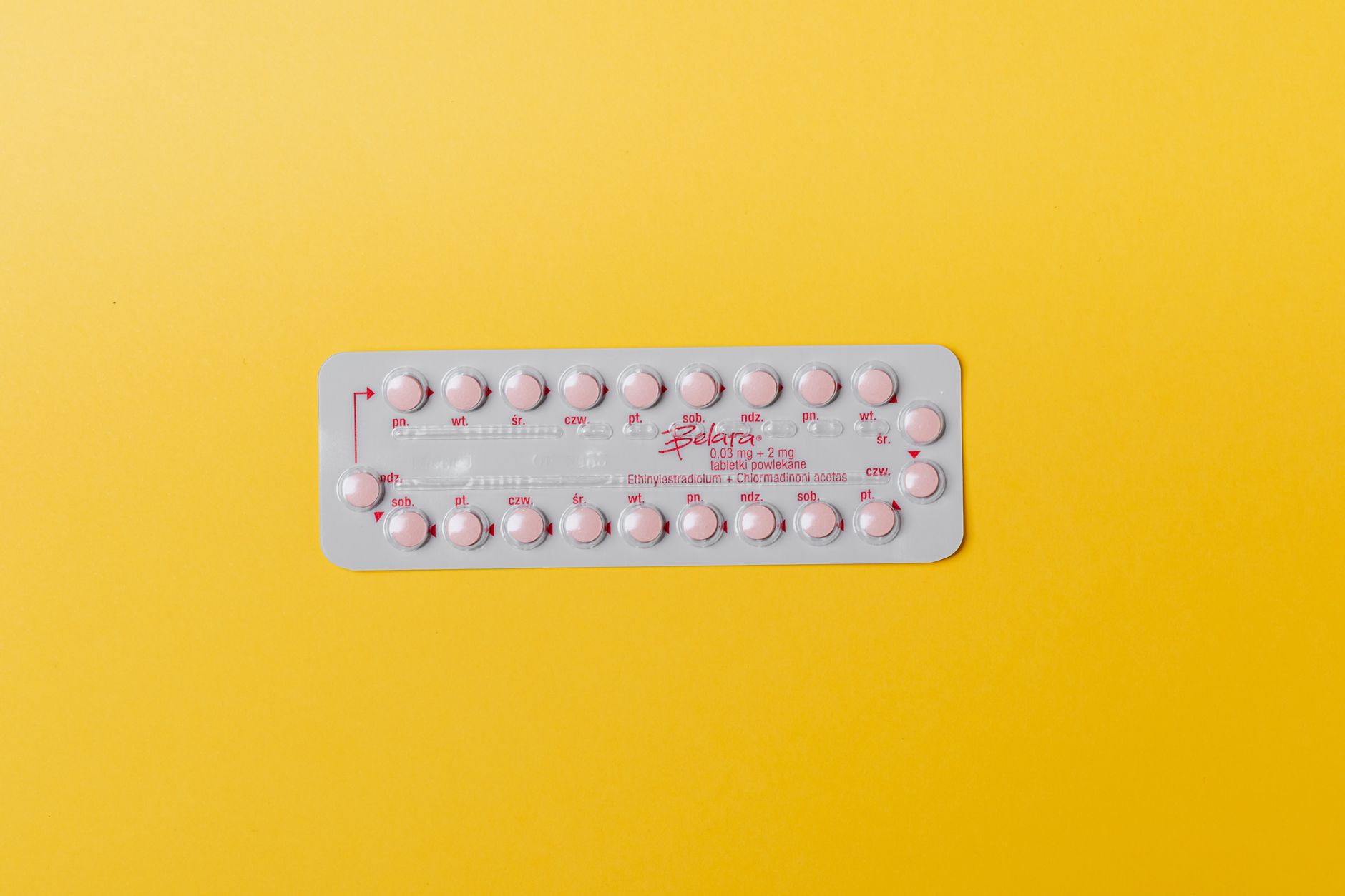
In an era increasingly defined by rapid technological advancements and a growing emphasis on personalized wellness, understanding the intricate symphony played by our hormones is more crucial than ever. As we look towards 2026 and beyond, the science of endocrinology continues to unravel new insights into how these powerful chemical messengers silently orchestrate nearly every aspect of our physical and mental well-being. From the moment we wake up until we fall asleep, hormones are influencing our energy levels, shaping our emotional responses, and even determining how our bodies store and utilize fuel.
Many of us experience unexplained fatigue, stubborn weight gain, or unpredictable mood swings, often dismissing them as inevitable consequences of modern life or aging. However, these common complaints frequently trace back to subtle, or sometimes significant, imbalances within our hormonal systems. Imagine a finely tuned orchestra where even one instrument plays out of sync – the overall harmony is disrupted. Our bodies are no different. When hormones are out of whack, the whole system can feel off-kilter.
This comprehensive guide aims to demystify the world of hormones, exploring their profound impact on your energy, mood, and weight. We'll delve into the key players, discuss how cutting-edge health technologies are making hormonal assessment more accessible, and outline practical, natural strategies you can adopt to support your hormonal balance and foster a more vibrant, energetic, and emotionally stable self as we navigate the future.
What Are Hormones? Your Body's Master Communicators
At their core, hormones are chemical messengers produced by your endocrine glands. These glands, including the pituitary, thyroid, adrenals, pancreas, ovaries (in women), and testes (in men), release hormones directly into your bloodstream. Once circulating, these messengers travel to specific target cells or organs, where they bind to receptors and trigger a wide array of physiological responses. Think of them as the body's internal email system, sending precise instructions to specific recipients.
Their functions are incredibly diverse, influencing:
- Metabolism: How your body converts food into energy.
- Growth and Development: From childhood through adulthood.
- Reproduction: Fertility, sexual function, and development.
- Mood and Cognition: Affecting everything from happiness to focus.
- Sleep-Wake Cycles: Regulating your circadian rhythm.
- Stress Response: Preparing your body for 'fight or flight'.
- Immune Function: Modulating your body's defense system.
The beauty and complexity of this system lie in its delicate balance. Too much or too little of even one hormone can have ripple effects throughout your entire body, leading to a cascade of symptoms that can significantly impact your quality of life. Understanding these fundamental roles is the first step toward recognizing and addressing potential imbalances.
The Hormone Connection: Energy, Mood, and Weight
Let's dive into how specific hormones influence three crucial pillars of well-being: energy, mood, and weight.
Hormones and Your Energy Levels
Feeling perpetually tired, even after a full night's sleep? Hormones are often at the helm of your energy reserves:
- Thyroid Hormones (T3, T4): Produced by the thyroid gland, these are your body's metabolic master regulators. They dictate how quickly your cells convert nutrients into energy. Too little (hypothyroidism) can lead to profound fatigue, sluggishness, and difficulty concentrating. Too much (hyperthyroidism) can cause anxiety, rapid heart rate, and unintended weight loss, paradoxically often accompanied by a feeling of being 'wired but tired'.
- Cortisol: The primary stress hormone released by the adrenal glands. In healthy cycles, cortisol is high in the morning to help you wake up and gradually declines throughout the day. Chronic stress, however, can lead to perpetually elevated cortisol, which can initially cause a wired feeling, but eventually exhausts the adrenals, leading to adrenal fatigue symptoms like persistent tiredness, especially in the afternoon.
- Insulin: Produced by the pancreas, insulin helps your cells absorb glucose (sugar) from your bloodstream for energy. If your cells become insulin resistant (often due to a diet high in refined carbohydrates), glucose struggles to enter cells, leaving you feeling tired and craving more sugar.
- DHEA: Dehydroepiandrosterone is an adrenal hormone that serves as a precursor to other hormones like testosterone and estrogen. Often called the 'anti-aging hormone', healthy DHEA levels are associated with vitality and energy. Low DHEA can contribute to fatigue and decreased well-being.
Hormones and Your Mood
Our emotions are a complex interplay of brain chemistry, experiences, and, crucially, hormones:
- Estrogen and Progesterone: Primarily female sex hormones, but present in men too. Fluctuations in estrogen, particularly, are well-known for their impact on mood, contributing to premenstrual syndrome (PMS), perimenopausal symptoms, and postpartum depression. Estrogen influences neurotransmitters like serotonin, which regulates mood, and dopamine, associated with pleasure and motivation. Progesterone has a calming effect, often promoting relaxation.
- Testosterone: While often associated with men, testosterone is vital for women's health too. Healthy testosterone levels are linked to energy, motivation, libido, and a sense of well-being. Low testosterone in both sexes can contribute to irritability, low mood, and decreased drive.
- Cortisol: As mentioned, chronic stress leading to sustained high cortisol can disrupt neurotransmitter balance, contributing to anxiety, irritability, and even depressive symptoms.
- Thyroid Hormones: Imbalances here can directly affect mood. Hypothyroidism is often linked to depression, while hyperthyroidism can manifest as anxiety, nervousness, and emotional lability.
Hormones and Your Weight
Weight management is far more intricate than simply 'calories in, calories out'. Hormones play a pivotal role in regulating appetite, metabolism, and fat storage:
- Insulin: Beyond energy, insulin is a fat-storage hormone. When insulin levels are constantly high (due to frequent intake of refined sugars and carbohydrates), your body is signaled to store fat rather than burn it. Insulin resistance is a major contributor to weight gain, especially around the abdomen.
- Leptin: Produced by fat cells, leptin is your 'satiety hormone'. It signals to your brain when you've had enough to eat. However, in cases of chronic overeating or obesity, the brain can become resistant to leptin's signals, leading to persistent hunger and difficulty losing weight.
- Ghrelin: The 'hunger hormone', produced primarily in the stomach. Ghrelin levels rise before meals, stimulating appetite, and decrease after eating. Sleep deprivation can increase ghrelin, making you feel hungrier.
- Thyroid Hormones: Low thyroid function slows metabolism, making weight gain easier and weight loss harder, even with diligent effort.
- Estrogen: In perimenopause and menopause, declining estrogen can lead to a shift in fat distribution, often accumulating around the belly rather than the hips and thighs, even if overall weight doesn't change drastically.
- Cortisol: Chronic high cortisol promotes fat storage, particularly visceral fat around the abdomen, and can increase cravings for high-sugar, high-fat comfort foods.
Spotting the Signs of Hormonal Imbalance
Given their pervasive influence, signs of hormonal imbalance can be wide-ranging and often overlap with symptoms of other conditions. This complexity is why getting a precise diagnosis often requires professional input. However, paying attention to persistent or worsening symptoms can be the first step towards seeking help. Common indicators include:
- Chronic fatigue or feeling tired all the time, despite adequate sleep.
- Unexplained weight gain or difficulty losing weight, especially around the abdomen.
- Persistent low mood, anxiety, irritability, or frequent mood swings.
- Insomnia or disturbed sleep patterns.
- Hot flashes, night sweats, or intolerance to heat/cold.
- Decreased libido or sexual dysfunction.
- Digestive issues like bloating, constipation, or diarrhea.
- Skin problems such as acne or excessive dryness.
- Hair thinning or loss.
- Brain fog, difficulty concentrating, or memory issues.
- Irregular menstrual cycles or severe PMS symptoms.
The key is to notice if several of these symptoms appear together and persist over time, significantly impacting your daily life. It's not about self-diagnosing, but about recognizing patterns in your health that warrant further investigation.
Health Technologies: Understanding Hormonal Testing
In the past, identifying hormonal imbalances often involved general symptom analysis and a trial-and-error approach. Today, health technologies have significantly advanced, offering more precise and accessible ways to measure hormone levels, though interpretation still requires expert guidance.
Types of Hormonal Tests:
- Blood Tests: This is the most common method for measuring hormones like thyroid hormones (TSH, Free T3, Free T4), cortisol, insulin, estrogen, progesterone, testosterone, and DHEA. Blood tests provide a snapshot of hormone levels at a specific moment.
- Saliva Tests: Increasingly popular for measuring steroid hormones (cortisol, DHEA, estrogen, progesterone, testosterone), saliva tests can often capture the 'bioavailable' or unbound hormone levels. They are also convenient for measuring hormones at multiple points throughout the day (e.g., a 24-hour cortisol curve) without repeated blood draws.
- Urine Tests (e.g., DUTCH Test): The Dried Urine Test for Comprehensive Hormones (DUTCH) provides an in-depth analysis of sex hormones and their metabolites, adrenal hormones (cortisol and DHEA), and even melatonin. It offers insights into how hormones are being produced and metabolized by the body, which can be crucial for understanding complex imbalances. This technology allows for a broader look at the hormonal ecosystem.
Considerations and Limitations:
"While advanced hormonal testing provides invaluable data, it's crucial to remember that hormone levels fluctuate based on time of day, menstrual cycle phase, stress, and even recent food intake. A single test result is a piece of a larger puzzle. Furthermore, 'normal' reference ranges on a lab report don't always equate to 'optimal' for an individual's health and symptoms. This is where the expertise of a healthcare professional becomes indispensable for accurate interpretation."
The rise of at-home testing kits, particularly for general wellness markers, has made initial screening more accessible. However, always ensure these kits are from reputable sources and that the results are discussed with a qualified doctor or endocrinologist. They can help contextualize your results with your symptoms, medical history, and lifestyle, guiding you towards appropriate interventions, which may or may not involve medication. The goal is to move beyond just identifying a number and towards understanding its physiological significance for your body.
Natural Strategies to Support Hormonal Balance
While some hormonal imbalances may require medical intervention, many individuals can significantly improve their hormonal health through lifestyle adjustments. These natural strategies are foundational for well-being and often work synergistically.
1. Prioritize Nutrient-Dense Nutrition
- Embrace Whole Foods: Focus on a diet rich in organic fruits, vegetables, lean proteins, and healthy fats. These provide the necessary vitamins, minerals, and antioxidants for hormone synthesis and function.
- Healthy Fats are Key: Avocados, nuts, seeds, olive oil, and fatty fish (like salmon) provide essential fatty acids (e.g., Omega-3s) which are crucial building blocks for hormones and help reduce inflammation that can disrupt hormonal signaling.
- Fiber for Detoxification: Plenty of fiber from vegetables, fruits, and legumes aids in the healthy elimination of excess hormones (like estrogen) and toxins, preventing their recirculation and potential imbalance.
- Stabilize Blood Sugar: Minimize refined sugars and processed carbohydrates. These cause rapid spikes in insulin, contributing to insulin resistance and fat storage. Opt for complex carbohydrates like whole grains and sweet potatoes, paired with protein and fat to slow glucose absorption.
- Hydrate Adequately: Water is essential for every bodily function, including the transport and elimination of hormones.
2. Optimize Your Sleep
Sleep is a non-negotiable pillar of hormonal health. During deep sleep, your body repairs, detoxifies, and regulates critical hormones.
- Aim for 7-9 Hours: Consistent, quality sleep is crucial. Lack of sleep directly impacts cortisol, ghrelin, and leptin, making you hungrier, more stressed, and less energetic.
- Establish a Routine: Go to bed and wake up around the same time each day, even on weekends.
- Create a Sleep Sanctuary: Ensure your bedroom is dark, quiet, and cool. Limit screen time before bed, as blue light can disrupt melatonin production.
3. Manage Stress Effectively
Chronic stress is a hormone disruptor. Sustained high cortisol can deplete other hormones and contribute to inflammation.
- Mindfulness and Meditation: Even 10-15 minutes a day can significantly lower cortisol levels.
- Deep Breathing Exercises: Activate your parasympathetic nervous system, promoting relaxation.
- Engage in Hobbies: Dedicate time to activities you enjoy to naturally reduce stress.
- Adaptogens: Certain herbs like Ashwagandha and Rhodiola (consult a professional) can help the body adapt to stress and balance cortisol levels.
4. Incorporate Regular, Balanced Movement
Exercise is a powerful tool for hormonal health, but balance is key.
- Strength Training: Builds muscle mass, which improves insulin sensitivity and boosts metabolism.
- Cardio (Moderate): Supports cardiovascular health and stress reduction. Avoid excessive, high-intensity cardio if you're already feeling exhausted, as it can sometimes elevate cortisol.
- Flexibility and Mobility: Yoga or Pilates can help reduce stress and improve body awareness.
- Consistency Over Intensity: Aim for regular movement that feels good for your body, rather than pushing to exhaustion.
5. Minimize Environmental Toxin Exposure
Our modern world exposes us to 'endocrine-disrupting chemicals' (EDCs) found in plastics, pesticides, and personal care products. These chemicals can mimic or block hormones, leading to imbalances.
- Choose Glass Over Plastic: Especially for food and drink storage.
- Filter Your Water: To remove chlorine and other contaminants.
- Eat Organic (When Possible): Reduce pesticide intake.
- Review Personal Care Products: Opt for products free of parabens, phthalates, and synthetic fragrances.
- Improve Indoor Air Quality: With plants and good ventilation.
When to Consult a Healthcare Professional
While lifestyle changes are incredibly powerful, they are not always sufficient to resolve significant hormonal imbalances. If you've implemented these strategies consistently and your symptoms persist, worsen, or are severely impacting your quality of life, it's essential to consult a qualified healthcare provider. This could be your primary care physician, an endocrinologist, a functional medicine doctor, or a naturopath experienced in hormonal health. They can offer accurate diagnosis, discuss advanced testing, and recommend appropriate treatments, which may include hormone replacement therapy (HRT) or targeted medications, if necessary. Remember, seeking professional advice is a sign of proactive health management, not failure.
Key Takeaways
- Hormones are powerful chemical messengers orchestrating energy, mood, and weight.
- Common symptoms like fatigue, mood swings, and weight changes often signal hormonal imbalance.
- Advanced health technologies offer various testing methods (blood, saliva, urine) to assess hormonal status, but expert interpretation is vital.
- Natural strategies like nutrient-dense eating, quality sleep, stress management, balanced exercise, and reducing toxin exposure are foundational for hormonal harmony.
- Listen to your body and consult a healthcare professional for persistent or severe symptoms to explore personalized solutions.
FAQ: Frequently Asked Questions About Hormonal Health
Q1: Can specific foods cause hormonal imbalance?
A1: While no single food causes a hormonal imbalance in isolation, certain dietary patterns can significantly contribute to them. Diets high in refined sugars, processed foods, and unhealthy fats can lead to chronic inflammation and insulin resistance, disrupting hormones like insulin, leptin, and cortisol. Conversely, a diet rich in whole, unprocessed foods, healthy fats, and fiber supports hormonal health by providing essential building blocks and aiding detoxification. For example, excessive caffeine can temporarily spike cortisol, and high alcohol intake can affect estrogen metabolism.
Q2: How long does it take to rebalance hormones naturally?
A2: The timeline for rebalancing hormones naturally varies greatly depending on the individual, the severity and type of imbalance, and consistency of lifestyle changes. Minor imbalances might show improvement within a few weeks to a few months of dedicated effort in diet, sleep, and stress management. More significant or chronic issues could take six months to a year, or even longer. It's often a gradual process, not an overnight fix, and requires patience and persistence. Regular communication with your healthcare provider can help monitor progress.
Q3: Are hormone supplements safe and effective?
A3: The term 'hormone supplements' can refer to a wide range of products, from herbal adaptogens (like ashwagandha) that support hormone production to bioidentical hormone replacement therapy (BHRT) which involves actual hormones. While some over-the-counter supplements might support overall endocrine health, it's crucial to exercise caution. Taking actual hormones or precursors without proper medical guidance and testing can be risky and potentially worsen imbalances. Always consult a healthcare professional before starting any hormone-altering supplements, as they can have significant side effects and interactions with other medications.
Q4: Does aging always mean declining hormonal health?
A4: While some hormonal changes are a natural part of aging (e.g., declining estrogen in menopause or testosterone in andropause), declining hormonal health is not inevitable. The severity of symptoms and the overall impact of these changes are highly individual and can be significantly influenced by lifestyle. Adopting proactive strategies for diet, exercise, stress management, and environmental awareness can help mitigate age-related hormonal shifts, support optimal function for longer, and improve quality of life throughout the aging process. Many people maintain robust hormonal health well into their later years through conscious choices.
Conclusion: Your Journey to Hormonal Wellness
Understanding your hormones is akin to possessing a powerful map to your body's inner workings. As we advance into 2026, the convergence of health technologies and a deeper appreciation for holistic wellness offers unprecedented opportunities to fine-tune this delicate system. Your energy, your moods, and your weight are not fixed entities but rather dynamic reflections of your internal hormonal landscape. By adopting informed choices regarding your nutrition, sleep, stress management, movement, and environmental exposures, you hold the power to significantly influence this landscape.
Embrace this knowledge as a catalyst for a more vibrant future. Be proactive, listen to your body's subtle signals, and don't hesitate to partner with healthcare professionals who can guide you on your unique journey toward hormonal harmony. Your well-being, vitality, and resilience depend on it, paving the way for a thriving life in the years to come.
Disclaimer: This article is for informational purposes only and does not constitute medical advice. Always consult a qualified healthcare provider.
Comments (0)
To comment, please login or register.
No comments yet. Be the first to comment!