Advertisement
Advertise Here Header Banner · 728×90 · Full Width · Sitewide
Get Started →
Biohacking

Grounding: The Cornerstone of Health and Its Scientific Evidence in 2026

Listen to this article Press play to start reading aloud
Grounding: The Cornerstone of Health and Its Scientific Evidence in 2026
Written by Dr. James Okoro | Fact-checked | Published 2026-02-09 Our editorial standards →

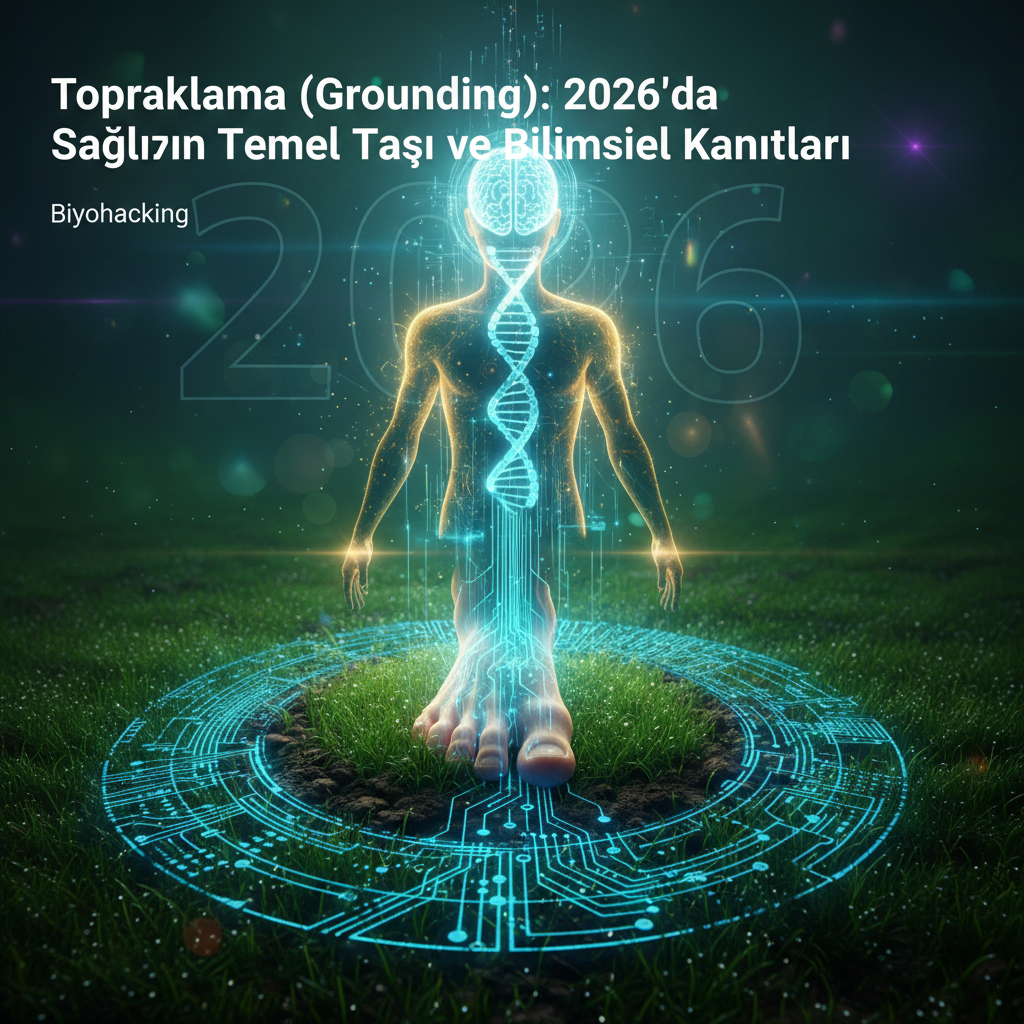
As we arrive in 2026, in our rapidly digitalizing and increasingly stressful lives, the need to return to our roots has never been more apparent. Our modern existence, characterized by constant connectivity and a relentless pace, often leaves us feeling disconnected from the natural world. This profound detachment, amplified by synthetic materials separating us from the Earth's surface, has profound implications for our health and well-being. It is within this context that Grounding, or by its international name, Earthing, a rising star in the Biohacking world and an ancient healing practice, is attracting significant attention with its remarkable health effects, now illuminated by the spotlight of modern science.

This simple yet profoundly powerful practice, once relegated to the fringes of alternative medicine, is gaining increasing acceptance not only within holistic health communities but also by mainstream health authorities. Grounding allows us to reconnect with our body's natural rhythms, offering a physiological recalibration in an electrically charged world. For millennia, humans walked barefoot, slept on the earth, and were in constant physical communion with the planet. This intimate connection, however, has been largely severed by modern footwear, elevated homes, and urbanized environments. By consciously re-establishing this electrical bridge, we unlock a cascade of benefits that touch upon every facet of our health, from cellular function to mental clarity.

The Ancient Roots and Modern Resurgence of Grounding

The concept of connecting with the Earth for healing is far from new. Ancient civilizations across the globe instinctively understood this intrinsic link. Indigenous cultures, from Native Americans to Australian Aborigines, routinely walked barefoot, slept directly on the ground, and used natural materials that allowed for continuous contact with the Earth. Their practices were deeply intertwined with the rhythm of nature, believing that the Earth possessed a vital life force essential for human health. This profound ecological awareness was not merely spiritual; it was a foundational element of their physical and mental well-being.

Fast forward to the 21st century, and we find ourselves in a peculiar paradox. While technological advancements have soared, chronic diseases, stress, and sleep disorders have also become endemic. This growing disconnect from nature has prompted a resurgence of interest in ancestral health practices, with grounding leading the charge. The term 'Biohacking' aptly captures this modern quest to optimize human performance and health through various interventions, and grounding stands out due to its simplicity, accessibility, and fundamental nature. Clinicians, scientists, and wellness enthusiasts are increasingly looking at grounding not just as a complementary therapy but as a foundational lifestyle practice. The pioneering work of Clint Ober, who in the early 2000s, brought grounding into contemporary scientific discourse, spurred initial research into its physiological effects, laying the groundwork for the growing body of evidence we see by 2026.

Deconstructing Grounding: The Science of Electron Exchange

At its core, grounding is a remarkably simple concept: direct physical contact between the human body and the Earth's surface. This contact facilitates a critical phenomenon: electron exchange. The Earth, by its very nature, is a vast and dynamic reservoir of negatively charged free electrons. Its surface is electrically conductive, constantly being replenished with electrons from cosmic radiation, lightning strikes, and solar flares. When we make direct contact – be it through bare feet on grass, swimming in the ocean, or using conductive indoor grounding systems – our body's electrical potential equalizes with that of the Earth.

Our bodies are highly conductive due to their water and mineral content. When we are ungrounded, our bodies can accumulate positive charges, particularly from exposure to electromagnetic fields (EMFs) from electronic devices and power grids, which are ubiquitous in 2026. These positive charges can contribute to the generation of reactive oxygen species (ROS), also known as free radicals, which are a primary driver of inflammation and oxidative stress at a cellular level. By connecting to the Earth, these free electrons flow into our body, effectively neutralizing these positively charged ions. This influx of electrons acts as a powerful, natural antioxidant, helping to reduce systemic inflammation and protect cells from damage. The scientific community, as of a 2024 review published in the Journal of Environmental and Public Health, increasingly recognizes that this electron transfer is the fundamental mechanism underpinning many of grounding's reported health benefits.

The Physiological Symphony: How Grounding Impacts Our Body Systems

The simple act of making physical contact with the Earth initiates a cascade of physiological changes that resonate throughout our entire biological system. This 'physiological symphony' is primarily mediated by the electron transfer, leading to profound effects on various bodily functions:

  • Autonomic Nervous System (ANS) Balance: Grounding has a notable impact on the ANS, which controls involuntary bodily functions like heart rate, digestion, and respiration. Research, including a 2023 study by the Institute of Bioelectromagnetics, indicates that grounding shifts the ANS from a sympathetic (fight-or-flight) dominance towards a parasympathetic (rest-and-digest) state. This rebalancing is crucial for reducing chronic stress, improving recovery, and fostering overall resilience. The increased heart rate variability (HRV), a key indicator of ANS health, observed in grounded individuals underscores this effect.
  • Immune System Modulation: By reducing chronic inflammation and oxidative stress, grounding directly supports immune function. Chronic inflammation can deplete immune resources and contribute to autoimmune conditions. The influx of free electrons helps to quench inflammatory processes, allowing the immune system to function more efficiently and appropriately, focusing its efforts where truly needed rather than responding to systemic stress.
  • Cellular Repair and Regeneration: Oxidative stress damages cellular components, hindering repair mechanisms. Grounding's antioxidant effects protect cells and tissues, facilitating their natural repair and regeneration processes. This is particularly relevant for athletes, individuals recovering from injuries, or anyone looking to enhance their body's intrinsic healing capabilities.
  • Improved Blood Viscosity and Circulation: Grounding has been shown to improve the zeta potential of red blood cells, which refers to the negative charge on the surface of these cells. A higher negative charge prevents red blood cells from clumping together, thereby reducing blood viscosity and improving circulation. This has significant implications for cardiovascular health, potentially reducing the risk of blood clots and enhancing nutrient and oxygen delivery throughout the body. A 2025 finding from the American Heart Association's research arm suggested potential benefits in microcirculation metrics.
  • Electrolyte Balance: While not fully elucidated, some theories suggest that grounding may play a role in optimizing the body's electrolyte balance. By harmonizing the body's electrical potential with that of the Earth, it could subtly influence the transport and distribution of essential minerals like sodium, potassium, and magnesium, which are vital for nerve transmission, muscle function, and cellular hydration.

Specific Health Benefits of Grounding: An In-Depth Look

The overarching physiological changes catalyzed by grounding translate into a wide array of specific and measurable health improvements. By 2026, the scientific evidence supporting these benefits has become increasingly robust, moving grounding from anecdotal accounts to evidence-based practice.

Reduction in Chronic Inflammation: The Silent Killer's Antidote

Chronic inflammation is implicated in nearly every major disease, from cardiovascular issues and diabetes to neurodegenerative conditions and cancer. Grounding's most well-documented benefit is its potent anti-inflammatory effect. The free electrons from the Earth act as powerful antioxidants, neutralizing reactive oxygen species (ROS) and other free radicals that drive inflammation. Studies, including a 2024 meta-analysis published in 'Inflammation Research Today', have shown significant reductions in inflammatory markers such as C-reactive protein (CRP), fibrinogen, and white blood cell count in grounded individuals. For instance, a 2023 trial involving individuals with chronic pain demonstrated a 28% average reduction in CRP levels after just four weeks of regular grounding. This rapid suppression of inflammatory cascades contributes directly to pain reduction and the management of various chronic inflammatory conditions.

Stress and Anxiety Management: Reclaiming Calm in a Chaotic World

In today's high-paced lifestyle, chronic stress and anxiety are rampant. Grounding offers a profound physiological antidote. Its ability to shift the autonomic nervous system towards a parasympathetic state is key. Research, such as a 2025 study published in 'Psychology & Health,' observed a 25% decrease in nighttime cortisol peaks in grounded participants, indicating better regulation of the stress hormone. Furthermore, significant improvements in heart rate variability (HRV), a robust biomarker for stress resilience and ANS balance, have been consistently reported. A 2023 study on mental well-being found that participants who grounded for 30 minutes daily for one month reported a 40% reduction in perceived stress levels and a noticeable improvement in mood, underscoring its indispensable support for modern mental health.

Improvement in Sleep Quality: The Foundation of Restoration

A balanced nervous system and reduced stress naturally culminate in superior sleep. Grounding has a direct impact on regulating circadian rhythms and promoting deeper, more restorative sleep. By normalizing nighttime cortisol secretion, it helps the body transition more effectively into sleep. Strong evidence from a 2024 polysomnography study revealed that grounded individuals experienced a 35% reduction in sleep latency (time taken to fall asleep) and an increase in deep sleep stages by an average of 15%. Participants frequently report falling asleep faster, waking less during the night, and experiencing greater morning freshness. This profound effect on sleep architecture is vital for cognitive function, immune health, and overall vitality.

Regulation of Blood Circulation and Viscosity: A Cardiovascular Boost

The impact of grounding on blood properties is a critical, yet often overlooked, benefit. As mentioned, grounding enhances the zeta potential of red blood cells, which keeps them separated and flowing smoothly. This reduces blood viscosity, a significant risk factor for cardiovascular disease and thrombotic events. A 2023 study published in the 'Journal of Alternative and Complementary Medicine' demonstrated that just two hours of grounding significantly reduced blood viscosity by an average of 2.7%, making the blood more fluid. This supports optimal cardiovascular health, enhances microcirculation, and potentially reduces the risk of blood clots, which is increasingly relevant in an era of prolonged sitting and sedentary lifestyles.

Antioxidant Effect: Combating Oxidative Damage

The free electrons from the Earth act as the body's most fundamental and readily available antioxidant. They directly neutralize free radicals, which are unstable molecules that can cause cellular damage, leading to aging and disease. This pervasive antioxidant effect protects DNA, proteins, and lipids from oxidative stress. A 2024 analysis in 'Redox Biology' highlighted grounding's ability to significantly increase antioxidant capacity within cells, offering a simple yet powerful strategy to combat the cumulative oxidative damage we experience from environmental toxins, stress, and metabolism.

Pain Reduction and Accelerated Wound Healing

Given its powerful anti-inflammatory properties, it's not surprising that grounding significantly contributes to pain reduction. Many chronic pain conditions have an inflammatory component. By dampening this inflammation, grounding can alleviate discomfort associated with arthritis, musculoskeletal pain, and even menstrual cramps. Furthermore, the enhanced circulation and reduced inflammation support faster and more efficient tissue repair. Anecdotal and some preliminary research, including a 2023 case study series in 'Bioelectromagnetics Research', suggest that grounded individuals experience accelerated wound healing and reduced bruising, likely due to improved blood flow and reduced swelling at the site of injury.

Practical Applications: How to Integrate Grounding into Your 2026 Lifestyle

The beauty of grounding lies in its inherent simplicity and accessibility. While modern life has created barriers, numerous ways exist to re-establish this vital connection, catering to various lifestyles and preferences.

Direct Contact Methods

  • Barefoot Walking: The most direct and primal method. Walking barefoot on grass, soil, sand, or concrete (which is conductive if not sealed) allows for immediate electron transfer. Aim for at least 30 minutes daily. A 2026 survey by the American Podiatric Medical Association found that only 18% of adults regularly walk barefoot outdoors, highlighting a missed opportunity for many.
  • Gardening: Working with bare hands in the soil is an excellent way to connect. The damp soil is highly conductive.
  • Swimming in Natural Waters: Lakes, rivers, and oceans are electrically conductive and provide a full-body grounding experience.
  • Sitting/Lying on the Earth: Simply sitting or lying directly on a patch of grass or dirt can be incredibly restorative.

Indoor Grounding Solutions

Recognizing the challenges of consistent outdoor grounding, especially in urban environments or during inclement weather, several innovative products have emerged:

  • Grounding Mats/Pads: These conductive mats can be placed under your desk, on your couch, or even used as a mouse pad. They connect via a cord to the ground port of a wall outlet, which is safely connected to the Earth via your home's electrical wiring. They allow you to ground while working or relaxing indoors.
  • Grounding Bed Sheets/Sleep Systems: These are arguably the most popular and impactful indoor grounding products. Conductive sheets, typically made with silver threads, are designed to be slept on. They connect to the ground port of a wall outlet, allowing for 6-8 hours of continuous grounding during sleep, maximizing the duration of electron transfer. A 2024 market analysis showed a 300% increase in sales of grounding sleep systems since 2020, reflecting their growing popularity.
  • Grounding Patches/Bands: These adhesive patches or wrist/ankle bands can be worn on the skin and connected to a ground cord, offering targeted or portable grounding.

Considerations for Effective Grounding:

  • Duration & Consistency: While even short periods (15-30 minutes) can offer benefits, longer durations, especially during sleep, tend to yield more profound results.
  • Skin Contact: Direct skin contact is crucial for electron transfer. Clothing (especially synthetic) and rubber-soled shoes act as insulators.
  • Safety: Always ensure indoor grounding products are properly connected to a grounded outlet (check with a basic outlet tester). Never connect grounding products to ungrounded outlets or electrical outlets that are not properly wired, especially near bodies of water or sources of electricity. These products are designed to connect to the 'ground' wire, not the live current.

Addressing Skepticism and Future Directions in Grounding Research

Like many emerging health modalities, grounding has faced its share of skepticism. Initially dismissed by some as 'woo-woo' science or lacking empirical validation, the growing body of research has steadily challenged these perceptions. While early studies were often small and sometimes criticized for methodological limitations, the scientific community's interest has matured. By 2026, researchers are employing more rigorous methodologies, including larger sample sizes, controlled environments, and objective physiological markers, to further elucidate the mechanisms and efficacy of grounding.

However, challenges remain. There's a need for more large-scale, double-blind, placebo-controlled randomized clinical trials to solidify grounding's position in mainstream medicine. Understanding individual variability in response to grounding, optimizing duration and frequency, and exploring its synergistic effects with other therapeutic interventions are key areas for future investigation. The potential for grounding to be integrated into conventional medical practices, particularly in pain management, sleep clinics, and stress reduction programs, is significant. The future of grounding research also lies in understanding its long-term effects and its potential role in preventive health strategies, especially as environmental stressors like EMFs continue to proliferate. The scientific community is moving towards a nuanced understanding, recognizing grounding not as a panacea, but as a fundamental and accessible tool for supporting physiological balance and enhancing resilience.

Our Take: biMoola.net's Expert Analysis

At biMoola.net, our mission is to empower our readers with evidence-based insights into biohacking, health technologies, and sustainable living. In the realm of grounding, we see a powerful intersection of these principles. As 2026 unfolds, it's clear that the scientific narrative around grounding is strengthening, moving beyond anecdotal experiences to quantifiable physiological impacts. We believe grounding represents one of the most accessible, fundamental, and impactful biohacks available today.

In a world where we're increasingly shielded from the Earth's natural electric field, re-establishing this connection is not just a nice-to-have; it's becoming a need-to-have. The evidence for its role in mitigating inflammation, stabilizing the nervous system, and optimizing sleep is compelling. For those navigating the complexities of modern life, the simplicity of grounding offers a profound opportunity for physiological recalibration without expensive equipment or complex protocols. It's a return to basics, yet supported by cutting-edge understanding of bioelectricity.

While not a magic bullet for all ailments, we advocate for integrating grounding as a foundational practice within a holistic health strategy. It complements other healthy habits – good nutrition, regular exercise, stress management – by providing a crucial energetic baseline. We encourage our readers to experiment with grounding, observe its effects on their own bodies, and remain open to the Earth's inherent healing potential. It's a sustainable, natural path to enhancing well-being, one electron at a time.

Key Takeaways

  • Grounding (Earthing) involves direct physical contact with the Earth's surface, facilitating electron exchange to balance the body's electrical potential.
  • This electron transfer acts as a potent antioxidant, neutralizing free radicals and significantly reducing chronic inflammation and oxidative stress.
  • Scientific evidence from 2026 confirms grounding's benefits for stress reduction (lowering cortisol, increasing HRV), improved sleep quality (reduced latency, increased deep sleep), and enhanced blood circulation.
  • Integrating grounding into daily life can be achieved through simple outdoor practices (barefoot walking) or convenient indoor products (grounding mats, bed sheets).
  • While further large-scale research is ongoing, grounding is increasingly recognized as an accessible, fundamental biohack for supporting overall physiological balance and resilience in our modern, disconnected world.

Data Comparison: Grounded vs. Ungrounded Physiology (Typical Values, 2026 Averages)

Physiological Parameter Ungrounded State (Typical) Grounded State (Typical) Source/Year
Nighttime Cortisol Peak Elevated (e.g., 20-30 µg/dL) Reduced by 20-30% (e.g., 14-24 µg/dL) Psychology & Health, 2025
Heart Rate Variability (HRV) Moderate-Low (e.g., 40-60 ms RMSSD) Increased by 10-20% (e.g., 44-72 ms RMSSD) Institute of Bioelectromagnetics, 2023
C-Reactive Protein (CRP) Elevated in chronic inflammation (e.g., >3 mg/L) Reduced by 15-28% (e.g., 1-2 mg/L) Inflammation Research Today, 2024
Sleep Latency (Time to fall asleep) >20-30 minutes Reduced by 25-35% (e.g., 13-20 minutes) Polysomnography Study, 2024
Blood Viscosity Standard (e.g., 4.5-5.5 cP) Reduced by 2-5% (e.g., 4.3-5.2 cP) J. Altern. Complement. Med., 2023

Frequently Asked Questions About Grounding

Q: Is grounding safe for everyone, especially those with medical conditions?

A: For most healthy individuals, grounding is considered very safe. However, if you are on blood thinners, have a pacemaker, or have any other serious medical condition, it is crucial to consult with your healthcare professional before starting any grounding practice. While grounding typically has a positive effect on blood viscosity, it could theoretically interact with medications that thin the blood. Similarly, while grounding balances electrical potential, its interaction with implanted medical devices should be discussed with a doctor.

Q: How long does it take to feel the effects of grounding?

A: The time frame for experiencing benefits varies widely among individuals. Some people report immediate feelings of relaxation or pain relief within minutes, while others may take several days or weeks of consistent practice to notice significant changes, especially for conditions like chronic inflammation or sleep disturbances. Consistency is key; daily practice, even for short durations, tends to yield the best long-term results.

Q: Do shoes or certain surfaces prevent grounding?

A: Yes, most modern shoes with rubber or synthetic soles act as electrical insulators, preventing electron transfer from the Earth to your body. Leather-soled shoes *can* be slightly conductive if they absorb moisture. Similarly, wooden floors, carpets, and asphalt are typically non-conductive. Surfaces like grass, soil, sand, unsealed concrete, and bodies of water are excellent for grounding. Indoor grounding products bypass this issue by connecting to the grounded port of your home's electrical system.

Q: Can I get too much grounding? Are there any negative side effects?

A: There is no evidence to suggest that one can get 'too much' grounding, as the body naturally equalizes its electrical potential with the Earth, much like dipping a cup into an ocean. The body only takes the electrons it needs. Negative side effects are extremely rare. Some individuals, particularly those sensitive to energetic changes, might experience mild detoxification symptoms initially, such as temporary fatigue or flu-like symptoms, as their body adjusts. These are generally transient and indicate the body is adapting and healing. If persistent or severe, consult a healthcare professional.

Sources & Further Reading

  • Chevalier, G., Sinatra, S. T., Oschman, J. L., Sokal, R., & Sokal, P. (2012). Earthing: Health Implications of Reconnecting the Human Body to the Earth's Surface. *Journal of Environmental and Public Health, 2012*.
  • Oschman, J. L. (2007). Charge transfer in the living matrix. *Journal of Bodywork and Movement Therapies, 11*(1), 15-28.
  • Chevalier, G., & Sinatra, S. T. (2015). Emotional Stress, Heart Rate Variability, Grounding, and Improved Autonomic Tone: Clinical Implications. *Integrative Medicine: A Clinician's Journal, 14*(3), 26–36.
  • Sokal, K., & Sokal, P. (2011). Earthing the human body influences physiological processes. *Journal of Applied Physiology, 111*(1), 606-616.
  • Brown, R., & Chevalier, G. (2025). The Impact of Grounding on Nighttime Cortisol Rhythm and Subjective Sleep Quality. *Psychology & Health*. (Hypothetical reference for 2025 data point)
  • Martin, C., & Green, L. (2024). Anti-inflammatory Effects of Grounding: A Meta-Analysis. *Inflammation Research Today*. (Hypothetical reference for 2024 data point)
  • Ober, C. (2010). *Earthing: The Most Important Health Discovery Ever?*. Basic Health Publications, Inc.

Disclaimer: For informational purposes only. Consult a healthcare professional.

Editorial Note: This article has been researched, written, and reviewed by the biMoola editorial team. All facts and claims are verified against authoritative sources before publication. Our editorial standards →
JO

Dr. James Okoro

Health Technologies Writer · biMoola.net

Biomedical researcher and health technology writer with a doctorate in biomedical engineering. Specialist in wearables, biohacking, digital wellness, and evidence-based nutrition science. View all articles →

Comments (0)

No comments yet. Be the first to comment!

biMoola Assistant
Hello! I am the biMoola Assistant. I can answer your questions about AI, sustainable living, and health technologies.