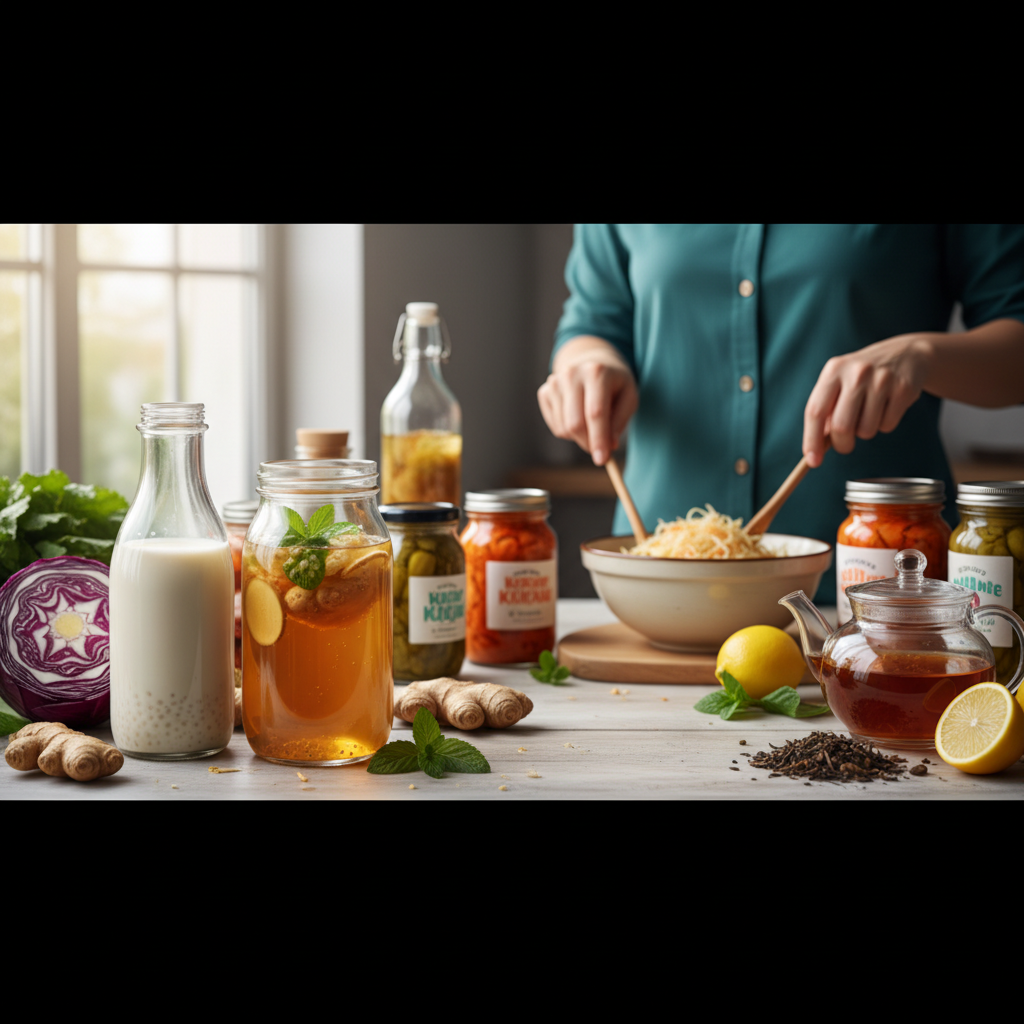
Sustainable Nutrition

Fermented Foods with a 2026 Perspective: Kefir, Kombucha, and Homemade Production Secrets

Fermented Foods with a 2026 Perspective: Kefir, Kombucha, and Homemade Production Secrets

Introduction: Gut Health and the Rise of Fermented Foods in 2026

As we arrive in 2026, we observe a revolutionary shift in our understanding of human health. We now comprehend not only symptoms but also the fundamental functioning of our bodies much better, especially the critical role of the gut microbiome. With this awareness, fermented foods have become an indispensable part of healthy living routines. Preparing our own fermented products at home stands out as the key to both a sustainable lifestyle and robust gut health. In this guide, you will discover how to produce kefir, kombucha, and other probiotic-rich foods at home, with the most up-to-date information from 2026.

Why Fermented Foods? Your Microbiome's Best Friend

Fermentation is a natural process used for thousands of years as a method to preserve foods and increase their nutritional value. Microorganisms (such as bacteria and yeast) break down carbohydrates, producing beneficial compounds like lactic acid and acetic acid. This process not only enhances the flavor and shelf life of food but also fills it with live probiotics. Probiotics support the good bacteria in our gut flora, creating positive effects in many areas, from digestion to the immune system, and even our mood.

The Scientific Basis and Benefits of Fermentation

Scientific research clearly demonstrates the effects of regular consumption of fermented foods on gut health. As of 2026, thanks to personalized microbiota analyses, we have more precise information on which probiotic strains are most beneficial for individuals. General benefits include:

  • Improved Digestion: Enables easier digestion of nutrients and reduces bloating.
  • Stronger Immune System: Since the gut houses a large part of the immune system, a healthy microbiota increases resistance to diseases.
  • Increased Nutrient Absorption: Fermentation enhances the synthesis of certain vitamins (especially B vitamins) and facilitates nutrient absorption.
  • Mood Improvement: Thanks to its positive effects on the gut-brain axis, it can help alleviate symptoms of anxiety and depression.
  • Detoxification: Supports the elimination of harmful substances from the body.

Create Your Own Fermented Miracles at Home: A Practical Guide for 2026

Making fermented food at home is much easier and more rewarding than you might think. As sustainable living practices increase in 2026, producing your own food is an environmentally conscious choice. Here are the steps for making two of the most popular fermented drinks at home:

Making Kefir: The Traditional Probiotic Drink

Kefir is a fermented drink prepared using milk or water with kefir grains (colonies of yeast and bacteria). It has a richer probiotic content than yogurt.

  1. Ingredients: 1 tablespoon live kefir grains, 1 liter whole milk (organic and pasteurized preferred), glass jar, breathable lid (cheesecloth and rubber band).
  2. Combine: Place the kefir grains in a clean glass jar. Add the milk over them and stir.
  3. Fermentation: Cover the mouth of the jar with cheesecloth and secure it with a rubber band. Leave it to ferment at room temperature (20-25°C) in a dark place for 24-48 hours. You can gently stir it occasionally.
  4. Strain and Store: When the kefir thickens and develops a slightly sour smell, separate the grains from the milk using a plastic strainer. Store the prepared kefir in the refrigerator. Feed the grains with milk again for the next batch or store them in a small amount of milk in the refrigerator.

Kombucha Preparation: Refreshing and Detoxifying Tea

Kombucha is a refreshing drink obtained by fermenting sweetened tea with a yeast/bacteria culture called SCOBY (Symbiotic Culture Of Bacteria and Yeast).

  1. Ingredients: 1 SCOBY, 1 cup prepared kombucha (starter liquid), 1 liter water, 2 black or green tea bags, 1/4 cup sugar, glass jar, cheesecloth and rubber band.
  2. Prepare Tea: Boil the water, then remove from heat. Add the tea bags and sugar. Wait until the sugar dissolves and the tea brews. Remove the tea bags when it reaches room temperature.
  3. Add SCOBY: Pour the cooled tea into the glass jar. Add the starter kombucha liquid and the SCOBY.
  4. Fermentation: Cover the mouth of the jar with cheesecloth and secure it with a rubber band. Leave it to ferment in a place away from direct sunlight, at room temperature (20-25°C), for 7-14 days. When it reaches your desired level of tartness by tasting, remove the SCOBY.
  5. Second Fermentation (Optional): To enrich its flavor, you can ferment it for another 2-5 days in a sealed bottle with additions like fruit or ginger.

Other Homemade Probiotic Sources

  • Vinegar-Free Pickles: Natural fermentation of vegetables in salt water.
  • Sauerkraut: Fermentation of finely shredded cabbage with salt.
  • Homemade Yogurt: Richer and fresher probiotic content compared to commercial yogurts.

Fermented Food Trends and Sustainability in 2026

The year 2026 brings new trends focused on innovation and sustainability in the world of fermented foods. While the popularity of plant-based fermented products (almond yogurt, cashew kefir) is increasing, personalized nutrition approaches are leading individuals to choose fermented products best suited for their own microbiome structure. Home production not only offers health benefits but also supports an environmentally conscious sustainable nutrition model by reducing packaging waste and utilizing local resources.

"The kitchens of the future are blending with the wisdom of the past; fermented foods are becoming the cornerstone of a sustainable life."

Safety and Considerations

When making fermented food at home, hygiene and correct techniques are vitally important. Ensure that all equipment you use is sterile. Obtain starter cultures (kefir grains, SCOBY) from reliable sources

Comments (0)

No comments yet. Be the first to comment!

biMoola Assistant
Hello! I am the biMoola Assistant. I can answer your questions about AI, sustainable living, and health technologies.