Sustainable Nutrition

Organic Delights in the Heart of the City in 2026: A Balcony & Terrace Vegetable Growing Guide

Organic Delights in the Heart of the City in 2026: A Balcony & Terrace Vegetable Growing Guide

Creating Your Own Garden in the City: Why It's More Important in 2026?

As we reach 2026, topics such as food security, sustainable living, and healthy eating are more prominent on our agenda than ever. Despite the limitations of city life, growing your own organic vegetables is no longer a luxury but has become an accessible lifestyle. Even amidst concrete structures, our balconies and terraces can be a source of fresh and chemical-free food. In this guide, with 2026 technologies and approaches, we will explore how to establish a productive vegetable garden in urban areas. The joy of growing your own produce offers an experience that will benefit both your body and soul.

Choosing and Planning the Right Space: Smart Beginnings

The first step for a successful balcony or terrace garden is to choose the right space and plan wisely. Most of your plants will need at least 6 hours of direct sunlight per day. Observe how much sun your area receives and at what times. Additionally, wind protection is important; strong winds can damage your plants. Some mobile applications developed in 2026 can generate a sun exposure map of your balcony using augmented reality (AR) technology, suggesting the most suitable plant placements. Considering your area's load-bearing capacity, you can opt for lightweight materials or vertical gardening systems instead of heavy pots.

Which Vegetables to Grow? Productive Choices for Small Spaces

While it's not possible to grow every vegetable in small spaces, there are many ideal options for balconies and terraces. Here are the urban gardeners' favorites in 2026:

  • Leafy Greens: Plants like lettuce, arugula, spinach, and chard grow quickly and take up little space. They can be continuously harvested.
  • Herbs: Aromatic herbs such as mint, basil, thyme, and rosemary add flavor to your dishes and are easy to care for.
  • Small Fruiting Vegetables: Cherry tomatoes, pepper varieties (especially dwarf types), strawberries, and dwarf eggplants yield wonderfully in pots.
  • Root Vegetables: Carrots (short varieties), radishes, and spring onions can be easily grown in shallow pots.

When choosing seeds, opting for dwarf or compact varieties suitable for pot cultivation will allow you to utilize your space most efficiently.

2026's Smart Garden Technologies and Techniques

The advancement of technology has made urban gardening more accessible and productive. Here are some prominent smart techniques in home gardening in 2026:

Vertical Farming and Wall Gardens

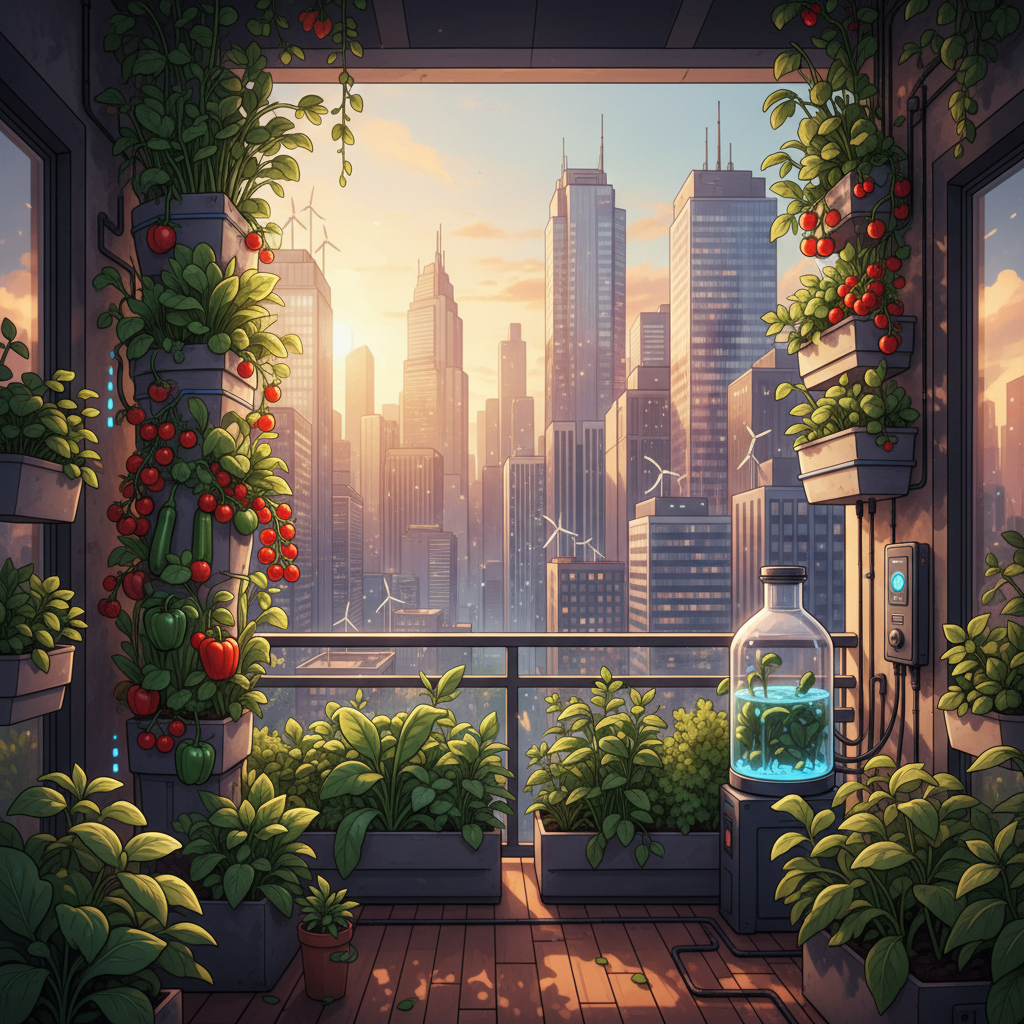
For those with limited horizontal space, vertical farming systems allow you to grow plants upwards in layers. Modular pot systems, pocket-style wall gardens, and hydroponic towers not only offer an aesthetically pleasing solution but also maximize your production capacity.

Soilless Cultivation (Hydroponics and Aquaponics)

Soilless cultivation systems are methods where plants are nourished in water with special nutrient solutions or fish waste (aquaponics). These systems provide up to 90% water savings compared to traditional farming and offer faster growth. They are a clean and efficient alternative, especially for small balconies and indoor spaces.

Automation and Sensors

“In 2026, gardening becomes even easier with smart sensors and automation. Systems that monitor soil moisture, light intensity, and nutrient levels ensure your plants always receive the right care.”

Smart irrigation systems automatically provide your plants with the water they need, while sensors ensure optimal growth conditions. You can remotely control your garden and plan nutrient supplements via mobile applications.

Soil, Pot, and Nutrient Management

In balcony and terrace gardening, choosing the right soil and pots is vital. Instead of garden soil, use quality potting mixes with good drainage. These mixes typically contain components like peat, perlite, and vermiculite. When selecting pots, choose ones that are appropriately sized for the plant's root system and have drainage holes. Fabric pots help the plant roots breathe, promoting healthier development. Don't forget to regularly supplement your plants with organic liquid fertilizers or compost tea for healthy growth.

Pest Control and Maintenance Tips

If you are setting up an organic garden, it's important to combat pests using natural methods. Here are some tips:

  • Regularly inspect your plants. Early detection is key to solving the problem.
  • Organic sprays like Castile soap or neem oil are effective against aphids and other pests.
  • Some aromatic plants, such as basil, can help deter pests.
  • Increase the resistance of your soil and plants by using vermicompost or compost tea.
  • When you provide your plants with adequate light, water, and nutrients, they become more resistant to diseases and pests.

Conclusion: Enjoy the Harvest and Take a Sustainable Step

Growing your own vegetables on your balcony and terrace in 2026 not only provides access to fresh food but also offers mental tranquility and an opportunity to reconnect with nature. Start with a small space, observe, and expand your garden over time as you gain experience. The taste of tomatoes, salads, or herbs grown with your own effort cannot be compared to any product bought from the market. Remember, every small step is an investment in a more sustainable life and a healthier future. Now, take the first step to create your own organic paradise in the city!

Comments (0)

No comments yet. Be the first to comment!

biMoola Assistant
Hello! I am the biMoola Assistant. I can answer your questions about AI, sustainable living, and health technologies.