Health Technologies

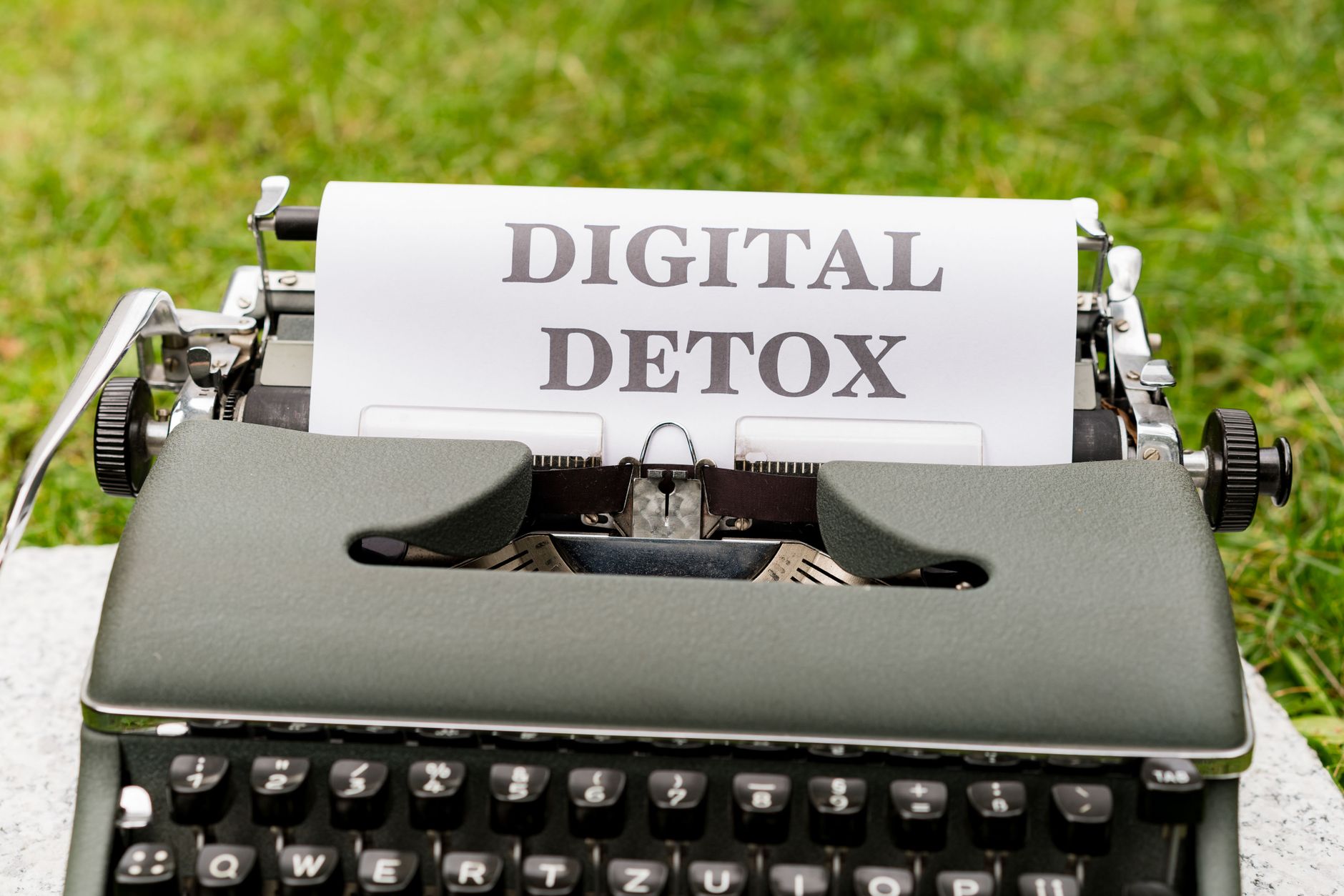
Digital Detox 2026: A 30-Day Blueprint for Mental Wellness

Digital Detox 2026: A 30-Day Blueprint for Mental Wellness

In the rapidly evolving landscape of 2026, technology has become an inextricable part of our daily existence. From augmented reality overlays guiding our commutes to AI-powered personal assistants managing our schedules, the digital sphere offers unparalleled convenience and connectivity. Yet, this relentless immersion can come at a significant cost to our mental health. As screens become more pervasive and algorithms more sophisticated, the need for intentional disconnection – a digital detox – has never been more pressing. This article outlines a comprehensive, 30-day plan designed to help you reclaim your mental well-being by fostering a healthier, more balanced relationship with technology in 2026.

It's not about abandoning technology entirely, but rather about mindful recalibration. We'll explore strategies to identify digital habits that no longer serve you, cultivate healthier alternatives, and integrate technology into your life as a tool, not a master. Prepare to embark on a journey that prioritizes your peace of mind, enhances your focus, and deepens your connection with the real world.

The Hyper-Connected Reality of 2026: Why Digital Detox is More Crucial Than Ever

By 2026, the digital environment has undergone significant transformations, pushing the boundaries of interaction and integration. We're living in an era where AI is seamlessly embedded into almost every smart device, offering predictive insights and constant suggestions. Extended Reality (XR) technologies, encompassing virtual and augmented reality, are moving beyond niche entertainment into everyday applications, from collaborative workspaces to enhanced shopping experiences. Our smart homes anticipate our needs, our vehicles are increasingly autonomous, and biometric data collection is commonplace, often feeding into personalized digital ecosystems.

While these advancements offer undeniable benefits, they also present new challenges to our mental health. The 'always-on' culture has intensified, blurring the lines between work and personal life, and making true downtime elusive. Constant notifications, whether from an AI assistant reminding you of a task or a social feed highlighting curated 'perfection,' contribute to an elevated state of alert, often leading to increased anxiety and attention decay. The phenomenon of doomscrolling has evolved into AI-generated anxiety, where personalized news feeds, optimized by sophisticated algorithms, can amplify worries and promote a sense of constant crisis.

Furthermore, the rise of sophisticated deepfakes and AI-generated content can erode trust and foster digital fatigue, making it harder to discern reality. The constant comparison facilitated by hyper-realistic digital avatars and curated online personas can exacerbate feelings of inadequacy and loneliness. Studies indicate that excessive screen time, particularly before bed, continues to disrupt sleep patterns by suppressing melatonin production and overstimulating the brain. This persistent exposure to digital stimuli can diminish our capacity for deep focus, creative thought, and genuine human connection. Therefore, in 2026, a digital detox is not merely a trend; it's a vital practice for safeguarding cognitive function, emotional stability, and overall mental well-being in an increasingly demanding digital world.

Preparing for Your 30-Day Digital Detox Journey: Setting Intentions and Smart Goals

Embarking on a 30-day digital detox requires more than just willpower; it demands careful planning and a clear understanding of your motivations. Think of this preparation phase as laying the groundwork for a successful expedition into digital mindfulness. The first step involves an honest initial self-assessment. For a few days before your detox begins, consciously track your screen time. Many smartphones and smart devices in 2026 come with built-in digital wellness features that provide detailed reports on app usage, unlocks, and notifications. Pay attention to not just how much time you spend online, but where you spend it and how you feel during and after these interactions. Are certain apps triggering anxiety? Do you find yourself mindlessly scrolling during specific times or situations?

Next, it's crucial to define your personal goals. What do you hope to gain from this detox? Examples include: achieving better sleep quality, improving focus at work or hobbies, reducing feelings of anxiety or FOMO, fostering deeper in-person connections, or simply rediscovering interests outside the digital realm. Make these goals SMART: Specific, Measurable, Achievable, Relevant, and Time-bound.

Informing others about your intentions is another critical step. Communicate with family, friends, and colleagues about your detox plan. Explain that you might be less responsive to instant messages or social media comments. Set clear boundaries: for instance, only checking work emails during specific hours or requesting that urgent communications be made via phone call. This transparency can reduce misunderstandings and gain you much-needed support.

Finally, setting up your physical and digital environment for success is paramount. Physically, designate 'tech-free zones' in your home, such as the bedroom or dining table. Digitize your environment: adjust notification settings on all devices to 'silent' or 'summary' mode for non-essential apps. Consider deleting or temporarily disabling social media apps and distracting games from your primary devices. Replace these digital placeholders with analog alternatives – a physical alarm clock instead of your phone, a notebook for thoughts, or actual books instead of e-readers for pleasure reading. This proactive approach will significantly smooth your transition into the detox period, minimizing friction and maximizing your chances of success.

Week-by-Week Roadmap: A Phased Approach to Digital Re-calibration

A successful digital detox isn't about abrupt, unsustainable changes, but a gradual, phased recalibration. This 30-day plan is structured week-by-week to build new habits incrementally.

Week 1: Awareness & Audit (Foundation)

  • Objective: Understand your current digital consumption habits and identify triggers.
  • Actions:
    • Track Everything: Utilize your smartphone's built-in screen time trackers (e.g., Apple's Screen Time, Android's Digital Wellbeing) or third-party apps to monitor daily usage across all devices.
    • Identify Time Sinks & Emotional Triggers: Note which apps consume most of your time and observe your mood before, during, and after using them. Does a particular social media platform leave you feeling drained or anxious?
    • Initial Small Changes: Implement your first boundaries. For example, no phones at meal times, and designate a 'tech-free hour' before bed.
    • App Decluttering: Delete any apps you haven't used in 30 days. Unsubscribe from unnecessary email newsletters.
    • Journaling: Start a physical journal to reflect on your digital habits and initial feelings about making changes.

Week 2: Disconnect & Discover (Exploration)

  • Objective: Experiment with reduced digital interaction and explore alternative activities.
  • Actions:
    • Go Grey-Scale: Change your smartphone display to greyscale. Studies suggest this makes apps less appealing and reduces their addictive qualities.
    • Designate Digital-Free Zones: Reinforce your bedroom as a no-phone zone. Expand this to other areas, like a specific armchair for reading.
    • Experiment with Alternatives: Replace digital habits with analog ones. Instead of scrolling, try reading a physical book, going for a walk, listening to music on a dedicated player, or engaging in a craft.
    • Reduce Notifications: Turn off all non-essential notifications. Only allow calls and critical messages from designated contacts to break through.
    • Scheduled Digital Check-ins: Instead of continuous checking, designate specific 15-minute slots (e.g., 9 AM, 1 PM, 5 PM) for checking emails and messages.

Week 3: Rebuild & Reconnect (Social & Self)

  • Objective: Focus on real-world interactions and personal growth without digital distractions.
  • Actions:
    • Prioritize In-Person Interactions: Schedule coffee dates, phone calls, or meet-ups with friends and family. Engage fully, leaving your phone out of sight.
    • Practice Digital Mindfulness: Before picking up your phone, pause and ask yourself: What is my intention for using this device right now? and Is this the most effective way to achieve my goal?
    • Engage in Creative or Physical Activities: Dedicate time to a hobby you enjoy offline – painting, cooking, gardening, hiking, playing an instrument.
    • Deep Reflection: Use your journal to process any feelings of FOMO (Fear Of Missing Out) and to document the positive shifts in your mood, focus, or sleep.
    • Re-evaluate Social Media Purpose: If you've reintroduced social media in limited ways, critically assess which accounts genuinely add value and which trigger negative emotions. Unfollow or mute accounts that don't serve your well-being.

Week 4: Sustain & Integrate (Long-term Habits)

  • Objective: Consolidate new habits and create a sustainable long-term digital wellness plan.
  • Actions:
    • Create a 'Digital Wellness' Plan: Based on your insights, define your ideal daily/weekly digital habits. This might include specific screen time limits for certain apps, designated tech-free blocks, or weekly digital sabbaticals.
    • Identify Essential vs. Detrimental Apps: Reinstall only those apps that genuinely enhance your life or are crucial for work/communication, and only if you can use them mindfully.
    • Schedule Regular Mini-Detoxes: Plan for future weekend detoxes or even one tech-free day a week to maintain your newfound balance.
    • Reflect on Progress: Review your journal entries from the past month. How has your mental health improved? What benefits have you experienced? Celebrate your successes!
    • Establish Tech-Free Mornings/Evenings: Commit to keeping your first and last hour of the day entirely free from screens to improve focus and sleep quality.

Practical Strategies for Overcoming Digital Cravings and FOMO

During your digital detox, especially in the initial stages, you might experience urges to check your devices, a sense of unease, or even genuine FOMO (Fear Of Missing Out). These are natural responses to breaking established habits. The good news is there are highly effective strategies to navigate these feelings and reinforce your commitment to mental wellness.

One powerful tool is the practice of mindfulness techniques. When a digital craving strikes, instead of automatically reaching for your device, pause. Take a few deep breaths. Observe the sensation of the craving without judgment. Ask yourself, What am I truly seeking right now? Is it information, connection, distraction, or simply habit? A quick 5-minute meditation session, using a guided app (used on a designated 'mindful' device or even offline) or simply focusing on your breath, can often diffuse the urge. This practice helps to create a space between the impulse and your reaction, allowing you to choose a different path.

Pre-planned alternative activities are your best defense against digital relapse. Before you start your detox, make a list of enjoyable, screen-free activities you can turn to when boredom or cravings hit. This could include reading a physical book, going for a walk, listening to a podcast on a dedicated player, engaging in a hobby like painting or knitting, calling a friend, or even doing household chores. The key is to have these alternatives readily available and top-of-mind, so you don't default to your phone. Think of it as having a 'mental fire extinguisher' for digital urges.

Consider leveraging 'dumb' tech or analog tools where appropriate. Instead of relying on your smartphone for everything, revert to simpler devices for specific functions. Use a traditional alarm clock to avoid bringing your phone into the bedroom. Carry a small notebook and pen for jotting down ideas. Invest in a dedicated e-reader (with no notifications or internet browsing) if you love digital books. This allows you to access content without the addictive features of multi-purpose smart devices.

Finding a 'detox buddy' or an accountability partner can significantly boost your success. Share your detox goals with a trusted friend, family member, or colleague who is also interested in reducing screen time. You can check in with each other, share challenges, and celebrate successes. Knowing someone else is on a similar journey can provide motivation and a sense of shared purpose.

Finally, actively reframing FOMO as JOMO (Joy Of Missing Out) is a powerful psychological shift. Instead of focusing on what you might be missing online, concentrate on what you are *gaining* in the real world: deeper connections, improved focus, more restful sleep, enhanced creativity, and a stronger sense of presence. Remind yourself that the curated highlightsreel of others' lives is rarely the full picture, and your well-being is more valuable than any fleeting digital update. Embrace the freedom that comes with not being constantly tethered to your devices.

Leveraging Health Technologies Mindfully in 2026: Beyond the Detox

While this 30-day plan emphasizes stepping away from excessive digital engagement, it's crucial to acknowledge that not all technology is detrimental. In 2026, health technologies continue to advance rapidly, offering powerful tools that, when used mindfully, can actively support your mental and physical well-being. The key lies in intentional integration, understanding their purpose, and avoiding their addictive pitfalls.

For instance, mindfulness and meditation apps, paradoxically, can be incredibly beneficial. Platforms that offer guided meditations, breathing exercises, or calming soundscapes can help reduce stress, improve focus, and enhance emotional regulation. However, the mindful approach dictates using them purposefully – perhaps for a scheduled 10-minute session, rather than endlessly exploring new content or getting drawn into app notifications. Ensure they don't become another source of distraction or comparison (e.g., chasing streaks or comparing meditation times with others).

Sleep trackers and wearable health devices are ubiquitous in 2026, providing granular data on sleep cycles, heart rate variability, activity levels, and even stress indicators. This data can offer valuable insights into your body's responses and help identify patterns that might be impacting your health. The mindful approach here involves using this information for self-awareness and improvement, not for obsessive monitoring. Instead of checking your sleep score the moment you wake up, review the data at a set time during the day, using it to inform lifestyle changes rather than induce anxiety about 'perfect' metrics. Remember that these devices provide estimates, and consulting with a healthcare professional for interpretation is always advisable.

Furthermore, digital journaling and mood tracking apps can be excellent for fostering self-awareness. They can help you identify triggers, track emotional shifts, and recognize patterns in your mental health over time. These tools can be particularly useful when you're trying to understand the impact of your digital habits. The mindful way to use them is to engage in thoughtful reflection, not just rapid-fire entries. Consider writing longer entries or using voice-to-text features to capture deeper thoughts.

It's also important to consider the broader landscape of ethical AI and data privacy in health tech. As AI becomes more sophisticated in analyzing personal health data, ensure you are using reputable applications that prioritize your privacy and explain how your data is utilized. Be wary of applications that promise quick fixes or make unsubstantiated claims. Always cross-reference information with reliable sources and consult professionals.

Ultimately, the goal is to transform technology from a potential source of stress into a supportive ally. After your detox, selectively reintroduce health technologies that genuinely enhance your life, always with a clear purpose and strict boundaries. This intentionality allows you to harness the benefits of 2026's innovations without succumbing to digital overload.

Sustaining Digital Wellness: Your Long-Term Blueprint for a Balanced Life

Completing a 30-day digital detox is a significant achievement, but the real challenge and reward lie in sustaining these newfound habits and integrating digital wellness into your long-term lifestyle. The journey towards a balanced relationship with technology is ongoing, requiring continuous effort and adaptation, especially as technology evolves.

One of the most effective strategies is establishing new routines and rituals that prioritize offline activities. This could involve a morning routine that starts with meditation, exercise, or reading a physical book before checking any screens. Similarly, an evening wind-down routine free from digital devices can significantly improve sleep quality. Make these routines non-negotiable parts of your day, treating them with the same importance as work appointments.

Regular digital check-ins are crucial. Just as you might conduct a financial audit, periodically review your screen time reports and digital habits. Ask yourself: Am I still using technology as a tool, or has it started to control me again? Are there any new apps or digital trends that are negatively impacting my well-being? These periodic self-assessments can help you catch unhealthy patterns before they become deeply entrenched again.

Remember that the digital landscape of 2026 is dynamic. Therefore, continual adaptation as technology evolves is essential. New devices, platforms, and AI integrations will emerge. Stay informed, but critically evaluate new technologies through the lens of your digital wellness goals. Don't adopt every new gadget or social platform just because it's available. Choose technologies that genuinely enhance your life and align with your values.

Prioritizing real-world experiences over digital ones should become a core tenet of your balanced life. Seek out opportunities for in-person connection, outdoor adventures, creative pursuits, and community engagement. These experiences offer richness, depth, and genuine satisfaction that digital interactions often cannot replicate. Make it a point to schedule and protect time for these activities, ensuring they don't get sidelined by digital distractions.

Finally, building strong offline support networks is invaluable. Surround yourself with friends, family, and community members who share your values regarding digital wellness, or at least respect your boundaries. Having people who understand and support your efforts can make it easier to maintain your balanced approach, especially when faced with societal pressures to be constantly connected. Remember, your relationship with technology is a personal journey, and by consciously nurturing it, you can ensure a life enriched by its benefits without being overwhelmed by its demands.

Key Takeaways

  • The 2026 Digital Landscape Demands Mindfulness: Pervasive AI, XR, and smart environments necessitate intentional disconnection to protect mental health from constant stimulation and comparison.
  • Preparation is Paramount: Before starting, conduct a self-assessment of digital habits, set clear personal goals, inform your social circles, and optimize your physical and digital environments for success.
  • Phased Approach Works Best: A 30-day detox is most effective when broken into weekly objectives: Awareness & Audit (Week 1), Disconnect & Discover (Week 2), Rebuild & Reconnect (Week 3), and Sustain & Integrate (Week 4).
  • Combat Cravings Actively: Utilize mindfulness, pre-planned alternative activities, analog tools, accountability partners, and JOMO to overcome urges and digital fatigue.
  • Mindful Tech Use After Detox: Health technologies (e.g., meditation apps, wearables) can be beneficial if used intentionally, with clear purpose, and strict boundaries, rather than obsessively.
  • Sustained Wellness is a Journey: Maintain balance through new routines, regular digital check-ups, adapting to evolving tech, prioritizing real-world experiences, and cultivating offline support.

Frequently Asked Questions (FAQ)

1. Is a digital detox about giving up technology completely?

Answer: No, a digital detox, especially in the context of 2026's hyper-connected world, is rarely about complete abstinence. Instead, it's about fostering a more conscious, intentional, and balanced relationship with technology. It involves identifying which digital habits are detrimental to your well-being, reducing your reliance on them, and strategically integrating technology back into your life as a useful tool rather than a constant source of distraction or obligation. The goal is to be in control of your devices, not controlled by them, allowing you to maximize their benefits while minimizing their potential harms to your mental health.

2. How do I manage work or school responsibilities during a 30-day digital detox?

Answer: Managing essential responsibilities during a detox requires clear boundaries and communication. For work or school, identify your non-negotiable tech uses (e.g., specific software, email for certain hours, online meetings). Communicate your detox plan to colleagues or professors, explaining that you will be reducing non-essential digital engagement but will remain accessible for critical tasks through agreed-upon channels (e.g., phone calls for emergencies). Dedicate specific blocks of time solely to work-related tech, and then disengage. Consider using 'do not disturb' modes for all other times. The focus is on eliminating recreational or habitual screen time, not on hindering productivity where technology is genuinely indispensable.

3. What if I feel worse (anxious, bored, irritable) before I feel better during the detox?

Answer: It's common to experience a range of uncomfortable emotions, sometimes referred to as 'digital withdrawal,' during the initial phases of a digital detox. Feelings of anxiety, boredom, irritability, restlessness, or even a strong sense of FOMO (Fear Of Missing Out) are normal as your brain adjusts to less stimulation and breaks established habit loops. Acknowledge these feelings without judgment. Understand that this discomfort is often a sign that you are successfully breaking free from ingrained patterns. Persistence is key. Engage in pre-planned alternative activities, practice mindfulness, lean on your support system, and remind yourself of your detox goals. These initial feelings usually subside as your mental clarity and overall well-being begin to improve, revealing the positive impact of your efforts.

4. Can a digital detox help with specific mental health issues like anxiety or depression?

Answer: While research suggests that excessive screen time and problematic internet use can exacerbate symptoms of anxiety, depression, and other mental health challenges, a digital detox is a lifestyle intervention, not a medical treatment or cure. Reducing screen time and improving digital habits can lead to significant improvements in mood, sleep quality, focus, and overall mental well-being, which may alleviate some symptoms. However, it's crucial to understand that a digital detox does not replace professional mental healthcare. If you are experiencing persistent symptoms of anxiety, depression, or any other mental health condition, it is vital to consult a qualified healthcare professional for an accurate diagnosis and appropriate treatment plan. This detox plan is designed to support mental wellness, not to medically diagnose or treat conditions.

Disclaimer: This article is for informational purposes only and does not constitute medical advice. Always consult a qualified healthcare provider.

In the evolving tapestry of 2026, where digital threads are woven into almost every aspect of our lives, the ability to intentionally disconnect and recalibrate has become a superpower. This 30-day digital detox plan is more than just a temporary break; it's a blueprint for fostering a sustainable, mindful relationship with technology. By taking control of your digital habits, you unlock greater mental clarity, deeper personal connections, and a profound sense of presence in the real world. The journey may present its challenges, but the rewards—a calmer mind, enhanced focus, and a life lived on your terms—are invaluable. Embrace this opportunity to reclaim your mental health and build a balanced future where technology serves you, not the other way around.

Comments (0)

No comments yet. Be the first to comment!

biMoola Assistant
Hello! I am the biMoola Assistant. I can answer your questions about AI, sustainable living, and health technologies.