Hello health enthusiasts and those seeking performance! One of the most striking wellness trends of recent years, cold therapy and ice baths, continues to increase in popularity in 2026, remaining an important part of our lives. These methods, practiced in different cultures since ancient times, are being rediscovered in the light of modern science, offering numerous benefits for both our physical and mental health. So, what exactly does the miraculous power of cold water do, and what is the place of this trend in 2026?
In this comprehensive blog post, we will explore the scientific foundations of cold therapy and ice baths, popular application methods (including the Wim Hof method and cold shower protocols), their effects on the immune system and recovery, and future trends. Are you ready to step into cold water to feel better, boost your performance, and achieve mental clarity?
Why Is Cold Therapy So Prominent? A 2026 Perspective
As we reach 2026, cold therapy is no longer solely the domain of professional athletes or extreme sports enthusiasts. Personalized cold plunge tanks that can be integrated into smart home systems, portable ice bath solutions, and cold therapy protocols working with wearable technologies have made these practices much more accessible. With success stories spreading on social media and an increase in scientific research, individuals are turning to cold therapy to relieve chronic pain, boost energy levels, and improve their overall quality of life. It is no longer just a trend, but becoming a scientifically supported way of life.
Proven Benefits of Cold Therapy in the Light of Science
Physical Benefits: Prepare Your Body for Rebirth
- Muscle Soreness and Inflammation Reduction (Recovery): Muscle damage and inflammation that occur after intense training are a nightmare for athletes. An ice bath constricts blood vessels, slowing blood flow (vasoconstriction), and then, as the body warms, increases blood flow (vasodilation), allowing for faster removal of metabolic waste products (such as lactic acid). This helps muscles recover faster and reduces soreness. For example, smart cold plunge systems have become standard in athletes' recovery rooms at the 2025 Olympics.
- Metabolism and Fat Burning: Exposure to cold activates brown adipose tissue (BAT) in our body. Unlike white fat, BAT burns calories to produce heat. Regular cold therapy can accelerate metabolism, contributing to weight management and energy expenditure.
- Circulatory System Health: Exposure to cold water increases the elasticity of blood vessels and regulates blood flow. This supports cardiovascular health and helps the overall circulatory system function more efficiently.
- Immune System Strengthening: Scientific studies show that regular exposure to cold water strengthens the immune system by increasing the production of white blood cells. Especially the Wim Hof method, when combined with breathing techniques and mental focus, maximizes this effect.
Mental and Neurological Benefits: Mental Clarity and Stress Management
- Mood and Spirit Improvement: Cold water triggers the release of neurotransmitters such as dopamine and norepinephrine, which promote happiness and alertness. This provides an immediate mood improvement and an increase in energy. It has been observed to alleviate symptoms of depression and anxiety.
- Stress Management and Focus: Exposure to cold water activates the sympathetic nervous system, but with regular exposure, we learn to engage the parasympathetic nervous system more quickly. This improves our ability to manage stress responses and increases mental resilience.
- Sleep Quality: Short cold showers or baths taken during the day can help regulate the body's internal temperature, preparing the ground for deeper and more restful sleep at night.
Application Methods: From Beginner to Advanced
Starting cold therapy is easier than you think. The important thing is to gradually accustom your body and recognize your limits.
Cold Shower Protocols: Gradual Adaptation Step-by-Step
- Beginner Level (1-2 Weeks): Finish your shower with warm water as usual. For the last 30 seconds, gradually turn the water to cold and stay as long as you can endure. Focus on your breathing and try to stay calm. Increase this duration by 10-15 seconds each day.
- Intermediate Level (3-4 Weeks): Get into the habit of starting with cold water. Stay under completely cold water for the first 1 minute, then switch to warm water for your normal shower, and finish again with cold water for the last 1 minute.
- Advanced Level (1 Month and Beyond): You can now switch to entirely cold showers. In the mornings, shower with only cold water for 2-5 minutes. You can enhance your mental control by incorporating Wim Hof method breathing exercises into this experience.
Ice Bath and Cold Plunge: A More Intense Experience
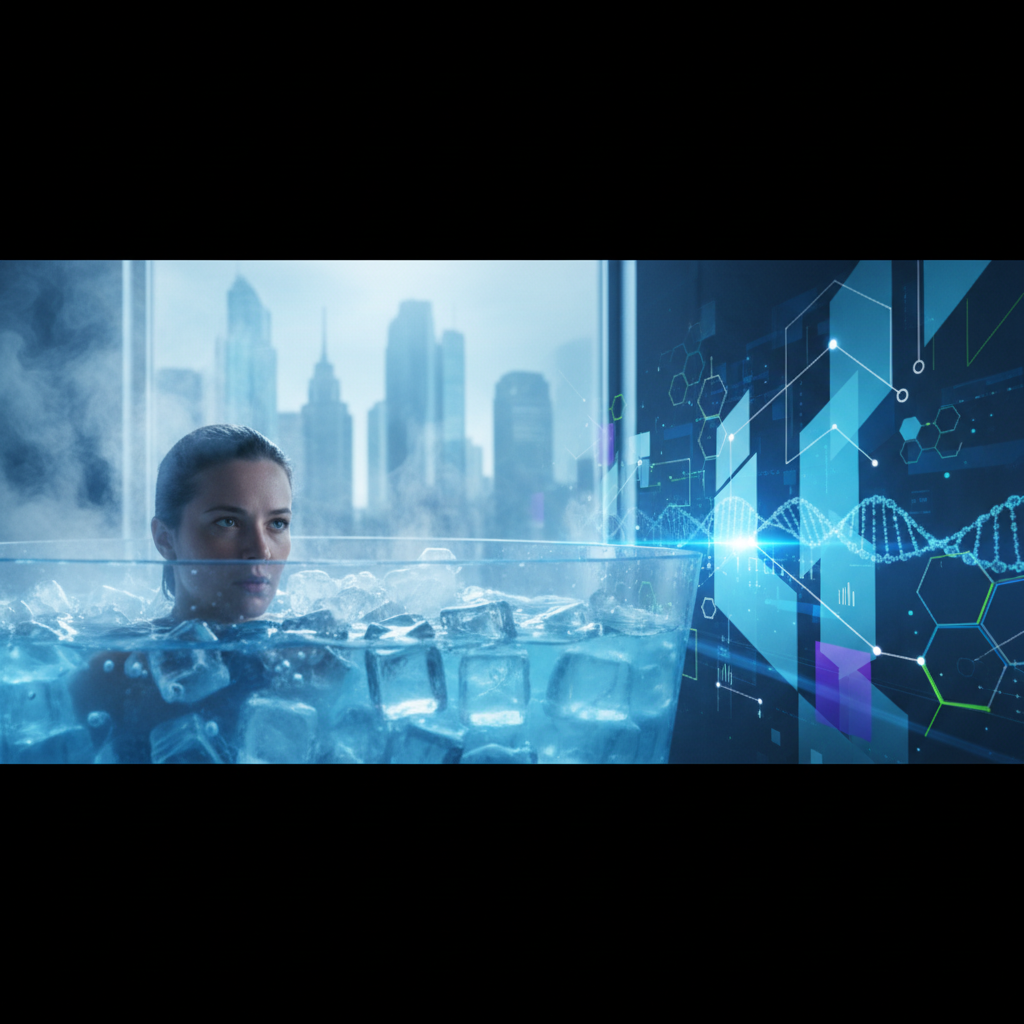
An ice bath offers a more controlled and intense cold experience. You can do it at home by filling your bathtub with ice and cold water, or you can use the smart, customizable cold plunge tanks becoming widespread in 2026. These tanks allow you to control water temperature and immersion time with mobile applications.
Practical Tip: The ideal temperature for an ice bath is between 10-15°C. Start with 1-2 minutes and gradually increase to 5-10 minutes. Always do it with a friend or under supervision initially. Listen carefully to your body.
Important Tips and Considerations for Safe Practice
While cold therapy is highly beneficial, it may not be suitable for everyone. Prioritizing your safety is vital:
- Start Gradually: Never expose yourself suddenly to extreme cold. Your body needs time to adapt.
- Listen to Your Body: If you feel shivering, numbness, or severe pain, get out of the water immediately. Pay attention to symptoms of hypothermia.
- Check Your Health Status: Those with specific health conditions such as heart conditions, high blood pressure, Raynaud's syndrome, diabetes, or pregnancy should absolutely consult a doctor before starting cold therapy.
- Hydration: Make sure you drink enough water before and after entering cold water.
- Breathing Techniques: Learn and practice deep and slow breathing techniques (such as Wim Hof breathing techniques) to increase your tolerance to cold.
Future Cold Therapy Trends (2026 and Beyond)
In 2026 and beyond, with advancements in health technologies, cold therapy is becoming even more personalized and integrated. AI-powered analyses will be able to determine the most suitable temperature and duration protocols based on an individual's genetic makeup, training level, and recovery needs, using data from wearable sensors. Modular cold plunge pools used at home will be equipped with water purification and temperature control systems, setting new standards for hygiene and ease of use. Furthermore, mental preparation sessions combined with virtual reality (VR) will enhance mental focus before the cold experience.
Cold therapy and ice baths are not just a fleeting fad but a lasting wellness tool that enhances quality of life and optimizes performance. As scientific evidence continues to grow daily, technological advancements are also making these practices more accessible and personalized. Remember, staying safe and listening to your body are the most crucial steps when embarking on this journey. Discover the transformative power of cold water and take the first step to reach your healthiest version in 2026!
Comments (0)
To comment, please login or register.
No comments yet. Be the first to comment!