Digital Wellness

2026: The Future of Children's Screen Time and Parental Control

2026: The Future of Children's Screen Time and Parental Control

2026: The Future of Children's Screen Time and Parental Control

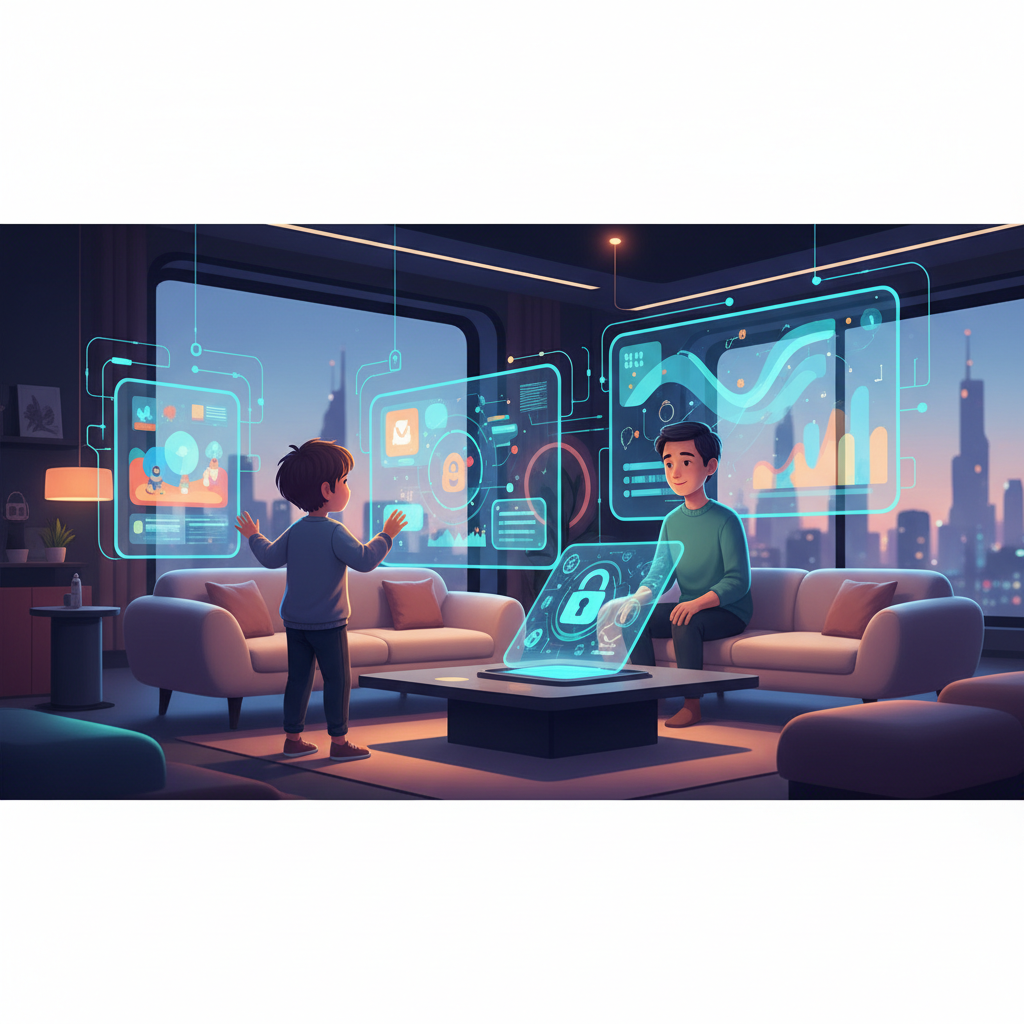
As the pace of the digital age accelerates dizzyingly, one of the biggest challenges for parents in 2026 continues to be managing their children's screen time and protecting their digital well-being. In this new era, where artificial intelligence penetrates every field, and virtual and augmented reality have become an integral part of daily life, conscious parental control is more critical than ever.

Our children, as a generation that stepped into the digital world even before birth, begin interacting with screens at a whole different level. In this blog post, from a 2026 perspective, we will discuss in detail how to manage children's screen time, what tools you can use, and how you can ensure family digital well-being.

Why Is Screen Time Management Even More Important in 2026?

By 2026, screens have gone beyond being just an entertainment tool, encompassing many areas from education to socialization, creativity to exploration. However, this wide range also brings new risks. AI-powered personalized content algorithms have the potential to keep children on screen longer, while virtual reality (VR) environments can blur the line between the real world and the digital world.

"In 2026, screens for children are no longer just a window, but a universe to enter and experience. Guiding them in this universe is the greatest responsibility of parents."

Therefore, it is essential not only to restrict time but also to understand and manage the quality of content, the nature of interaction, and the overall impact of the digital experience. Our goal is not to ban technology entirely but to position it as a tool that supports our children's development.

Conscious Approach: Quality Over Quantity

While traditional screen time discussions often focus on 'how many hours,' in 2026, our focus should be on 'what kind of content.' There are significant differences between passive video watching and an interactive, educational AR application. As parents, the questions we should ask ourselves are:

  • What is my child learning while on screen?
  • Does this content support their creativity, or does it lead to passive consumption?
  • Do their digital interactions positively affect their social skills?

Promoting quality content and protecting from potentially harmful content forms the foundation of digital literacy education. This is a task that falls not only to children but also to us parents.

2026's Parental Control Tools and Technologies

Fortunately, technology offers solutions along with the challenges it brings. In 2026, parental control tools have become much more sophisticated and user-friendly compared to previous years:

  1. AI-Powered Content Filtering: AI systems are now available that automatically block harmful or inappropriate material not just by keywords, but by understanding the context of content. These systems can dynamically adjust according to children's age and developmental stage.
  2. Smart Device Integration: All connected devices in the home (smart TVs, tablets, game consoles, smart speakers) can be managed from a single central panel. Screen time limits can be set to cover all devices.
  3. Activity Reporting and Analysis: Detailed reports, such as how much certain applications are used and which websites are visited, provide parents with comprehensive information about their children's digital habits.
  4. Biometric Authentication: Features like fingerprint or facial recognition are commonly used to prevent children from accessing certain applications or content without parental permission.

Establishing Family Digital Boundaries and Rules

Even the most advanced technological tools can fall short without clear rules and communication established within the family. Creating digital contracts helps develop a common understanding among all family members regarding screen time, content types, and areas of technology use.

  • Tech-Free Zones: Declaring areas like the dining table and bedrooms as tech-free zones.
  • Designated Screen Times: Setting flexible but clear screen times for weekdays and weekends.
  • Being a Role Model as a Parent: It is essential for parents to review their own screen usage and set a good example for their children.

Alternatives Supporting Digital Well-being

Increasing the quality of time spent away from screens is key to achieving digital balance. In 2026, physical activity, being close to nature, engaging in creative hobbies, and social interactions will remain indispensable for children's healthy development. Reading books, board games, family trips, or artistic activities support children's mental and physical health while reducing the risk of screen addiction.

Focusing on the Future: Balance and Adaptation

In 2026 and beyond, it is an undeniable fact that technology's place in our lives will further increase. Therefore, instead of strict prohibitions, it is important to adopt a balanced and flexible approach. Our role as parents is not only to teach our children to manage screen time but also to use the digital world consciously, safely, and responsibly. This ability to adapt will be a fundamental skill for their future success. Remember, technology is a tool; what matters is how we use it.

Comments (0)

No comments yet. Be the first to comment!

biMoola Assistant
Hello! I am the biMoola Assistant. I can answer your questions about AI, sustainable living, and health technologies.