Digital Wellness

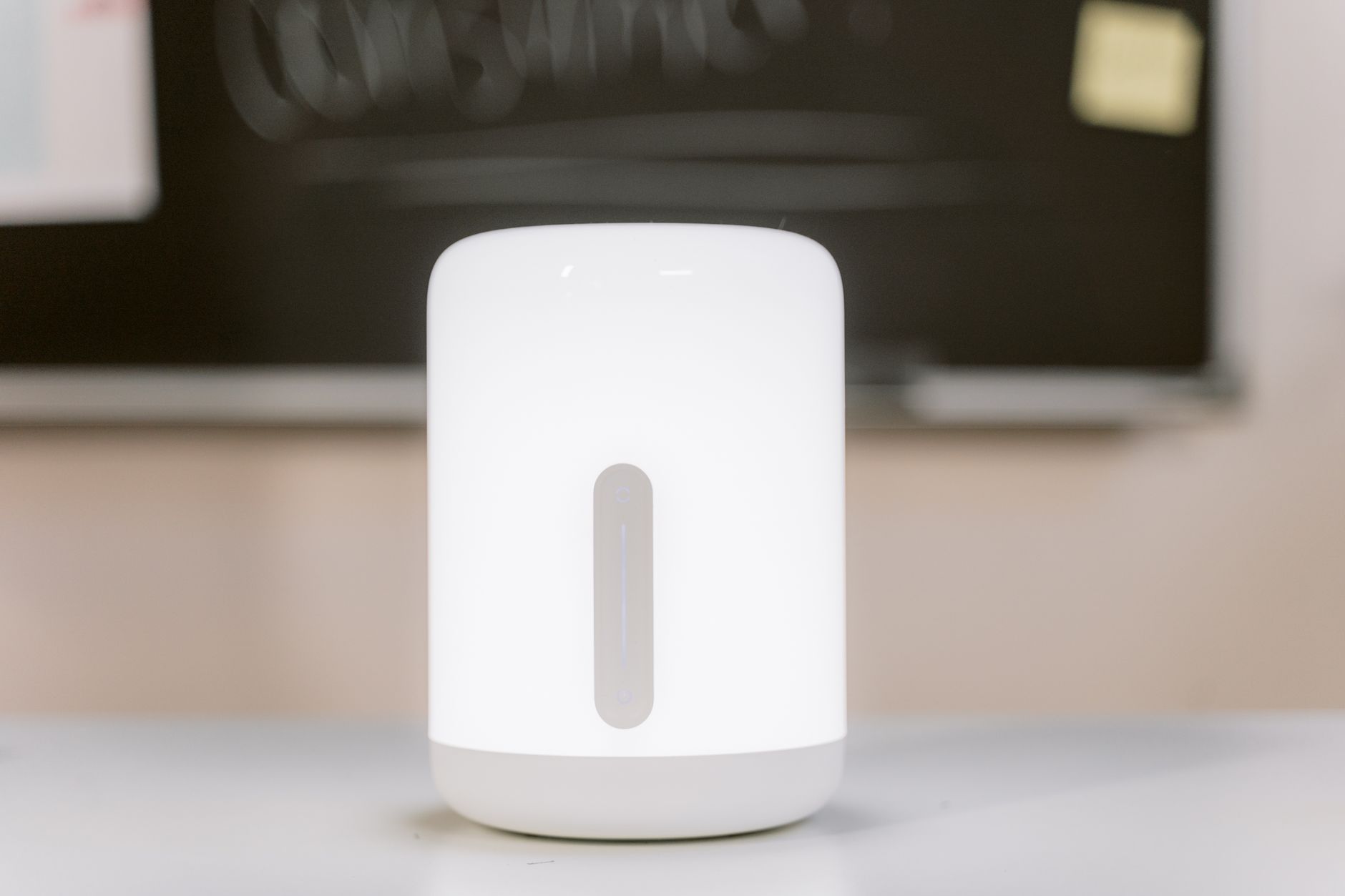
The Govee smart lamp brightened up my room, and then my life

The Govee smart lamp brightened up my room, and then my life

In an increasingly digital world, the lines between our physical and virtual environments blur. We meticulously curate our digital feeds, optimize our workflows with AI, and seek out technologies that enhance our health and reduce our ecological footprint. Yet, one foundational element of our daily lives often remains an afterthought: lighting. For years, lighting was a purely functional commodity, an on-off switch providing basic illumination. But what if the light in your home or office could do more than just help you see? What if it could genuinely uplift your mood, sharpen your focus, and even contribute to a healthier planet? At biMoola.net, we believe in exploring technologies that profoundly impact AI & Productivity, Health Technologies, and Sustainable Living. Smart lighting, we’ve found, is a remarkable nexus of all three.

Many of us have experienced the frustration of suboptimal lighting – a dim, flickering bulb in a workspace, an overly harsh glare in the evening, or perhaps, like one recent account, even resorting to covering a broken lamp with a towel just to block out its unhelpful glow. This isn't just an inconvenience; it's a missed opportunity. This article will delve into the transformative power of dynamic smart lighting systems. We'll explore the science behind how light influences our biology and psychology, examine the cutting-edge technologies making adaptive illumination possible, and provide practical insights into how you can harness these systems to boost your well-being, supercharge your productivity, and contribute to a more sustainable future. Prepare to see your environment, and perhaps your life, in a whole new light.

Beyond Illumination: The Science of Light and Human Well-being

Light is far more than just a means to perceive our surroundings; it is a fundamental biological signal that profoundly impacts our physiology and psychology. This understanding forms the bedrock of why smart lighting is not just a gadget but a health technology.

Circadian Rhythms and Health: How Light Impacts Sleep, Mood, and Energy

Our bodies operate on an intricate 24-hour internal clock, known as the circadian rhythm, largely regulated by exposure to light and darkness. Specialized photoreceptors in our eyes, distinct from those responsible for vision, detect light and signal to the suprachiasmatic nucleus (SCN) in the brain, influencing the production of hormones like melatonin (for sleep) and cortisol (for wakefulness). Disruption of this rhythm, often by artificial light exposure at night or insufficient bright light during the day, can lead to a cascade of negative health outcomes.

A 2017 study published in the journal Translational Psychiatry highlighted the critical role of light in regulating mood and cognition, showing how irregular light exposure can exacerbate symptoms of depression and anxiety. Conversely, sufficient bright, blue-enriched light exposure in the morning hours has been shown to improve alertness, mood, and cognitive performance. The World Health Organization (WHO) has also raised concerns about light pollution, specifically the impact of excessive artificial light at night on human health, including sleep disorders and potential links to chronic diseases. By mimicking natural light cycles, smart lighting can help resynchronize our internal clocks, promoting better sleep patterns, reducing instances of seasonal affective disorder (SAD), and enhancing overall mental well-being.

Beyond circadian regulation, the quality and characteristics of light directly influence our cognitive abilities and visual comfort. Studies by institutions like the Lighting Research Center at Rensselaer Polytechnic Institute have demonstrated that optimized lighting conditions can significantly improve concentration, reduce eye strain, and boost productivity in office and educational settings. For instance, cooler, brighter light with higher color temperatures (around 5000K-6500K) is often associated with alertness and focus, ideal for tasks requiring high cognitive engagement. Warmer light (2700K-3000K) promotes relaxation and comfort, suitable for winding down.

In fact, research conducted by the Human Centric Lighting (HCL) movement, a field dedicated to how lighting impacts human health and performance, indicates that a well-designed lighting environment can reduce error rates by up to 10-20% in complex tasks and improve reading speed. The flexibility of smart lighting, allowing precise control over brightness, color temperature, and even color, enables users to create a visually comfortable and cognitively stimulating environment tailored to specific activities, from intense work sessions to leisurely reading.

The Evolution of Lighting: From Switches to Sentience

The journey from a bare incandescent bulb to a sophisticated smart lighting system is a testament to rapid technological advancement, particularly in the realm of the Internet of Things (IoT) and artificial intelligence.

The Smart Lighting Revolution: What Defines 'Smart'?

At its core, 'smart' lighting refers to illumination systems that can be controlled remotely or autonomously, often integrating with other smart home devices. Unlike traditional bulbs, which are simply switched on or off, smart lights offer granular control over brightness (dimming), color temperature (from warm to cool white), and in many cases, a full spectrum of colors. The key differentiator is connectivity and intelligence. These systems leverage microprocessors and network capabilities to go beyond simple manual operation, offering advanced features like scheduling, motion sensing, voice control, and integration into complex home automation routines. Brands like Philips Hue, Govee, Nanoleaf, and LIFX are prominent players in this evolving market, each offering unique features and ecosystem integrations.

Key Technologies: IoT, AI, Connectivity

The intelligence behind smart lighting stems from a confluence of technologies:

  • Internet of Things (IoT): Smart lights are IoT devices, meaning they are physical objects embedded with sensors, software, and other technologies for the purpose of connecting and exchanging data with other devices and systems over the internet. This allows them to be part of a larger, interconnected smart home ecosystem.
  • Artificial Intelligence (AI) and Machine Learning (ML): While not every smart light system uses deep AI, many leverage machine learning algorithms to learn user preferences, predict optimal lighting schedules based on time of day or even weather, and adapt to occupancy patterns. Advanced systems can even detect anomalies or respond to verbal commands with nuanced adjustments.
  • Connectivity Protocols: Various wireless standards enable smart lights to communicate. Wi-Fi offers direct internet connection but can strain home networks. Bluetooth is excellent for local control but has limited range. Zigbee and Z-Wave are mesh networking protocols specifically designed for smart home devices, offering lower power consumption and creating robust networks where devices relay signals to each other. The emerging Matter standard, backed by Google, Apple, Amazon, and others, aims to unify these disparate protocols, promising greater interoperability and a simpler user experience.

These technologies allow for unprecedented customization and automation, moving lighting from a passive utility to an active participant in creating an optimized living and working environment.

Tailoring Your Environment: Practical Applications for Productivity and Health

The true power of smart lighting lies in its ability to adapt to your life, not the other way around. Here’s how you can harness it for tangible benefits.

Dynamic Lighting for Focus and Energy: Morning Energizers, Afternoon Slumpbusters

Imagine waking up not to a jarring alarm, but to a gentle, gradually brightening 'sunrise' in your bedroom, mimicking nature's dawn. Many smart lighting systems offer this feature, using a warm, low intensity light that slowly transitions to a brighter, cooler white, signaling your body to naturally reduce melatonin production and prepare for wakefulness. This 'wake-up light' can lead to a more refreshed and less groggy start to your day.

During the workday, especially for those working from home or in an office with poor natural light, dynamic lighting can be a game-changer. Schedule your lights to shift to a crisp, cool white (e.g., 5500K) at peak productivity hours to enhance alertness and concentration. For the inevitable afternoon slump, a temporary boost of brighter, cooler light for 30-60 minutes can mimic a walk outdoors, helping to re-energize without resorting to another coffee. Conversely, for creative tasks, you might opt for a softer, more ambient light, perhaps with subtle color accents that inspire rather than strictly focus.

Creating Restful Retreats: Evening Wind-Down Routines, Sleep Support

As evening approaches, our bodies naturally prepare for sleep, ideally by winding down melatonin-suppressing blue light exposure. Smart lighting makes this transition seamless. Configure your lights to gradually dim and shift to warmer, amber tones (e.g., 2200K-2700K) in the hours leading up to bedtime. This signals to your brain that it's time to relax and promotes melatonin production, paving the way for a deeper, more restorative sleep.

Many systems also offer specific 'sleep' or 'night light' modes that provide just enough illumination for safe movement without disrupting sleep, or even soft red light, which has been shown to have minimal impact on melatonin. For those with young children, a smart night light that automatically dims to near invisibility after a set time can be invaluable. The key is consistency in these routines, helping to reinforce healthy sleep habits.

Accessibility and Personalization: How Smart Lighting Caters to Diverse Needs

Beyond general well-being, smart lighting offers significant benefits for accessibility. Voice control integration with assistants like Alexa, Google Assistant, or Siri allows individuals with mobility impairments to easily adjust their lighting without needing to physically interact with switches. Motion sensors can ensure pathways are lit automatically, reducing fall risks for the elderly. For individuals with visual sensitivities or conditions like migraines, the ability to precisely control brightness and color temperature can prevent discomfort and create a more livable environment. The personalization extends to creating 'scenes' – pre-set combinations of light settings for different activities like 'Movie Night,' 'Reading,' or 'Party' – that can be activated with a single command, profoundly simplifying daily living and enhancing comfort for everyone.

Smart Lighting and Sustainable Living: More Than Just LEDs

While the health and productivity benefits are compelling, smart lighting also stands as a champion for sustainable living, extending far beyond the inherent energy efficiency of LED technology.

Energy Efficiency Beyond the Bulb: Dimming, Occupancy Sensors, Adaptive Schedules

The foundation of smart lighting's sustainability is LED (Light Emitting Diode) technology. LEDs inherently consume significantly less power and last dramatically longer than incandescent or even CFL bulbs. However, smart lighting elevates this efficiency further:

  • Precision Dimming: Many smart bulbs can dim down to 1% or less of their maximum brightness. Since lights are often brighter than necessary for a given task, dimming them even slightly can lead to substantial energy savings over time without sacrificing functionality.
  • Occupancy/Vacancy Sensors: Integrating smart lights with motion or occupancy sensors ensures that lights are only on when a room is in use. No more accidentally leaving lights on in an empty room – a common source of wasted energy in homes and offices.
  • Adaptive Scheduling: Smart systems can be programmed to turn lights on or off at specific times, adjust brightness based on natural daylight levels (via external light sensors), or even respond to your location (geofencing) to ensure lights are off when no one is home.

These intelligent controls mean lights operate only when, where, and at the intensity truly needed, minimizing unnecessary energy consumption and reducing your carbon footprint.

Longevity and Waste Reduction: The Life Cycle of Smart Lighting

One of the often-overlooked environmental benefits of smart LEDs is their remarkable longevity. While traditional incandescent bulbs might last 750-1,000 hours, and CFLs around 8,000 hours, quality smart LEDs are typically rated for 25,000 to 50,000 hours, or even more. This extended lifespan translates directly into less frequent replacements, significantly reducing the amount of waste sent to landfills. Fewer manufacturing cycles and less transportation also contribute to a lower overall environmental impact throughout the product's life cycle. While the initial investment in a smart bulb might be higher, its extended operational life and energy savings often lead to a lower total cost of ownership and a reduced environmental burden.

Integration with Smart Home Ecosystems: Synergies for Overall Efficiency

Smart lighting truly shines when integrated into a broader smart home ecosystem. For instance, connecting your smart lights to a smart thermostat can create a synergy where lighting cues complement temperature adjustments for optimal comfort and energy efficiency. Imagine your lights dimming as your thermostat sets back during away hours, or a morning routine that brightens the room as the heating kicks in. Furthermore, integration with smart blinds or shades can allow for automated daylight harvesting, maximizing natural light use before artificial illumination is needed. This holistic approach to home automation compounds energy savings and contributes to a truly optimized, sustainable living environment.

Navigating the Smart Lighting Landscape: What to Consider

Stepping into the world of smart lighting can feel overwhelming given the myriad of options. Here's a breakdown of key considerations.

Connectivity and Compatibility: Ecosystems

The most crucial decision often revolves around the ecosystem you wish to join, or build upon. Major players include:

  • Apple HomeKit: Known for robust security and privacy, deep integration with iOS devices, and Siri voice control. Requires Apple's HomePod, Apple TV, or iPad as a home hub for remote access.
  • Google Home/Assistant: Offers broad device compatibility, powerful voice control via Google Assistant, and integration with Android devices. Google Nest devices serve as hubs.
  • Amazon Alexa: Widely adopted, extensive third-party device support, and intuitive voice control. Amazon Echo devices act as hubs.
  • Matter: The Connectivity Standards Alliance (CSA) is driving Matter, a new universal standard aiming to make smart home devices, including lighting, work seamlessly together regardless of brand or ecosystem. This is a game-changer for future compatibility. We recommend looking for Matter-compatible devices for future-proofing your smart home. Learn more about Matter's goals and progress at the Connectivity Standards Alliance website.
  • Brand-Specific Hubs: Brands like Philips Hue often use their own bridge or hub for Zigbee connectivity, which can offer superior performance and features for their specific products but might require additional hardware.

Consider your existing smart home devices and personal preferences for voice assistants when making your choice.

Features and Functionality: Color Tuning, Dimming, Scheduling, Voice Control

Not all smart lights are created equal. Prioritize features based on your needs:

  • Brightness (Lumen Output) and Dimming Range: Ensure the bulb is bright enough for your space (e.g., 800 lumens is roughly equivalent to a 60W incandescent) and can dim smoothly to very low levels without flickering.
  • Color Temperature (Tunable White): For health and productivity, the ability to adjust from warm (e.g., 2700K) to cool white (e.g., 6500K) is essential for circadian regulation.
  • Full Color (RGBW): If you want mood lighting, accent colors, or creative expression, opt for RGBW bulbs that can produce millions of colors.
  • Scheduling and Automation: The ability to set routines for on/off, dimming, and color changes throughout the day is key for health and energy savings.
  • Voice Control: Integration with popular voice assistants offers hands-free convenience.
  • Music Sync and Special Effects: Some brands, like Govee or Nanoleaf, offer advanced features to sync lights with music, video, or create dynamic visual effects, adding an entertainment dimension.

Security and Privacy: Addressing Potential Concerns

As with any IoT device, security and privacy are paramount. Smart lights connect to your home network and often to cloud services, raising questions about data collection and potential vulnerabilities. Choose reputable brands with a track record of good security practices. Ensure your home Wi-Fi network is secure with a strong password. Be mindful of the permissions you grant to smart lighting apps, especially regarding location data. Opt for devices that offer local control options (e.g., via a hub or Bluetooth) in addition to cloud-based services, reducing reliance on internet connectivity and enhancing privacy. Regularly update firmware to patch any security vulnerabilities. While the risk profile of smart lights is generally lower than, say, smart cameras, diligence is always advisable.

The evolution of smart lighting is far from over. We're on the cusp of even more sophisticated and integrated systems that promise to revolutionize how we interact with light.

AI-Powered Adaptive Lighting: Learning User Preferences, Predictive Adjustments

Current smart lighting often relies on pre-set schedules or manual adjustments. The next wave will feature truly AI-powered adaptive lighting that learns your habits, preferences, and even your mood. Imagine a system that recognizes you're working late and subtly adjusts light levels to maintain focus, or detects you're winding down and transitions to a calming ambiance automatically. Leveraging advanced machine learning, these systems will move beyond reactive responses to proactive and predictive adjustments, anticipating your needs before you even realize them. This will involve analyzing data from integrated sensors, wearables, and even your calendar to create a seamlessly optimized lighting environment throughout the day.

Health Monitoring Integration: Linking with Wearables for Bio-Feedback-Driven Lighting

The convergence of health tech and smart lighting holds immense potential. Imagine your smart lights adjusting based on real-time bio-feedback from your wearable device – for example, subtly increasing brightness if your heart rate suggests a dip in alertness, or shifting to a soothing warm glow if stress levels are elevated. Companies like Withings are already integrating environmental sensors into their health devices. Future smart lighting could respond to sleep tracking data to optimize morning wake-up routines or adjust evening light to combat jet lag based on travel itineraries. This personalized, responsive approach to light will transform it into an active tool for continuous health optimization.

Beyond the Home: Smart Lighting in Public Spaces, Offices, and Urban Planning

The benefits of smart lighting extend far beyond residential applications. In commercial offices, dynamic lighting can boost employee productivity, reduce sick days, and lower energy costs. Retail spaces can use adaptive lighting to highlight products and create engaging customer experiences. Urban planners are increasingly deploying smart streetlights that dim based on traffic, provide adaptive illumination for safety, and even integrate environmental sensors to monitor air quality. This large-scale application of intelligent illumination has the potential to create smarter, safer, and more sustainable cities, demonstrating the profound impact of this technology on our collective future.

Smart Lighting vs. Traditional Bulbs: A Cost and Efficiency Snapshot (Estimated)

Understanding the long-term value of smart lighting requires looking beyond the initial purchase price. The following table provides an estimated comparison based on average usage and current market data, highlighting the significant operational and environmental benefits.

Metric Incandescent (e.g., 60W equivalent) CFL (e.g., 13W equivalent) Non-Smart LED (e.g., 9W equivalent) Smart LED (e.g., 9W equivalent)
Wattage (Equivalent Brightness) 60W 13W 9W 9W
Estimated Lifespan (Hours) 1,000 8,000 25,000 25,000 - 50,000
Annual Energy Cost* $7.20 $1.56 $1.08 $0.54 - $1.08 (due to dimming/scheduling)
Total Cost Over 25,000 Hours (Bulb + Energy)** $180 (25 bulbs) + $180 (energy) = $360 $15 (3 bulbs) + $48.75 (energy) = $63.75 $5 (1 bulb) + $27 (energy) = $32 $15-$25 (1 bulb) + $13.50-$27 (energy) = $28.50 - $52
Environmental Impact High energy consumption, frequent disposal, heat generation Lower energy, mercury content, disposal challenges Low energy, less waste, cooler operation Lowest energy consumption, minimal waste, optimized use

*Based on 3 hours/day usage, $0.10/kWh electricity cost.
**Assumes average bulb prices: Incandescent $1, CFL $5, Non-Smart LED $5, Smart LED $15-$25. Figures are illustrative and can vary based on actual usage, bulb quality, and electricity rates.

Expert Analysis: Our Take

Having navigated the evolving landscape of AI, productivity tools, and health technologies for biMoola.net, we view smart lighting not as a niche luxury, but as an increasingly indispensable component of modern, optimized living. What began as simple remote-controlled bulbs has rapidly matured into sophisticated systems capable of profoundly influencing our daily routines, well-being, and ecological footprint. The initial investment, which once seemed a hurdle, is now demonstrably offset by significant energy savings and the immeasurable benefits of improved health and productivity. The shift from a reactive \"on/off\" approach to a proactive, adaptive lighting environment is where the true magic lies.

Our analysis indicates that the 'smart' aspect of lighting — the integration with IoT, the learning algorithms, and seamless connectivity — is what truly elevates it beyond mere energy efficiency. It empowers individuals to take control of a fundamental environmental factor that directly impacts their biology and psychology. The emerging Matter standard is particularly exciting, promising to simplify a sometimes fragmented market and accelerate widespread adoption, making intelligent illumination accessible to even more households. While privacy and security remain valid considerations, reputable manufacturers are continually enhancing safeguards. For anyone looking to genuinely optimize their home for health, efficiency, and comfort, dynamic smart lighting is no longer a futuristic concept; it's a present-day imperative that delivers tangible returns on investment, both personal and planetary.

Key Takeaways

  • Smart lighting significantly impacts well-being by supporting natural circadian rhythms, improving sleep quality, and reducing symptoms of mood disorders.
  • Dynamic control over brightness and color temperature can enhance cognitive performance and reduce eye strain in work and study environments.
  • Beyond energy-efficient LEDs, smart lighting optimizes consumption through features like dimming, occupancy sensors, and adaptive scheduling, contributing to sustainable living.
  • Choosing a smart lighting system requires considering connectivity (e.g., Wi-Fi, Zigbee, Matter), compatibility with existing ecosystems, and desired features like color tuning or voice control.
  • The future of smart lighting points towards AI-powered adaptive systems and integration with health monitoring wearables, offering even greater personalization and health optimization.

Q: Is smart lighting truly worth the investment for an average home?

A: Absolutely. While the upfront cost for smart bulbs can be higher than traditional LEDs, the long-term benefits typically outweigh this. Smart lighting offers significant energy savings through intelligent dimming and scheduling (reducing electricity bills), extended bulb lifespan (reducing replacement costs and waste), and intangible but substantial improvements in well-being and productivity. For example, better sleep due to circadian-friendly lighting or increased focus during work hours can have a profound positive impact on daily life that extends beyond monetary value.

Q: Are all smart lights compatible with each other, or

Editorial Transparency: This article was produced with AI writing assistance and reviewed by the biMoola editorial team for accuracy, factual integrity, and reader value. We follow Google's helpful content guidelines. Learn about our editorial standards →
B

biMoola Editorial Team

Senior Editorial Staff · biMoola.net

The biMoola editorial team specialises in AI & Productivity, Health Technologies, and Sustainable Living. Our writers hold backgrounds in technology journalism, biomedical research, and environmental science. All published content is fact-checked and reviewed against authoritative sources before publication. Meet the team →

Comments (0)

No comments yet. Be the first to comment!

biMoola Assistant
Hello! I am the biMoola Assistant. I can answer your questions about AI, sustainable living, and health technologies.