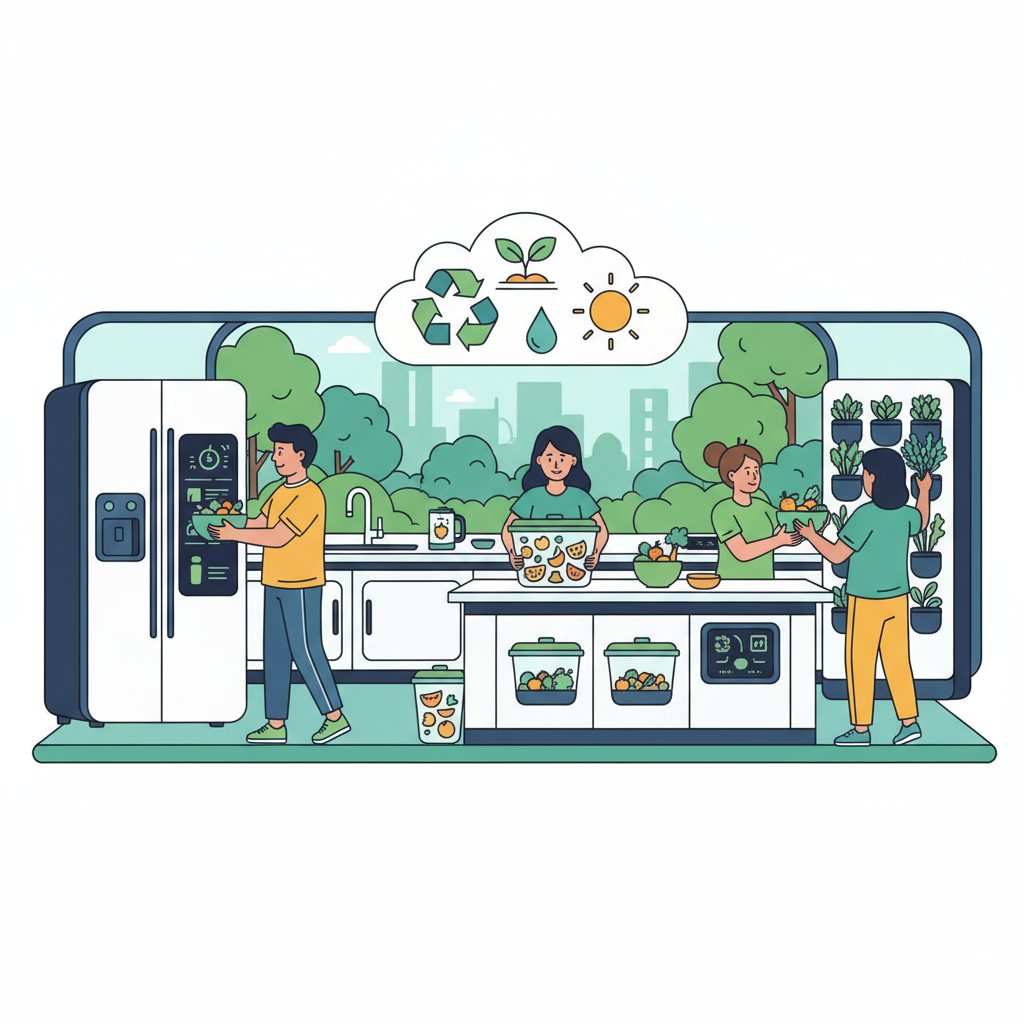
Introduction: The Sustainable Revolution Begins in the Kitchen!
As we enter 2026, problems such as the climate crisis and resource depletion facing our planet are causing us to question our daily habits more than ever. At the forefront of these questions is food waste. It's hard to believe, but approximately one-third of the food produced worldwide is wasted! This is not just an economic loss, but also a huge problem that dramatically increases our environmental footprint. So, how can we put a stop to this situation in our homes, especially in our kitchens? The answer is simple and powerful: by embracing the Zero Waste Kitchen philosophy.
As an SEO specialist and content strategist, I know that sustainability is not just a trend, but our future itself. In this blog post, together with 2026's innovative technologies and changing habits, we will examine 15 practical and effective ways to prevent food waste in the kitchen step by step. Get ready, because we are here to rewrite your kitchen habits with the motto of sustainable living!
Why a Zero Waste Kitchen? A 2026 Perspective
Food waste leads to a significant loss of resources throughout the chain, from farm to plate. Water, energy, land, and labor are wasted, while simultaneously contributing to climate change by increasing methane gas emissions in landfills. In 2026, it is now easier to combat this problem with AI-powered smart kitchen appliances and advanced food storage techniques. A zero-waste kitchen offers great benefits not only for the environment but also for your budget. It means less waste, less shopping, and more creative meals.
15 Smart Rules for Preventing Food Waste in the Kitchen
Here are 15 golden rules that will be friendly to both your planet and your wallet in 2026, helping you minimize food waste:
1. Smart Shopping and Inventory Management: The Starting Point
- Digital Shopping Lists and Inventory Tracking: In 2026, smart refrigerators and AI-powered applications can instantly track your inventory by scanning products in your fridge and pantry. With these applications that predict what you need to consume and when, you can identify only your missing items before shopping, preventing unplanned purchases.
- Portion Control and Planned Cooking: Creating weekly meal plans clarifies how much food you need. Buy only what you need and cook meals in portions. This makes it easier to utilize leftovers and reduces waste.
- "First In, First Out" (FIFO) Rule and Visual Organization: Keep your refrigerator and pantry organized. Place newly purchased items at the back and those nearing their expiration date at the front. Use transparent storage containers to easily see what you have.
2. The Art of Proper Food Storage: Extend Shelf Life
- Proper Storage Techniques: With Evolving Technologies: Smart refrigerators' different humidity and temperature zones extend the shelf life of fruits and vegetables. Vacuum sealers, specialized fruit/vegetable storage bags, and airtight containers are indispensable aids for maximizing the freshness of foods.
- Strategic Freezer Use: Freeze excess vegetables, fruits, cooked meals, or sauces in portions. Don't forget to label items you put in the freezer (date and content). This saves time and gives you flexibility in utilizing leftovers.
- Understanding Dates and Trusting Your Senses: Learn the difference between "Use By" (STT) and "Best Before" (TETT) dates. Many foods can be safely consumed even after their Best Before date has passed. Smell it, look at it, feel it. If it doesn't look bad, smell bad, or taste different, it's usually still good.
3. Utilizing Leftovers Creatively: Let Nothing Go to Waste!
- "Leftovers Day" or "Scrap Meal" Concept: Designate one day a week and create imaginative meals with leftover ingredients in your refrigerator. You can create wonders with recipes like omelets, frittatas, soups, salads, or toasts, and prevent future waste.
- Utilizing Vegetable and Fruit Peels: Don't throw away broccoli stems, carrot peels, or potato skins! Make delicious vegetable broth (stock) from them. Use apple peels for tea or bake them with cinnamon to get healthy chips.
- A Second Chance for Stale Bread: Use stale bread for making breadcrumbs, as croutons in soups, or in recipes like French toast. You can even bake it with garlic butter for a delightful snack.
- Maximum Use of Greens and Herbs: Instead of throwing away greens that are starting to wilt, add them to smoothies or use them to make pesto/sauce. Preserve fresh herbs by freezing them in olive oil or by drying them.
4. Advanced Preservation, Sharing, and Holistic Approach
- Homemade Pickling, Fermentation, and Canning: Preserve seasonal vegetables and fruits for a long time by pickling, fermenting (e.g., sauerkraut), or canning them. These traditional methods are cornerstones of the zero-waste kitchen philosophy.
- Food Sharing Platforms and Communities: In 2026, local food sharing apps and community groups will become even more widespread. Prevent waste and strengthen community ties by sharing your excess food or items you can't consume quickly with your neighbors or those in need.
- Home Composting: Return organic waste like rotting vegetable and fruit scraps, coffee grounds, and tea bags to the soil by composting them. Composting machines make this process faster and odorless in a home environment.
- Edible Garden and Microgreens: Grow your own herbs, lettuce, or microgreens on your kitchen windowsill or balcony for fresh, zero-waste consumption. This creates both a hobby and a sustainable resource.
- Smart Kitchen Assistants and Sensors: In 2026, kitchens will become more integrated with smart ovens, refrigerators, and kitchen assistants. These devices will help you optimize recipes, track inventory, and even minimize food waste by notifying you of the freshness status of products through food sensors.
Challenges and Solutions for Transitioning to a Zero Waste Kitchen
“Zero waste is not a destination, but a journey.”
Transitioning to a zero-waste kitchen might seem daunting at first. It may require changing habits, dedicating time, and acquiring new knowledge. However, you are not alone on this journey. Start with small steps. Begin by just making a shopping list for one week, then focus on utilizing leftovers for another week. Online platforms and local communities will support you for sharing knowledge and experiences. The technologies of 2026 are also making this process much more accessible.
Sustainability in the Kitchen of the Future
2026 and beyond, our kitchens will become more than just places for cooking; they will be centers of an ethical and sustainable lifestyle. The zero-waste kitchen philosophy will be one of the most valuable steps we take for both our planet and future generations. With the help of smart technologies, strengthening community ties, and using our creativity, we can leave food waste in the past.
Conclusion: Change Starts in Your Kitchen!
Remember, every small step matters. This transformation you start today can create an impact that inspires not only your own household but the entire world. By implementing these 15 practical ways, you can eliminate food waste in the kitchen and live a more sustainable, economical, and conscious life. Come on, let's open the kitchen doors to the zero-waste revolution and leave a delicious legacy for the future together!
Comments (0)
To comment, please login or register.
No comments yet. Be the first to comment!