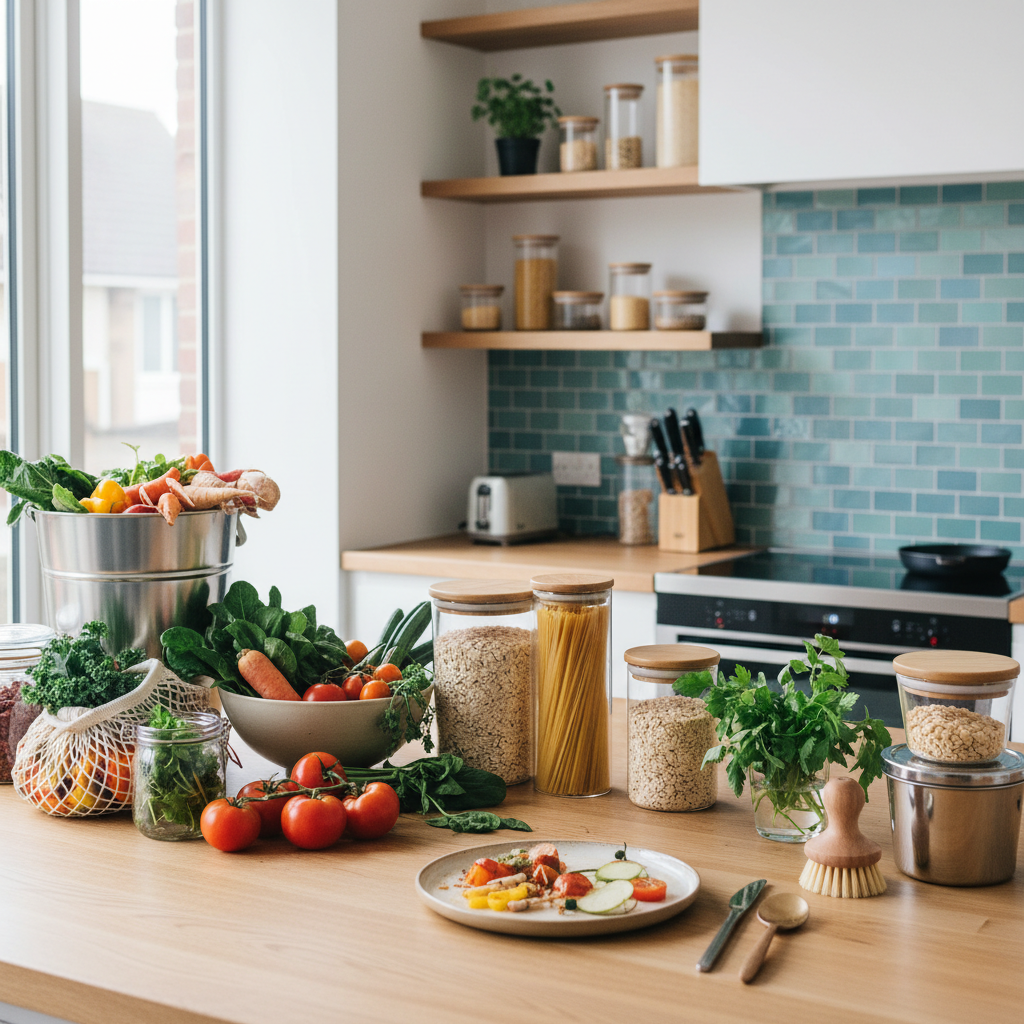
Hello sustainable living enthusiasts and conscious consumers! One of the biggest problems our planet faces today is undoubtedly food waste. While tons of food go to waste every year, our resources are depleting, and our carbon footprint is increasing. But don't worry! As we enter 2026, with the opportunities offered by technology and increasing awareness, achieving the **zero waste** goal in your kitchen has become easier and more accessible than ever.
In this comprehensive blog post, as an experienced content strategist and blogger, I will present to you the 15 most practical, smart, and future-oriented ways to **prevent food waste** in the kitchen. We have gathered many tips, from smart refrigerators to AI-powered inventory management, from root-to-stem utilization techniques to advanced composting methods. Get ready, because you will create big changes in your kitchen with small steps!
Why a Zero Waste Kitchen? The Sustainable Approach of the Future
Food waste is a global problem that deeply affects not only our household budgets but also our planet. According to United Nations data, approximately one-third of the food produced is wasted. This means wasting valuable resources such as water, energy, and land. As of 2026, global awareness on this issue has peaked, and every individual is expected to do their part.
“Reducing food waste is one of the most concrete and effective steps we can take in the fight against climate change.”
The **zero waste kitchen** philosophy not only reduces the amount of trash but also organizes our shopping habits, improves our cooking skills, and pushes us to be more creative. This is a win-win approach for both your wallet and our planet. In the smart kitchens of the future, these principles are no longer a luxury but a standard.
15 Smart Ways to End Food Waste in 2026
-
Smart Shopping Lists and Inventory Management
In 2026, thanks to digitized kitchens, shopping is much easier and more conscious. Instead of paper lists, you can now track your current kitchen inventory through smartphone apps or smart refrigerator screens. Some apps can automatically add expiring products to your shopping list or suggest recipes based on your stock status. Remember, good planning is the first step to preventing waste!
-
Effective Meal Planning (Meal Prep)
Weekly **meal planning** saves you from the risk of making spontaneous decisions and thus unnecessary purchases. Deciding what you'll eat for a week in advance ensures you only buy the ingredients you need. In 2026, AI-powered meal prep apps make this process even easier by offering optimized plans based on your dietary preferences and available ingredients.
-
The Art of Proper Storage
Extending the life of food is vital for a **zero waste kitchen**. Each food item has its own unique storage method. You can keep vegetables fresh by wrapping them in damp cloths or storing them in vacuum-sealed containers. In 2026, smart storage containers available on the market can digitally track the freshness status of the food inside and send you notifications.
-
First In, First Out (FIFO) Rule
Apply this rule, used for product placement in supermarkets, in your home as well: First In, First Out (FIFO). This means prioritizing the consumption of foods nearing their expiration date by placing older products at the front and newer ones at the back. With this simple method, you can prevent food from being forgotten and spoiling in the cupboard.
-
Expiration Date vs. 'Best Before Date' Difference
Understanding the difference between these two dates can greatly reduce waste. While the **expiration date** (SKT) is critical for health and safety, the **best before date** (TETT) indicates when the product is at its best quality. Products past their best before date are often still safe to consume; there may only be slight changes in their sensory characteristics (taste, smell).
-
Utilizing Vegetable and Fruit Peels
Parts we often throw away, such as potato, carrot, and apple peels, are actually full of nutrients and flavor. You can make chips from carrot and potato peels, or brew vinegar or tea from apple peels. Furthermore, new-generation vegetable powder making machines that can dry vegetable peels and use them as spices are also increasing in popularity in 2026.
-
New Life for Stale Bread
Don't let your stale bread go to waste! You can dry it in the oven to make breadcrumbs, or dice it into cubes to make croutons for salads. Additionally, there are delicious recipes made with stale bread, such as Spanish migas. Utilizing bread waste is one of the classic and effective ways to **prevent food waste**.
-
Basic Stocks from Bones and Vegetable Scraps
You can make nutritious and flavorful meat/vegetable broth (stock) by collecting scraps like chicken or meat bones, vegetable stalks (celery, leek, carrot), and onion skins. Using these stocks in soups, rice dishes, or sauces adds depth to your meals. Storing them in portions in the freezer ensures they are always at hand.
-
Use Your Freezer Smartly
The freezer is one of the best friends for preventing food waste. You can portion and freeze leftover meals, excess seasonal fruits/vegetables, or even sauces you've prepared in advance. Keep track of what was frozen and when using labeling systems (date and content). Smart freezers of 2026 can even automatically detect their contents and send you consumption reminders.
-
Pickling and Fermenting
Fermenting or pickling foods are ancient and delicious methods that extend their shelf life. Fermented products like sauerkraut, homemade pickles, and kombucha are both healthy and allow you to store your food for a long time without spoilage. These methods are an integral part of **sustainable kitchen** practices.
-
Root-to-Stem/Nose-to-Tail Cooking
This philosophy encourages using every part of an animal or plant. For example, making pesto from carrot tops, sautéing beet stems, or using broccoli stalks in salads. For meat products, utilizing offal or making bone broth are examples of this approach. This way, you ensure nothing goes to waste.
-
Conscious Portioning
Adjusting portions correctly when preparing or serving meals significantly reduces the amount of food left on the plate. By preparing your meals in individual portions or immediately refrigerating leftovers, you increase your chances of utilizing them later.
-
Creative 'Leftover' Recipes
Create new and delicious meals with leftover ingredients from your fridge or pantry. You can make fried rice with stale rice, an omelet or frittata with vegetable scraps, or a sandwich or salad with leftover chicken. You can find thousands of inspiring ideas by searching online for "leftover utilization recipes".
-
Compost and Biodegradable Waste Management
Despite all efforts, you will still have some food waste (e.g., banana peels, coffee grounds). You can turn these organic wastes into rich garden fertilizer by composting them instead of throwing them away. In 2026, household smart composting machines have made this process easier even for city dwellers, converting waste into fertilizer quickly and without odor.
-
Leveraging Technology: Smart Kitchen Assistants
2026 kitchens, with their integration of artificial intelligence and IoT (Internet of Things), offer great assistance in achieving **zero waste** goals. Smart assistants can track the expiration dates of products in your refrigerator and warn you, suggest recipes that can be made with the ingredients you have, or analyze your food waste to give you personalized savings tips. These technologies take your **food waste prevention** efforts to the next level.
The Kitchen of the Future: Sustainability at Your Fingertips
A **zero waste kitchen** is not just a trend, but a necessary way of life for our future. The 15 practical ways listed above offer you a strong starting point for transitioning to a more conscious, responsible, and sustainable consumption approach in 2026 and beyond. Remember that every small step makes a big difference.
Now it's your turn! Which of these suggestions will you start trying to reduce food waste in your kitchen? Perhaps by organizing the food in your refrigerator, or perhaps by downloading a smart shopping app. Whatever it may be, taking action is the most valuable investment we can make in our planet and our future. Remember, a sustainable world is the shared responsibility of all of us!
Comments (0)
To comment, please login or register.
No comments yet. Be the first to comment!