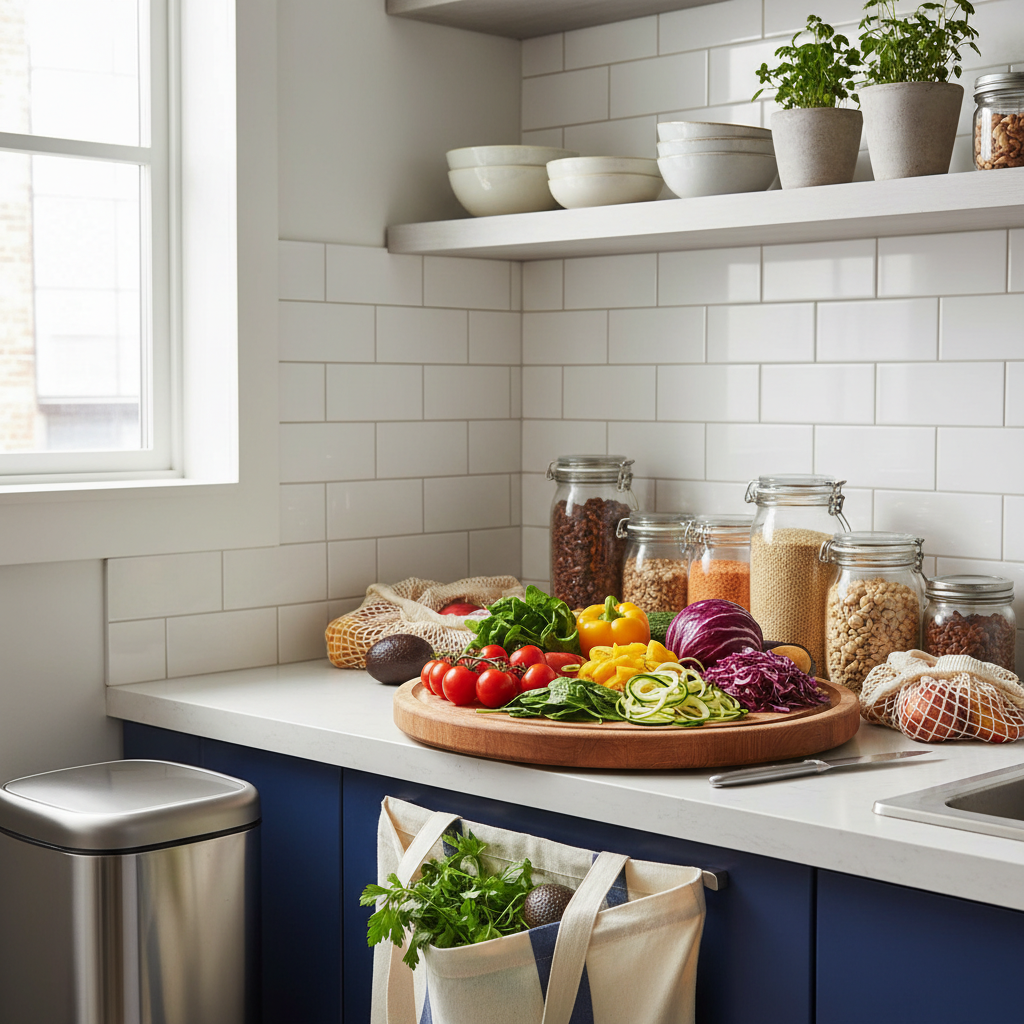
The Zero Waste Kitchen Revolution: Conscious Steps Towards 2026
Hello sustainable living enthusiasts and valued readers who want to make a difference in their kitchens! In 2026, a year where global warming, resource scarcity, and economic fluctuations are increasingly felt, re-evaluating our responsibilities to our planet, starting from our homes, has become more crucial than ever. At the forefront of these responsibilities is undoubtedly the fight against food waste. Approximately one-third of the food produced globally is wasted, a situation that not only leads to environmental disasters but also deeply impacts our wallets.
So, how can we stop this big problem in our kitchens? This is precisely where the "Zero Waste Kitchen" philosophy comes in. Once seen as merely a trend, this approach has now become a way of life, supported by smart technologies, social awareness, and practical solutions. In this article, specifically for 2026, we will thoroughly explore 15 of the most current and effective practical ways to achieve your zero waste kitchen goal. Are you ready? Let's step into the kitchen of the future together!
Why a Zero Waste Kitchen? Environmental and Economic Benefits
Preventing food waste is not just a moral duty; it's an investment that offers tangible benefits. Wasted food means that valuable resources like water, energy, land, and labor used for its production also go to waste. Organic waste decaying in landfills increases the emission of methane gas, which contributes to climate change.
“Food waste is not just the food we throw away from our plates; it's also the resources we steal from our planet's future.”
As of 2026, with increasing consumer awareness, the value of brands and households committed to sustainable practices is also rising. Efforts to prevent food waste can lead to significant savings in your monthly food budget, allowing you to direct these savings towards higher quality foods or other needs. Remember, every small step is the beginning of a big change.
Technology and Awareness Against Food Waste from a 2026 Perspective
In today's digital age, we have many new tools at our disposal to achieve our sustainable kitchen goals. 2026 is a period where AI-powered applications, smart home appliances, and IoT (Internet of Things)-based solutions are integrated into our kitchens. Smart refrigerators track inventory and provide expiration date reminders; mobile apps offer recipe suggestions based on available ingredients, providing creative leftover utilization opportunities. By intelligently using these technologies, minimizing food waste is now much easier.
Your Zero Waste Kitchen Journey: Here Are 15 Practical Steps
Now, let's get to the main topic: concrete suggestions on how to implement the zero waste philosophy in your kitchen. These tips will both save you time and help you minimize your environmental impact.
-
1. Create a Smart Shopping List and Stick to It
Before heading to the grocery store, check your pantry and determine what you truly need. AI-powered shopping apps developed in 2026 can suggest automatic lists based on your previous consumption habits and the products in your refrigerator. This prevents impulsive buying and unnecessary purchases.
-
2. Apply the FIFO Rule (First In, First Out)
When organizing products in your refrigerator and pantry, adopt this simple rule: place newly bought items at the back and older ones at the front. This way, you'll have the chance to consume products approaching their expiration date sooner and prevent anything from being forgotten and spoiling in the back.
-
3. Adopt Proper Storage Methods
Every food has its unique storage needs. For example, keeping bananas away from other fruits and storing potatoes in a dark, cool place extends their shelf life. Airtight glass or silicone containers, produce bags, and vacuum sealing machines are essentials in 2026 kitchens. Follow updated information on food storage tips.
-
4. Prefer Local and Seasonal Products
Seasonal products bought from local markets are usually fresher and have a lower carbon footprint because they require less transportation. Additionally, products consumed in season are tastier and have higher nutritional value. These products offer a longer shelf life.
-
5. Separate Fruits and Vegetables
Some fruits and vegetables (like apples, bananas, tomatoes) release ethylene gas, which accelerates ripening. By keeping them away from other products sensitive to this gas (like lettuce, broccoli), you can ensure they stay fresh longer.
-
6. Understand Expiration and Best Before Dates
The “expiration date” indicates the last day for safe consumption of a food, while the “best before date” shows the period when the product is at its best quality. Many products can be safely consumed even after their best before date. Learn to tell if food is still good by smelling, looking, and touching.
-
7. Develop Creative Leftover Utilization Recipes
Instead of throwing away leftover vegetable and meat scraps, turn them into delicious soups, stews, omelets, or frittatas. Make croutons or breadcrumbs from stale bread. “Leftover meal” apps, popular in 2026, can offer thousands of recipes to help you create wonders with the ingredients you have.
-
8. Practice Portion Control
When cooking, prepare only as much as you need. Especially for single individuals or small families, accurately adjusting portions significantly reduces the amount of leftover food. Determining portions during the meal planning stage is a critical step for preventing food waste.
-
9. Learn the Art of Freezing
Freezing excess food is one of the most effective ways to prevent waste. You can properly freeze many products, from cooked meals to raw vegetables. Don't forget to label with dates and contents! Smart freezers make tracking frozen foods easier.
-
10. Adopt a Root-to-Stem/Nose-to-Tail Philosophy
Instead of discarding parts of vegetables like peels, stems, leaves, or meat bones, utilize them. You can make chips from carrot peels, salads from broccoli stems, or nutritious broth from chicken bones. This is key to maximizing benefit from every part of your food.
-
11. Try Fermenting
Fermented products like pickles, homemade yogurts, kefir, or kombucha are great not only for your gut health but also for extending the life of foods. You can preserve leftover vegetables for a long time by pickling them.
-
12. Recycle Your Organic Waste with Composting
The best solution for inevitable food waste (egg shells, tea grounds, vegetable peels, etc.) is composting. Household compost machines and smart compost systems developed with 2026 technology make this process easy and odorless even for urban dwellers. You can use the compost you obtain for your potted plants or garden.
-
13. Use Food Sharing Apps
Instead of throwing away excess food you've cooked but can't consume, share it with those in need or your neighbors. Local food sharing platforms, increasingly common in 2026, can greatly assist you in this regard.
-
14. Be Mindful When Eating Out
When dining at restaurants, consider the portion size. If you can't finish the meal on your plate, don't hesitate to take the leftovers home (doggy bag culture). This simple habit makes a significant difference in preventing food waste in restaurants.
-
15. Give and Receive Conscious Consumption Education
A zero-waste kitchen succeeds not just with your efforts, but with the participation of all family members. Teach your children the value of food, the harms of waste, and environmentally friendly kitchen practices. Be open to continuous learning and don't hesitate to research new sustainable methods.
The Kitchen of the Future is in Your Hands!
As you can see, embracing the zero waste kitchen philosophy is not as difficult as it seems. By starting with small steps, you can make significant contributions to both your environment and your budget. 2026 is a period where sustainability awareness has peaked. By implementing these 15 practical ways, you can create a positive change not only in your own home but for our entire planet. Remember, the steps each of us takes transform into a collective good.
Now it's your turn! Which step will you start with? Don't forget to share your experiences in the comments and on social media. Together, we can build a less wasteful, more conscious, and more sustainable future!
Comments (0)
To comment, please login or register.
No comments yet. Be the first to comment!