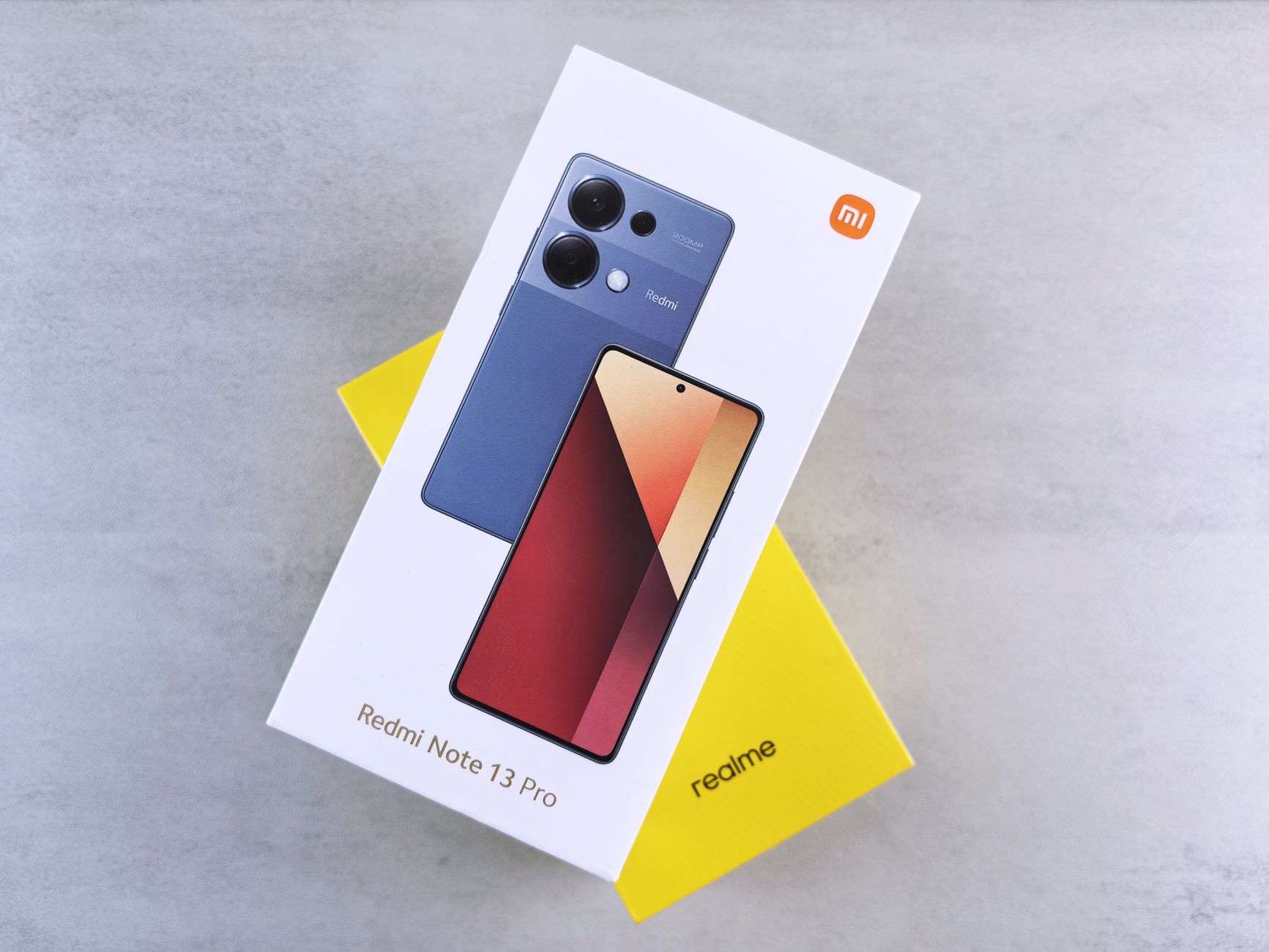
In the rapidly evolving landscape of consumer technology, smartphones stand as a testament to innovation, continuously pushing boundaries in performance, design, and user interaction. Every new flagship device promises a leap forward, but some introduce features that hint at a more fundamental shift in how we interact with our digital companions. The upcoming Xiaomi 18 Pro appears poised to be one such device, with early renders and leaks highlighting two particularly compelling features: a dedicated artificial intelligence (AI) button and a powerful 200-megapixel camera system.
While previous generations of smartphones have integrated AI into their software and chipsets, the concept of a physical button solely dedicated to AI functions marks a significant philosophical and practical departure. Coupled with a camera boasting an impressive pixel count, the Xiaomi 18 Pro suggests a future where our devices are not just smarter, but more intuitive and powerful in how they capture and process the world around us. This article will delve into the potential implications of these innovations, exploring how they might redefine productivity, mobile photography, and the overall smartphone user experience.
The Dawn of Dedicated AI Hardware in Smartphones
The integration of artificial intelligence into smartphones has been a gradual, yet profound, process. From smarter virtual assistants to enhanced image processing and adaptive power management, AI has become an invisible, yet indispensable, part of our daily mobile experience. However, the introduction of a dedicated AI button on the Xiaomi 18 Pro could signal a new phase: one where AI transitions from a background process to a more direct, haptic interface.
What is an AI Button?
Historically, dedicated buttons on smartphones have served specific, tangible functions: power, volume, or sometimes a camera shutter. More recently, some devices experimented with customizable 'assistant' buttons. An AI button, as suggested for the Xiaomi 18 Pro, takes this a step further. Instead of merely launching a voice assistant, it implies a direct, physical trigger for a suite of AI-powered functionalities. Imagine a single press or a series of presses activating complex AI routines without the need for voice commands or navigating through menus.
- Instant Task Execution: The button could be context-aware, performing different AI tasks based on the app or screen currently open. For instance, in a browser, it might summarize an article; in a messaging app, it could suggest smart replies or translate text.
- Personalized Shortcuts: Users might be able to program the button to trigger their most frequent AI-driven actions, from launching smart home routines to initiating a complex search query.
- Enhanced Accessibility: For users who find voice commands challenging in noisy environments or prefer a tactile interaction, a physical AI button could offer a more reliable and discreet way to engage with AI services.
Beyond Voice Commands: The Appeal of Haptic Interaction
While voice assistants like Google Assistant, Siri, and Alexa have become ubiquitous, they have their limitations. Privacy concerns, the need for clear speech, and suitability in public spaces often curb their utility. A physical AI button offers several distinct advantages:
- Speed and Efficiency: A quick press can be faster than uttering a full command, especially for routine tasks.
- Discretion: Activating AI features without speaking aloud can be invaluable in meetings, quiet environments, or public transport.
- Reliability: It bypasses potential issues with voice recognition in noisy settings or when a user's voice might not be clear.
- Tangible Feedback: The physical act of pressing a button provides haptic feedback, making the interaction feel more direct and intentional.
This shift suggests a move towards a more seamless integration of AI into our physical interactions with devices, potentially making our smartphones feel less like tools we command and more like intelligent extensions of ourselves, ready to anticipate our needs with a simple touch.
Megapixels and Intelligence: The 200MP Camera Revolution
For years, the smartphone camera has been a battleground for innovation, and the Xiaomi 18 Pro appears set to continue this trend with its rumored 200-megapixel sensor. While the sheer number of megapixels doesn't tell the whole story, it certainly indicates a commitment to pushing the boundaries of mobile photography.
The Power of 200 Million Pixels
A 200MP sensor brings with it several potential benefits for photographers, both amateur and professional:
- Unprecedented Detail: Photos taken at such a high resolution offer an extraordinary level of detail, allowing for significant cropping and zooming without losing image quality. This is particularly useful for printing large formats or extracting specific elements from a broader scene.
- Flexibility in Post-Production: The ability to reframe and compose shots after they've been taken provides immense creative freedom. A 200MP image can effectively be 'cropped down' to multiple high-quality, smaller images.
- Advanced Pixel-Binning: Modern high-megapixel sensors utilize techniques like pixel-binning (e.g., Nonacell or Tetracell technology) to combine data from multiple pixels into one 'super pixel'. This drastically improves low-light performance by capturing more light, even if the resulting image is rendered at a lower effective resolution (e.g., 12.5MP or 50MP). This means users can benefit from both ultra-high detail in bright conditions and excellent clarity in challenging low-light scenarios.
AI's Integral Role in Computational Photography
Crucially, a high-megapixel count alone isn't enough; it's the intelligence behind the lens that truly unlocks its potential. This is where AI becomes absolutely integral to the Xiaomi 18 Pro's camera system.
Computational photography, heavily reliant on AI, transforms raw sensor data into stunning images. With a 200MP sensor, the amount of data to process is immense, making AI's role even more critical. Here's how AI empowers such a camera:
- Scene Recognition and Optimization: AI can instantly identify what's in the frame (e.g., food, landscape, portrait, pet) and automatically adjust camera settings for optimal exposure, color, and contrast.
- Advanced HDR (High Dynamic Range): AI algorithms merge multiple exposures to create a single image with detail in both highlights and shadows, far exceeding what a single shot could achieve.
- Noise Reduction: Especially vital for high-megapixel sensors in low light, AI intelligently distinguishes between actual image detail and noise, applying sophisticated algorithms to clean up photos without sacrificing sharpness.
- Portrait Mode and Bokeh Effects: AI accurately identifies subjects, separates them from the background, and applies natural-looking depth-of-field effects.
- Smart Composition and Editing: Some AI systems can even suggest compositional improvements or apply instant, intelligent edits post-capture, turning a good photo into a great one with minimal user effort.
The synergy between the 200MP sensor and advanced AI means the Xiaomi 18 Pro isn't just capturing more light; it's intelligently understanding and enhancing every pixel, promising a truly professional-grade photography experience in the palm of your hand.
Enhancing Productivity and User Experience
Beyond photography, the proposed AI button and the underlying AI capabilities of the Xiaomi 18 Pro hold significant promise for boosting productivity and streamlining the overall user experience. In an age where digital interaction consumes a considerable portion of our day, any feature that reduces friction and enhances efficiency is highly valuable.
Streamlining Daily Tasks with Intelligent Assistance
Imagine a smartphone that doesn't just respond to commands but anticipates your needs. A dedicated AI button could be the physical gateway to this level of interaction:
- Instant Contextual Actions: Reading an email in a foreign language? A quick press could translate it instantly. Browsing a product online? The AI might find reviews, compare prices, or even add it to a smart shopping list.
- Smart Note-Taking and Summarization: During a lecture or meeting, the AI button could activate intelligent transcription, summarize key points from a lengthy document, or even generate action items from spoken words.
- Device Optimization and Management: The AI could intelligently manage background processes, clear cache, or optimize battery usage with a single command, making device maintenance effortless.
- Personalized Workflows: Users could train the AI to perform a sequence of actions based on their habits – for example, a 'morning commute' press could open maps, start a podcast, and send a 'running late' message.
This kind of direct, haptic AI interaction minimizes the cognitive load associated with navigating complex menus or issuing precise voice commands, making the smartphone a more intuitive and responsive partner in daily tasks.
A More Intuitive and Accessible Future
The benefits extend beyond mere efficiency. A well-implemented AI button could make smartphones more accessible to a broader range of users. For those with motor skill challenges or who operate in environments where voice commands are impractical, a physical button offers a discrete and reliable alternative. Moreover, by simplifying complex operations into single button presses, the learning curve for advanced features can be significantly reduced, making powerful AI tools available to everyone.
The focus here is on reducing the steps between intention and action. By leveraging AI to understand context and user preferences, the Xiaomi 18 Pro could allow users to achieve more with less effort, truly integrating artificial intelligence into the fabric of daily smartphone usage.
The Broader Implications for Smartphone Innovation
The rumored features of the Xiaomi 18 Pro—specifically the AI button and advanced camera system—aren't just about one device; they represent potential trends that could reshape the entire smartphone industry. When a major player like Xiaomi introduces such distinct innovations, it often signals a direction for others to follow or counter.
A New Frontier for Hardware Integration
If the AI button proves successful, it could trigger a wave of hardware-centric AI features across different brands. The smartphone industry has largely converged on similar designs, with differentiation often coming down to camera performance, screen quality, and processing power. A dedicated AI button could open a new avenue for hardware innovation, moving beyond incremental upgrades to offer fundamentally new ways of interacting with our devices.
This could lead to:
- Increased focus on on-device AI processing: For an AI button to be truly responsive and private, much of the AI processing needs to happen locally on the device, reducing reliance on cloud servers. This would spur advancements in neural processing units (NPUs) within mobile chipsets.
- Personalization as a core feature: The AI button's functionality would likely be highly customizable, pushing manufacturers to offer more sophisticated personalization options for AI features.
- A shift in user interface design: A physical AI trigger might influence software UI design, creating seamless integrations between button presses and on-screen actions, perhaps even introducing new gestural interactions combined with button presses.
Redefining Mobile Photography Standards
The 200MP camera, combined with sophisticated AI, will likely intensify the ‘megapixel race’ to some extent, but more importantly, it will elevate the standards for computational photography. Competitors will need to not only match pixel counts but also the AI processing capabilities that turn raw sensor data into exceptional images. This means continued investment in:
- Advanced Sensor Technology: Larger sensors, improved light-gathering capabilities, and sophisticated pixel-binning strategies.
- Powerful AI Chipsets: More efficient and capable NPUs for real-time image processing, scene analysis, and advanced editing features.
- Software Optimization: Refining AI algorithms for noise reduction, HDR, portrait modes, and video stabilization to leverage high-resolution data effectively.
The Xiaomi 18 Pro could thus become a benchmark, pushing the entire industry towards more intelligent and capable mobile imaging systems.
Anticipated Market Impact and Future Outlook
The release of a device like the Xiaomi 18 Pro, with its potentially transformative features, is likely to have a ripple effect across the smartphone market. For consumers, it raises the bar for what to expect from a flagship device. For manufacturers, it presents both a challenge and an opportunity to innovate.
The introduction of a dedicated AI button, if executed well, could be a compelling selling point, especially for users focused on efficiency and new ways of interacting with technology. It could differentiate the Xiaomi 18 Pro in a crowded market where many devices offer similar core experiences. Similarly, a 200MP camera, especially when paired with intelligent computational photography, could attract photography enthusiasts and those who prioritize image quality above all else.
However, these innovations also come with considerations. The power consumption of advanced AI processing and high-resolution imaging must be managed effectively to maintain acceptable battery life. Furthermore, privacy and data security will remain paramount, especially if the AI button handles sensitive personal data or triggers cloud-based AI services. Xiaomi, like other manufacturers, will need to clearly communicate how these features are designed with user privacy in mind.
Ultimately, the Xiaomi 18 Pro represents a fascinating step forward. It signifies a potential shift towards more specialized hardware for AI interaction and a continued evolution in how AI enhances our ability to capture and understand the world through our smartphone cameras. Its success could dictate future trends, encouraging other brands to explore similar integrations of dedicated AI hardware and even more sophisticated computational photography, driving the entire industry towards an even smarter and more intuitive mobile future.
Key Takeaways
- The Xiaomi 18 Pro is rumored to feature a dedicated AI button and a 200-megapixel camera, signaling significant innovations in smartphone design and functionality.
- The AI button represents a shift towards haptic, direct interaction with AI, offering potentially faster, more discreet, and more reliable access to AI functionalities compared to voice commands alone.
- A 200MP camera, combined with advanced AI-powered computational photography, promises unparalleled detail, flexibility in cropping, and superior image quality in various lighting conditions through techniques like pixel-binning and intelligent image processing.
- These features could significantly enhance user productivity by streamlining daily tasks, offering instant contextual actions, and simplifying complex operations.
- The Xiaomi 18 Pro's innovations are likely to influence broader smartphone trends, pushing the industry towards more integrated AI hardware, enhanced on-device AI processing, and even more sophisticated mobile photography systems.
FAQ Section
Q1: What exactly is an AI button and how does it differ from current voice assistants?
An AI button is a physical button on a smartphone dedicated to triggering artificial intelligence functions. While current voice assistants (like Google Assistant or Siri) are primarily activated by voice commands or software gestures, an AI button offers a tactile, physical interface. This can provide faster, more discreet, and potentially more reliable activation of AI features, especially in noisy environments or when privacy is desired. Its functions are likely to be highly customizable and context-aware, performing different AI tasks based on the current app or user settings, without needing a spoken command.
Q2: Does a 200MP camera truly make a big difference in photo quality, or is it just a marketing number?
While megapixel count isn't the sole determinant of photo quality, a 200MP camera can make a significant difference, especially when combined with advanced AI. It allows for an extraordinary level of detail, enabling extensive cropping and zooming without noticeable loss of quality, which is beneficial for large prints or creative re-composition. Furthermore, modern high-megapixel sensors use 'pixel-binning' technology (where data from multiple pixels is combined) to dramatically improve light capture and reduce noise in low-light conditions, effectively delivering excellent image quality across various scenarios. So, it's not just a number; it indicates advanced capabilities when backed by smart software.
Q3: How might a dedicated AI button improve daily smartphone use and productivity?
A dedicated AI button could drastically improve daily smartphone use by making AI features more accessible and intuitive. For productivity, it could enable instant actions like summarizing long articles, translating text on the fly, or quickly creating smart replies. For general use, it might activate personalized routines (e.g., 'morning commute' that opens navigation and plays a podcast), optimize device performance with a single press, or provide quick access to intelligent search and contextual assistance, all without navigating menus or issuing vocal commands. This streamlines interactions, saving time and reducing friction in everyday tasks.
Conclusion
The forthcoming Xiaomi 18 Pro, with its heralded AI button and 200-megapixel camera, stands as a potential harbinger of the next generation of smartphone innovation. These features are more than just incremental upgrades; they represent a thoughtful integration of hardware and artificial intelligence designed to enhance user interaction, elevate mobile photography, and streamline daily productivity. By offering a direct, physical gateway to AI and leveraging intelligent processing for its powerful camera, Xiaomi appears to be charting a course toward a future where our smartphones are not just smarter, but more intuitive, capable, and seamlessly integrated into our lives. As technology continues its relentless march forward, devices like the Xiaomi 18 Pro remind us that the most exciting innovations often lie at the intersection of powerful hardware and intelligent software, promising a truly redefined mobile experience.
Comments (0)
To comment, please login or register.
No comments yet. Be the first to comment!