AI & Productivity

WhatsApp's Premium Tier: Decoding Meta's Play for Enhanced Productivity

WhatsApp's Premium Tier: Decoding Meta's Play for Enhanced Productivity

WhatsApp's Premium Tier: Decoding Meta's Play for Enhanced Productivity

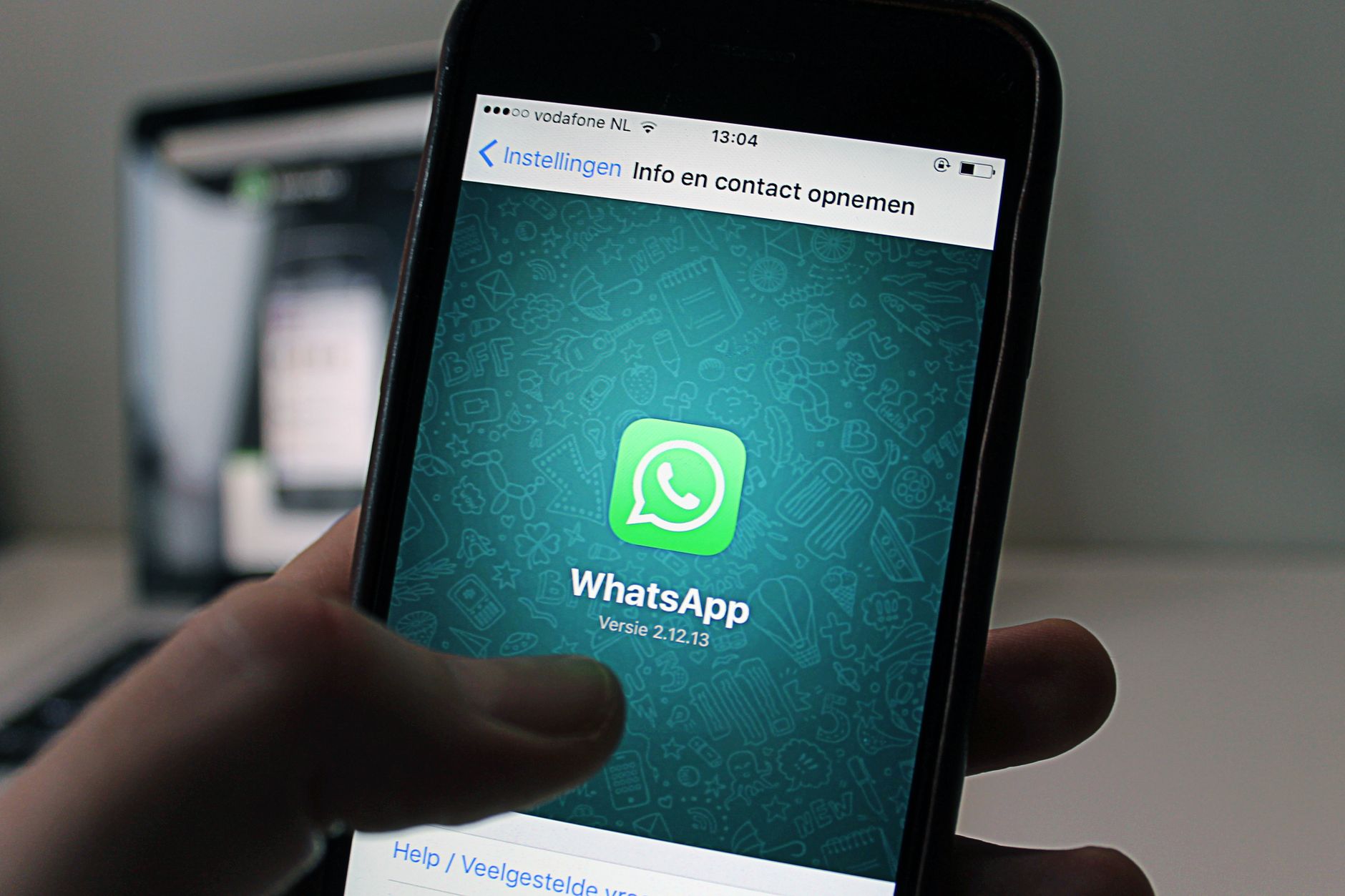
In the rapidly evolving landscape of digital communication, few platforms command as much global reach as WhatsApp. With billions of users, it has transcended its initial role as a simple messaging app to become an indispensable tool for personal connections, community building, and increasingly, business operations. Against this backdrop, recent reports indicating that WhatsApp is testing a premium subscription have sparked considerable discussion. Following in the footsteps of Meta's earlier move with Instagram, this initiative, described as primarily 'cosmetic' in its initial phase, signals a significant strategic shift. While the current features might seem superficial, they offer a fascinating glimpse into Meta's evolving monetization strategies and the potential future of professional communication, especially as AI continues to redefine productivity.

For businesses, power users, and anyone invested in leveraging technology for greater efficiency, this development prompts key questions: What does a 'cosmetic' premium mean for a platform built on simplicity? How might it enhance—or complicate—our digital workflows? And, crucially, what foundational elements is Meta laying down for a future where artificial intelligence could deeply integrate with our most ubiquitous communication tools?

The Evolution of Free: Why WhatsApp is Exploring Premium

For years, the internet operated under the premise of 'free' services, often subsidized by advertising or data collection. However, as the digital economy matures, many platforms are exploring alternative revenue streams. Meta, the parent company of WhatsApp, Facebook, and Instagram, is no stranger to this evolution. The decision to test a premium subscription for WhatsApp aligns with a broader industry trend where platforms seek to diversify income beyond advertising alone, particularly in regions where advertising revenue might be constrained or user privacy demands are higher.

The move also reflects WhatsApp's growing importance in the business sphere. While the core app remains free for personal use, WhatsApp Business has emerged as a critical tool for small and medium-sized enterprises (SMEs) to engage with customers. Features like automated responses, product catalogs, and direct customer support have transformed how many businesses operate. Introducing a premium tier, even a 'cosmetic' one, for what is likely the business iteration of the app, allows Meta to formalize and monetize the professional value WhatsApp already delivers. It's a recognition that for many, WhatsApp is no longer just a chat app; it's a vital part of their digital infrastructure, and they might be willing to pay for enhanced capabilities and a more professional presence.

Furthermore, offering a premium service can foster a perception of exclusivity and enhanced value. In an ecosystem where users are increasingly sensitive to privacy and data usage, a subscription model can sometimes be presented as a way to offer a more 'ad-free' or 'privacy-centric' experience, although the details of such benefits would need to be clearly articulated by Meta. This strategic pivot highlights a complex balancing act: continuing to serve billions of free users while creating compelling value propositions for those willing to pay.

Decoding "Cosmetic": Early Premium Features and Their Utility

When reports describe the initial premium features as 'mainly cosmetic,' it suggests they might not fundamentally alter the app's core messaging functionality. Instead, they are likely to focus on branding, aesthetics, and minor enhancements that improve user experience or business professionalism. While specifics are yet to be widely confirmed, based on similar premium offerings on other platforms and common business needs, we can infer some possibilities:

  • Customizable Business Profiles: This could include advanced branding options, richer profile descriptions, or even the ability to link to multiple external sites beyond a single website. For a small business, a more professional and customizable presence can significantly boost credibility.
  • Unique Custom Links: Instead of the standard `wa.me/phonenumber` link, premium users might get a personalized and memorable short link (e.g., `wa.me/YourBusinessName`). This improves shareability and brand recall.
  • Enhanced Multi-Device Support: While WhatsApp already offers multi-device linking, a premium tier could expand the number of linked devices or offer more robust features across them, improving workflow for teams.
  • Larger Group Capacities or Admin Tools: For community managers or businesses running large customer groups, increased member limits or more sophisticated moderation tools would be a significant upgrade.
  • Exclusive Sticker Packs or Emojis: While truly cosmetic, these can contribute to brand personality for businesses or simply offer a personalized touch for power users.

These features, though seemingly minor, collectively contribute to a more polished and efficient professional presence. For businesses operating on WhatsApp, they translate into better brand representation, easier customer access, and potentially smoother internal operations. It's about providing tools that help businesses stand out and manage their communications more effectively within the existing WhatsApp framework.

Enhancing Professional Communication: The Productivity Angle

Even 'cosmetic' enhancements in a communication platform can significantly impact productivity, especially for business users. Consider the cumulative effect:

  • Improved Branding and Professionalism: A custom link or a richer business profile isn't just about looking good; it's about establishing trust and authority. When customers see a polished presence, they are more likely to engage, leading to quicker resolutions and fewer back-and-forth messages. This reduces friction in communication, a cornerstone of productivity.

  • Streamlined Customer Acquisition and Support: A memorable custom link makes it easier for potential clients to connect. Enhanced profile features can provide immediate answers to common questions, reducing the need for direct interaction and freeing up staff time. This acts as a passive productivity booster.

  • Better Team Collaboration: If premium features include expanded multi-device support or advanced group tools, teams can manage customer inquiries or internal projects more cohesively. Imagine multiple team members seamlessly handling a single business account across various devices, or project groups with more robust organizational features. This minimizes communication overhead and improves response times.

  • Reduced Cognitive Load: In an age of information overload, any feature that simplifies navigation, improves clarity, or automates routine tasks contributes to productivity. While not overtly 'AI-powered,' a cleaner, more organized interface or easily accessible brand assets can reduce mental effort and allow users to focus on core tasks.

Ultimately, these premium features, while not revolutionary, address common pain points for businesses and power users. They provide incremental improvements that, when scaled across daily operations, can lead to noticeable gains in efficiency, customer satisfaction, and overall business output. It's about optimizing the communication funnel to deliver value more effectively.

Peering into the Future: AI's Role in a Premium WhatsApp Experience

While the initial premium offering might be 'cosmetic,' the larger trend at Meta, and indeed across the tech industry, points towards a future deeply integrated with artificial intelligence. For a platform like WhatsApp, a premium tier could serve as the perfect sandbox for rolling out advanced AI-powered productivity tools that go far beyond aesthetics.

Imagine a premium WhatsApp experience where AI actively assists in communication management:

  • Smart Reply and Summarization: AI could analyze incoming messages and suggest contextually relevant replies, saving time. For long chat threads, it could provide concise summaries, allowing users to quickly grasp key information without reading every message. This is a game-changer for busy professionals.

  • Automated Scheduling and Reminders: Integration with calendars and AI-driven natural language processing could allow users to schedule meetings or set reminders directly from chat conversations, recognizing dates and times mentioned in messages.

  • Multilingual Translation: Seamless, real-time translation for business users operating across different geographies, breaking down communication barriers and expanding market reach.

  • Sentiment Analysis and Prioritization: AI could analyze the tone and urgency of messages, helping businesses prioritize customer inquiries or flag critical internal communications. This could be invaluable for customer service teams.

  • Advanced Search and Information Retrieval: Beyond keyword search, AI could understand natural language queries to pull specific information from past conversations or even linked documents, acting as a personal assistant within the chat interface.

  • AI-Powered Chatbots for Advanced Customer Service: While basic chatbots exist, a premium tier could offer more sophisticated AI agents capable of handling complex queries, qualifying leads, or providing personalized recommendations, seamlessly handing off to human agents when necessary.

These potential AI integrations transform WhatsApp from a mere messaging app into an intelligent digital assistant. Such features would significantly boost productivity, streamline workflows, and enable businesses to operate with unprecedented efficiency. A premium subscription could thus become the gateway to a truly next-generation communication platform, where AI isn't just an add-on, but an intrinsic part of the user experience, driving digital transformation in personal and professional realms.

Balancing Value and User Expectation in a Two-Tier System

The introduction of a premium tier, however, always brings with it the challenge of balancing value proposition with user expectations. For a platform as ubiquitous as WhatsApp, which has historically been free for all personal users, any move towards paid features must be carefully calibrated to avoid alienating its massive user base.

Meta's strategy appears to be targeting business users, who are more likely to see the return on investment for professional tools. By keeping the core personal messaging free, WhatsApp aims to maintain its broad accessibility while offering enhanced services to those who derive commercial value from the platform. The key will be to ensure that the premium features genuinely offer significant value that justifies the cost, rather than simply paywalling existing functionalities or introducing 'vanity' features that don't translate into tangible benefits.

Transparency regarding what paying users get, and what remains free, will be crucial for maintaining trust. Furthermore, discussions around data privacy and how premium subscriptions might intersect with Meta's data practices will undoubtedly arise. Users paying for a service often expect a different standard of privacy than those using a free, ad-supported model. As WhatsApp navigates this two-tiered future, its ability to clearly communicate its value proposition, demonstrate tangible productivity gains, and uphold user trust will determine the success of its premium experiment.

Key Takeaways

  • WhatsApp is testing a premium subscription, likely targeting business users, following Meta's broader monetization strategy.
  • Initial premium features are described as 'cosmetic' but are expected to enhance professional branding and communication efficiency.
  • Even minor enhancements (e.g., custom links, improved profiles) can significantly boost productivity for businesses and power users.
  • A premium tier could pave the way for advanced AI-powered tools like smart replies, summarization, automated scheduling, and multilingual translation, fundamentally changing how we use messaging for productivity.
  • Meta must balance providing compelling value for premium users with maintaining the accessibility and trust of its vast free user base.

FAQ

Q1: Who is the WhatsApp premium subscription likely aimed at?
A1: Based on industry trends and the nature of 'cosmetic' and business-centric features, the premium subscription is most likely aimed at WhatsApp Business users and small to medium-sized enterprises (SMEs) looking to enhance their professional presence and communication efficiency on the platform. It's less likely to be a broad consumer offering initially.

Q2: What kind of 'cosmetic' features can we expect from a WhatsApp premium offering?
A2: While specific features are under wraps during testing, 'cosmetic' enhancements could include custom business profile links, advanced branding options for profiles, expanded multi-device support for teams, larger group capacities, or exclusive aesthetic elements like unique stickers. These features aim to professionalize a business's presence and streamline certain aspects of communication.

Q3: How could a WhatsApp premium service integrate AI for productivity in the future?
A3: A premium WhatsApp could leverage AI to offer a suite of advanced productivity tools. This might include AI-powered message summarization, smart reply suggestions, automated scheduling and reminders based on chat content, real-time multilingual translation, sentiment analysis for customer service, and more sophisticated AI chatbots for enhanced customer interaction and task automation.

The Future of Communication: Beyond the Cosmetic

WhatsApp's foray into a premium subscription, even with initial 'cosmetic' features, is more than just a simple monetization play. It represents a strategic recognition of the platform's vital role in professional communication and a glimpse into a future where messaging apps are deeply integrated with productivity tools. While the first wave of paid features might focus on branding and basic enhancements, the true potential lies in the foundation they lay for advanced capabilities. As artificial intelligence continues its rapid ascent, a premium WhatsApp could evolve into an indispensable hub for intelligent communication, offering everything from AI-powered summaries and smart replies to seamless scheduling and advanced customer service automation.

For individuals and businesses alike, this evolution underscores the continuous transformation of digital tools. The 'free' internet is evolving, and with it, our expectations of what a communication platform can deliver. As Meta carefully navigates this new terrain, the challenge will be to offer a compelling value proposition that justifies the cost while maintaining the platform's core accessibility and user trust. The journey from a simple chat app to a sophisticated, AI-enhanced communication and productivity suite is well underway, and WhatsApp's premium tier is an intriguing step on that path.

Editorial Note: This article was produced with AI assistance and reviewed by the biMoola editorial team to ensure accuracy and quality. We are committed to transparent, research-backed content.

Comments (0)

No comments yet. Be the first to comment!

biMoola Assistant
Hello! I am the biMoola Assistant. I can answer your questions about AI, sustainable living, and health technologies.