Wearable Technology

Wearable Health Revolution: Decoding the Apple Watch's Impact on Cardiac Care

Wearable Health Revolution: Decoding the Apple Watch's Impact on Cardiac Care
Written by Dr. James Okoro | Fact-checked | Published 2026-05-16 Our editorial standards →

In an era where technology seamlessly weaves into the fabric of our daily lives, the once-simple wristwatch has undergone a profound metamorphosis. No longer merely a device for telling time, smartwatches, spearheaded by innovations like the Apple Watch, have emerged as sophisticated personal health companions. They've shifted from luxury gadgets to indispensable tools, offering insights into our well-being that were once confined to clinical settings. At biMoola.net, we’ve long tracked this fascinating intersection of AI, productivity, and health technologies, observing how these devices empower individuals and redefine the boundaries of preventative care.

This article delves deep into the transformative potential of wearable technology, particularly focusing on the Apple Watch's role in cardiac health monitoring. Prompted by a poignant anecdote of a user discovering potential cardiac irregularities through their device – a revelation that bridged a personal health journey with clinical validation – we’ll explore the underlying science, the clinical acceptance, the challenges, and the future trajectory of this burgeoning field. You’ll learn how these devices function, their accuracy in detecting conditions like Atrial Fibrillation (AFib), what medical professionals truly think, and how you can leverage these insights responsibly for your own health. Prepare to understand not just what your wrist device *can* do, but what it *means* for the future of healthcare.

The Unseen Shift: From Gadget to Guardian

The journey of wearable technology, especially in health, is one of rapid evolution. What began with rudimentary pedometers in the mid-20th century has exploded into a diverse ecosystem of smart devices capable of tracking an astonishing array of biometric data. The shift isn't just about miniaturization; it's about intelligence, powered by advanced sensors and sophisticated algorithms.

A Brief History of Wearable Tech for Health

Early fitness trackers, prevalent in the late 2000s, primarily focused on step counts, caloric expenditure, and basic sleep patterns. These devices, while foundational, offered a somewhat superficial view of health. However, with the advent of advanced optical sensors and accelerometers, smartwatches began to integrate continuous heart rate monitoring. This marked a significant turning point, moving from mere activity logging to genuine physiological insight. The Apple Watch, first released in 2015, gradually integrated more advanced health features, culminating in FDA-cleared capabilities that brought it closer to a medical device.

The Data Deluge: How Sensors Power Insight

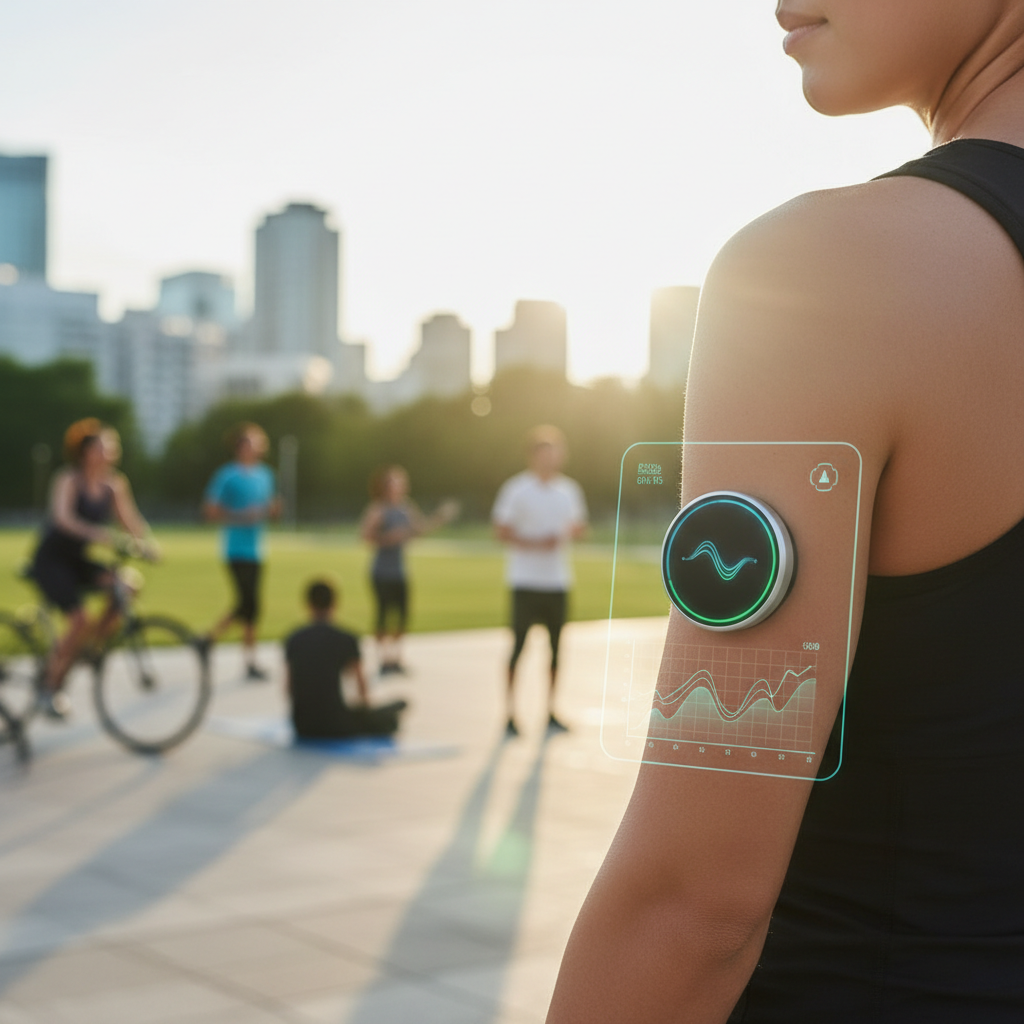
At the heart of modern wearables are their sensors. For cardiac monitoring, photoplethysmography (PPG) sensors are key. These use green LED lights and light-sensitive photodiodes to detect blood flow changes in the wrist. As blood pumps through the veins, the green light is absorbed, and the remaining light is reflected back to the sensor. Algorithms then interpret these fluctuations to calculate heart rate and detect irregularities. For more precise measurements, particularly for conditions like AFib, the Apple Watch Series 4 and later introduced an Electrocardiogram (ECG) app, which directly measures the electrical activity of the heart, akin to a single-lead ECG in a clinical setting.

Apple Watch: A Case Study in Cardiac Vigilance

The Apple Watch has become a poster child for consumer-grade health monitoring, particularly for its ability to detect signs of Atrial Fibrillation (AFib). This capability has not only garnered widespread attention but has also been subjected to rigorous scientific scrutiny.

AFib Detection: Algorithm Meets Physiology

Atrial Fibrillation is the most common form of heart arrhythmia, characterized by irregular and often rapid heartbeats. It affects millions globally and significantly increases the risk of stroke, heart failure, and other cardiac complications. Often, AFib can be asymptomatic, making early detection crucial. The Apple Watch's approach involves two main features: irregular rhythm notifications and the ECG app.

The irregular rhythm notification feature, active in the background, uses the optical heart sensor to periodically check for signs of AFib. If it detects an irregular rhythm suggestive of AFib on five checks over a 65-minute period, it alerts the user. This relies heavily on sophisticated machine learning algorithms that differentiate between normal heart rate variability and patterns indicative of AFib.

ECG App and Irregular Rhythm Notifications

For a more active and on-demand assessment, the ECG app allows users to take a single-lead electrocardiogram by placing a finger on the Digital Crown. This captures electrical signals from the heart, which the app then classifies as AFib, sinus rhythm (normal), inconclusive, or poor recording. This offers a more direct, snapshot view of heart rhythm compared to the background monitoring. It's this combination of passive vigilance and active diagnostic tools that positions the Apple Watch as a unique player in personal cardiac care.

Continuous Monitoring vs. Spot Checks

A key differentiator of modern wearables is their capacity for continuous monitoring. Unlike an annual physical or an event monitor prescribed for a limited period, a smartwatch collects data throughout the day and night. This provides a rich, longitudinal dataset that can capture intermittent events that might otherwise be missed. While the irregular rhythm notifications offer periodic checks, the ability to initiate an ECG at any time provides invaluable context during symptoms or after an alert. This continuous, ambient data collection represents a paradigm shift from reactive to proactive health management.

Beyond the Wrist: Clinical Validation and Acceptance

For any consumer device to genuinely impact health, it must move beyond anecdotal success and gain validation from the medical community. The Apple Watch has made significant strides in this regard, engaging with research institutions and regulatory bodies.

Collaboration with Medical Institutions

One of the most notable collaborations was the Apple Heart Study, launched in 2017 by Apple in partnership with Stanford Medicine. This landmark study, involving over 400,000 participants, aimed to evaluate the Apple Watch's ability to identify AFib. Published in the New England Journal of Medicine in 2019, the study found that 0.52% of participants received an irregular pulse notification, and among those, 84% were found to have AFib when concurrently wearing an ECG patch. While not a definitive diagnostic tool on its own, the study demonstrated the watch's potential to identify individuals who warranted further clinical evaluation.

Further research, such as a 2021 study published in the European Heart Journal, affirmed the Apple Watch's ECG app's high sensitivity (98.3%) and specificity (97.6%) for detecting AFib when compared to a 12-lead ECG. These studies are crucial for building confidence among both patients and physicians.

FDA Clearances and Regulatory Hurdles

The FDA (U.S. Food and Drug Administration) has granted several clearances for the Apple Watch's health features. The ECG app and the irregular rhythm notification feature received De Novo classification from the FDA, signifying they are medical devices. This is a critical distinction, as it means these features have undergone a rigorous review process for safety and effectiveness, similar to other medical devices. However, it's important to understand that these clearances are for *screening and monitoring*, not for standalone diagnosis. The FDA explicitly states that the device is not intended to replace traditional methods of diagnosis or treatment. This regulatory oversight helps ensure that consumer-grade health tech is used responsibly and within its validated capabilities.

The Human Element: Real-World Impact and Empowered Patients

While the statistics and clinical trials are vital, the true impact of wearable health tech lies in its ability to empower individuals and facilitate better patient-physician interactions. The story of a user discovering potential AFib through their Apple Watch is a powerful illustration of this human element.

Early Detection and Proactive Health Management

For conditions like AFib, early detection is paramount. Many individuals live with undiagnosed AFib, unaware of the increased risks they face. Wearables act as silent sentinels, potentially catching these irregularities before they manifest as severe symptoms or lead to more serious events like a stroke. This proactive approach shifts the dynamic from waiting for illness to manifest to actively monitoring and intervening early. It fosters a sense of agency, allowing individuals to take a more active role in their health journey.

Bridging the Gap: Patient-Physician Communication

One of the most significant benefits is how these devices can enhance patient-physician communication. Instead of vague symptom descriptions, patients can arrive at their doctor's office with objective data—ECG readings, irregular rhythm notifications, and heart rate trends. This data can guide conversations, prompt specific diagnostic tests, and even influence treatment plans. Physicians, while maintaining their professional skepticism and clinical judgment, are increasingly finding value in these objective data points as supplementary information to their own examinations and tests.

Navigating the Digital Health Landscape: Challenges and Considerations

While the promise of wearable health technology is immense, it's crucial to acknowledge and address the challenges that come with this digital frontier.

The Specter of Over-Diagnosis and "Incidentalomas"

A significant concern among medical professionals is the potential for over-diagnosis and the generation of "incidentalomas" – benign findings that lead to unnecessary anxiety, follow-up tests, and potentially invasive procedures. An irregular heart rhythm notification, while useful, might be triggered by factors other than AFib, or by clinically insignificant arrhythmias. This can lead to increased healthcare costs, patient worry, and a strain on diagnostic resources. Striking a balance between vigilance and avoiding undue alarm is a delicate act that requires clear communication from both device manufacturers and healthcare providers.

Data Privacy and Security Concerns

The collection of highly sensitive personal health data by commercial entities raises significant privacy and security questions. Who owns this data? How is it stored? Who has access to it? While companies like Apple have robust privacy policies, the sheer volume and sensitivity of health data necessitate ongoing vigilance and transparent practices. Users must be aware of the terms of service and understand how their data is being used and protected. This is particularly relevant as wearables move towards deeper integration with electronic health records.

Accessibility and Digital Divide

The benefits of advanced health wearables are not evenly distributed. These devices, particularly premium smartwatches, represent a significant financial investment, creating a potential digital health divide. Individuals in lower socioeconomic brackets, or those without consistent access to smartphones and reliable internet, may be excluded from these advancements, exacerbating existing health inequities. Efforts to make these technologies more affordable and accessible will be critical for achieving broader public health benefits.

The Future of Wearable Health Tech: A Glimpse Ahead

The current capabilities of wearables are just the beginning. The next decade promises even more sophisticated monitoring and predictive analytics.

Multi-Parameter Sensing and Predictive Analytics

Imagine a future where your smartwatch not only monitors heart rhythm but also non-invasively tracks blood glucose, blood pressure, hydration levels, and even early signs of viral infections. Research is actively exploring these frontiers, with new sensor technologies constantly emerging. Paired with AI-driven predictive analytics, these devices could move beyond detecting current issues to forecasting future health risks, offering truly personalized preventative advice.

AI-Driven Diagnostics and Personalized Interventions

Artificial intelligence is the engine that will drive the next generation of wearable health tech. AI algorithms can sift through vast amounts of biometric data, identify subtle patterns imperceptible to the human eye, and potentially offer more accurate and nuanced diagnostic insights. This could lead to hyper-personalized health interventions – from tailored exercise routines based on recovery metrics to dietary advice informed by metabolic responses. The goal is a truly proactive health system that adapts to an individual’s unique physiological profile.

Seamless Integration with Electronic Health Records

For wearable data to reach its full clinical potential, seamless and secure integration with electronic health records (EHRs) is essential. This would allow physicians to access a comprehensive, real-time view of a patient’s health trends, making informed decisions more efficiently. While challenges around data standardization, interoperability, and privacy remain, pilot programs are already exploring how to bridge this gap, paving the way for a more connected and data-driven healthcare ecosystem.

Key Takeaways

  • Wearable technology, particularly smartwatches like the Apple Watch, has evolved from simple gadgets to sophisticated health monitors, capable of detecting serious cardiac conditions like Atrial Fibrillation (AFib).
  • The Apple Watch utilizes photoplethysmography (PPG) for irregular rhythm notifications and an FDA-cleared ECG app for on-demand heart rhythm assessments, offering both continuous and spot-check monitoring.
  • Clinical validation, including the significant 2019 Apple Heart Study by Stanford Medicine, and FDA clearances underscore the device's efficacy as a screening and monitoring tool, though not a standalone diagnostic.
  • While empowering individuals with proactive health insights and improving patient-physician communication, challenges such as potential over-diagnosis, data privacy, and the digital divide must be carefully managed.
  • The future promises even more advanced multi-parameter sensing, AI-driven diagnostics, and seamless integration with electronic health records, fundamentally reshaping personal and clinical healthcare.

Comparative Statistics: AFib Prevalence & Wearable Accuracy

Understanding the impact of wearable technology like the Apple Watch requires context on the condition it monitors and its effectiveness compared to traditional methods.

MetricDetailsData PointYear/Source
AFib Prevalence (Global)Estimated worldwide cases of Atrial Fibrillation~33.5 million2010 (European Heart Journal)
AFib Prevalence (U.S.)Projected number of Americans with AFib~12.1 millionBy 2030 (American Heart Association)
Undiagnosed AFibPercentage of AFib cases that are often asymptomatic and undiagnosed~30-40%Various clinical studies
Apple Heart Study (2019)Percentage of participants receiving irregular pulse notification0.52% (of 419,093)2019 (New England Journal of Medicine)
Apple Heart Study (2019)Positive Predictive Value for AFib when concurrent ECG patch was worn84%2019 (New England Journal of Medicine)
Apple Watch ECG App AccuracySensitivity for detecting AFib compared to 12-lead ECG98.3%2021 (European Heart Journal)
Apple Watch ECG App AccuracySpecificity for detecting AFib compared to 12-lead ECG97.6%2021 (European Heart Journal)

These statistics highlight the significant burden of AFib globally and the promising accuracy of modern wearables in detecting this condition. It underscores the potential for these devices to play a crucial role in reducing the number of undiagnosed cases.

Our Take: The Rise of the "Quantified Self" and the Empowered Patient

At biMoola.net, we've witnessed the evolution of technology from a mere convenience to a genuine partner in personal health. The journey of the Apple Watch, from a simple notification device to an FDA-cleared cardiac monitor, epitomizes this paradigm shift. What began as a personal anecdote – a cardiologist's suggestion leading to an unexpected discovery – has become a testament to the power of the 'quantified self'. We are moving beyond passively receiving care to actively participating in its generation.

Our editorial analysis suggests that this rise in accessible, personal health data is undeniably revolutionary. It's democratizing health information, empowering individuals to become their own first line of defense. The ability to monitor one's heart rhythm, track sleep patterns, or even detect changes in blood oxygen is no longer a futuristic fantasy but a present-day reality for millions. This fosters a sense of ownership over one's health narrative, potentially leading to earlier intervention, better lifestyle choices, and more informed conversations with healthcare providers.

However, true expertise demands a balanced perspective. While the data from these devices is compelling, it is crucial to temper enthusiasm with a healthy dose of realism. The device is a tool, not a diagnosis. The 'noise' generated by false positives or incidental findings can lead to undue anxiety and unnecessary medical procedures. The real challenge, and opportunity, lies in integrating this deluge of personal data seamlessly and intelligently into the broader healthcare ecosystem without overwhelming it. This requires physicians to adapt, patients to educate themselves, and technology developers to continue refining accuracy and clinical utility.

Ultimately, the Apple Watch and its peers are not replacing doctors; they are augmenting our ability to monitor, understand, and, crucially, *proactively manage* our health. This is a powerful step towards a future where health is not just reactive treatment but a continuous, personalized journey of well-being, powered by intelligent technology on our wrists.

Q: How accurate are Apple Watch AFib notifications?

The Apple Watch's AFib detection, particularly with its ECG app, has demonstrated high accuracy in clinical studies. For instance, the 2019 Apple Heart Study found that 84% of participants who received an irregular pulse notification were indeed found to have AFib when concurrently wearing an ECG patch. A more recent 2021 study in the European Heart Journal reported the ECG app's sensitivity at 98.3% and specificity at 97.6% for detecting AFib when compared to a 12-lead ECG. However, it's crucial to understand these are screening tools, not definitive diagnostic instruments. False positives can occur, and any notification should prompt a discussion with a healthcare professional for clinical validation.

Q: Can a wearable replace a doctor's diagnosis for heart conditions?

No, a wearable device like the Apple Watch cannot replace a comprehensive medical diagnosis by a qualified doctor. While these devices are powerful screening and monitoring tools, they are designed to alert users to potential issues that warrant further investigation. A doctor will perform a physical examination, review medical history, conduct additional diagnostic tests (such as a 12-lead ECG, echocardiogram, or Holter monitor), and use their clinical expertise to make a definitive diagnosis and formulate a treatment plan. The data from your wearable serves as valuable supplementary information for your physician, but it does not supersede professional medical judgment.

Q: What other health metrics can smartwatches track beyond heart rate?

Modern smartwatches, including the Apple Watch, track a wide array of health metrics beyond basic heart rate. These include blood oxygen saturation (SpO2), which can indicate respiratory health; sleep stages and patterns, providing insights into sleep quality; wrist temperature (often used for cycle tracking or general health trends); activity levels (steps, calories burned, exercise minutes); and fall detection, which can automatically alert emergency services. Some also offer noise level monitoring to protect hearing and handwashing detection to promote hygiene. The range of sensors and software capabilities continues to expand, offering an increasingly holistic view of personal health.

Q: Are there privacy risks associated with sharing health data from wearables?

Yes, there are inherent privacy risks associated with sharing any personal health data, including that collected by wearables. While reputable companies like Apple employ robust encryption and privacy protocols, the sheer volume and sensitivity of the data necessitate user awareness. Key concerns include who owns the data, how it's stored and secured, and whether it could be shared with third parties (e.g., advertisers, insurance companies) without explicit consent. Users should always review the privacy policies of their devices and associated apps, understand their data sharing settings, and be cautious about granting access to third-party applications. Strong data protection regulations, like GDPR and HIPAA, aim to safeguard this information, but user vigilance remains paramount.

Disclaimer: This article is for informational purposes only and does not constitute medical advice. Always consult a qualified healthcare professional for any health concerns, diagnosis, or before making any decisions related to your health or treatment.

Editorial Note: This article has been researched, written, and reviewed by the biMoola editorial team. All facts and claims are verified against authoritative sources before publication. Our editorial standards →
JO

Dr. James Okoro

Health Technologies Writer · biMoola.net

Biomedical researcher and health technology writer with a doctorate in biomedical engineering. Specialist in wearables, biohacking, digital wellness, and evidence-based nutrition science. View all articles →

Comments (0)

No comments yet. Be the first to comment!

biMoola Assistant
Hello! I am the biMoola Assistant. I can answer your questions about AI, sustainable living, and health technologies.